 Preview
 Send
Send Share
Share
 Details

 Download
 Similars
 X-Ray
X-Ray Diaporama
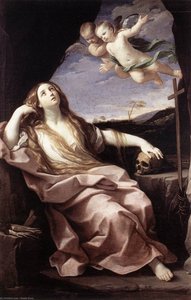
St Mary Magdalene
 Oil On Canvas
- WallArt
- Baroque
 1623
1623 241.0 x 171.0 cm
 Galleria Nazional d Art Antica
 Read More
Hand Made Oil Reproduction
Hand-painted oil on canvas in your size and frame, made to order by our artists. ( Buy Print Buy Image)




P118B $10

P118H $10

P118W $10

P438Z $10

P508JH $12

P508YH $12

P805H $10

P805Z $10

P919BZ $10

P919G $10

P919XJ $10

P959ZH $10

P968JZ $12

W106C $8

W218G $10

W218JH $8

W218Y $10

W307PJ $10

W316G $10

W316PJ $8

W316Y $10

W398PJ $8

W4111J $10

W500HY $15

W500JH $15

W692G $12

W849H $8

W940BG $15

W953PJ $8




Pick from our preset sizes that match the artwork's original proportions.

You may enter your own dimensions to fit a specific frame or space. If your selected size does not match the original image's proportions, we will either crop the artwork or extend the painting with additional hand-painted elements. A digital mockup will be sent for your approval before production begins.
Please note that the on-screen preview does not reflect the actual cropping or extension. Only the mockup will accurately show the final composition.
While custom sizes are available, we recommend selecting a dimension from the predefined list to preserve the original proportions.
After order, ArtsDot.com team will email client for instructions and provide a mockup preview
Worldwide Delivery () in 3/4 weeks instead of standard 5 weeks. (17 August). No compromise on quality.

Free Worldwide Express Shipping

High-Quality Linen Canvas

Full Shipping Insurance

Customs Tax Refund Guarantee

True Color Matching Guarantee

60-Day Return Policy (Defects Only)

100% Money-Back Guarantee

Bulk Discount Offer
 Glass option is only available in size under 110 CM

St Mary Magdalene
Reproduction Medium
Reproduction Size
-


Total Price
$ 263
Artwork Description
A Gaze Into Eternity: Simon Vouet’s “St Mary Magdalene”
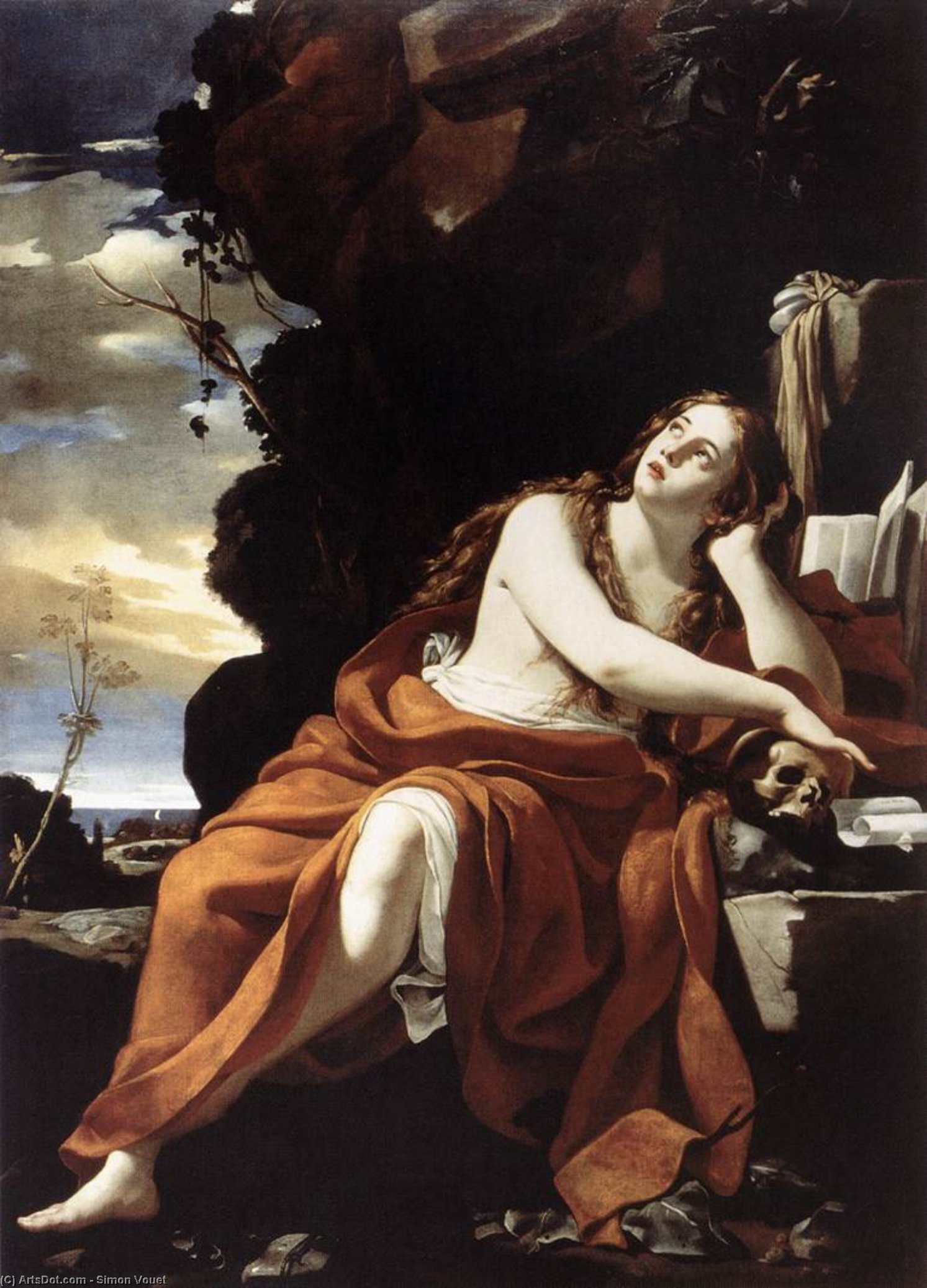
Simon Vouet's "St Mary Magdalene," painted in 1623, is not merely a portrait; it’s an immersive experience—a window into the soul of a woman grappling with profound repentance and spiritual awakening. This arresting work, now meticulously reproduced as a museum-quality print, transcends its historical context to resonate powerfully with contemporary viewers. Vouet, a pivotal figure in bridging the gap between Mannerism and Baroque painting in France, masterfully employs dramatic chiaroscuro—the stark contrast between light and shadow—to draw our attention directly to Mary Magdalene’s face, an expression of both vulnerability and unwavering faith.
The painting's genesis lies within the vibrant artistic landscape of Rome during the early 17th century. Vouet, having spent formative years in Italy absorbing the techniques of masters like Guido Reni and Carracci, returned to France armed with a new vision—a Baroque sensibility characterized by emotional intensity, dynamic composition, and an almost theatrical use of light. “St Mary Magdalene” exemplifies this shift perfectly. It departs from the more static and idealized depictions prevalent in earlier portraiture, instead presenting a figure imbued with palpable emotion and psychological depth.
The Language of Symbolism
Beyond its aesthetic beauty, "St Mary Magdalene" is rich in symbolic meaning. The skull resting upon the rock at the base of the composition—a ubiquitous motif in Christian art—serves as a potent reminder of mortality and the transience of earthly existence. It’s not presented with morbid horror, however, but rather as a grounding element, anchoring Mary's spiritual journey within the realities of human experience. The Magdalene’s posture – head bowed, hand resting gently on her arm – speaks to introspection and humility, suggesting a deep engagement with her past and a willingness to confront her own imperfections.
The setting itself contributes significantly to the painting’s symbolic weight. The rugged, almost desolate landscape—a rocky expanse under a dramatic, cloud-streaked sky—mirrors Mary's internal state of turmoil and redemption. It’s a space of solitude and reflection, where she can confront her demons and seek solace in faith. The muted palette – dominated by earthy browns, deep reds, and subtle blues – further reinforces this sense of solemnity and introspection.
Technique and Artistic Mastery
Vouet’s technical skill is immediately apparent in the meticulous detail with which he renders Mary Magdalene's features. Her face—characterized by delicate modeling, subtle shading, and a remarkable sensitivity to light—is both strikingly beautiful and profoundly expressive. The artist skillfully employs sfumato, a technique perfected by Leonardo da Vinci, to create soft transitions between tones, lending an ethereal quality to the figure’s appearance.
Furthermore, Vouet's mastery of composition is evident in the dynamic arrangement of elements within the painting. The diagonal lines created by Mary Magdalene’s posture and the placement of the skull draw the viewer’s eye into the scene, while the atmospheric perspective—the use of lighter tones to suggest distance—creates a sense of depth and spatial realism. The brushwork is remarkably smooth and refined, reflecting Vouet's meticulous approach to his craft.
A Timeless Reflection
"St Mary Magdalene" remains a powerful testament to the enduring appeal of Christian iconography and the transformative power of faith. Whether viewed as a historical masterpiece or a contemporary work of art, it continues to captivate audiences with its emotional intensity, symbolic richness, and technical brilliance. As a meticulously reproduced print, this artwork offers an accessible way to experience Vouet’s genius—a chance to contemplate themes of repentance, redemption, and the enduring search for spiritual meaning.
- Artist: Simon Vouet
- Date: 1623
- Medium: Oil on canvas
- Size: 241 x 171 cm
- Location: Galleria Nazionale d’Arte Antica, Rome
Related Artworks
Artist Biography
Simon Vouet: A Pioneer of French Baroque Painting
- Born: January 9, 1590, Paris, France
- Died: June 30, 1649, Paris, France
Simon Vouet was a pivotal figure in the transition of French painting from Mannerism to the Baroque style. Born into an artistic family – his father Laurent was a painter and his brother Aubin also pursued art – Vouet received early training that laid the foundation for his future success. His grandson, Ludovico Dorigny, would continue the family’s artistic legacy.
Early Career and Italian Influences (1608-1627)
- Early Portraiture: Vouet began his career as a portraitist, demonstrating early talent.
- Travel to England (1608): At the young age of 14, he traveled to England to paint a commissioned portrait, showcasing his burgeoning reputation.
- Ottoman Empire and Venice: In 1611, Vouet joined the entourage of Baron de Sancy, French ambassador to the Ottoman Empire, again for portraiture work. This journey took him through Constantinople and then to Venice in 1612.
- Rome (1614-1627): His time in Rome proved transformative. He remained there for thirteen years, immersing himself in the vibrant artistic scene of the burgeoning Baroque period.
During his Italian sojourn, Vouet absorbed a diverse range of influences. He studied the dramatic lighting techniques pioneered by Caravaggio, embraced elements of Italian Mannerism, and meticulously analyzed the color palettes and di sotto in su (foreshortened perspective) employed by Paolo Veronese. He also drew inspiration from the works of Carracci, Guercino, Lanfranco, and Guido Reni, synthesizing these diverse styles into a unique artistic vision.
Development of Vouet’s Distinctive Style
- Election to Accademia di San Luca (1624): His success in Rome culminated in his election as president of the prestigious Accademia di San Luca, a testament to his skill and recognition within the Italian art world.
- Synthesis of Influences: Vouet’s style was characterized by its ability to absorb and distill various artistic influences. He didn't simply copy; he integrated these elements into a cohesive and distinctly Italianate Baroque aesthetic.
- Introduction of Baroque to France: Upon his return to France in 1627, Vouet played a crucial role in introducing the Italian Baroque style to French painting, significantly impacting the artistic landscape of the country.
Major Achievements and Legacy
- Premier Peintre du Roi: Vouet was appointed Premier peintre du Roi (First Painter to the King) – a position of considerable prestige and influence.
- Prolific Workshop: He maintained a large and active workshop, training numerous artists who would shape the subsequent generation of French painters.
- Notable Pupils: Among his most influential pupils were Charles Le Brun (who later organized all decorative painting at Versailles), Valentin de Boulogne, Charles Alphonse du Fresnoy, Pierre Mignard, Eustache Le Sueur, and Claude Mellan.
- Influence on French Art: Vouet’s impact extended beyond his own works; his students carried his style and techniques throughout France, establishing a distinctively Baroque school of painting. His influence is particularly evident in the grand decorative schemes commissioned by Louis XIV.
Historical Significance
Simon Vouet's legacy rests on his pivotal role as a bridge between Italian and French art. He successfully imported the dynamism and grandeur of the Italian Baroque, transforming it into a style that resonated with the tastes of the French court and aristocracy. His influence is undeniable in the development of French painting during the 17th century, and his contributions continue to be recognized by art historians today.
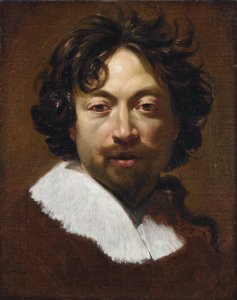
Simon Vouet
1590 - 1649 , France
Quick Facts
- Artistic Movement Or Style: Baroque painting
- Artists Or Movements Influenced By This Artist:
- Charles Le Brun
- Valentin de Boulogne
- French Baroque painting
- Artists Who Influenced This Artist:
- Caravaggio
- Paolo Veronese
- Carracci
- Guercino
- Lanfranco
- Guido Reni
- Date Of Birth: January 9, 1590
- Date Of Death: June 30, 1649
- Full Name: Simon Vouet
- Nationality: French
- Place Of Birth: Paris, France
Related Articles

Simon Vouet: A Baroque Master's Journey from Italian Influence to French Classicism
Explore the life & art of Simon Vouet, a pivotal French Baroque painter who introduced Italian styles to France. Discover his masterpieces and lasting influence on 17th-century art.

The Dramatic Flourish: Exploring the Baroque Movement's Enduring Legacy in Art History
Explore the dramatic world of Baroque art! Discover iconic artists like Caravaggio & Rubens, defining techniques, and its lasting impact on art history. Expert insights for collectors & enthusiasts at ArtsDot.

Baroque Drama: Bringing Opulence & Emotion into Contemporary Interiors
Explore the opulent world of Baroque interior design! Discover key elements, modern applications & how to bring dramatic elegance into your home with 's authentic reproductions.

Baroque Masterpieces: 10 Paintings That Defined an Era |
Journey through the drama & grandeur of Baroque art! Explore 10 masterpieces by Caravaggio, Rembrandt, Rubens & more. Discover stunning oil paintings, rich colors & timeless stories. Find museum-quality reproductions at .

The Visceral Stage: Exploring Dramatic Narratives & Emotional Intensity in Baroque Art
Explore the dramatic world of Baroque art! Discover iconic masters like Caravaggio & Rembrandt, their techniques, and the movement's lasting impact. Expert insights for collectors & enthusiasts at ArtsDot.