 Send
Send Share
Share
 Details

 Download
 Similars
 Diaporama
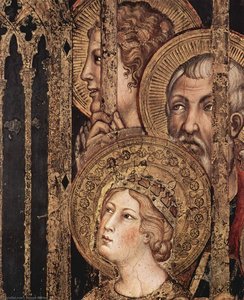
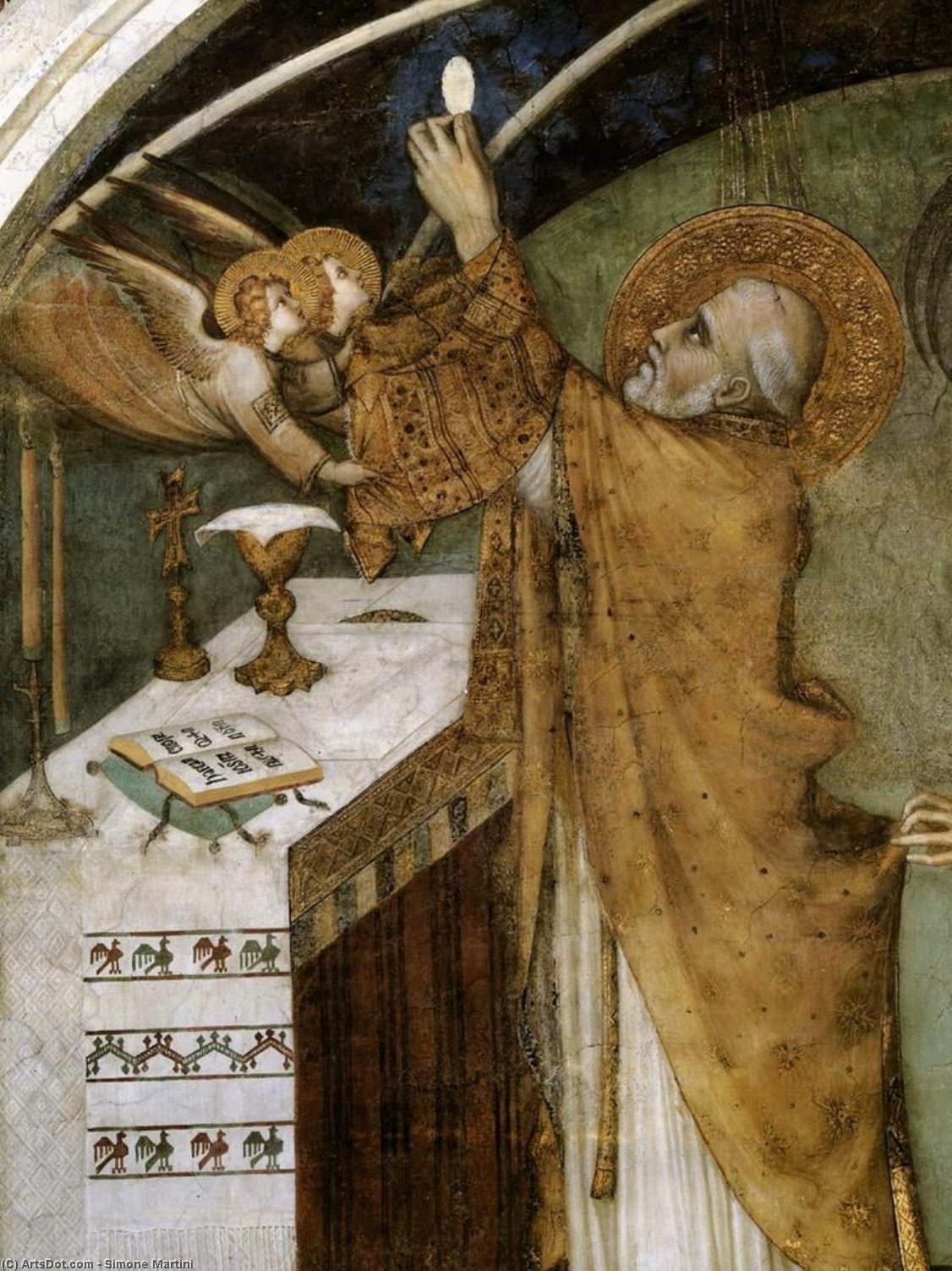
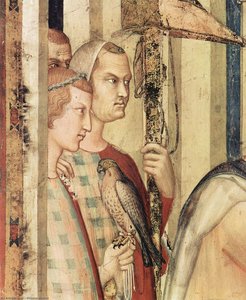
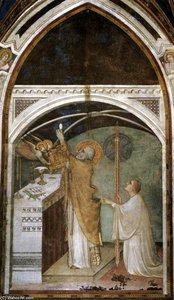
Miraculous Mass (detail)


 Read More
Hand Made Oil Reproduction
Hand-painted oil on canvas in your size and frame, made to order by our artists. ( Buy Print Buy Image)




































Pick from our preset sizes that match the artwork's original proportions.

You may enter your own dimensions to fit a specific frame or space. If your selected size does not match the original image's proportions, we will either crop the artwork or extend the painting with additional hand-painted elements. A digital mockup will be sent for your approval before production begins.
Please note that the on-screen preview does not reflect the actual cropping or extension. Only the mockup will accurately show the final composition.
While custom sizes are available, we recommend selecting a dimension from the predefined list to preserve the original proportions.
After order, ArtsDot.com team will email client for instructions and provide a mockup preview
Worldwide Delivery () in 3/4 weeks instead of standard 5 weeks. (17 August). No compromise on quality.

Free Worldwide Express Shipping

High-Quality Linen Canvas

Full Shipping Insurance

Customs Tax Refund Guarantee

True Color Matching Guarantee

60-Day Return Policy (Defects Only)

100% Money-Back Guarantee

Bulk Discount Offer
 Glass option is only available in size under 110 CM

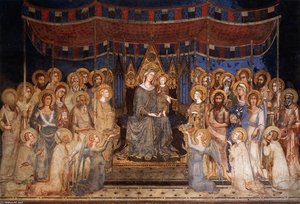
Miraculous Mass (detail)
Reproduction Medium
Reproduction Size
-


Total Price
$ 263
Artwork Description
A Moment of Divine Grace: Simone Martini’s *Miraculous Mass* (Detail)
Simone Martini's *Miraculous Mass*, painted in 1312, is more than just a depiction of a religious scene; it’s a profound meditation on faith, devotion, and the exquisite beauty of human artistry. This fresco detail, brimming with intricate detail and imbued with a palpable sense of reverence, offers a rare glimpse into the world of Sienese painting during a pivotal moment in European art history – the transition from the medieval to the burgeoning Renaissance. The work’s power lies not just in its subject matter—a miraculous event involving Mary and Christ—but in Martini's masterful manipulation of line, color, and composition, creating an image that continues to resonate with viewers centuries later.
Technical Brilliance: A Symphony of Color and Line
- Fresco Technique: Executed as a fresco secco (dry fresco), a technique common in Siena at the time, Martini employed pigments mixed with a binding agent – typically egg white – directly onto freshly laid lime plaster. This method demanded meticulous planning and execution, as changes were difficult to make once the paint had begun to dry.
- Linear Precision: Martini’s signature style is immediately recognizable through his extraordinarily precise lines. Each figure is rendered with a remarkable clarity of form, demonstrating an unparalleled control over detail. The figures' drapery flows with an almost liquid grace, achieved through careful observation and skillful rendering.
- Color Palette: The color scheme is dominated by rich, jewel-toned hues – deep blues, vibrant reds, and shimmering golds – characteristic of Sienese painting. These colors were not merely decorative; they held symbolic significance within the religious context, representing virtues like piety, royalty, and divine grace.
Symbolism and Narrative: A Scene of Miraculous Intervention
The fresco depicts a pivotal moment, likely from the Gospels, where Mary holds the infant Jesus in her arms while another figure presents him with a chalice. This scene is laden with symbolism. The chalice itself represents the Holy Eucharist – the body and blood of Christ – central to Christian belief. The act of presenting the child signifies his divine nature and foreshadows his future sacrifice. The presence of other figures, some in prayerful contemplation, underscores the communal nature of religious experience. The book held by one figure may represent scripture, further emphasizing the importance of faith and knowledge.
Historical Context: Siena at the Height of its Power
Painted in 1312, *Miraculous Mass* reflects the cultural and political landscape of Siena during the Commune era. Siena was a powerful republic, renowned for its wealth, artistic patronage, and independent spirit. Martini’s work exemplifies this civic pride, showcasing the city's commitment to religious art and its dedication to preserving its unique artistic identity. The painting’s style aligns with the Sienese school of painting, which emphasized elegance, refinement, and a meticulous attention to detail – qualities that distinguished it from the more expressive styles emerging in Florence at the time.
Emotional Impact: A Window into Devotion
*Miraculous Mass* transcends its historical context to evoke a profound sense of awe and reverence. Martini’s skillful rendering of human emotion—the tenderness of Mary's gaze, the solemnity of the onlookers—creates an image that is both deeply moving and spiritually uplifting. This detail offers a tangible connection to the religious beliefs and artistic sensibilities of the 14th century, inviting viewers to contemplate themes of faith, charity, and divine grace.
Related Artworks
![Life Of St John The Evangelist - [03] - Ascension Of The Evangelist — Giotto Di Bondone, Proto-renaissance Painting](/media/artworks/images/thumbnails/02/f1/02f14a08270d4e29aee216c9ae5e781e.jpg)
![Legend Of St Francis - [21] - Apparition To Fra Agostino And To Bishop Guido Of Arezzo — Giotto Di Bondone, Proto-renaissance](/media/artworks/images/thumbnails/1f/a3/1fa370e8ba2040d380a682d61260727f.jpg)
Artist Biography
A Sienese Master of Elegance and Grace
Simone Martini, born around 1284 in the heart of Siena, Italy, stands as a pivotal figure in the transition from medieval to Renaissance art. He wasn’t merely a painter; he was an architect of elegance, a master of line and color who infused his works with a courtly refinement that distinguished him from contemporaries like Giotto. While historical accounts vary regarding his early training—some suggest apprenticeship under Duccio di Buoninsegna, the leading Sienese artist of the time, while others point to Florence and the influence of Giotto—Martini undeniably forged a unique artistic path. His brother-in-law, Lippo Memmi, was also an artist with whom he frequently collaborated, further enriching the vibrant artistic landscape of Siena. The city itself played a crucial role in shaping Martini’s aesthetic; Siena, a thriving center of commerce and culture, fostered an environment where art flourished, blending religious devotion with worldly sophistication.
The Flourishing of International Gothic
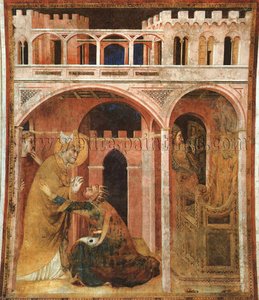
Martini's style is immediately recognizable for its departure from the more monumental forms favored in Florence. He embraced a delicate sensibility, characterized by flowing lines, soft decorative details, and an overall sense of grace. This aesthetic wasn’t born in isolation; it was profoundly influenced by external forces. The Via Francigena, a major pilgrimage route traversing Europe, brought with it artistic currents from France—particularly the refined elegance of French manuscript illumination and ivory carving. These influences are readily apparent in Martini's work, manifesting as intricate patterns, elongated figures, and a heightened attention to surface ornamentation. He didn’t simply copy these styles; he synthesized them with existing Sienese traditions, creating something entirely new. His paintings weren’t merely representations of religious scenes but rather elegant narratives imbued with emotional depth and visual poetry. The Saint Louis of Toulouse Crowning His Brother Robert of Anjou, painted in 1317 during a sojourn in Naples, exemplifies this masterful blend of narrative skill and refined composition. The work showcases Martini’s ability to depict complex scenes with clarity and grace, while simultaneously imbuing them with a sense of courtly splendor.
From Siena to Avignon: A Courtly Appointment
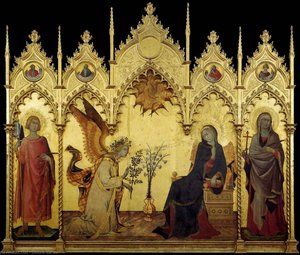
Martini's reputation extended beyond the borders of Italy, leading to a significant turning point in his career. In 1336, he accepted a commission from Pope Benedict XII to create frescoes for the Papal Palace in Avignon, France—a move that placed him at the heart of European power and patronage. This appointment wasn’t merely about artistic skill; it was a testament to Martini's ability to cater to the tastes of a sophisticated courtly audience. While in Avignon, he entered into a remarkable intellectual circle, befriending Francesco Petrarca—better known as Petrarch, the renowned humanist poet. The connection with Petrarch is particularly poignant, as Vasari and other sources suggest that Martini painted a portrait of Laura de Noves, Petrarch’s lifelong muse. Though the portrait itself is lost to time, its very existence speaks volumes about Martini's status as a celebrated artist capable of capturing not only physical likeness but also the essence of beauty and inspiration. The Annunciation with St. Margaret and St. Ansanus, created during his time in Florence before moving to Avignon, is a testament to this period, showcasing delicate beauty and refined aesthetic.
Legacy and Enduring Influence
Simone Martini’s impact on the development of European art cannot be overstated. He played a crucial role in disseminating the International Gothic style—a movement characterized by its elegance, refinement, and emphasis on decorative detail—across the continent. His influence extended to generations of artists who followed, shaping the course of late medieval and early Renaissance painting. Martini’s work wasn't simply about technical skill; it was about creating a visual language that resonated with the sensibilities of his time—a language of beauty, grace, and spiritual devotion. Even today, his paintings continue to captivate viewers with their exquisite detail, harmonious compositions, and enduring sense of elegance. His frescoes in San Francesco d’Assisi demonstrate his mastery of large-scale decorative painting, while works like the Saint Catherine of Alexandria Polyptych showcase his unparalleled command of color and form. Simone Martini died in Avignon in 1344, leaving behind a legacy that continues to inspire awe and admiration centuries later—a testament to the enduring power of art to transcend time and touch the human spirit.

Simone Martini
1284 - 1344 , Italy
Quick Facts
- Artistic Movement Or Style: International Gothic
- Artists Or Movements Influenced By This Artist: ['International Gothic style']
- Artists Who Influenced This Artist:
- Duccio di Buoninsegna
- Giotto di Bondone
- Date Of Birth: c. 1284
- Date Of Death: 1344
- Full Name: Simone Martini
- Nationality: Italian
- Notable Artworks:
- St. Louis Crowning Robert
- Saint Catherine Polyptych
- Annunciation (Uffizi)
- Consecration of Chapel
- Place Of Birth: Siena, Italy
Related Articles

The Fresco as Family Legacy: Preserving Heritage Through Wall Art
Explore the rich history & enduring legacy of fresco painting. Discover how to preserve family heritage through stunning wall art. Expert insights & restoration guidance.
Simone Martini: Innovation, Spirituality & Courtly Refinement in Sienese Painting
Explore the captivating world of Simone Martini, a pivotal figure in Sienese painting & the International Gothic style. Discover his innovative techniques, spiritual depth, and lasting influence on early Renaissance art.
Fresco's Finest: 10 Masterpieces That Define Art History | ArtsDot
Journey through art history with our Top 10 Fresco Masterpieces! Explore Michelangelo, Raphael & Giotto's iconic works. Find museum-quality reproductions and elevate your home decor at ArtsDot.com.

The Enduring Legacy of Fresco: Technique, History & Artistic Expression Across Cultures
Explore the rich history & enduring legacy of fresco painting! Discover ancient techniques, Giotto's masterpieces, and modern applications. Expert insights for art lovers & professionals.

The Enduring Legacy of Fresco Painting: Techniques, History & Contemporary Relevance
Explore the rich history & enduring artistry of fresco painting – from Giotto to Michelangelo! Discover techniques, conservation efforts, & modern applications. Learn how ArtsDot brings this timeless art form to your home.