 Preview
 Send
Send Share
Share
 Details

 Download
 Similars
 X-Ray
X-Ray Diaporama
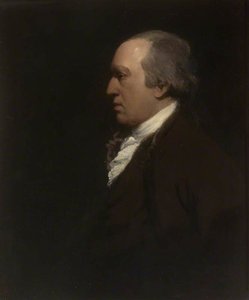
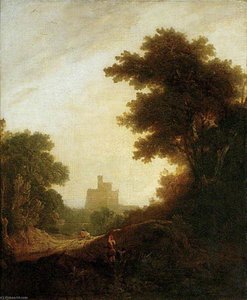
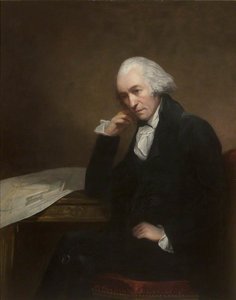
Edward Whitaker Gray (1748–1806)
 Oil On Canvas
- WallArt
- Romantic Landscape Painting
 1800
1800 75.0 x 63.0 cm
 The Royal Society
 Read More
Hand Made Oil Reproduction
Hand-painted oil on canvas in your size and frame, made to order by our artists. ( Buy Print Buy Image)




P118B $10

P118H $10

P118W $10

P438Z $10

P508JH $12

P508YH $12

P805H $10

P805Z $10

P919BZ $10

P919G $10

P919XJ $10

P959ZH $10

P968JZ $12

W106C $8

W218G $10

W218JH $8

W218Y $10

W307PJ $10

W316G $10

W316PJ $8

W316Y $10

W398PJ $8

W4111J $10

W500HY $15

W500JH $15

W692G $12

W849H $8

W940BG $15

W953PJ $8




Pick from our preset sizes that match the artwork's original proportions.

You may enter your own dimensions to fit a specific frame or space. If your selected size does not match the original image's proportions, we will either crop the artwork or extend the painting with additional hand-painted elements. A digital mockup will be sent for your approval before production begins.
Please note that the on-screen preview does not reflect the actual cropping or extension. Only the mockup will accurately show the final composition.
While custom sizes are available, we recommend selecting a dimension from the predefined list to preserve the original proportions.
After order, ArtsDot.com team will email client for instructions and provide a mockup preview
Worldwide Delivery () in 3/4 weeks instead of standard 5 weeks. (16 August). No compromise on quality.

Free Worldwide Express Shipping

High-Quality Linen Canvas

Full Shipping Insurance

Customs Tax Refund Guarantee

True Color Matching Guarantee

60-Day Return Policy (Defects Only)

100% Money-Back Guarantee

Bulk Discount Offer
 Glass option is only available in size under 110 CM

Edward Whitaker Gray (1748–1806)
Reproduction Medium
Reproduction Size
-


Total Price
$ 263
Artwork Description
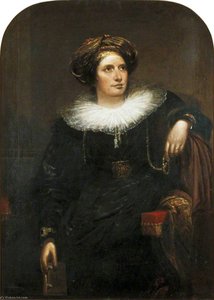
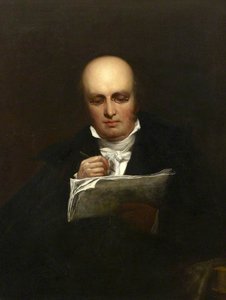
Edward Whitaker Gray (1748–1806): A Portrait of Dignified Observation
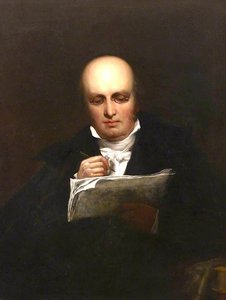
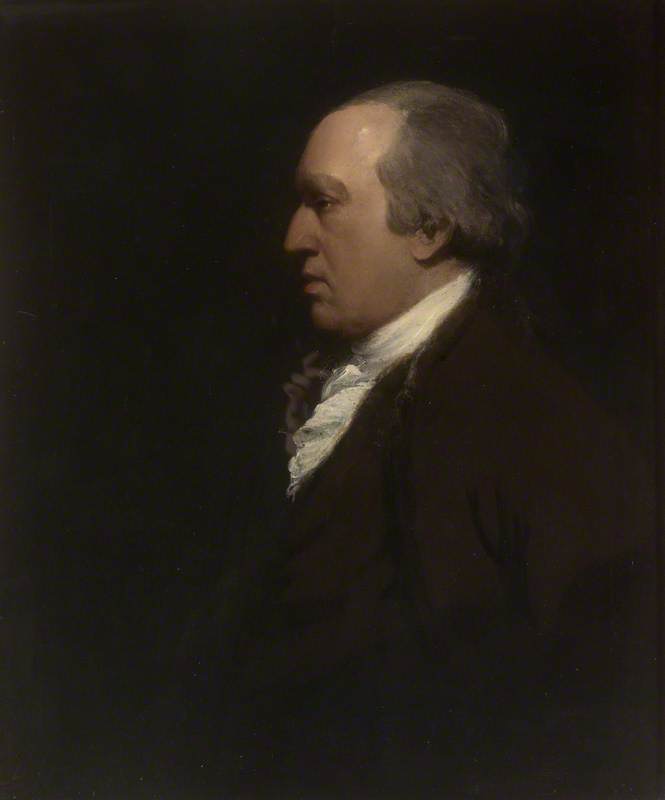
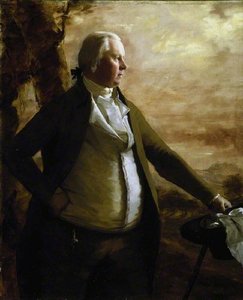
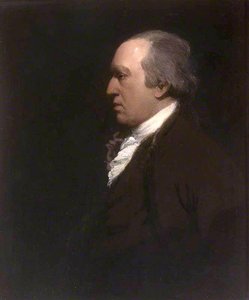
Edward Whitaker Gray (1748–1806) stands as a testament to the neoclassical aesthetic—a genre defined by its unwavering commitment to realism, clarity, and order. This striking portrait captures the essence of a man whose gaze holds both intellectual curiosity and quiet composure, reflecting the spirit of Enlightenment Britain. Commissioned likely during Gray’s tenure as secretary to the Royal Society, the artwork embodies the values of scientific inquiry and aristocratic refinement prevalent in his era.- Subject Matter: The portrait depicts Edward Whitaker Gray himself, a botanist renowned for his meticulous cataloguing of plant specimens and contributions to Linnaean taxonomy. His dignified posture conveys authority and intellectual prowess—a reflection of his prominent role within the scientific community.
- Style & Technique: Executed in monochrome, primarily graphite and charcoal, the piece exemplifies the precision characteristic of neoclassical drawing. Artists like Gray favored detailed hatching and cross-hatching to achieve tonal variations and convincingly render volume, creating a palpable sense of depth and texture. The artist’s masterful handling of light and shadow—known as chiaroscuro—further enhances the dramatic effect, emphasizing the contours of Gray's face and clothing.
- Composition: The portrait employs a three-quarter profile view, positioning Gray’s head and shoulders centrally within the frame. This deliberate compositional choice directs the viewer’s attention to his countenance, allowing for an intimate study of his expression and features. The dark background serves as a counterpoint to the illuminated subject, amplifying the impact of the light source—positioned from the left—which casts deep shadows on Gray's right side.
- Historical Context: Gray’s work aligns seamlessly with the broader intellectual currents of the late 18th century. The neoclassical style championed reason and observation as tools for understanding the natural world, mirroring Gray’s scientific pursuits. Furthermore, portraits like this served as symbols of social status and familial lineage—affirming the importance of aristocratic patronage in supporting artistic endeavors.
- Symbolic Elements: Gray's solemn expression speaks to a profound seriousness of purpose – an unwavering dedication to scientific exploration and intellectual contemplation. The attire—formal robes indicative of his position within the Royal Society—underscores his status as a respected scholar and statesman, embodying the ideals of Enlightenment thought.
Detailed Examination: Line Work & Texture Rendering
The artist’s meticulous attention to detail is evident in the intricate line work that defines Gray's facial features and clothing folds. Hatching and cross-hatching techniques skillfully convey tonal gradations, creating a convincing illusion of surface texture—particularly noticeable in the wig’s voluminous curls and the fabric of Gray’s jacket. The subtle variations in linework contribute to the overall sense of realism, immersing the viewer in the likeness of Gray himself. Graphite and charcoal were favored mediums for capturing nuanced shades of gray, allowing artists like Gray to achieve remarkable expressive power.Material Considerations: Charcoal & Paper
Based on visual analysis, it’s probable that Gray utilized graphite and charcoal—perhaps supplemented with black ink—on paper or canvas. Graphite offered exceptional control over tonal values, facilitating the creation of subtle gradations essential for achieving chiaroscuro effects. Charcoal provided a darker pigment capable of producing dramatic contrasts—a technique favored by neoclassical painters to heighten visual impact and convey emotional depth. The choice of paper—likely linen—would have ensured durability and stability, preserving the artwork’s integrity across generations.Overall Impression & Artistic Legacy
Ultimately, Gray's portrait transcends mere representation; it embodies the intellectual spirit of its time—a celebration of observation, reason, and dignified contemplation. Its enduring appeal lies in its masterful execution—the artist’s ability to capture not only Gray’s physical likeness but also his inner character—solidifying his place as a pivotal figure within neoclassical art history.Related Artworks
Artist Biography
early life and training
sir augustus wall callcott, a renowned english landscape painter, was born on february 20, 1779, in kensington gravel pits, a village on the western edge of london. his early life was marked by a passion for music, which led him to sing in the choir of westminster abbey for several years. later, he became a student of the royal academy, where he began his artistic career as a portrait painter under the tutelage of john hoppner.rise to prominence
callcott's preference for landscape painting soon became apparent, and after 1804, he exclusively exhibited landscapes. his skill, elegant design, and charming tone led to a steady rise in his reputation. in 1806, he was elected an associate of the royal academy, and in 1810, he became a full academician.notable works and exhibitions
some of callcott's most notable works include:- the entrance to the pool of london (1816)
- the mouth of the tyne (1818)
- a dead calm on the medway (1820)
- rochester (1824)
- raffaelle and the fornarina (1837) - a rare example of his figure paintings, which can be found in the south kensington museum (sheepshanks collection), now part of the v&a
legacy and later life
callcott received a knighthood in 1837 upon queen victoria's accession. he succeeded william seguier as surveyor of the queen's pictures in 1843. callcott passed away on november 25, 1844, and was buried in kensal green cemetery. view more works by sir augustus wall callcott on ArtsDot.com: explore more on wikipedia: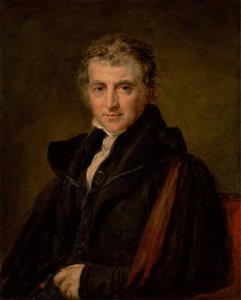
Sir Augustus Wall Callcott
1779 - 1844 , United Kingdom
Quick Facts
- Artistic Movement Or Style: Romantic Landscape Painting
- Artists Or Movements Influenced By This Artist: ['Turner']
- Artists Who Influenced This Artist: ['John Hoppner']
- Date Of Birth: February 20, 1779
- Date Of Death: November 25, 1844
- Full Name: Augustus Wall Callcott
- Nationality: British
- Notable Artworks:
- The Entrance to the Pool of London
- The Mouth of the Tyne
- A Dead Calm on the Medway
- Rochester
- Raffaelle and the Fornarina
- Place Of Birth: Kensington, United Kingdom
Related Articles
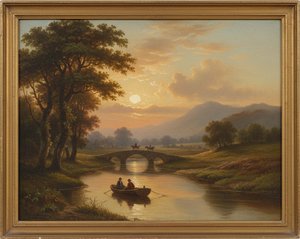
Sir Augustus Wall Callcott: A Life Painted with Light & Atmosphere
Explore the life & art of Sir Augustus Wall Callcott, a celebrated British landscape painter known for his serene scenes and elegant compositions. Discover his Romantic influences & lasting legacy at ArtsDot.

Beyond the Horizon: 10 Landscape Masterpieces for Your Home Decor
Journey through 10 breathtaking landscape paintings by Monet, Van Gogh & more! Explore iconic artworks, artistic techniques & find inspiration for your home decor. Museum-quality reproductions at ArtsDot.com. Discover all masterpieces on ArtsDot.com

John Constable's Masterpieces: Explore 25 Iconic Landscapes for Your Home
Journey through John Constable's 25 most celebrated landscapes. Explore Romanticism, Dedham Vale & his masterful use of light in iconic paintings like 'Hay Wain'. Find museum-quality art reproductions and elevate your home decor on ArtsDot.com.

Romantic Landscapes: 10 Masterpieces for Your Home | ArtsDot
Journey through 10 Romantic landscape masterpieces by Friedrich, Turner & Cole. Explore emotional art, sublime nature scenes & iconic 19th-century paintings. Find museum-quality reproductions for your home at ArtsDot.com – discover the full collection online!

Evocations of Place: A Historical Journey Through Landscape Art
Explore the rich history of landscape art with ArtsDot. Discover renowned artists, movements like Impressionism & Romanticism, and expert guidance for collecting timeless pieces. Find your perfect serene escape today!