 Preview
 Send
Send Share
Share
 Details

 Download
 Similars
 X-Ray
X-Ray Diaporama
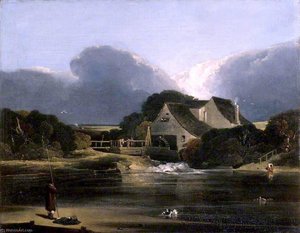
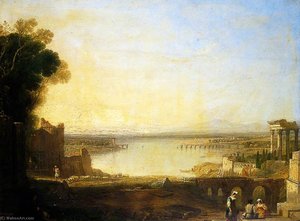
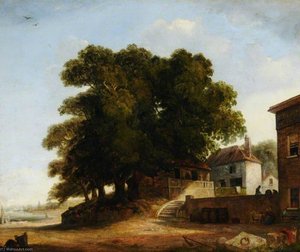
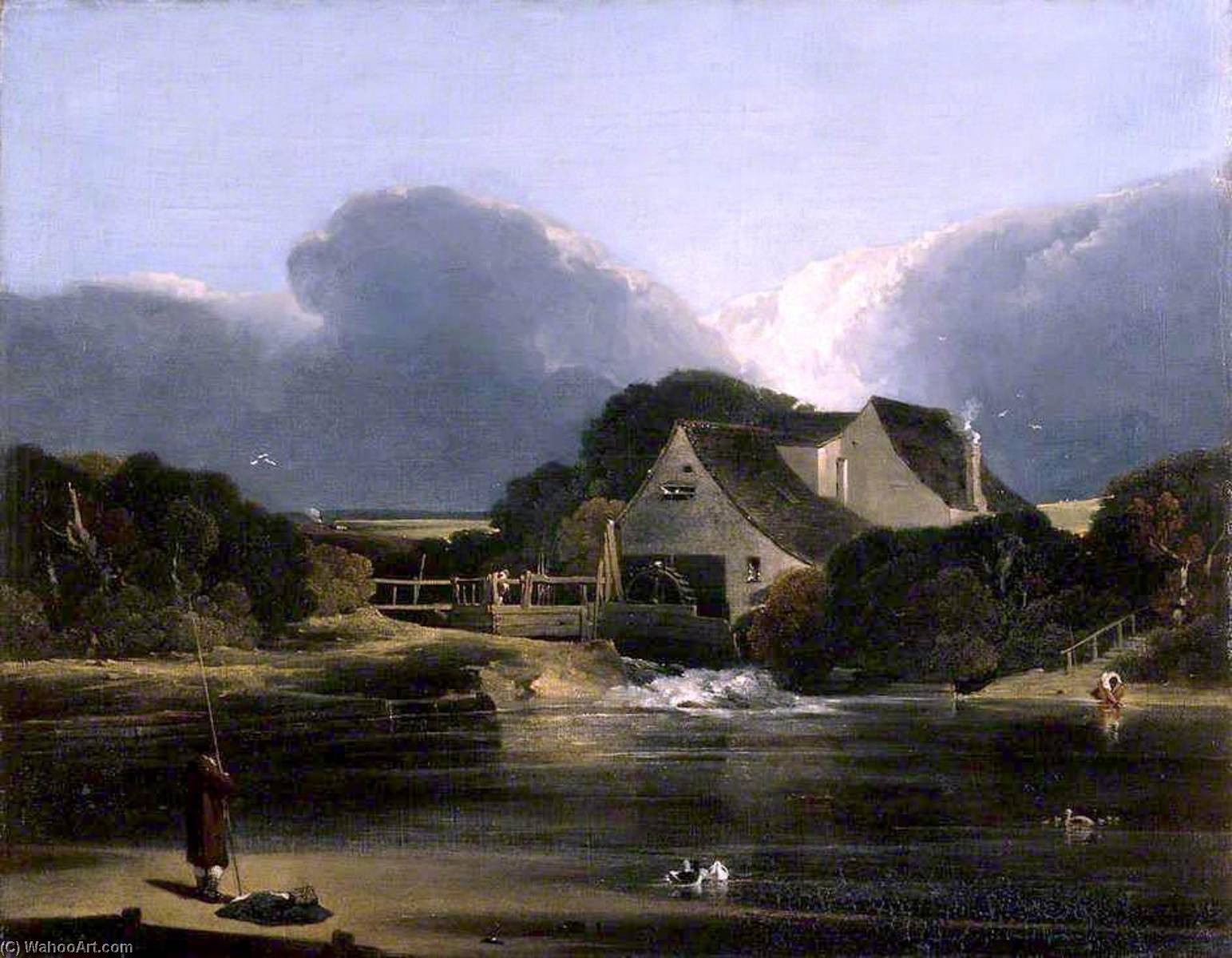
Landscape with Water Mill
 Acrylic On Canvas
- WallArt
- Romantic Landscape
 1803
1803 71.0 x 91.0 cm
 Manchester Art Gallery
 Read More
Hand Made Oil Reproduction
Hand-painted oil on canvas in your size and frame, made to order by our artists. ( Buy Print Buy Image)




P118B $10

P118H $10

P118W $10

P438Z $10

P508JH $12

P508YH $12

P805H $10

P805Z $10

P919BZ $10

P919G $10

P919XJ $10

P959ZH $10

P968JZ $12

W106C $8

W218G $10

W218JH $8

W218Y $10

W307PJ $10

W316G $10

W316PJ $8

W316Y $10

W398PJ $8

W4111J $10

W500HY $15

W500JH $15

W692G $12

W849H $8

W940BG $15

W953PJ $8




Pick from our preset sizes that match the artwork's original proportions.

You may enter your own dimensions to fit a specific frame or space. If your selected size does not match the original image's proportions, we will either crop the artwork or extend the painting with additional hand-painted elements. A digital mockup will be sent for your approval before production begins.
Please note that the on-screen preview does not reflect the actual cropping or extension. Only the mockup will accurately show the final composition.
While custom sizes are available, we recommend selecting a dimension from the predefined list to preserve the original proportions.
After order, ArtsDot.com team will email client for instructions and provide a mockup preview
Worldwide Delivery () in 3/4 weeks instead of standard 5 weeks. (17 August). No compromise on quality.

Free Worldwide Express Shipping

High-Quality Linen Canvas

Full Shipping Insurance

Customs Tax Refund Guarantee

True Color Matching Guarantee

60-Day Return Policy (Defects Only)

100% Money-Back Guarantee

Bulk Discount Offer
 Glass option is only available in size under 110 CM

Landscape with Water Mill
Reproduction Medium
Reproduction Size
-


Total Price
$ 263
Artwork Description
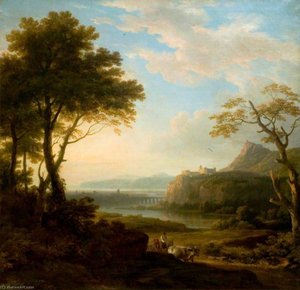
A Serene Vision of Rural England: Augustus Wall Callcott’s ‘Landscape with Water Mill’
Augustus Wall Callcott's “Landscape with Water Mill,” painted in 1803, is more than just a picturesque depiction of the English countryside; it’s a carefully constructed evocation of Romantic ideals and a subtle meditation on humanity’s relationship to nature. Housed within the esteemed Manchester Art Gallery, this work offers a glimpse into a world where tranquility reigns supreme, yet hints at an underlying drama – a quiet storm brewing in the sky mirroring perhaps the complexities of human experience.
The scene unfolds with remarkable clarity and detail. A modest water mill, constructed from weathered stone and topped with a charming thatched roof, dominates the foreground. Its wooden wheel, perpetually turning, represents not just mechanical industry but also the relentless passage of time. The river flowing alongside is rendered with a delicate touch, reflecting the overcast sky above – a subtle indication of an impending change. The artist’s brushwork is loose and expressive, capturing the movement of water and foliage with a captivating sense of dynamism. Notice how Callcott utilizes varying shades of green to create depth and texture within the surrounding trees, suggesting a dense, vibrant woodland.
Romanticism and the Sublime
“Landscape with Water Mill” firmly resides within the Romantic tradition, a movement that prioritized emotion, imagination, and the beauty of nature over strict academic rules. Callcott’s work embodies this shift by emphasizing atmosphere and feeling rather than precise representation. The dramatic clouds in the sky are not merely decorative; they contribute to the painting's overall sense of drama and the sublime – that awe-inspiring experience when confronted with something vast and powerful, like a storm or a grand landscape.
The inclusion of figures—a solitary man standing by the riverbank and another seated in contemplation—adds an element of human scale to the scene. These individuals are not imposing rulers but rather humble observers, inviting us to share their moment of quiet reflection amidst the grandeur of nature. They serve as a reminder of our own smallness within the vastness of the world.
Technical Details and Artistic Influence
Callcott’s technique is characterized by his masterful use of light and shadow. He skillfully employs atmospheric perspective, creating a sense of distance by subtly diminishing the colors and details of objects in the background. The muted palette—dominated by earthy tones—contributes to the painting's overall mood of serenity and contemplation. It’s evident that Callcott was influenced by artists like Thomas Gainsborough and John Constable, both masters of capturing the beauty of the English countryside with a sensitive eye for detail and an appreciation for light.
The signature “A.W. Callcott” in the lower right corner confirms the artist's identity and adds to the painting’s historical significance. The image itself, likely reproduced from an original source, further emphasizes its status as a treasured work of art.
Symbolism and Emotional Resonance
Beyond its aesthetic qualities, “Landscape with Water Mill” carries symbolic weight. The water mill represents both progress and tradition – the harnessing of natural power for human benefit. The river symbolizes life’s flow, while the solitary figures suggest themes of introspection and connection to nature. The impending storm hints at uncertainty and change, reminding us that even in moments of tranquility, disruption is always possible.
Ultimately, this painting invites viewers to pause, reflect, and appreciate the simple beauty of the natural world. It’s a testament to Callcott's skill as an artist and his ability to capture not just a landscape but also the emotions it evokes – a serene vision of rural England that continues to resonate with audiences today.
Related Artworks

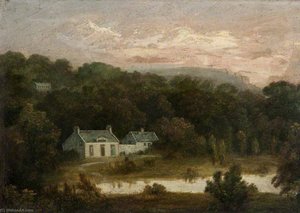
Artist Biography
early life and training
sir augustus wall callcott, a renowned english landscape painter, was born on february 20, 1779, in kensington gravel pits, a village on the western edge of london. his early life was marked by a passion for music, which led him to sing in the choir of westminster abbey for several years. later, he became a student of the royal academy, where he began his artistic career as a portrait painter under the tutelage of john hoppner.rise to prominence
callcott's preference for landscape painting soon became apparent, and after 1804, he exclusively exhibited landscapes. his skill, elegant design, and charming tone led to a steady rise in his reputation. in 1806, he was elected an associate of the royal academy, and in 1810, he became a full academician.notable works and exhibitions
some of callcott's most notable works include:- the entrance to the pool of london (1816)
- the mouth of the tyne (1818)
- a dead calm on the medway (1820)
- rochester (1824)
- raffaelle and the fornarina (1837) - a rare example of his figure paintings, which can be found in the south kensington museum (sheepshanks collection), now part of the v&a
legacy and later life
callcott received a knighthood in 1837 upon queen victoria's accession. he succeeded william seguier as surveyor of the queen's pictures in 1843. callcott passed away on november 25, 1844, and was buried in kensal green cemetery. view more works by sir augustus wall callcott on ArtsDot.com: explore more on wikipedia: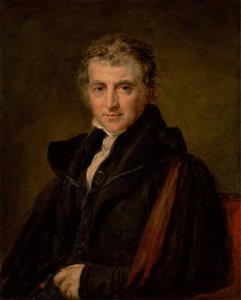
Sir Augustus Wall Callcott
1779 - 1844 , United Kingdom
Quick Facts
- Artistic Movement Or Style: Romantic Landscape Painting
- Artists Or Movements Influenced By This Artist: ['Turner']
- Artists Who Influenced This Artist: ['John Hoppner']
- Date Of Birth: February 20, 1779
- Date Of Death: November 25, 1844
- Full Name: Augustus Wall Callcott
- Nationality: British
- Notable Artworks:
- The Entrance to the Pool of London
- The Mouth of the Tyne
- A Dead Calm on the Medway
- Rochester
- Raffaelle and the Fornarina
- Place Of Birth: Kensington, United Kingdom
Related Articles

Romantic Landscapes: 10 Masterpieces for Your Home | ArtsDot
Journey through 10 Romantic landscape masterpieces by Friedrich, Turner & Cole. Explore emotional art, sublime nature scenes & iconic 19th-century paintings. Find museum-quality reproductions for your home at ArtsDot.com – discover the full collection online!
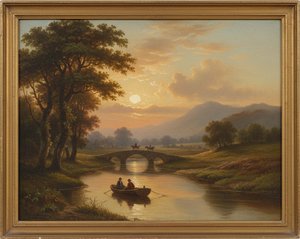
Sir Augustus Wall Callcott: A Life Painted with Light & Atmosphere
Explore the life & art of Sir Augustus Wall Callcott, a celebrated British landscape painter known for his serene scenes and elegant compositions. Discover his Romantic influences & lasting legacy at ArtsDot.

Beyond the Horizon: 10 Landscape Masterpieces for Your Home Decor
Journey through 10 breathtaking landscape paintings by Monet, Van Gogh & more! Explore iconic artworks, artistic techniques & find inspiration for your home decor. Museum-quality reproductions at ArtsDot.com. Discover all masterpieces on ArtsDot.com

John Constable's Masterpieces: Explore 25 Iconic Landscapes for Your Home
Journey through John Constable's 25 most celebrated landscapes. Explore Romanticism, Dedham Vale & his masterful use of light in iconic paintings like 'Hay Wain'. Find museum-quality art reproductions and elevate your home decor on ArtsDot.com.
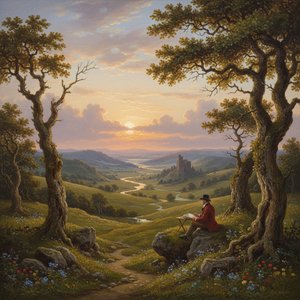
John Varley I: Intimate Observation & the British Romantic Landscape
Explore the serene landscapes of John Varley I, a key figure in British Romanticism. Discover his unique watercolour style, collaboration with William Blake & lasting artistic legacy. Learn about collecting Varley's work.