 Preview
 Send
Send Share
Share
 Details

 Download
 Similars
 X-Ray
X-Ray Diaporama
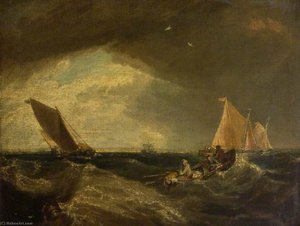
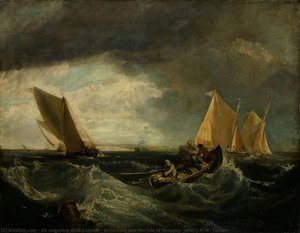
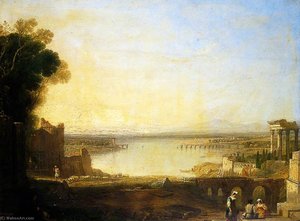
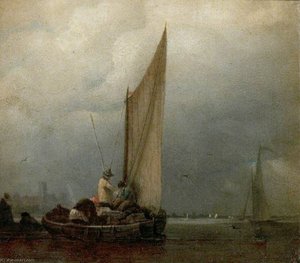
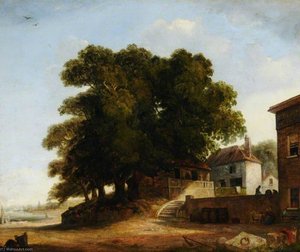
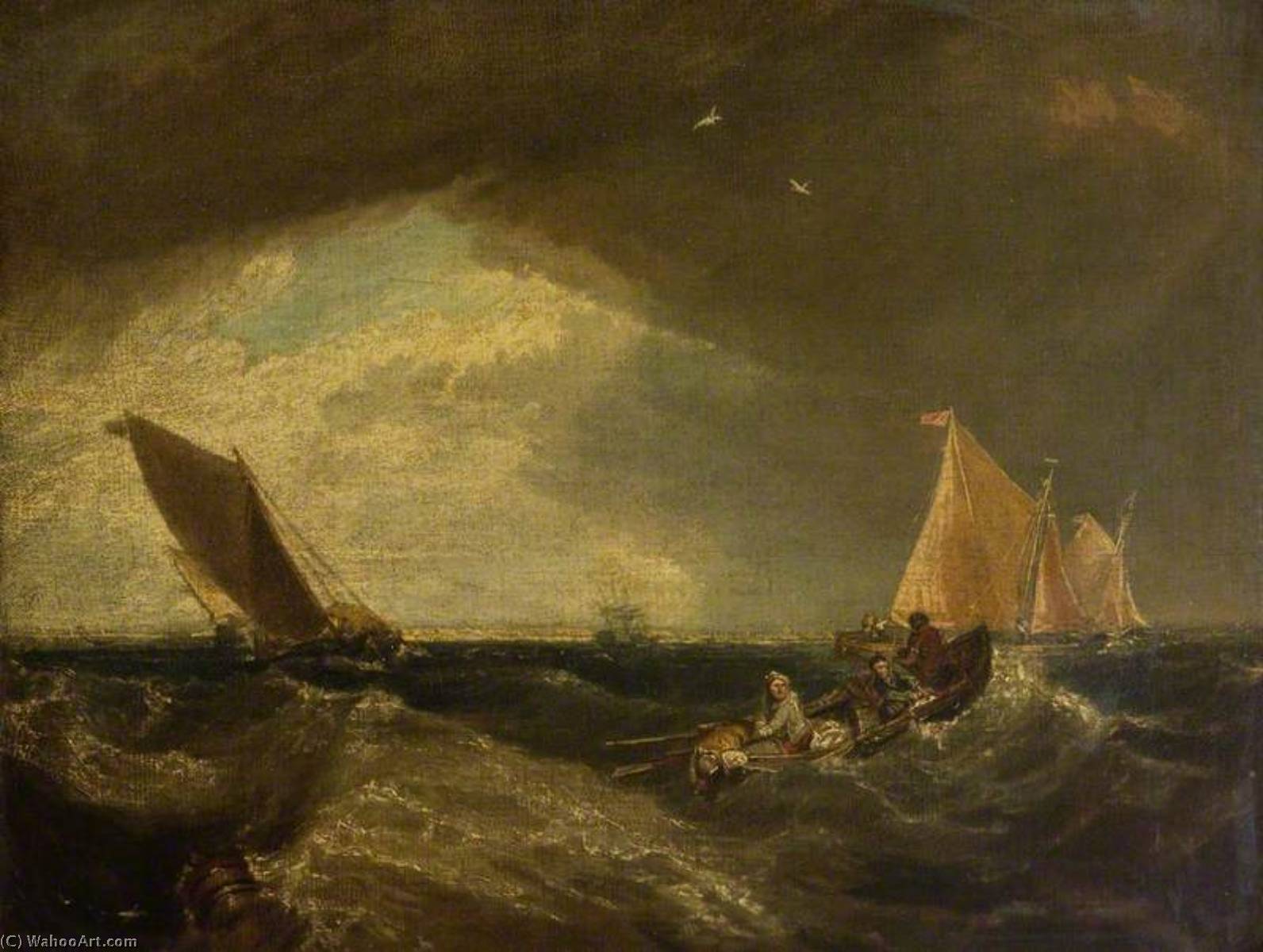
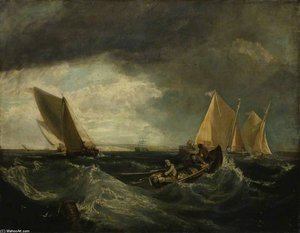
The Junction of the Thames and the Medway
 Acrylic On Canvas
- WallArt
- Romantic Landscape
 19th Century
 36.0 x 46.0 cm
 The Ashmolean Museum of Art And Archaeology
 Read More
Hand Made Oil Reproduction
Hand-painted oil on canvas in your size and frame, made to order by our artists. ( Buy Print Buy Image)




P118B $10

P118H $10

P118W $10

P438Z $10

P508JH $12

P508YH $12

P805H $10

P805Z $10

P919BZ $10

P919G $10

P919XJ $10

P959ZH $10

P968JZ $12

W106C $8

W218G $10

W218JH $8

W218Y $10

W307PJ $10

W316G $10

W316PJ $8

W316Y $10

W398PJ $8

W4111J $10

W500HY $15

W500JH $15

W692G $12

W849H $8

W940BG $15

W953PJ $8




Pick from our preset sizes that match the artwork's original proportions.

You may enter your own dimensions to fit a specific frame or space. If your selected size does not match the original image's proportions, we will either crop the artwork or extend the painting with additional hand-painted elements. A digital mockup will be sent for your approval before production begins.
Please note that the on-screen preview does not reflect the actual cropping or extension. Only the mockup will accurately show the final composition.
While custom sizes are available, we recommend selecting a dimension from the predefined list to preserve the original proportions.
After order, ArtsDot.com team will email client for instructions and provide a mockup preview
Worldwide Delivery () in 3/4 weeks instead of standard 5 weeks. (16 August). No compromise on quality.

Free Worldwide Express Shipping

High-Quality Linen Canvas

Full Shipping Insurance

Customs Tax Refund Guarantee

True Color Matching Guarantee

60-Day Return Policy (Defects Only)

100% Money-Back Guarantee

Bulk Discount Offer
 Glass option is only available in size under 110 CM

The Junction of the Thames and the Medway
Reproduction Medium
Reproduction Size
-


Total Price
$ 263
Artwork Description
A Symphony of Thames Waters: Callcott’s “The Junction of the Thames and the Medway”
Augustus Wall Callcott's "The Junction of the Thames and the Medway," painted around 1807, isn’t merely a depiction of a riverbank; it’s a carefully constructed tableau brimming with the spirit of early 19th-century England. This captivating landscape transcends simple representation, offering a glimpse into a world where commerce, leisure, and the natural beauty of the Thames estuary converged. The scene unfolds along the Hoo Peninsula, a sliver of land separating the mighty Thames from the Medway River, a strategic waterway vital for naval transport and trade. Callcott masterfully captures this pivotal meeting point, imbuing it with a sense of serene activity and understated elegance.
The painting’s style leans heavily into the Neoclassical tradition, popular at the time, yet infused with a distinctly English sensibility. Notice how Callcott employs a soft, diffused light—a hallmark of his technique—to create an atmosphere of hazy tranquility. The brushstrokes are delicate and precise, particularly evident in the rendering of the boats and the subtle reflections on the water’s surface. He avoids dramatic contrasts, favoring instead a harmonious blend of colors that evokes a feeling of warmth and contentment. This approach was influenced by the Dutch Masters, whose use of light and color Callcott deeply admired.
A Portrait of an Era: Historical Context
To fully appreciate “The Junction,” one must understand its historical context. The early 1800s were a period of significant change in England – the Napoleonic Wars had recently concluded, leaving a nation eager to rebuild and re-establish trade routes. The Thames and Medway Canal was conceived precisely to facilitate this process, offering a quicker alternative to the lengthy journey around the peninsula. Callcott’s painting, therefore, isn't just a pretty picture; it subtly reflects this strategic importance. The presence of several sailing vessels—a mix of barges and smaller craft—suggests the bustling activity of commerce along these vital waterways. The figure standing near the center, likely a gentleman enjoying the view, embodies the leisurely pursuits available to those connected to the river’s prosperity.
Symbolism Woven into the Scene
Beyond its straightforward depiction, “The Junction” is rich in symbolic meaning. The Thames and Medway rivers themselves represent connection – the link between London and Kent, England and Europe. The boats symbolize trade and progress, while the figure on the shore embodies human interaction with nature and the fruits of commerce. The composition—with the river flowing towards the viewer—creates a sense of invitation, drawing us into this idyllic scene. The careful placement of elements – the boats, the figure, the distant shoreline – all contribute to a carefully orchestrated narrative.
Capturing Light and Emotion: Callcott’s Technique
Callcott's skill lies not just in his ability to accurately depict a landscape but also in his capacity to evoke an emotional response. He achieves this through masterful use of light, color, and composition. The muted palette—dominated by blues, greens, and browns—creates a sense of calm and serenity. The subtle variations in tone suggest the play of sunlight on the water’s surface, adding depth and realism to the scene. Notice how he uses atmospheric perspective – objects further away appear paler and less distinct – to create a believable sense of distance. This technique, combined with his delicate brushwork, results in an image that is both visually stunning and emotionally resonant.
Bringing “The Junction” Home: A High-Quality Reproduction
Reproducing this exquisite painting requires meticulous attention to detail, mirroring Callcott’s original approach. Each hand-painted reproduction faithfully recreates the artwork's details and atmosphere, allowing you to bring the beauty of British landscape painting into your home or office. The careful selection of materials ensures that the colors remain true to the original, while the high level of craftsmanship guarantees a piece that will last for generations. “The Junction of the Thames and the Medway” is more than just a print; it’s a window into a bygone era—a testament to Callcott's artistry and a celebration of England’s rich maritime heritage.
Related Artworks
Artist Biography
early life and training
sir augustus wall callcott, a renowned english landscape painter, was born on february 20, 1779, in kensington gravel pits, a village on the western edge of london. his early life was marked by a passion for music, which led him to sing in the choir of westminster abbey for several years. later, he became a student of the royal academy, where he began his artistic career as a portrait painter under the tutelage of john hoppner.rise to prominence
callcott's preference for landscape painting soon became apparent, and after 1804, he exclusively exhibited landscapes. his skill, elegant design, and charming tone led to a steady rise in his reputation. in 1806, he was elected an associate of the royal academy, and in 1810, he became a full academician.notable works and exhibitions
some of callcott's most notable works include:- the entrance to the pool of london (1816)
- the mouth of the tyne (1818)
- a dead calm on the medway (1820)
- rochester (1824)
- raffaelle and the fornarina (1837) - a rare example of his figure paintings, which can be found in the south kensington museum (sheepshanks collection), now part of the v&a
legacy and later life
callcott received a knighthood in 1837 upon queen victoria's accession. he succeeded william seguier as surveyor of the queen's pictures in 1843. callcott passed away on november 25, 1844, and was buried in kensal green cemetery. view more works by sir augustus wall callcott on ArtsDot.com: explore more on wikipedia:
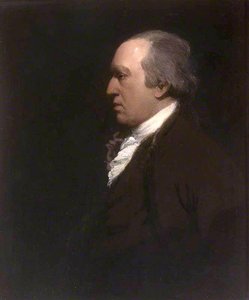
Sir Augustus Wall Callcott
1779 - 1844 , United Kingdom
Quick Facts
- Artistic Movement Or Style: Romantic Landscape Painting
- Artists Or Movements Influenced By This Artist: ['Turner']
- Artists Who Influenced This Artist: ['John Hoppner']
- Date Of Birth: February 20, 1779
- Date Of Death: November 25, 1844
- Full Name: Augustus Wall Callcott
- Nationality: British
- Notable Artworks:
- The Entrance to the Pool of London
- The Mouth of the Tyne
- A Dead Calm on the Medway
- Rochester
- Raffaelle and the Fornarina
- Place Of Birth: Kensington, United Kingdom
Related Articles

Beyond the Horizon: 10 Landscape Masterpieces for Your Home Decor
Journey through 10 breathtaking landscape paintings by Monet, Van Gogh & more! Explore iconic artworks, artistic techniques & find inspiration for your home decor. Museum-quality reproductions at ArtsDot.com. Discover all masterpieces on ArtsDot.com

John Constable's Masterpieces: Explore 25 Iconic Landscapes for Your Home
Journey through John Constable's 25 most celebrated landscapes. Explore Romanticism, Dedham Vale & his masterful use of light in iconic paintings like 'Hay Wain'. Find museum-quality art reproductions and elevate your home decor on ArtsDot.com.
Sir Augustus Wall Callcott: A Life Painted with Light & Atmosphere
Explore the life & art of Sir Augustus Wall Callcott, a celebrated British landscape painter known for his serene scenes and elegant compositions. Discover his Romantic influences & lasting legacy at ArtsDot.

Romantic Landscapes: 10 Masterpieces for Your Home | ArtsDot
Journey through 10 Romantic landscape masterpieces by Friedrich, Turner & Cole. Explore emotional art, sublime nature scenes & iconic 19th-century paintings. Find museum-quality reproductions for your home at ArtsDot.com – discover the full collection online!

Evocations of Place: A Historical Journey Through Landscape Art
Explore the rich history of landscape art with ArtsDot. Discover renowned artists, movements like Impressionism & Romanticism, and expert guidance for collecting timeless pieces. Find your perfect serene escape today!