 Preview
 Send
Send Share
Share
 Details

 Download
 Similars
 X-Ray
X-Ray Diaporama
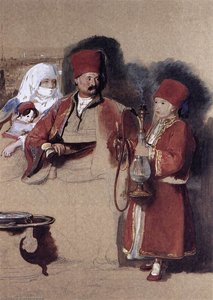
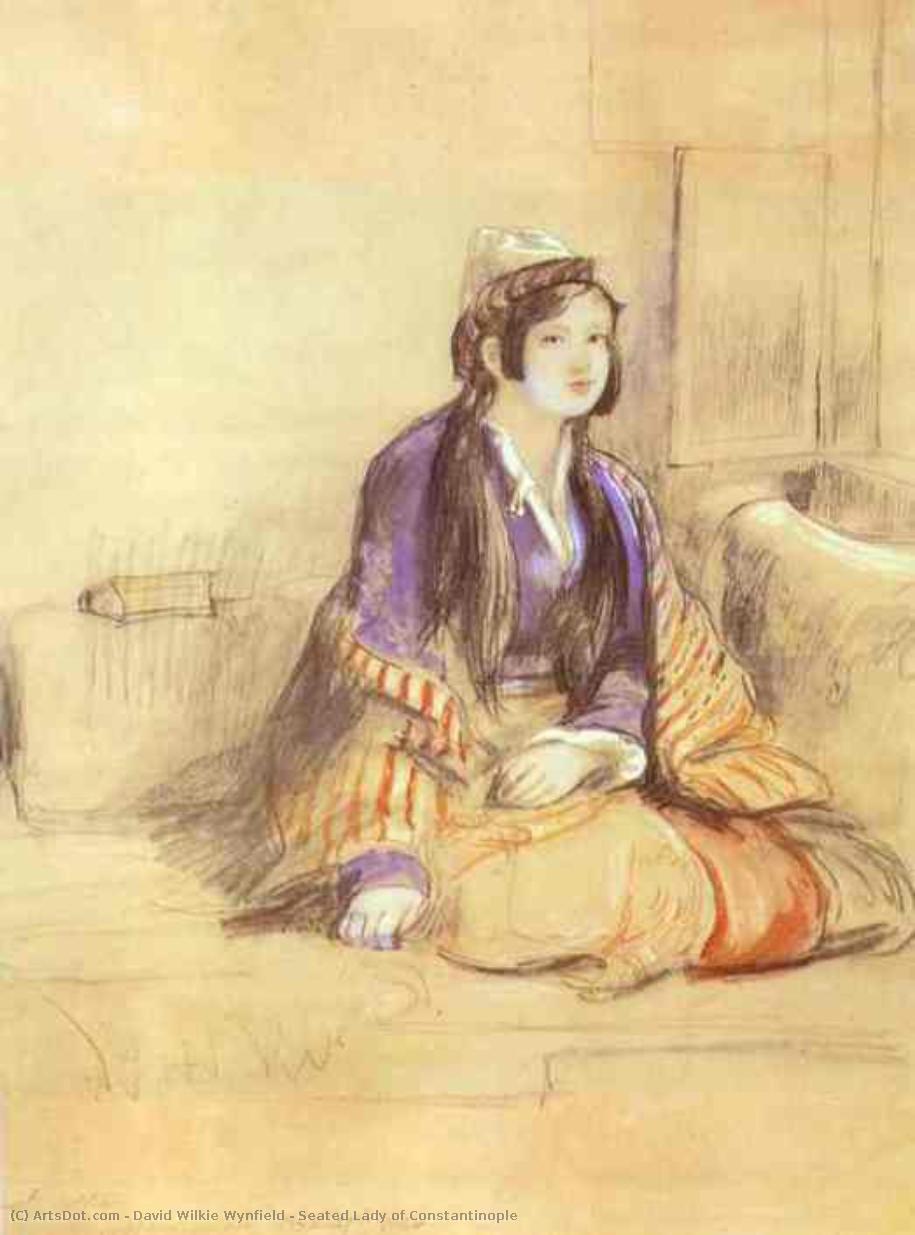
Seated Lady of Constantinople


 Read More
Hand Made Oil Reproduction
Hand-painted oil on canvas in your size and frame, made to order by our artists. ( Buy Print Buy Image)




P118B $10

P118H $10

P118W $10

P438Z $10

P508JH $12

P508YH $12

P805H $10

P805Z $10

P919BZ $10

P919G $10

P919XJ $10

P959ZH $10

P968JZ $12

W106C $8

W218G $10

W218JH $8

W218Y $10

W307PJ $10

W316G $10

W316PJ $8

W316Y $10

W398PJ $8

W4111J $10

W500HY $15

W500JH $15

W692G $12

W849H $8

W940BG $15

W953PJ $8




Pick from our preset sizes that match the artwork's original proportions.

You may enter your own dimensions to fit a specific frame or space. If your selected size does not match the original image's proportions, we will either crop the artwork or extend the painting with additional hand-painted elements. A digital mockup will be sent for your approval before production begins.
Please note that the on-screen preview does not reflect the actual cropping or extension. Only the mockup will accurately show the final composition.
While custom sizes are available, we recommend selecting a dimension from the predefined list to preserve the original proportions.
After order, ArtsDot.com team will email client for instructions and provide a mockup preview
Worldwide Delivery () in 3/4 weeks instead of standard 5 weeks. (16 August). No compromise on quality.

Free Worldwide Express Shipping

High-Quality Linen Canvas

Full Shipping Insurance

Customs Tax Refund Guarantee

True Color Matching Guarantee

60-Day Return Policy (Defects Only)

100% Money-Back Guarantee

Bulk Discount Offer
 Glass option is only available in size under 110 CM

Seated Lady of Constantinople
Reproduction Medium
Reproduction Size
-


Total Price
$ 263
Artwork Description
The Enigmatic Figure: An Exploration of Wilkie’s ‘Seated Lady of Constantinople’
Sir David Wilkie's “Seated Lady of Constantinople,” painted in 1840, is more than a mere portrait; it’s a carefully constructed tableau brimming with Victorian sensibilities and a subtle exploration of Eastern allure. The painting immediately draws the eye to its central figure – a woman seated on cushions within what appears to be an opulent interior, likely a drawing-room or salon. Her posture exudes quiet dignity, yet there's also a hint of melancholy in her gaze, suggesting a story untold and a world observed from a distance. Wilkie masterfully employs the chalk technique, characteristic of his style, to achieve a remarkable level of detail and texture – the folds of her dress shimmer with subtle light, while the intricate patterns woven into its fabric are rendered with painstaking precision. The muted palette—dominated by creams, browns, and hints of gold—evokes a sense of timelessness and understated luxury, typical of Victorian interiors.
The historical context is crucial to understanding the painting’s significance. Wilkie undertook this commission during his time in London, following his extensive travels through the Middle East, particularly Constantinople (modern-day Istanbul). This journey profoundly impacted his artistic vision, leading him to incorporate elements of Orientalism into his work – a fascination with the exotic and the unfamiliar that was both celebrated and critiqued within Victorian society. The ‘Seated Lady’ isn't simply a depiction of an Eastern woman; it’s a carefully staged encounter with a distant culture, filtered through the lens of British perception.
Technique and Composition: A Masterclass in Detail
Wilkie’s technical skill is immediately apparent. He demonstrates an extraordinary command of chalk, layering thin washes to create depth and luminosity. Notice how he uses subtle gradations of tone to define the form of the woman's face – the delicate curve of her cheekbone, the slight furrow in her brow, all rendered with remarkable sensitivity. The background, though relatively simple, is far from devoid of detail; Wilkie meticulously depicts the furniture—a low table laden with objects, a richly upholstered chair—creating a believable and immersive setting. The composition itself is carefully balanced, drawing the eye to the central figure while subtly incorporating secondary elements that contribute to the overall narrative. The two figures in the periphery – a man and a woman engaged in separate activities – add layers of intrigue and suggest a scene unfolding beyond the immediate focus.
Furthermore, Wilkie’s use of light is particularly noteworthy. It's diffused and atmospheric, casting soft shadows that enhance the sense of intimacy and mystery. The lighting doesn’t simply illuminate the subject; it shapes her form, emphasizing certain features while obscuring others, contributing to the overall mood of contemplative serenity.
Symbolism and Victorian Sentiment
Beyond its technical brilliance, “Seated Lady of Constantinople” is rich in symbolic meaning. The woman’s pose—seated with a slight turn of her head—suggests introspection and a degree of detachment. She appears to be observing the world around her, perhaps reflecting on her own experiences or contemplating an unseen future. The objects on the table – a book, a small vase, a piece of jewelry – hint at her status and interests. The presence of the other figures adds another layer of complexity, suggesting themes of domesticity, social interaction, and the subtle tensions within Victorian family life. It’s a scene that speaks to the anxieties and aspirations of a rapidly changing society.
The painting embodies the prevailing Victorian fascination with exoticism and the romantic idealization of the East. However, it also subtly critiques this fascination, presenting an image of a woman who is both alluring and enigmatic, suggesting that true understanding requires more than mere superficial observation. Wilkie’s work invites us to consider the complexities of cultural exchange and the ways in which our perceptions are shaped by our own social and historical context.
A Timeless Portrait: Reproduction and Appreciation
Reproductions of “Seated Lady of Constantinople” offer a remarkable opportunity to experience Wilkie’s artistry firsthand. ArtsDot's faithful reproductions capture the painting’s delicate details, vibrant colors, and evocative atmosphere with exceptional accuracy. Whether displayed in a formal salon or a more casual setting, this captivating portrait will undoubtedly serve as a focal point, sparking conversation and inviting contemplation. Consider framing it within a classic style to complement its Victorian aesthetic, or opt for a contemporary frame to create a striking juxtaposition of old and new.
Related Artworks
Artist Biography
Sir David Wilkie (1785–1841): The People’s Painter and Romantic Visionary
David Wilkie, born November 18, 1785, in Scotland, stands as a pivotal figure in nineteenth-century British art—a painter celebrated not only for his technical prowess but also for capturing the spirit of everyday life with remarkable empathy. He died June 1, 1841, leaving behind an impressive oeuvre that continues to inspire admiration and scholarly study. Wilkie’s artistic journey began amidst the burgeoning Romantic movement, shaping his distinctive style and thematic concerns.Early Life and Artistic Training
Wilkie's formative years were spent in Edinburgh, where he received a rigorous artistic education under John Ramsay, honing his skills in drawing and painting landscapes and portraits. This foundational training instilled in him a meticulous attention to detail and a profound understanding of tonal gradation—characteristics that would become hallmarks of his mature work. His talent quickly garnered recognition, propelling him towards London’s art scene where he established himself as a respected artist and teacher.Genre Painting: Capturing the Essence of Life
Wilkie distinguished himself primarily through genre painting – scenes depicting ordinary life with an uncommon degree of realism and psychological insight. Unlike many artists of his time who favored grand historical narratives, Wilkie focused on capturing the nuances of human experience—the expressions of emotion, the interactions between individuals, and the subtle details that conveyed atmosphere and character. His masterpiece, “The Chelsea Pensioners Reading the Waterloo Dispatch,” exemplifies this approach perfectly; it’s not merely a depiction of a historical event but an immersive portrayal of the men themselves, conveying their anxieties, hopes, and camaraderie with breathtaking accuracy. This painting is now housed in apsley house.Historical Commissions and Artistic Style
Wilkie's reputation soared when he was appointed Principal Painter in Ordinary to King William IV and Queen Victoria—a prestigious position that secured him commissions for monumental historical paintings and portraits of royalty. He embraced the challenge with characteristic dedication, producing canvases imbued with grandeur and infused with Romantic idealism. His style evolved over time, incorporating influences from Caravaggio and Rembrandt, yet retaining a distinctly Scottish sensibility characterized by luminous color palettes and masterful brushwork. The artist’s niece, sophia wilkie, later mrs james winfield, was an important supporter of his artistic endeavors.Notable Works and Legacy
Wilkie's artistic legacy extends beyond individual paintings; he profoundly impacted the development of British art. His meticulous observation of nature—evident in landscapes like “The Shepherdess Returning from Watering”—established him as a pioneer of topographical painting. Furthermore, his portraits, including those of Queen Victoria and Prince Albert, are considered among the finest of their era, capturing not only physical likeness but also psychological depth. Explore ‘A Bookcase’ by Sir David Wilkie – a stunning neoclassical painting of impeccable detail & masterful technique. Admire its historical significance & timeless beauty. Malcolm Simmons (1946-2014) was a British speedway legend who uniquely transitioned to painting. Explore his art—a testament to adrenaline & creativity—alongside works by Velazquez & Wilkie on ArtsDot. Discover a legacy beyond the track! Charles Shreiff, a deaf Scottish miniaturist renowned for his exquisite portrait miniatures & landscapes. Explore his legacy at ArtsDot!. Sir Alexander Keith is also an important artist of his time. The Fleming Collection: UK’s premier Scottish art collection! Discover 600+ works, from Raeburn to the Colourists & Glasgow Boys, through tours and loans. A ‘museum-without-walls’.Conclusion
David Wilkie's enduring influence on British painting stems from his unwavering commitment to realism combined with Romantic emotion—a synthesis that resulted in images of profound beauty and psychological resonance. His work continues to resonate with audiences today, cementing his place as “the people’s painter” and a true visionary of his time.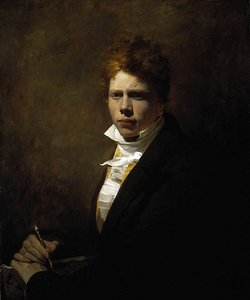
sir david wilkie
1785 - 1841 , Scotland
Quick Facts
- Artistic Movement Or Style: Genre painting
- Artists Or Movements Influenced By This Artist: ['British Art']
- Artists Who Influenced This Artist: ['Romanticism']
- Date Of Birth: November 18, 1785
- Date Of Death: June 1, 1841
- Full Name: David Wilkie
- Nationality: Scottish
- Notable Artworks:
- The Chelsea Pensioners Reading the Waterloo Dispatch
- A Bookcase
- Place Of Birth: Scotland
Related Articles
David Teniers the Younger: Genre Painting & Social Commentary in Baroque Flanders
Explore the captivating world of David Teniers the Younger, a leading Flemish Baroque painter. Discover his genre scenes, social commentary, and lasting influence on 17th-century art. Learn about his life, techniques & legacy.
John Frederick Lewis: Orientalism, Detail & Genre Painting in 19th-Century British Art
Explore the captivating Orientalist paintings of John Frederick Lewis! Discover his mastery of detail, genre scenes & influence on 19th-century British art. Learn about his life, techniques & legacy at ArtsDot.
William Powell Frith: Narratives of Victorian Society & the Rise of Realist Painting
Explore the life & works of William Powell Frith, the 'greatest British painter of social scenes.' Discover his iconic Victorian genre paintings and learn about his lasting impact on realist art. Hand-painted reproductions available.
Beyond Reproduction: Hand-Painted Portraits – A Legacy Crafted Through Art
Transform cherished photos into stunning, hand-painted portraits with ArtsDot. Expert artists recreate your vision in museum-quality oil paintings – a timeless legacy for generations. Commission yours today!

Sir Hubert von Herkomer: A Life Painted with Realism, Ambition & Victorian Art
Explore the life & art of Sir Hubert von Herkomer, a pivotal Victorian realist painter. Discover his powerful portraits, social commentary & pioneering film work. Learn about his legacy and find high-quality reproductions at ArtsDot.