 Preview
 Send
Send Share
Share
 Details

 Download
 Similars
 X-Ray
X-Ray Diaporama
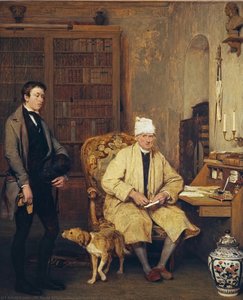
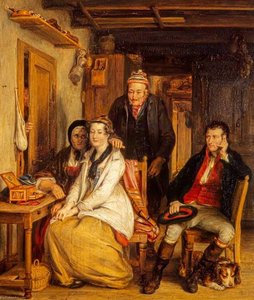
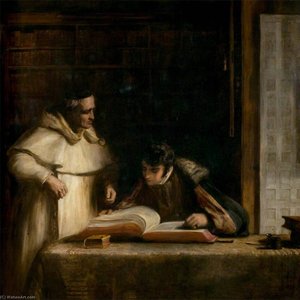
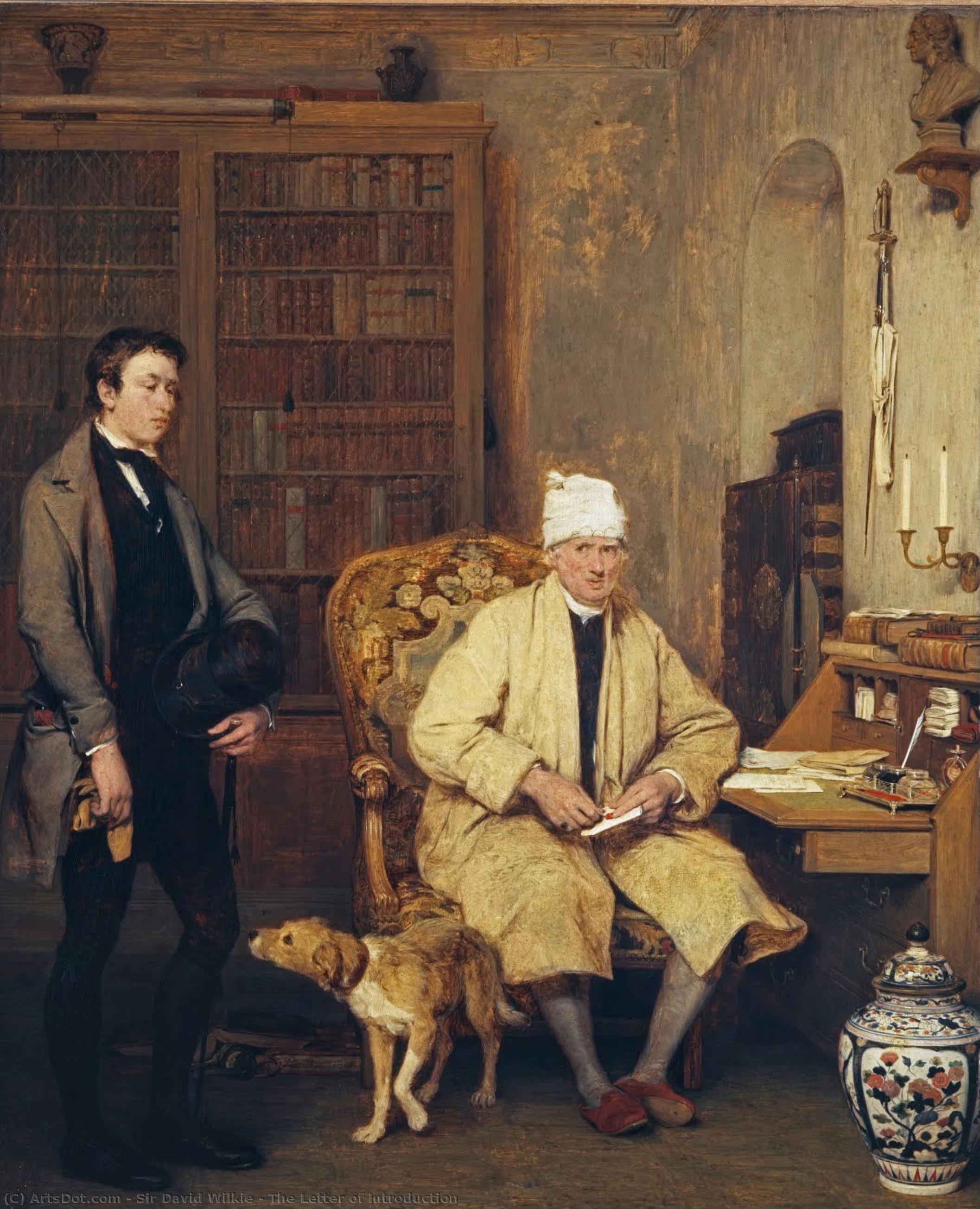
The Letter of Introduction


 Read More
Hand Made Oil Reproduction
Hand-painted oil on canvas in your size and frame, made to order by our artists. ( Buy Print Buy Image)




P118B $10

P118H $10

P118W $10

P438Z $10

P508JH $12

P508YH $12

P805H $10

P805Z $10

P919BZ $10

P919G $10

P919XJ $10

P959ZH $10

P968JZ $12

W106C $8

W218G $10

W218JH $8

W218Y $10

W307PJ $10

W316G $10

W316PJ $8

W316Y $10

W398PJ $8

W4111J $10

W500HY $15

W500JH $15

W692G $12

W849H $8

W940BG $15

W953PJ $8




Pick from our preset sizes that match the artwork's original proportions.

You may enter your own dimensions to fit a specific frame or space. If your selected size does not match the original image's proportions, we will either crop the artwork or extend the painting with additional hand-painted elements. A digital mockup will be sent for your approval before production begins.
Please note that the on-screen preview does not reflect the actual cropping or extension. Only the mockup will accurately show the final composition.
While custom sizes are available, we recommend selecting a dimension from the predefined list to preserve the original proportions.
After order, ArtsDot.com team will email client for instructions and provide a mockup preview
Worldwide Delivery () in 3/4 weeks instead of standard 5 weeks. (17 August). No compromise on quality.

Free Worldwide Express Shipping

High-Quality Linen Canvas

Full Shipping Insurance

Customs Tax Refund Guarantee

True Color Matching Guarantee

60-Day Return Policy (Defects Only)

100% Money-Back Guarantee

Bulk Discount Offer
 Glass option is only available in size under 110 CM

The Letter of Introduction
Reproduction Medium
Reproduction Size
-


Total Price
$ 288
Artwork Description
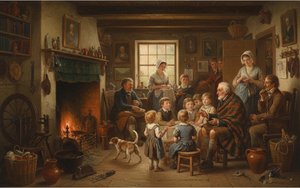
The Letter of Introduction - A Window Into Victorian Domesticity
David Wilkie’s “The Letter of Introduction,” completed in 1813, stands as a quintessential example of Romantic genre painting—a movement that championed the portrayal of everyday life with profound empathy and psychological insight. More than just a depiction of a scene, it's an encapsulation of Victorian values concerning family, social etiquette, and intellectual pursuits.
Painted in oil on panel, Wilkie’s meticulous attention to detail is immediately apparent. The composition centers around two figures: a young man standing formally dressed, accompanied by an older gentleman seated at a desk laden with books—a tableau reflecting the aspirations of the educated upper classes during the Regency era. A dog rests peacefully at their feet, symbolizing loyalty and companionship – elements characteristic of Romantic art’s fascination with animal subjects.
The stylistic hallmarks of Wilkie's work are evident in his use of linear perspective to create depth within the interior space. Geometric shapes dominate—rectangular bookshelves and square windows—contrasting subtly with the rounded forms of objects like a teapot, contributing to a balanced visual harmony. Brushstrokes convey textures convincingly: fabric folds in clothing, wood grain on the bookshelf, and plaster surfaces on the walls.
Lighting plays a crucial role in establishing mood; it emanates from an unseen source, casting soft shadows that sculpt form and volume, enhancing the scene’s atmosphere of quiet contemplation. The muted earth tones—browns, ochres, creams—reflect the prevailing aesthetic sensibilities of the time and evoke a sense of warmth and understated elegance.
Detailed Analysis: Technique and Composition
Wilkie's technique is characterized by painstaking brushwork and an unwavering commitment to realism. He skillfully employs tonal gradation to render light and shadow with remarkable accuracy, capturing nuances that would elevate any artwork. The artist’s mastery of chiaroscuro—the dramatic interplay between light and dark—creates a palpable sense of presence within the depicted space.
The compositional arrangement is carefully considered. Placing the figures centrally reinforces their importance as subjects of observation, while the bookshelf serves as a visual anchor, grounding the scene and directing the viewer’s gaze. The subtle positioning of the dog adds to the overall balance and contributes to the painting's narrative quality.
Symbolism Beyond Appearance
Beyond its formal depiction, “The Letter of Introduction” carries symbolic weight. The books represent knowledge, erudition, and intellectual engagement—values highly esteemed in Victorian society. They underscore the importance of education and cultural refinement as markers of social status.
Furthermore, the dog embodies loyalty and companionship – virtues considered essential for maintaining harmonious relationships within the family unit. These subtle symbolic gestures enrich the artwork’s meaning and invite viewers to contemplate deeper themes concerning human connection and moral responsibility.
Historical Context: Romanticism's Embrace of Domestic Life
“The Letter of Introduction” emerged during the Romantic period, a reaction against Enlightenment rationalism that prioritized emotion and imagination. Artists like Wilkie sought inspiration in everyday life—particularly domestic scenes—capturing fleeting moments of human interaction with sensitivity and psychological depth.
This fascination with the commonplace reflected a broader cultural shift toward valuing sincerity and emotional expression over intellectual abstraction. Wilkie’s painting exemplifies Romantic art's belief that beauty could be found not only in grand landscapes but also in the quiet intimacy of domestic interiors—a legacy that continues to resonate with audiences today.
Related Artworks
Artist Biography
Sir David Wilkie (1785–1841): The People’s Painter and Romantic Visionary
David Wilkie, born November 18, 1785, in Scotland, stands as a pivotal figure in nineteenth-century British art—a painter celebrated not only for his technical prowess but also for capturing the spirit of everyday life with remarkable empathy. He died June 1, 1841, leaving behind an impressive oeuvre that continues to inspire admiration and scholarly study. Wilkie’s artistic journey began amidst the burgeoning Romantic movement, shaping his distinctive style and thematic concerns.Early Life and Artistic Training
Wilkie's formative years were spent in Edinburgh, where he received a rigorous artistic education under John Ramsay, honing his skills in drawing and painting landscapes and portraits. This foundational training instilled in him a meticulous attention to detail and a profound understanding of tonal gradation—characteristics that would become hallmarks of his mature work. His talent quickly garnered recognition, propelling him towards London’s art scene where he established himself as a respected artist and teacher.Genre Painting: Capturing the Essence of Life
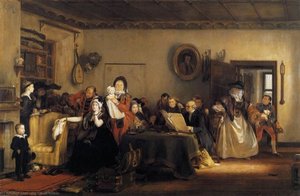
Wilkie distinguished himself primarily through genre painting – scenes depicting ordinary life with an uncommon degree of realism and psychological insight. Unlike many artists of his time who favored grand historical narratives, Wilkie focused on capturing the nuances of human experience—the expressions of emotion, the interactions between individuals, and the subtle details that conveyed atmosphere and character. His masterpiece, “The Chelsea Pensioners Reading the Waterloo Dispatch,” exemplifies this approach perfectly; it’s not merely a depiction of a historical event but an immersive portrayal of the men themselves, conveying their anxieties, hopes, and camaraderie with breathtaking accuracy. This painting is now housed in apsley house.Historical Commissions and Artistic Style
Wilkie's reputation soared when he was appointed Principal Painter in Ordinary to King William IV and Queen Victoria—a prestigious position that secured him commissions for monumental historical paintings and portraits of royalty. He embraced the challenge with characteristic dedication, producing canvases imbued with grandeur and infused with Romantic idealism. His style evolved over time, incorporating influences from Caravaggio and Rembrandt, yet retaining a distinctly Scottish sensibility characterized by luminous color palettes and masterful brushwork. The artist’s niece, sophia wilkie, later mrs james winfield, was an important supporter of his artistic endeavors.Notable Works and Legacy
Wilkie's artistic legacy extends beyond individual paintings; he profoundly impacted the development of British art. His meticulous observation of nature—evident in landscapes like “The Shepherdess Returning from Watering”—established him as a pioneer of topographical painting. Furthermore, his portraits, including those of Queen Victoria and Prince Albert, are considered among the finest of their era, capturing not only physical likeness but also psychological depth. Explore ‘A Bookcase’ by Sir David Wilkie – a stunning neoclassical painting of impeccable detail & masterful technique. Admire its historical significance & timeless beauty. Malcolm Simmons (1946-2014) was a British speedway legend who uniquely transitioned to painting. Explore his art—a testament to adrenaline & creativity—alongside works by Velazquez & Wilkie on ArtsDot. Discover a legacy beyond the track! Charles Shreiff, a deaf Scottish miniaturist renowned for his exquisite portrait miniatures & landscapes. Explore his legacy at ArtsDot!. Sir Alexander Keith is also an important artist of his time. The Fleming Collection: UK’s premier Scottish art collection! Discover 600+ works, from Raeburn to the Colourists & Glasgow Boys, through tours and loans. A ‘museum-without-walls’.Conclusion
David Wilkie's enduring influence on British painting stems from his unwavering commitment to realism combined with Romantic emotion—a synthesis that resulted in images of profound beauty and psychological resonance. His work continues to resonate with audiences today, cementing his place as “the people’s painter” and a true visionary of his time.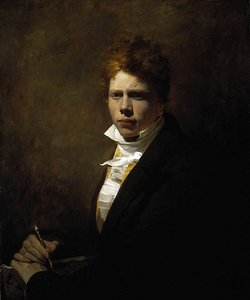
sir david wilkie
1785 - 1841 , Scotland
Quick Facts
- Artistic Movement Or Style: Genre painting
- Artists Or Movements Influenced By This Artist: ['British Art']
- Artists Who Influenced This Artist: ['Romanticism']
- Date Of Birth: November 18, 1785
- Date Of Death: June 1, 1841
- Full Name: David Wilkie
- Nationality: Scottish
- Notable Artworks:
- The Chelsea Pensioners Reading the Waterloo Dispatch
- A Bookcase
- Place Of Birth: Scotland
Related Articles
Sir David Wilkie: Narrative Detail & the Rise of Victorian Genre Painting
Explore the life & work of Sir David Wilkie, a pivotal figure in Victorian genre painting. Discover his narrative detail, social commentary, and lasting influence on 19th-century British art. Learn more at ArtsDot.
Academic Portraiture: Tradition, Technique & the Evolution of Representational Art
Explore the rich history & masterful techniques of academic portraiture. Discover iconic artists, learn about collecting, and commission a bespoke oil painting reproduction with ArtsDot.

The Enduring Legacy of Oil on Canvas: Technique, History & Aesthetic Impact
Explore the rich history & techniques of oil painting – from Renaissance masters to Impressionism. Discover pigments, layering methods, and why this timeless medium endures. Expert insights for artists & art enthusiasts.

Oil on Canvas: A Historical & Technical Exploration of a Timeless Artistic Medium
Explore the rich history & enduring techniques of oil painting on canvas. Discover the science behind its longevity, conservation practices, and contemporary relevance. Expert insights for art enthusiasts.

The Enduring Power of Painting: A Historical & Contemporary Exploration of Form and Emotion
Explore the rich history & enduring techniques of oil painting with ArtsDot. Discover masterpieces, learn about art collecting, and find authentic handmade reproductions crafted by skilled artists.