 Preview
 Send
Send Share
Share
 Details

 Download
 Similars
 X-Ray
X-Ray Diaporama
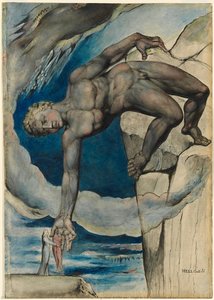
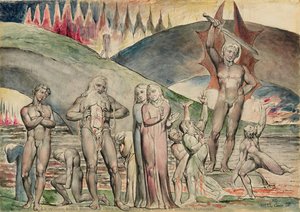
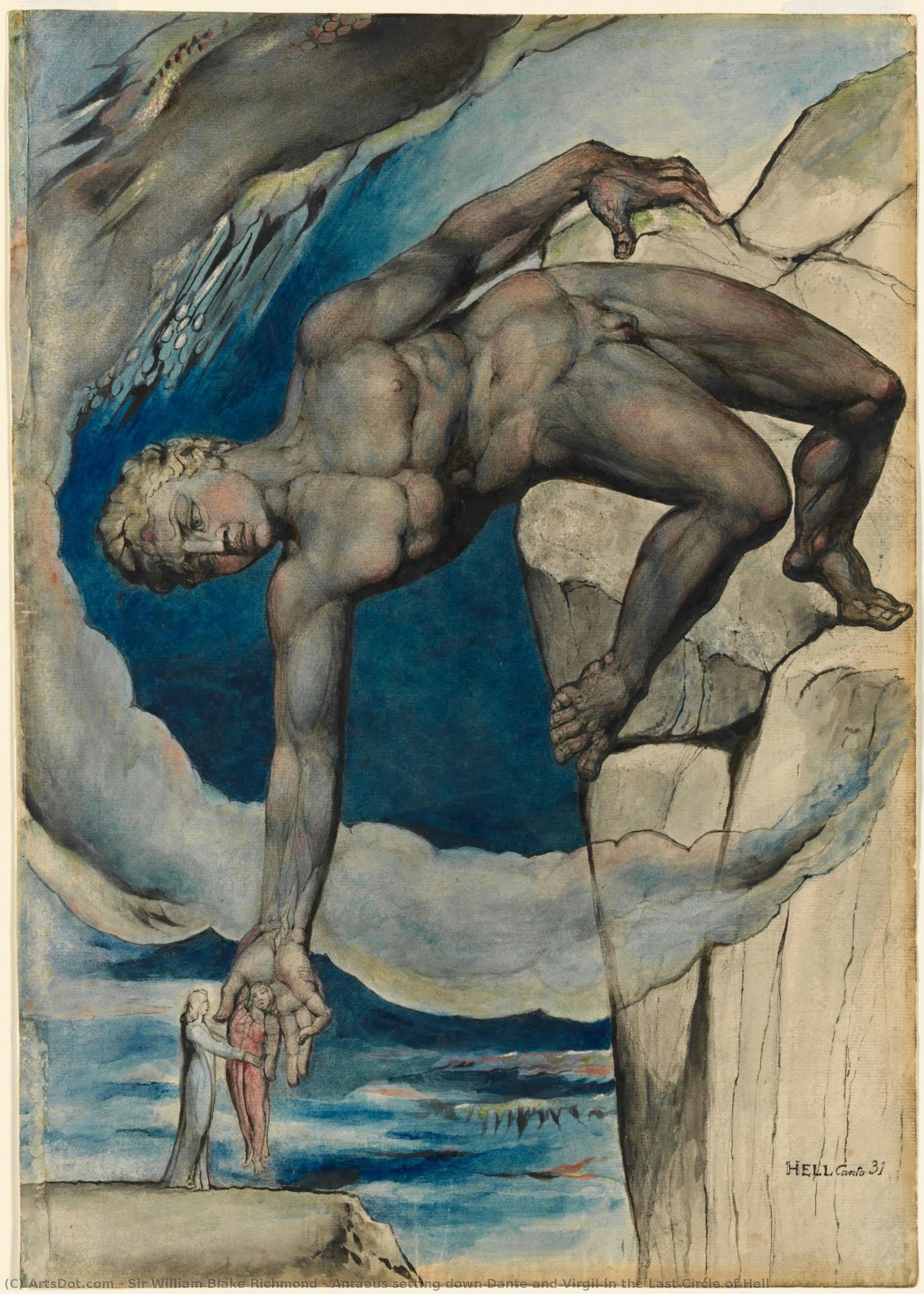
Antaeus setting down Dante and Virgil in the Last Circle of Hell
 Watercolor
- WallArt
- Romanticism
 1827
1827- Modern
 52.0 x 37.0 cm
 National Gallery of Victoria
 Read More
Hand Made Oil Reproduction
Hand-painted oil on canvas in your size and frame, made to order by our artists. ( Buy Print Buy Image)




P118B $10

P118H $10

P118W $10

P438Z $10

P508JH $12

P508YH $12

P805H $10

P805Z $10

P919BZ $10

P919G $10

P919XJ $10

P959ZH $10

P968JZ $12

W106C $8

W218G $10

W218JH $8

W218Y $10

W307PJ $10

W316G $10

W316PJ $8

W316Y $10

W398PJ $8

W4111J $10

W500HY $15

W500JH $15

W692G $12

W849H $8

W940BG $15

W953PJ $8




Pick from our preset sizes that match the artwork's original proportions.

You may enter your own dimensions to fit a specific frame or space. If your selected size does not match the original image's proportions, we will either crop the artwork or extend the painting with additional hand-painted elements. A digital mockup will be sent for your approval before production begins.
Please note that the on-screen preview does not reflect the actual cropping or extension. Only the mockup will accurately show the final composition.
While custom sizes are available, we recommend selecting a dimension from the predefined list to preserve the original proportions.
After order, ArtsDot.com team will email client for instructions and provide a mockup preview
Worldwide Delivery () in 3/4 weeks instead of standard 5 weeks. (17 August). No compromise on quality.

Free Worldwide Express Shipping

High-Quality Linen Canvas

Full Shipping Insurance

Customs Tax Refund Guarantee

True Color Matching Guarantee

60-Day Return Policy (Defects Only)

100% Money-Back Guarantee

Bulk Discount Offer
 Glass option is only available in size under 110 CM

Antaeus setting down Dante and Virgil in the Last Circle of Hell
Reproduction Medium
Reproduction Size
-


Total Price
$ 263
Artwork Description
The Weight of the Divine Comedy
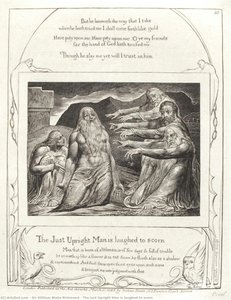
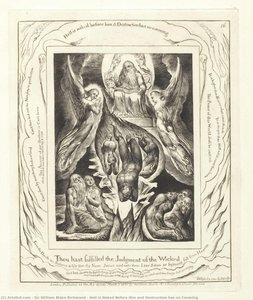
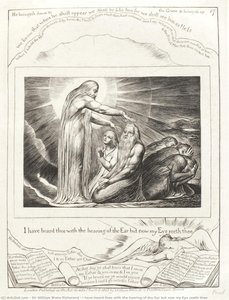
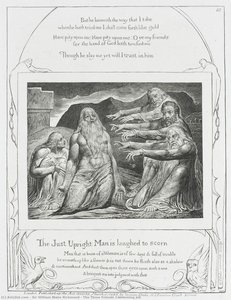
William Blake Richmond’s “Antaeus Setting Down Dante and Virgil in the Last Circle of Hell” isn't merely a depiction of Dante’s descent into the infernal depths; it’s an intensely personal and profoundly unsettling meditation on faith, interpretation, and the nature of good and evil. Painted in 1827, during a period of intense creative exploration for Blake, this work embodies his unique vision of Dante's epic poem, transforming its narrative into a complex allegory reflecting his own theological concerns. The painting pulsates with a dark energy, dominated by a brooding palette of deep browns, blacks, and ochres—colors that evoke the oppressive atmosphere of Hell itself. Yet, amidst this gloom, flashes of crimson and gold hint at a struggle between opposing forces, mirroring the central conflict within Dante’s journey.
A Collision of Visions
The composition itself is a masterful blend of classical and Romantic influences. At its heart stands Antaeus, the Titan who could only maintain his strength while grounded in the earth—a potent symbol of earthly connection and vulnerability. He’s depicted as a colossal figure, almost dwarfing Dante and Virgil, representing the primal forces that bind humanity to the material world. Dante and Virgil, rendered with a sense of weary determination, are actively attempting to lift Antaeus from the ground, symbolizing their struggle to drag humanity towards spiritual enlightenment. The scene is set within a cavernous space reminiscent of Blake’s own interpretations of Hell—a chaotic landscape littered with tormented souls and grotesque figures. Noticeably, Richmond incorporates elements from Blake's own illustrations for *Paradise Lost*, particularly the leaning tower of Bologna, which he uses as a visual metaphor for the corruption and decay that permeate Hell.
Symbolism and Theological Debate
Richmond’s painting is deeply rooted in Dante’s *Inferno* but also reflects Blake's own critical engagement with the poem. Blake famously questioned Dante’s portrayal of devils as inherently evil, arguing instead for a more nuanced understanding—seeing them as manifestations of human passions and desires. This interpretation is powerfully conveyed through the figures surrounding Antaeus: they are not simply demons, but rather embodiments of lust, greed, and violence. The bird perched above, a subtle detail often overlooked, may represent divine guidance or perhaps even the artist’s own critical eye observing this descent into darkness. The painting becomes a visual argument—a challenge to Dante's traditional interpretation and a testament to Blake’s belief in a more compassionate vision of salvation.
A Masterpiece of Romantic Intensity
Richmond’s technical skill is evident in the dramatic use of light and shadow, creating a palpable sense of depth and atmosphere. The brushstrokes are loose and expressive, conveying both the physical weight of Antaeus and the psychological turmoil of the scene. The painting's emotional impact is profound—it evokes feelings of dread, despair, but also a glimmer of hope amidst the darkness. “Antaeus Setting Down Dante and Virgil in the Last Circle of Hell” remains a powerful testament to William Blake Richmond’s artistic vision and his ability to transform a classic literary work into a deeply personal and enduring masterpiece. It's a piece that invites contemplation on themes of morality, faith, and the eternal struggle between good and evil—a truly remarkable achievement of Romantic art.
Related Artworks
Artist Biography
early life and influences
sir william blake richmond, a renowned english painter and portraitist, was born on march 28, 1809, in the united kingdom. his early life was marked by his association with the ancients, a group of followers of the visionary poet and artist william blake. this influence can be seen in richmond's early works, such as abel the shepherd and christ and the woman of samaria, exhibited at the royal academy in 1825.career highlights
as richmond matured, he established a successful career as a portrait painter, capturing the essence of british gentry, nobility, and royalty. his work is characterized by its attention to detail and the ability to convey the subject's personality. notable works include trees at bocca d'arno and the crown of peace, showcasing his mastery of romanticism.notable associations and travels
* in 1828, richmond traveled to paris to study art and anatomy, where he spent a winter in the schools and hospitals. * he met beau brummell at calais, exchanging snuff pinches, marking a significant encounter. * his association with lord sidmouth led to valuable counsel and a portrait of the lord, now in the national portrait gallery.legacy and later life
richmond's later life saw a shift towards more conventional portraits, yet his legacy as a pre-eminent portrait painter endures. he passed away on march 19, 1896, leaving behind a body of work that continues to inspire artists and art enthusiasts alike.- view sir william blake richmond's artworks on ArtsDot: https://ArtsDot.com/@/sir-william-blake-richmond
- explore the british council collection, featuring works by renowned artists like morris louis, william larkin, and alison watt: /en/art/show/art-d3ckkb-en/
- discover more about the ancients and their influence on richmond's work: https://en.wikipedia.org/wiki/the_ancients
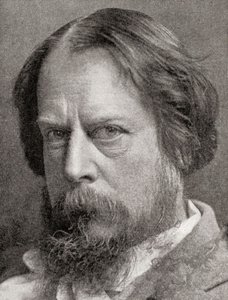
Sir William Blake Richmond
1809 - 1896 , United Kingdom
Quick Facts
- Artistic Movement Or Style: Romanticism
- Artists Or Movements Influenced By This Artist: ['Pre-Raphaelitism']
- Artists Who Influenced This Artist: ['William Blake']
- Date Of Birth: March 28, 1809
- Date Of Death: March 19, 1896
- Full Name: Sir William Blake Richmond
- Nationality: British
- Notable Artworks:
- Trees at Bocca d'Arno
- The Crown of Peace
- Place Of Birth: Brompton, United Kingdom
Related Articles
Dante Gabriel Rossetti's 25 Masterpieces: A Journey Through Victorian Art & Symbolism | ArtsDot
Explore 25 iconic artworks by Dante Gabriel Rossetti, a leading Pre-Raphaelite artist. Discover the stories behind masterpieces like 'Proserpine' & 'Beata Beatrix'. Find museum-quality art reproductions and elevate your home decor with ArtsDot.com.
Sir William Blake Richmond: A Visionary of Aestheticism & Symbolism
Explore the life & art of Sir William Blake Richmond, a pivotal figure bridging Pre-Raphaelitism and Aestheticism. Discover his stunning portraits, mosaics at St Paul's Cathedral, and lasting influence on Victorian art.

William Blake: Romantic Visionary & Mystical Genius of the Imagination
Explore the mystical art & poetic genius of William Blake (1757-1827). Discover his revolutionary illuminated printing, rich symbolism, and lasting influence on Romanticism. Find handmade reproductions at ArtsDot.
Penry Williams: Evoking Welsh Nostalgia Through Impressionistic Landscapes
Explore the captivating world of Penry Williams (1802-1885), a Welsh artist renowned for his evocative Impressionistic landscapes and scenes of Italy. Discover his life, style & legacy with ArtsDot.
Christopher Williams: Deconstructing Representation & Materiality in Contemporary Art
Explore the groundbreaking work of Christopher Williams, a pivotal figure in contemporary art. This analysis delves into his deconstruction of representation, materiality, and institutional critique – essential reading for serious collectors.