 Preview
 Send
Send Share
Share
 Details

 Download
 Similars
 X-Ray
X-Ray Diaporama
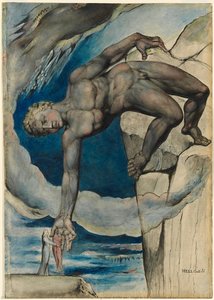
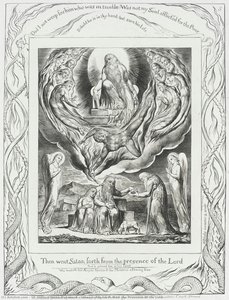
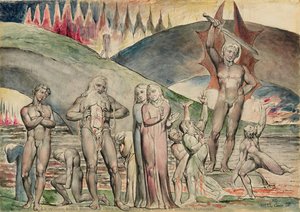
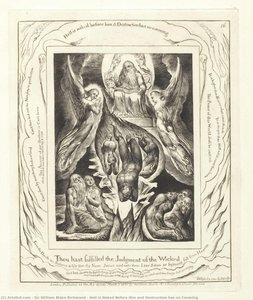
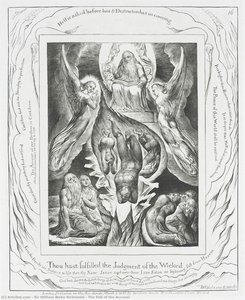
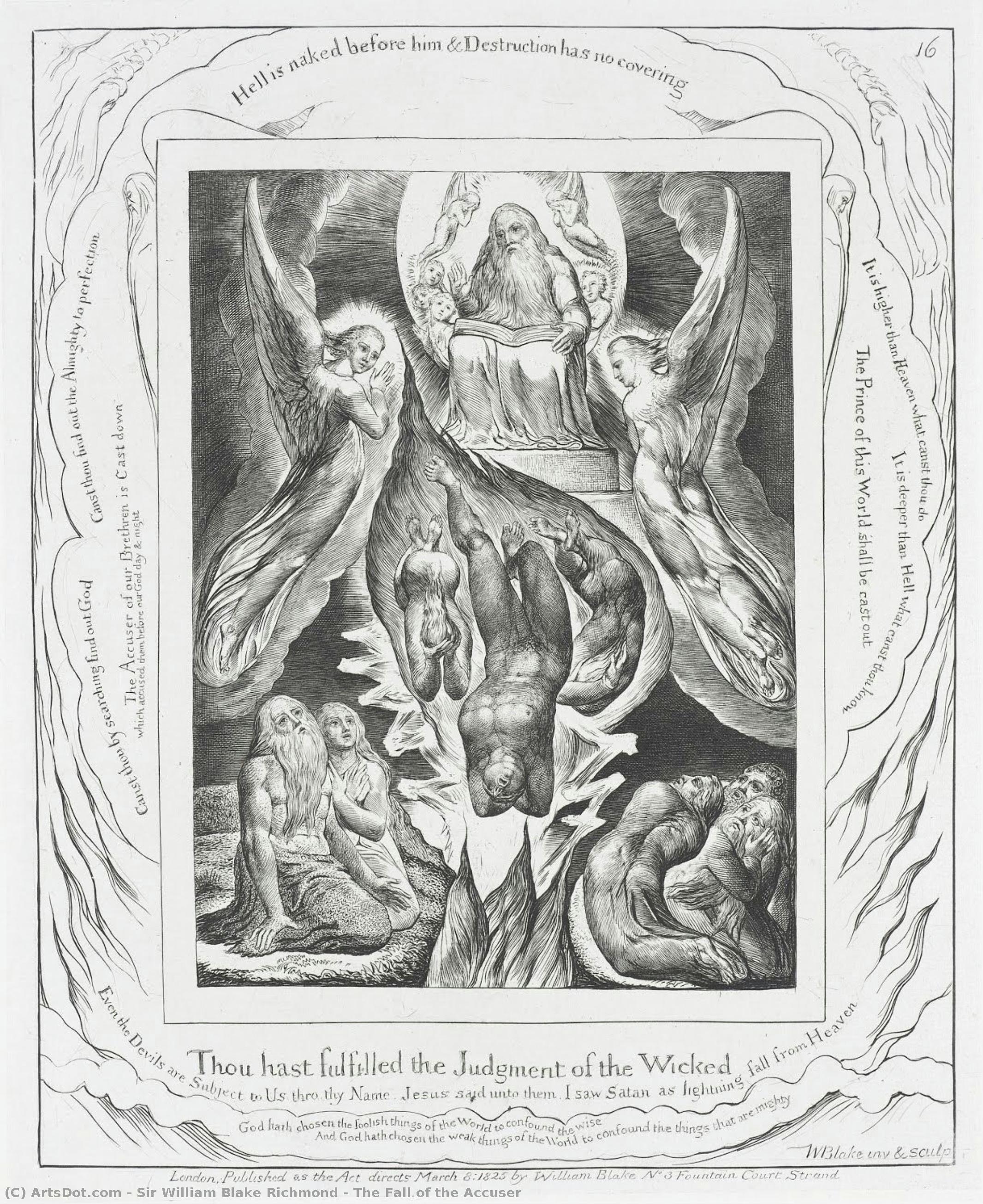
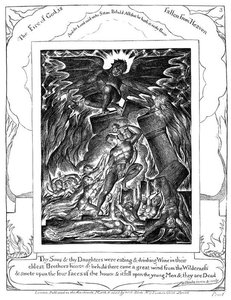
The Fall of the Accuser
 Acrylic On Canvas
- WallArt
- Romanticism
 1825
1825 19.0 x 14.0 cm
 Los Angeles County Museum of Art
 Read More
Hand Made Oil Reproduction
Hand-painted oil on canvas in your size and frame, made to order by our artists. ( Buy Print Buy Image)




P118B $10

P118H $10

P118W $10

P438Z $10

P508JH $12

P508YH $12

P805H $10

P805Z $10

P919BZ $10

P919G $10

P919XJ $10

P959ZH $10

P968JZ $12

W106C $8

W218G $10

W218JH $8

W218Y $10

W307PJ $10

W316G $10

W316PJ $8

W316Y $10

W398PJ $8

W4111J $10

W500HY $15

W500JH $15

W692G $12

W849H $8

W940BG $15

W953PJ $8




Pick from our preset sizes that match the artwork's original proportions.

You may enter your own dimensions to fit a specific frame or space. If your selected size does not match the original image's proportions, we will either crop the artwork or extend the painting with additional hand-painted elements. A digital mockup will be sent for your approval before production begins.
Please note that the on-screen preview does not reflect the actual cropping or extension. Only the mockup will accurately show the final composition.
While custom sizes are available, we recommend selecting a dimension from the predefined list to preserve the original proportions.
After order, ArtsDot.com team will email client for instructions and provide a mockup preview
Worldwide Delivery () in 3/4 weeks instead of standard 5 weeks. (17 August). No compromise on quality.

Free Worldwide Express Shipping

High-Quality Linen Canvas

Full Shipping Insurance

Customs Tax Refund Guarantee

True Color Matching Guarantee

60-Day Return Policy (Defects Only)

100% Money-Back Guarantee

Bulk Discount Offer
 Glass option is only available in size under 110 CM

The Fall of the Accuser
Reproduction Medium
Reproduction Size
-


Total Price
$ 388
Artwork Description
A Descent into Divine Judgment: Exploring Sir William Blake Richmond’s “The Fall of the Accuser”
Sir William Blake Richmond's 1825 engraving, "The Fall of the Accuser," isn’t merely a depiction of biblical narrative; it’s a visceral plunge into the heart of Romanticism’s anxieties and moral convictions. This monumental work, rendered in stark monochrome, captures a pivotal moment from the Book of Revelation – the dragging of Satan to Hell – with an intensity that transcends simple illustration, becoming instead a profound meditation on sin, justice, and the eternal struggle between good and evil. Richmond, deeply influenced by his mentor William Blake’s mystical vision, imbues this scene with a dramatic theatricality reminiscent of Caravaggio, yet firmly rooted in the burgeoning Romantic sensibility.
The composition immediately commands attention through its dynamic diagonal thrust. A swirling vortex of angels, rendered in elegant, flowing lines, dominates the upper register, their faces etched with righteous fury as they pull the monstrous Satan downwards. Below, the infernal landscape – a chaotic maelstrom of fire and shadow – seems to writhe with tormented energy. The central figure of Satan himself is not presented as a conventionally terrifying demon; rather, he’s depicted as a colossal, almost tragic figure, his face contorted in a silent scream of defiance and despair. Richmond masterfully utilizes hatching and cross-hatching techniques within the monochrome palette to create an astonishingly rich range of textures – from the smooth, burnished robes of the angels to the jagged, volatile surfaces of the flames and the rough, crumbling earth beneath Satan’s feet.
The Echoes of Blake and Romanticism
Richmond's debt to William Blake is undeniable. The engraving shares a similar preoccupation with moral allegory and symbolic representation as Blake’s own work. However, Richmond tempers Blake’s often-intense mysticism with a more restrained, classically informed style. The influence of the Baroque masters – particularly Caravaggio – is evident in the dramatic lighting, the theatrical staging, and the powerful emotional impact of the scene. The overall effect is less overtly visionary than Blake's work, yet equally compelling in its exploration of profound themes.
Furthermore, “The Fall of the Accuser” embodies key tenets of the Romantic movement: a fascination with emotion, an emphasis on individual experience, and a rejection of classical restraint. The engraving’s raw energy, its dramatic contrasts, and its focus on subjective feeling resonate deeply with the Romantic spirit. It reflects a growing sense of unease about the established order, a questioning of traditional values, and a heightened awareness of human suffering – all hallmarks of the era.
Symbolism and Interpretation
Beyond its narrative content, “The Fall of the Accuser” is laden with symbolic meaning. The angels represent divine justice and the unwavering pursuit of righteousness. Satan, despite his monstrous appearance, embodies a tragic figure—a fallen angel wrestling against his fate. The fiery landscape serves as a potent metaphor for damnation and eternal suffering. Even the act of dragging – both the angels’ forceful pull and Satan’s desperate resistance – speaks to the fundamental conflict between free will and divine decree.
Richmond's choice of monochrome further amplifies the engraving’s symbolic weight. The absence of color forces the viewer to focus on form, line, and texture, intensifying the emotional impact of the scene. It creates a sense of timelessness and universality, suggesting that this struggle between good and evil is an eternal one.
A Timeless Masterpiece: Reproduction and Beyond
Reproduced with meticulous detail by ArtsDot, “The Fall of the Accuser” retains its dramatic power and emotional resonance. This artwork offers a captivating glimpse into the heart of Romanticism—a period defined by intense emotion, profound moral questions, and an enduring fascination with the mysteries of human existence. Whether adorning a grand salon or a more intimate space, this engraving’s commanding presence and evocative imagery will undoubtedly spark conversation and inspire contemplation for generations to come.
Related Artworks
Artist Biography
early life and influences
sir william blake richmond, a renowned english painter and portraitist, was born on march 28, 1809, in the united kingdom. his early life was marked by his association with the ancients, a group of followers of the visionary poet and artist william blake. this influence can be seen in richmond's early works, such as abel the shepherd and christ and the woman of samaria, exhibited at the royal academy in 1825.career highlights
as richmond matured, he established a successful career as a portrait painter, capturing the essence of british gentry, nobility, and royalty. his work is characterized by its attention to detail and the ability to convey the subject's personality. notable works include trees at bocca d'arno and the crown of peace, showcasing his mastery of romanticism.notable associations and travels
* in 1828, richmond traveled to paris to study art and anatomy, where he spent a winter in the schools and hospitals. * he met beau brummell at calais, exchanging snuff pinches, marking a significant encounter. * his association with lord sidmouth led to valuable counsel and a portrait of the lord, now in the national portrait gallery.legacy and later life
richmond's later life saw a shift towards more conventional portraits, yet his legacy as a pre-eminent portrait painter endures. he passed away on march 19, 1896, leaving behind a body of work that continues to inspire artists and art enthusiasts alike.- view sir william blake richmond's artworks on ArtsDot: https://ArtsDot.com/@/sir-william-blake-richmond
- explore the british council collection, featuring works by renowned artists like morris louis, william larkin, and alison watt: /en/art/show/art-d3ckkb-en/
- discover more about the ancients and their influence on richmond's work: https://en.wikipedia.org/wiki/the_ancients
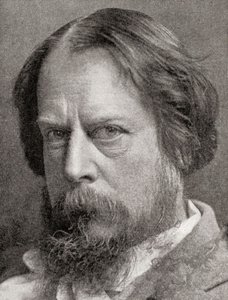
Sir William Blake Richmond
1809 - 1896 , United Kingdom
Quick Facts
- Artistic Movement Or Style: Romanticism
- Artists Or Movements Influenced By This Artist: ['Pre-Raphaelitism']
- Artists Who Influenced This Artist: ['William Blake']
- Date Of Birth: March 28, 1809
- Date Of Death: March 19, 1896
- Full Name: Sir William Blake Richmond
- Nationality: British
- Notable Artworks:
- Trees at Bocca d'Arno
- The Crown of Peace
- Place Of Birth: Brompton, United Kingdom
Related Articles
Engraving's Golden Age: 10 Masterpieces That Redefined Art | ArtsDot
Journey through art history with our Top 10 Legendary Engravings! Explore masterpieces by Dürer, Rembrandt & Goya. Discover the stories behind these iconic prints and find museum-quality reproductions for your home at ArtsDot.com.

William Blake: Romantic Visionary & Mystical Genius of the Imagination
Explore the mystical art & poetic genius of William Blake (1757-1827). Discover his revolutionary illuminated printing, rich symbolism, and lasting influence on Romanticism. Find handmade reproductions at ArtsDot.
Engraving: A Historical Survey of Technique, Artistic Expression & Enduring Legacy
Explore the rich history of engraving with ArtsDot. Discover techniques, iconic artists like Dürer & Callot, collecting tips, and expert guidance for preserving your art investment. Learn about intaglio printing & more!
Sir William Blake Richmond: A Visionary of Aestheticism & Symbolism
Explore the life & art of Sir William Blake Richmond, a pivotal figure bridging Pre-Raphaelitism and Aestheticism. Discover his stunning portraits, mosaics at St Paul's Cathedral, and lasting influence on Victorian art.
The Intricate World of Engraving: A Historical Survey of Technique, Artistic Expression & Enduring Legacy
Explore the rich history of engraving with ArtsDot. Discover techniques, iconic artists like Dürer & Callot, collecting tips, and expert guidance for preserving your art investment. Learn about intaglio printing & more!