 Preview
 Send
Send Share
Share
 Details

 Download
 Similars
 X-Ray
X-Ray Diaporama
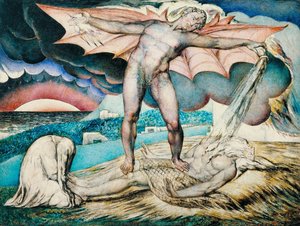
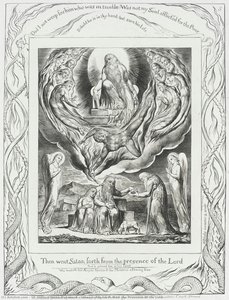
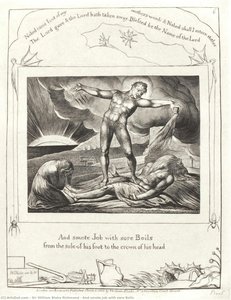
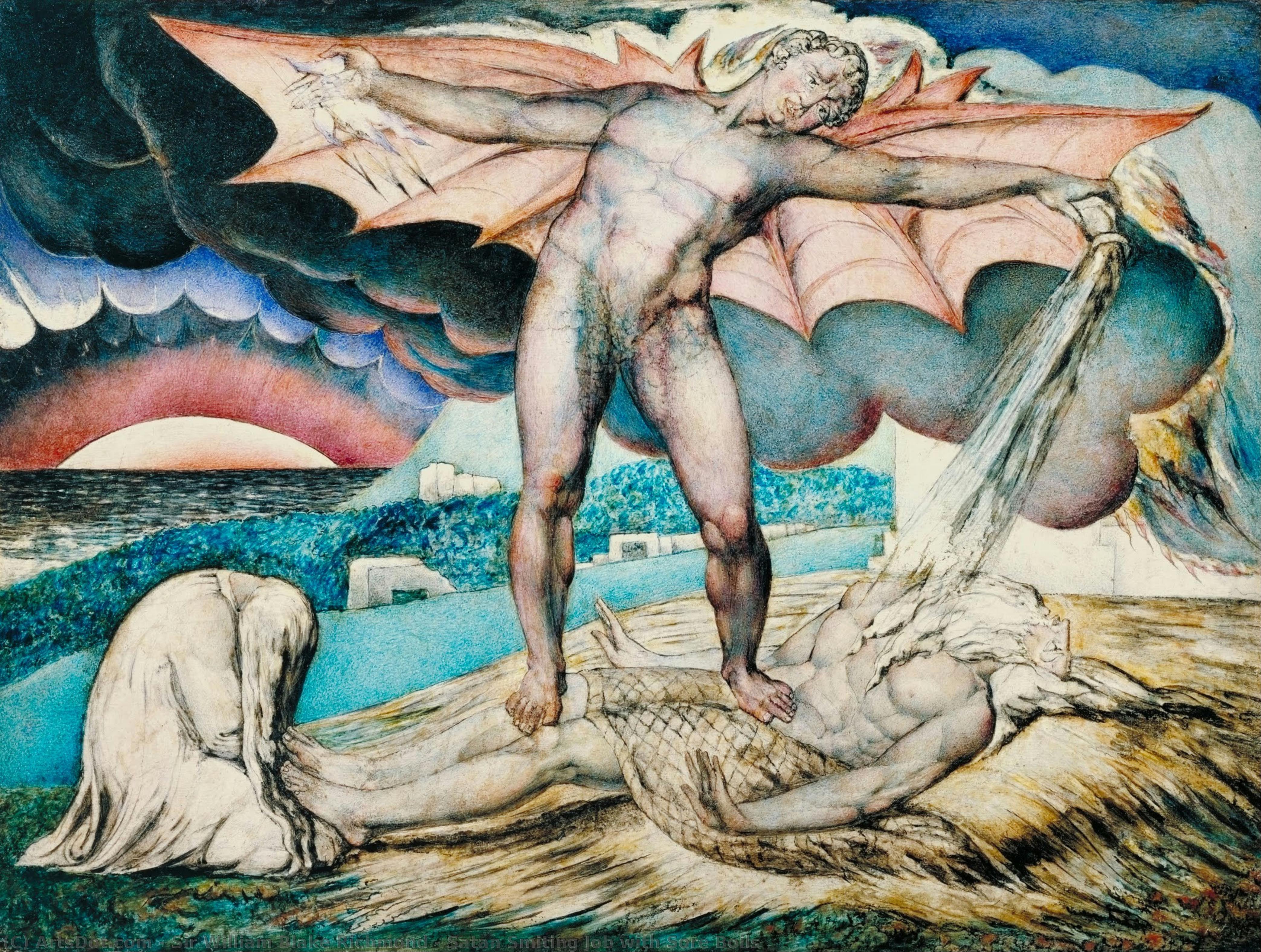
Satan Smiting Job with Sore Boils
 Acrylic On Canvas
- WallArt
- Romanticism
 1826
1826- 19th Century
 43.0 x 32.0 cm
 Tate Britain
 Read More
Hand Made Oil Reproduction
Hand-painted oil on canvas in your size and frame, made to order by our artists. ( Buy Print Buy Image)




P118B $10

P118H $10

P118W $10

P438Z $10

P508JH $12

P508YH $12

P805H $10

P805Z $10

P919BZ $10

P919G $10

P919XJ $10

P959ZH $10

P968JZ $12

W106C $8

W218G $10

W218JH $8

W218Y $10

W307PJ $10

W316G $10

W316PJ $8

W316Y $10

W398PJ $8

W4111J $10

W500HY $15

W500JH $15

W692G $12

W849H $8

W940BG $15

W953PJ $8




Pick from our preset sizes that match the artwork's original proportions.

You may enter your own dimensions to fit a specific frame or space. If your selected size does not match the original image's proportions, we will either crop the artwork or extend the painting with additional hand-painted elements. A digital mockup will be sent for your approval before production begins.
Please note that the on-screen preview does not reflect the actual cropping or extension. Only the mockup will accurately show the final composition.
While custom sizes are available, we recommend selecting a dimension from the predefined list to preserve the original proportions.
After order, ArtsDot.com team will email client for instructions and provide a mockup preview
Worldwide Delivery () in 3/4 weeks instead of standard 5 weeks. (16 August). No compromise on quality.

Free Worldwide Express Shipping

High-Quality Linen Canvas

Full Shipping Insurance

Customs Tax Refund Guarantee

True Color Matching Guarantee

60-Day Return Policy (Defects Only)

100% Money-Back Guarantee

Bulk Discount Offer
 Glass option is only available in size under 110 CM

Satan Smiting Job with Sore Boils
Reproduction Medium
Reproduction Size
-


Total Price
$ 263
Artwork Description
Satan Smiting Job with Sore Boils: A Descent into Suffering and Divine Justice
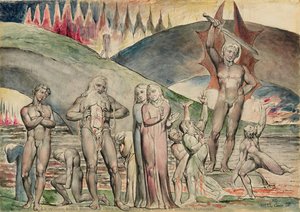
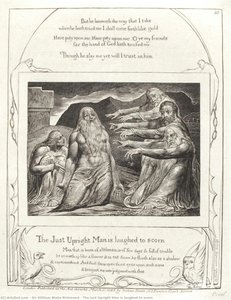
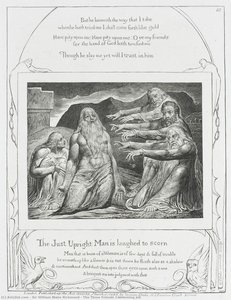
William Blake Richmond’s “Satan Smiting Job with Sore Boils,” painted in 1826, is not merely a depiction of a biblical narrative; it's a visceral exploration of suffering, faith, and the unsettling relationship between earthly torment and divine judgment. This powerful work, rendered in rich, dark hues on mahogany panel, transcends its religious subject matter to become a profound meditation on human endurance and the capricious nature of fate. Richmond’s masterful handling of tempera and ink creates an atmosphere of intense drama, drawing the viewer into the heart of Job's agonizing ordeal.
The scene unfolds within a stark, almost desolate field – a deliberate choice by Richmond that amplifies the sense of isolation and vulnerability experienced by Job. Satan, depicted as a towering, menacing figure, unleashes his wrath upon the patriarch, manifesting as grotesque boils erupting across his body. The artist’s attention to detail is remarkable; each boil is rendered with unsettling realism, conveying not just physical pain but also a deep psychological distress. Richmond doesn't shy away from the gruesome reality of Job’s suffering, presenting it without romanticization or sentimentality. Instead, he forces us to confront the uncomfortable truth of human vulnerability in the face of overwhelming adversity.
A Romantic Vision Rooted in Blakean Influence
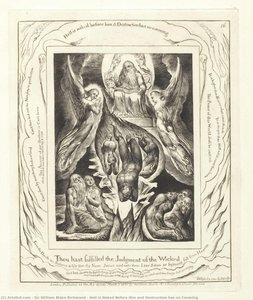
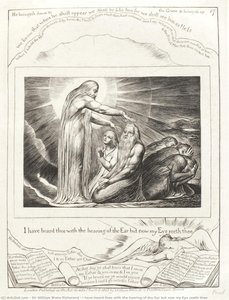
Richmond’s work is deeply indebted to William Blake, a figure who profoundly influenced his artistic sensibilities. Like Blake, Richmond was part of “The Ancients,” a group dedicated to exploring the mystical and symbolic dimensions of art and literature. This shared intellectual lineage manifests itself in "Satan Smiting Job" through its dramatic intensity, its exploration of moral dilemmas, and its use of symbolism to convey complex theological ideas. The composition echoes Blake’s own depictions of biblical scenes, particularly his series of engravings illustrating the Book of Job – a work that served as a key inspiration for Richmond.
The painting's Romantic aesthetic is evident in its emphasis on emotion, imagination, and the sublime. Richmond employs dramatic chiaroscuro—a stark contrast between light and shadow—to heighten the sense of drama and create a powerful visual impact. The dark background emphasizes Job’s vulnerability, while the fiery glow surrounding Satan suggests his destructive power. This interplay of light and darkness reflects the central conflict of the narrative: the struggle between good and evil, faith and doubt.
Symbolism and the Human Condition
Beyond its biblical subject matter, “Satan Smiting Job” is rich in symbolic meaning. The boils themselves represent not only physical pain but also spiritual corruption and the consequences of sin. Satan’s smiting symbolizes divine retribution—a punishment inflicted upon those who stray from the righteous path. However, Richmond doesn't present this as a simple tale of reward and punishment. Instead, he invites us to contemplate the complexities of human suffering and the ambiguous nature of justice.
Job’s stoic acceptance of his ordeal is particularly noteworthy. Despite enduring unimaginable torment, he remains steadfast in his faith, refusing to curse God. This resilience—this ability to endure hardship with dignity and integrity—is what ultimately earns him divine favor. Richmond captures this essence through Job's posture: a figure of quiet strength amidst overwhelming pain, embodying the triumph of human spirit over adversity.
A Timeless Masterpiece for Collectors and Designers
"Satan Smiting Job with Sore Boils" is more than just a historical artwork; it’s a timeless masterpiece that continues to resonate with viewers today. Its dramatic intensity, evocative symbolism, and masterful technique make it a compelling addition to any art collection. The painting's rich color palette and dynamic composition also lend themselves beautifully to interior design, adding a touch of drama and sophistication to any space. Reproductions offer an accessible way to experience the power and beauty of this extraordinary work, bringing its profound message into contemporary homes and galleries.
Related Artworks
Artist Biography
early life and influences
sir william blake richmond, a renowned english painter and portraitist, was born on march 28, 1809, in the united kingdom. his early life was marked by his association with the ancients, a group of followers of the visionary poet and artist william blake. this influence can be seen in richmond's early works, such as abel the shepherd and christ and the woman of samaria, exhibited at the royal academy in 1825.career highlights
as richmond matured, he established a successful career as a portrait painter, capturing the essence of british gentry, nobility, and royalty. his work is characterized by its attention to detail and the ability to convey the subject's personality. notable works include trees at bocca d'arno and the crown of peace, showcasing his mastery of romanticism.notable associations and travels
* in 1828, richmond traveled to paris to study art and anatomy, where he spent a winter in the schools and hospitals. * he met beau brummell at calais, exchanging snuff pinches, marking a significant encounter. * his association with lord sidmouth led to valuable counsel and a portrait of the lord, now in the national portrait gallery.legacy and later life
richmond's later life saw a shift towards more conventional portraits, yet his legacy as a pre-eminent portrait painter endures. he passed away on march 19, 1896, leaving behind a body of work that continues to inspire artists and art enthusiasts alike.- view sir william blake richmond's artworks on ArtsDot: https://ArtsDot.com/@/sir-william-blake-richmond
- explore the british council collection, featuring works by renowned artists like morris louis, william larkin, and alison watt: /en/art/show/art-d3ckkb-en/
- discover more about the ancients and their influence on richmond's work: https://en.wikipedia.org/wiki/the_ancients

Sir William Blake Richmond
1809 - 1896 , United Kingdom
Quick Facts
- Artistic Movement Or Style: Romanticism
- Artists Or Movements Influenced By This Artist: ['Pre-Raphaelitism']
- Artists Who Influenced This Artist: ['William Blake']
- Date Of Birth: March 28, 1809
- Date Of Death: March 19, 1896
- Full Name: Sir William Blake Richmond
- Nationality: British
- Notable Artworks:
- Trees at Bocca d'Arno
- The Crown of Peace
- Place Of Birth: Brompton, United Kingdom
Related Articles
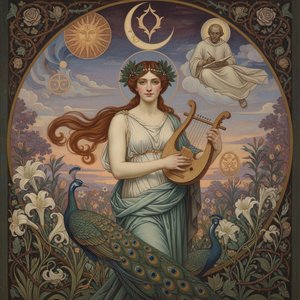
Sir William Blake Richmond: A Visionary of Aestheticism & Symbolism
Explore the life & art of Sir William Blake Richmond, a pivotal figure bridging Pre-Raphaelitism and Aestheticism. Discover his stunning portraits, mosaics at St Paul's Cathedral, and lasting influence on Victorian art.

William Blake: Romantic Visionary & Mystical Genius of the Imagination
Explore the mystical art & poetic genius of William Blake (1757-1827). Discover his revolutionary illuminated printing, rich symbolism, and lasting influence on Romanticism. Find handmade reproductions at ArtsDot.
Penry Williams: Evoking Welsh Nostalgia Through Impressionistic Landscapes
Explore the captivating world of Penry Williams (1802-1885), a Welsh artist renowned for his evocative Impressionistic landscapes and scenes of Italy. Discover his life, style & legacy with ArtsDot.

Christopher Williams: Deconstructing Representation & Materiality in Contemporary Art
Explore the groundbreaking work of Christopher Williams, a pivotal figure in contemporary art. This analysis delves into his deconstruction of representation, materiality, and institutional critique – essential reading for serious collectors.

William Brassey Hole: A Victorian Master of Narrative Watercolour & Scottish Life
Explore the captivating paintings of William Brassey Hole, a Victorian master renowned for his dramatic biblical scenes, Scottish landscapes & industrial life. Discover his technique and lasting legacy.