

 Preview
 Send
Send Share
Share
 Details

 Download
 Similars
 X-Ray
X-Ray Diaporama
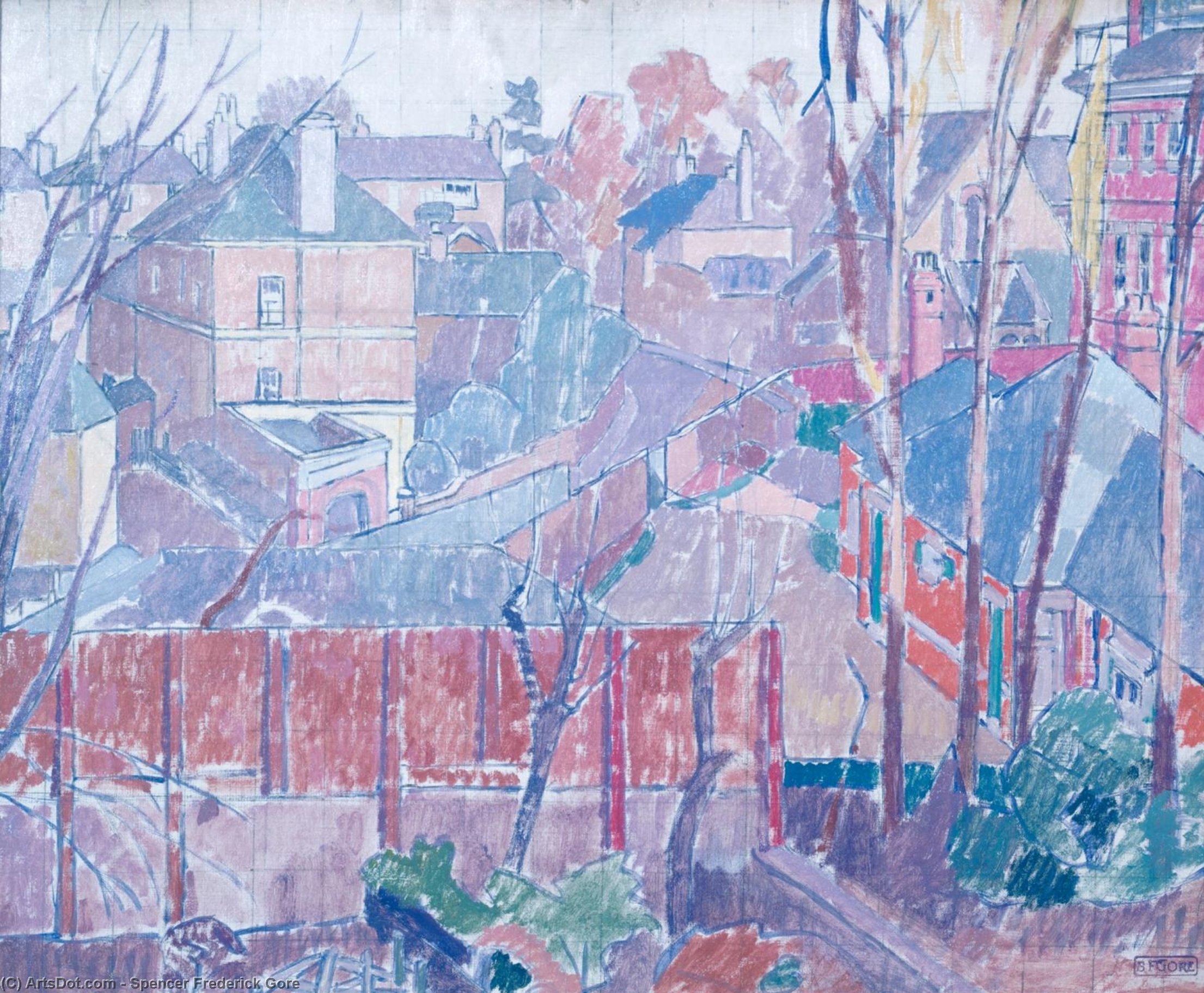
From a Window in Cambrian Road, Richmond


 Read More
Purchase a high-resolution, enhanced digital image, far superior to the online preview.
Each file is meticulously prepared by our in-house specialists using advanced tools and expert manual retouching. We ensure every image has exceptional clarity, precise color accuracy, and fine detail.
The final file is delivered via email within 72 hours, optimized for immediate use in professional, editorial, and print environments. This is the same quality trusted by top-tier design studios, publishers, and galleries.
Digital Image
Download a high-resolution file for personal display, printing, and creative projects. ( Buy Print Buy Hand Made Painting)
Included in Every Digital Image Order
Expert Digital Delivery, Guaranteed
When you choose ArtsDot.com, you're not just getting an image - you're receiving a professionally enhanced digital artwork, crafted with precision and backed by a satisfaction guarantee. Here's everything that comes with your order, automatically:

Fast Email Delivery
Your high-resolution digital image file will be emailed to you within 72 hours of ordering - ready for immediate use.

AI-Enhanced Digital File
Your artwork is professionally optimized using advanced AI tools and manual editing, ensuring maximum detail, clarity, and color accuracy.

Free Lifetime Re-Delivery
Accidentally deleted or lost your file? No worries - we'll resend it to you anytime, free of charge.

No Import Fees - Ever
Enjoy your artwork instantly with zero customs, duties, or delivery fees - digital downloads are always tax-free.

Color Accuracy Guarantee
We ensure your digital image reflects the original colors as closely as possible using professional tools and color management.

60-Day Satisfaction Guarantee
If you're not satisfied with your digital image, we'll revise it or refund 100% within 60 days - no questions asked.

100% Money-Back Guarantee
Not satisfied? Get a full refund within 60 days of receiving your digital file - no questions asked.

Bulk Order Discounts
Buy 3 images, save 10% - Buy 5, save 15% - Buy 10+, save 20%. Great for creative projects, galleries, and agencies.
Collectible Description
A Window Into Camden Town’s Soul: Exploring Spencer Frederick Gore's “From a Window in Cambrian Road, Richmond”
The painting "From a Window in Cambrian Road, Richmond," executed by Spencer Frederick Gore in 1913, stands as a cornerstone of British Impressionism and a poignant reflection of the era’s burgeoning artistic spirit. Situated within the Camden Town Group—a collective dedicated to capturing the vibrancy of London's industrial landscape—Gore’s work transcends mere depiction; it strives to convey an atmosphere imbued with subtle emotion and observation. This meticulously crafted watercolor captures a seemingly unremarkable scene: a residential street in Richmond Park, bathed in the diffused light of late afternoon. Yet, within its deceptively simple composition lies a profound engagement with Impressionist principles—specifically, the pursuit of capturing fleeting moments of perception rather than striving for photographic realism.- Style and Technique: Gore’s approach aligns closely with Monet and Sisley, prioritizing broken brushstrokes and layering colors to achieve luminosity and tonal variation. Notice how he utilizes a palette dominated by muted greens and blues—dominant hues reflecting the verdant expanse of Richmond Park—contrasted against warmer tones emanating from the buildings lining Cambrian Road. The artist skillfully employs glazing techniques, applying thin washes of color over underlying layers to build up depth and create an illusion of atmospheric perspective.
- Historical Context: Camden Town’s emergence as a creative hub coincided with significant social transformations in Britain. Artists like Gore sought inspiration from the rapidly industrializing city, documenting its evolving urban environment alongside glimpses into everyday life. The painting speaks to anxieties surrounding modernity and the encroachment of urbanization—themes prevalent throughout Impressionist art.
- Symbolism & Observation: Beyond its visual beauty, “From a Window in Cambrian Road” embodies Gore’s meticulous attention to detail. Observe the careful rendering of architectural features – chimneys punctuating rooftops, windows reflecting light – elements that contribute to the painting's sense of realism and invite contemplation. The inclusion of two dogs adds an element of domestic tranquility amidst the bustle of the street, subtly hinting at themes of companionship and connection.
- Emotional Impact: Gore’s masterful use of color and brushwork evokes a feeling of quiet contemplation—a desire to linger in this moment captured on canvas. The painting isn't merely about what is seen; it’s about how one feels when confronted with the beauty of the natural world intertwined with human activity. It invites viewers to consider the passage of time and the significance of ordinary experiences.
Related Artworks
Artist Biography
Spencer Gore (1878 – 1914): A Pioneer of Camden Town
Spencer Frederick Gore was a British painter who emerged as one of the foremost figures in the burgeoning Camden Town Group, marking a pivotal moment in early twentieth-century British art. Born on May 26th, 1878, at Epsom, Surrey, he descended from a family steeped in artistic tradition – his father, Spencer Gore (the Wimbledon tennis champion), was himself a painter, and his brother Charles Gore was a theologian, fostering an environment that nurtured creativity and intellectual curiosity. Gore’s formative years were shaped by attending Harrow School, where he honed his observational skills before pursuing formal training at the Slade School of Fine Art alongside contemporaries like Harold Gilman, cementing his connection to Impressionist ideals.- Early Influences: Gore's artistic sensibilities were profoundly impacted by Post-Impressionists such as Claude Monet and Vincent van Gogh, whose explorations of color and light served as a springboard for his own distinctive style.
- The Camden Town Group: He spearheaded the formation of the Camden Town Group in 1904, alongside Walter Sickert, Lucien Pisarro, Harold Gilman, and Charles Ginner—a collective dedicated to capturing the atmosphere of London’s bohemian district with bold brushstrokes and vibrant palettes.
- Notable Works: Gore's oeuvre comprises a remarkable collection of landscapes, music hall scenes, and interiors, characterized by meticulous detail and an unwavering commitment to portraying natural beauty. Particularly noteworthy are his thirty-two Richmond Park canvases completed in the final months of his life—a testament to his enduring fascination with the English countryside.
Technique and Style: Embracing Pictorial Construction
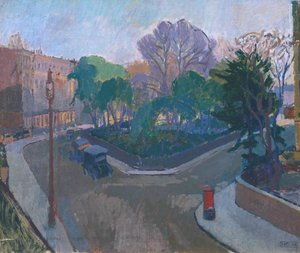
Gore’s artistic approach distinguished itself through a deliberate embrace of pictorial construction, mirroring the stylistic innovations championed by Impressionists and Post-Impressionists. He skillfully employed layering techniques—often applying thin glazes over underpaintings—to achieve luminous effects and imbue his canvases with depth and resonance. This meticulous attention to detail extended beyond mere representation; Gore sought to convey not just what he saw but also how he felt, reflecting the emotional intensity inherent in capturing fleeting moments of experience. His paintings like “Hartington Square” exemplify this stylistic commitment, demonstrating a masterful command of color and form.- Color Palette: Gore favored harmonious palettes dominated by muted greens, blues, and yellows—colors that evoked the tranquility and grandeur of the natural world.
- Brushwork: His brushstrokes were characterized by fluidity and spontaneity, capturing the dynamism of light and air while simultaneously conveying a sense of stillness and contemplation.
Richmond Park Landscapes: A Legacy of Observation
The Richmond Park series represents Gore’s magnum opus—a poignant chronicle of his final years and an enduring symbol of British landscape painting. Executed with unwavering dedication during the autumn of 1913, these canvases capture the ethereal beauty of the park bathed in autumnal light. The resulting images are imbued with a palpable sense of melancholy yet simultaneously radiate warmth and vitality, reflecting Gore’s profound connection to his surroundings. Tate curator Helena Bonett noted that Gore's death from pneumonia was sudden, leaving behind an unfinished masterpiece—a testament to his unwavering pursuit of artistic excellence.Frederick Gore: Son and Artist
Gore’s son, Frederick John Pym Gore CBE RA (1913–2009), followed in his father's footsteps as a painter, inheriting his artistic vision and establishing himself as a respected figure within the British art world. Like Spencer, he pursued formal training at Ruskin School of Art and developed a distinctive style rooted in Impressionist principles—a direct continuation of his father’s legacy. Gore’s influence extended beyond his own artistic endeavors; he served as a teacher, imparting invaluable knowledge to aspiring artists and fostering a tradition of observation and expressive painting that endured for generations.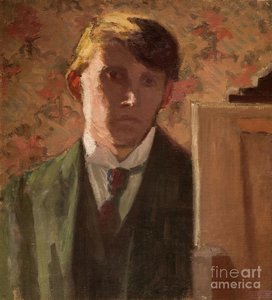
spencer frederick gore
1878 - 1914 , United Kingdom
Quick Facts
- Artistic Movement Or Style: Post-Impressionism
- Artists Or Movements Influenced By This Artist: ['Camden Town Group']
- Artists Who Influenced This Artist:
- Walter Sickert
- Albert Rutherston
- Date Of Birth: May 26, 1878
- Date Of Death: March 27, 1914
- Full Name: Spencer Frederick Gore
- Nationality: British
- Notable Artworks:
- Hartington Square
- From a Window in Cambrian Road, Richmond
- Place Of Birth: Epsom, United Kingdom

