 Send
Send Share
Share
 Details

 Download
 Similars
 Diaporama
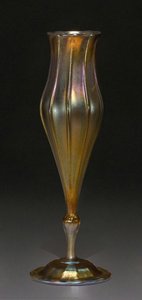
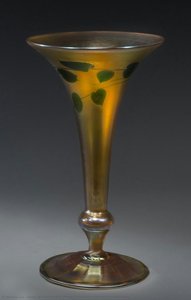
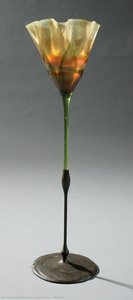
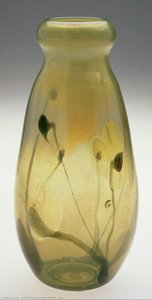
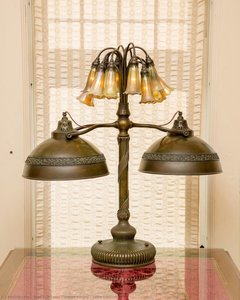
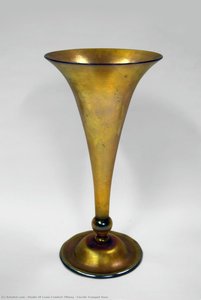
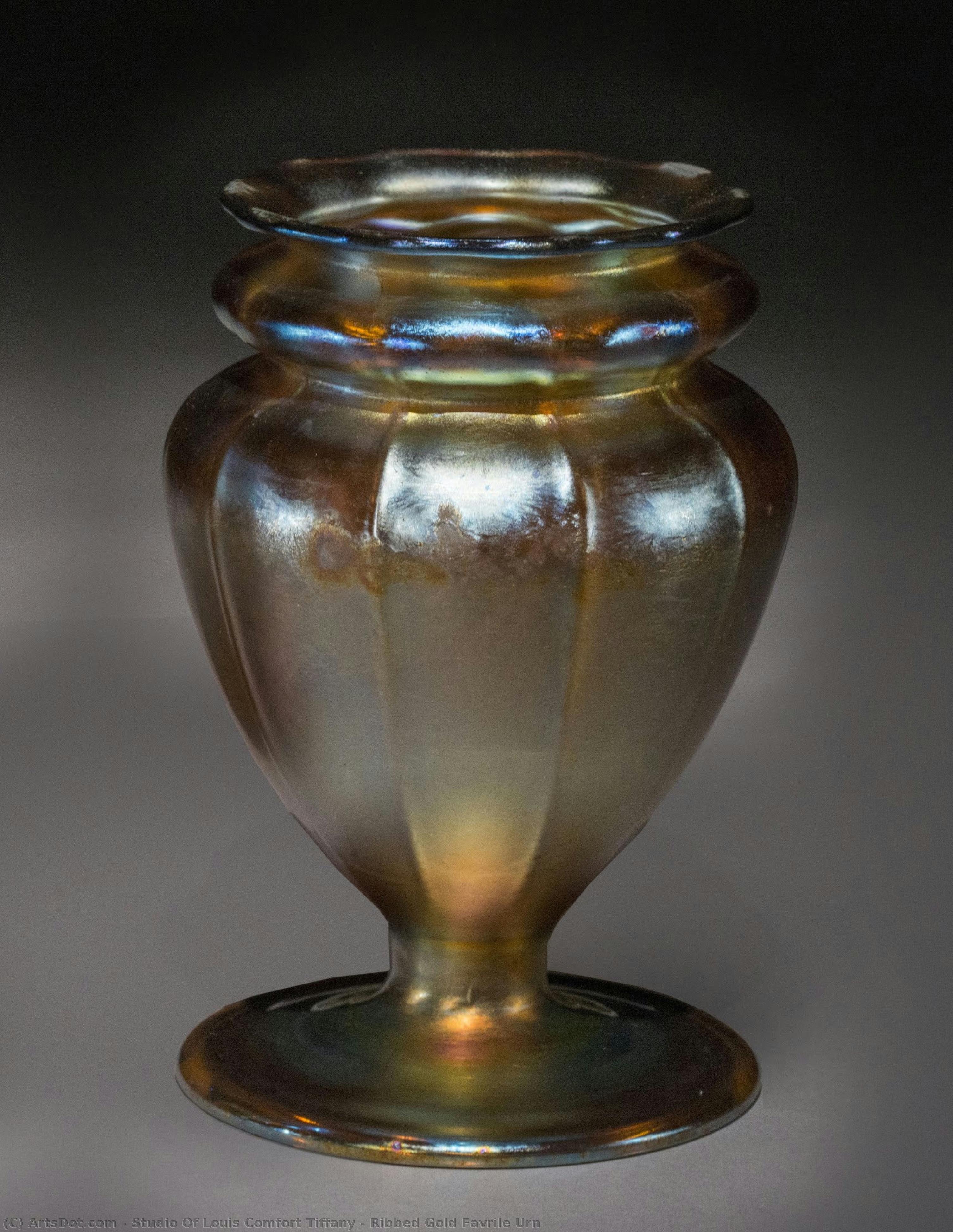
Ribbed Gold Favrile Urn


 Read More
Hand Made Oil Reproduction
Hand-painted oil on canvas in your size and frame, made to order by our artists. ( Buy Print Buy Image)




































Pick from our preset sizes that match the artwork's original proportions.

You may enter your own dimensions to fit a specific frame or space. If your selected size does not match the original image's proportions, we will either crop the artwork or extend the painting with additional hand-painted elements. A digital mockup will be sent for your approval before production begins.
Please note that the on-screen preview does not reflect the actual cropping or extension. Only the mockup will accurately show the final composition.
While custom sizes are available, we recommend selecting a dimension from the predefined list to preserve the original proportions.
After order, ArtsDot.com team will email client for instructions and provide a mockup preview
Worldwide Delivery () in 3/4 weeks instead of standard 5 weeks. (16 August). No compromise on quality.

Free Worldwide Express Shipping

High-Quality Linen Canvas

Full Shipping Insurance

Customs Tax Refund Guarantee

True Color Matching Guarantee

60-Day Return Policy (Defects Only)

100% Money-Back Guarantee

Bulk Discount Offer
 Glass option is only available in size under 110 CM

Ribbed Gold Favrile Urn
Reproduction Medium
Reproduction Size
-


Total Price
$ 263
Artwork Description
The Luminous Allure of Favrile Glass
In the pantheon of American decorative arts, few names evoke as much wonder and iridescent magic as Louis Comfort Tiffany. The Ribbed Gold Favrile Urn stands as a breathtaking testament to this legacy, capturing the very essence of the Art Nouveau movement through its fluid forms and ethereal glow. This exquisite piece is not merely a vessel but a masterclass in light manipulation. The urn features a striking contrast between its deep, earthy brown body and a crown of celestial blue glass, creating a visual dialogue between the terrestrial and the divine. As light dances across the ribbed texture of the gold-toned surface, it reveals the subtle, shimmering depths that define the legendary Favrile technique.
< nanotext>A Symphony of Technique and Innovation
To understand the allure of this urn, one must delve into the revolutionary chemistry of its creation. Tiffany’s development of Favrile glass—a term he coined to suggest a hand-fabricated, artisanal quality—changed the course of glassmaking forever. By treating molten glass with metallic oxides, the Studio of Louis Comfort Tiffany achieved an unparalleled iridescent surface effect that seems to shift and breathe as the viewer moves around it. The ribbed architecture of this specific urn serves a dual purpose: it provides a tactile, rhythmic elegance while simultaneously catching the light at varying angles, intensifying the golden luster. This meticulous process ensures that no two reflections are ever exactly alike, offering a sense of organic life to an inanimate object.
For the discerning collector or interior designer, this piece offers more than just decoration; it provides a focal point of historical significance and sensory richness. The interplay of the warm, ribbed gold tones against the cool, translucent blue top creates a sophisticated palette that complements both classical and contemporary settings. Whether placed in a sunlit conservatory or a moody, dimly lit study, the urn acts as a beacon of craftsmanship, inviting onlookers to contemplate the intersection of industrial innovation and fine art.
Integrating such a high-quality reproduction into a curated space allows for the infusion of Gilded Age opulence without the constraints of antiquity. It serves as an emotional anchor, evoking feelings of nostalgia, luxury, and a deep appreciation for the natural world's textures. In every curve and every shimmer, the Ribbed Gold Favrile Urn whispers stories of a bygone era when art and utility were harmoniously entwined in the pursuit of pure beauty.
Related Artworks



Artist Biography
The Enigmatic World of Louis Comfort Tiffany
Louis Comfort Tiffany, a name synonymous with artistry in stained glass, was far more than just a craftsman; he was a visionary who redefined American art during the Gilded Age and beyond. Born in 1848 into a family steeped in wealth and culture – his father, Charles Lewis Tiffany, founded the renowned jewelry firm – young Louis initially pursued painting, studying under George Inness and briefly attending law school at Columbia University. However, it was a fascination with glassmaking, sparked by visits to English factories during his travels, that would ultimately ignite his lifelong passion and shape his artistic legacy. He wasn’t content merely replicating European styles; Tiffany sought to create a distinctly American aesthetic, one rooted in naturalism and imbued with an unparalleled luminosity. His early work involved decorative tiles and mosaics, but it was his pioneering techniques in iridescent glass – Favrile glass, patented in 1894 – that truly set him apart. This wasn’t simply colored glass; it possessed an internal glow, a shimmering depth achieved through layering molten glass with metallic oxides, creating surfaces that seemed to breathe with light.From Painting to Pioneering Glass Techniques
Tiffany's artistic journey was marked by a relentless pursuit of innovation. Dissatisfied with the uniformity and often artificial appearance of traditional stained glass production, he began experimenting with methods to control color and texture more precisely. He rejected the use of painted glass in favor of incorporating naturally colored sheets, meticulously selected and assembled to create complex compositions. The “opalescent” glass he developed, achieved through mixing different colors during the melting process, offered a softer, more subtle palette than the vibrant hues typically associated with Gothic cathedrals. But his most significant breakthrough was Favrile glass. Inspired by ancient Roman glass excavated at Pompeii, Tiffany sought to recreate the iridescent surfaces found in these archaeological treasures. He developed a unique process of swirling molten glass with metallic oxides – copper, silver, gold – creating an ethereal sheen that changed with the viewing angle and light conditions. This technique allowed him not only to control color but also to create textures ranging from smooth and polished to rough and organic. The Favrile process wasn’t just about aesthetics; it was a testament to Tiffany's scientific curiosity and his dedication to mastering every aspect of glassmaking, from the composition of the raw materials to the final firing techniques.The Rise of Tiffany Studios and Artistic Expression
In 1885, Tiffany established Louis Comfort Tiffany & Associated Artists, later known as Tiffany Studios, which became a sprawling enterprise encompassing everything from stained glass windows and lamps to mosaics, ceramics, jewelry, and even furniture. The studios weren’t merely workshops; they were creative hubs where artists, designers, and craftsmen collaborated under Tiffany's direction. He fostered an environment of experimentation and innovation, encouraging his team to push the boundaries of their respective disciplines. While he oversaw all aspects of design, Tiffany also valued the contributions of individual artisans, recognizing that true artistry required both vision and skill. The stained glass windows produced by Tiffany Studios became renowned for their breathtaking beauty and intricate detail. They weren’t simply decorative elements; they were immersive experiences, designed to evoke specific moods and emotions through the interplay of light and color. His landscapes, floral motifs, and depictions of mythological scenes transformed churches, public buildings, and private residences into sanctuaries of art and tranquility. Beyond windows, Tiffany lamps – particularly those featuring dragonfly, wisteria, and peacock designs – became iconic symbols of the Art Nouveau movement. These weren’t just sources of illumination; they were sculptural masterpieces, showcasing the exquisite craftsmanship and artistic sensibility of Tiffany Studios.Influences and Legacy: A Lasting Impact on American Art
Tiffany's work was influenced by a diverse range of sources, from the natural world to Byzantine mosaics and medieval stained glass. He drew inspiration from the vibrant colors and patterns found in Oriental textiles and ceramics, as well as the Pre-Raphaelite paintings that celebrated beauty and symbolism. However, he wasn’t simply imitating these influences; he was synthesizing them into a uniquely American style characterized by its naturalism, luminosity, and emphasis on craftsmanship. His designs often featured flowing lines, organic forms, and depictions of flora and fauna, reflecting his deep appreciation for the beauty of nature. He also embraced symbolism, imbuing his work with hidden meanings and allegorical references. The impact of Tiffany's work extended far beyond the realm of decorative arts. He helped to elevate American art to a new level of recognition, challenging the prevailing European dominance and establishing a distinctly national aesthetic. His innovations in glassmaking techniques revolutionized the industry, paving the way for future generations of artists and designers. Although his popularity waned after his death in 1933, Tiffany's work has experienced a remarkable resurgence in recent decades. Today, his stained glass windows, lamps, and other creations are highly sought-after by collectors and museums around the world, serving as enduring testaments to his artistic vision and lasting legacy.Major Achievements & Historical Significance
- Favrile Glass Patent (1894): This marked a turning point in glassmaking history, allowing for unprecedented control over color and texture.
- Tiffany Studios’ Expansion: The growth of the studios into a comprehensive art enterprise demonstrated Tiffany's commitment to holistic design.
- Exhibition at the 1900 Paris Exposition: This showcased Tiffany's work on an international stage, earning him widespread acclaim and solidifying his reputation as a leading artist.
- Innovation in Stained Glass Techniques: Rejecting painted glass for naturally colored sheets revolutionized the medium and created more luminous compositions.
- Iconic Lamp Designs: The dragonfly, wisteria, and peacock lamps became symbols of the Art Nouveau movement and remain highly collectible today.

Related Articles

Slate Blue Masterpieces: 10 Iconic Paintings & Timeless Home Decor Ideas
Immerse yourself in the captivating world of slate blue! Explore 10 iconic paintings by Monet, Van Gogh & Renoir. Discover their stories, techniques & find museum-quality art reproductions for your home at .
The Allure of Azure: Exploring the Symbolic & Aesthetic Depths of Blue in Art History
Explore the rich history of blue in art! Discover its symbolism, from ancient pigments to modern masterpieces by Kandinsky & Seurat. Uncover the psychological impact and cultural meanings behind this captivating hue.
Golden Glow: How to Use Metallic Gold Artworks to Elevate Your Home Decor with Timeless Luxury
Discover how to elevate your home with the timeless elegance of metallic gold artworks. From sculptural metal pieces to gilded oil paintings, learn expert interior design tips for integrating luxurious gold accents into your space with sophistication and grace.

The Allure of Gold in Art History: Symbolism, Technique & Cultural Significance
Explore the rich history of gold in art! Discover symbolism, techniques & cultural significance from ancient civilizations to Klimt's masterpieces. Expert insights for collectors at ArtsDot.

Golden Masterpieces: 10 Paintings That Define Art History | ArtsDot
Explore 10 breathtaking paintings where gold leaf shines! From Klimt to Byzantine icons, discover art history’s most gilded masterpieces. Find museum-quality reproductions & elevate your home decor with ArtsDot. Explore the full collection online.