 Send
Send Share
Share
 Details

 Download
 Similars
 Diaporama
Le Super Biton National de Ségou


 Read More
Giclée / Art Print
Museum-quality giclée or canvas print with fast production and flexible finish options. ( Buy Hand Made Painting Buy Image)




































Pick from our preset sizes that match the artwork's original proportions.

You may enter your own dimensions to fit a specific frame or space. If your selected size does not match the original image's proportions, we will either crop the artwork or extend the image with a mirrored or solid-fill edge. A digital mockup will be sent for your approval before production begins.
Please note that the on-screen preview does not reflect the actual cropping or extension. Only the mockup will accurately show the final composition.
While custom sizes are available, we recommend selecting a dimension from the predefined list to preserve the original proportions.
Worldwide Delivery () in 2 weeks instead of standard 4/5 weeks. (28 August)

Free Worldwide Express Shipping

High-Quality Linen Canvas

Full Shipping Insurance

Customs Tax Refund Guarantee

True Color Matching Guarantee

60-Day Return Policy (Defects Only)

100% Money-Back Guarantee

Bulk Discount Offer
 Glass option is only available in size under 110 CM

Le Super Biton National de Ségou
Giclée / Art Print
Reproduction Size
-


Total Price
$ 63
A Timeless Echo of Malian Rhythm
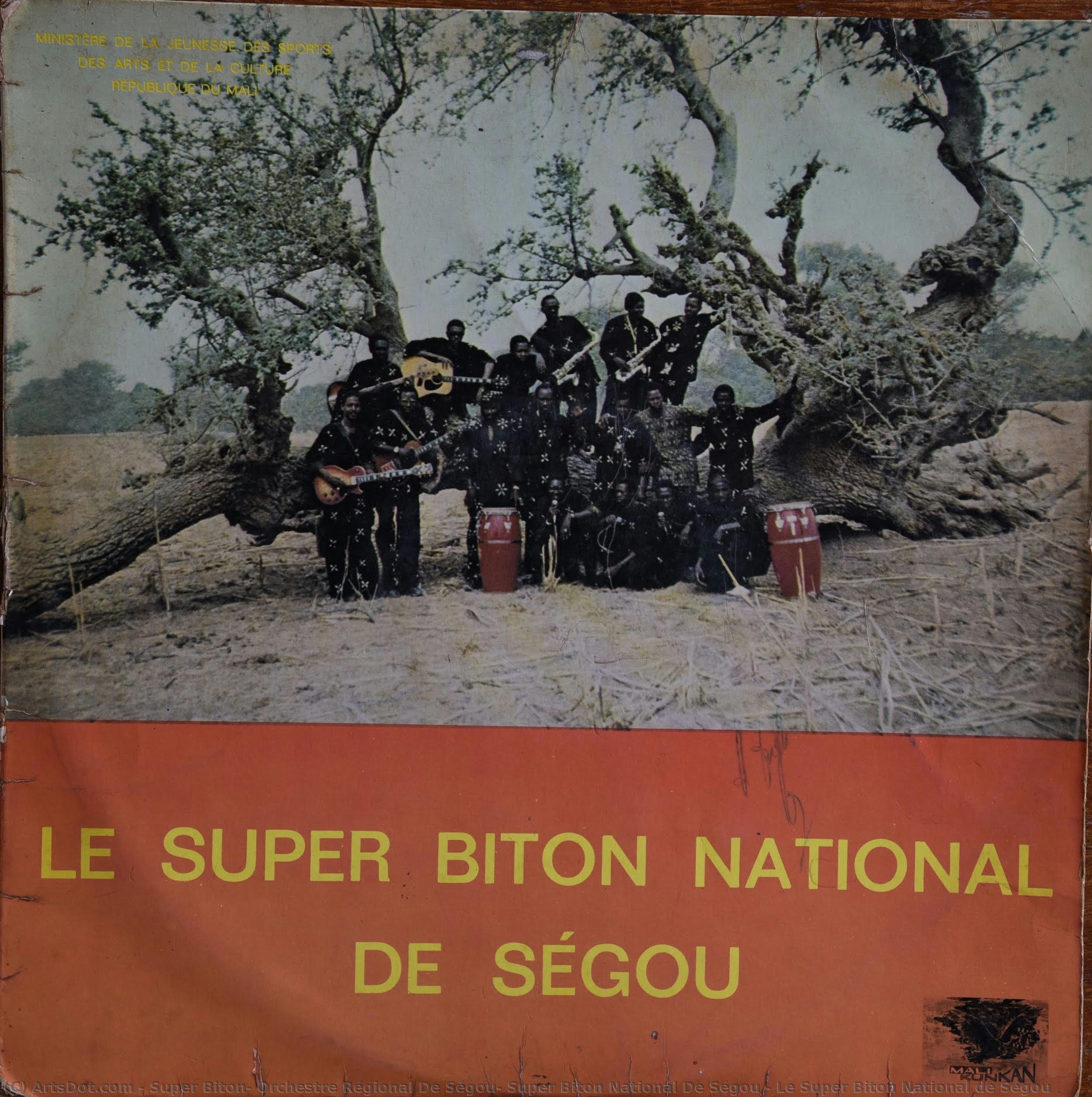
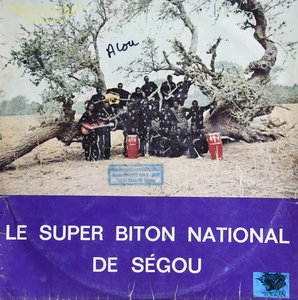
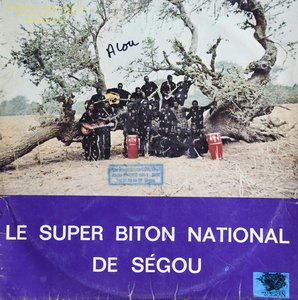
In this evocative 1977 black and white photograph, we are transported to a pivotal moment in West African musical history. The image captures the legendary ensemble, Le Super Biton National de Ségou, frozen in a moment of quiet camaraderie before the storm of their rhythmic performance. There is an undeniable gravity to the scene; the group of musicians poses with a dignified presence against the organic backdrop of a solitary tree, creating a composition that balances human artistry with the raw beauty of the natural landscape. The monochromatic palette strips away the distractions of color, forcing the viewer to focus on the textures of the instruments, the expressions of the men, and the profound sense of cultural identity that radiates from the frame.
The photograph serves as a visual testament to the era of Mali's national orchestras, where music was not merely entertainment but a vital pillar of nation-building. As the musicians hold their guitars and stand beside their percussion, one can almost hear the phantom echoes of bambara jazz—a sophisticated fusion of traditional Malian rhythms and the infectious swing of Cuban influences. The presence of the instruments is deeply symbolic; they are not just tools of a trade, but bridges between ancestral heritage and the modernizing world of the late twentieth century. Each guitar and drum represents a heartbeat of the Ségou region, contributing to a collective voice that sought to define a new, independent Malian spirit.
For the discerning collector or interior designer, this piece offers much more than a historical record; it provides an atmospheric soul for any curated space. The stark contrast and rich tonal range of the black and white medium lend the photograph a timeless elegance that complements both contemporary minimalist interiors and classic, richly textured rooms. It is a conversation starter that invites contemplation on themes of community, resilience, and the enduring power of art. Bringing a reproduction of this work into a home or gallery is an act of preserving a rare glimpse into Mali's musical golden age, offering an emotional depth that resonates long after the first glance.
To possess such a piece is to hold a fragment of a cultural movement. It captures the essence of a time when Super Biton stood as the rhythmic soul of a nation, weaving together the threads of tradition and innovation. Whether displayed in a study, a creative studio, or a sophisticated living area, this photograph serves as a window into a world of profound musical heritage, making it an essential acquisition for those who value art that tells a story of triumph, identity, and unyielding rhythm.
Related Artworks




Artist Biography
The Rhythmic Soul of Mali: Super Biton de Ségou
Super Biton de Ségou, a name synonymous with the vibrant musical landscape of Mali, represents more than just a band; it embodies a cultural movement that blossomed in the 1970s and continues to resonate today. Emerging from the historic city of Ségou in the 1960s, this ensemble rose to prominence as the nation’s orchestra, weaving together traditional Bambara rhythms with influences from Cuban jazz and other West African styles. Their story is one of artistic innovation, national pride, and resilience, marked by periods of flourishing success followed by challenges and a triumphant return.
Origins and Early Evolution
The seeds of Super Biton were sown in the mid-1960s, a period of burgeoning independence across Africa. Mali’s government actively fostered regional orchestras as part of its national identity building efforts, encouraging them to compete in events like the “Semaines Nationales” – later known as Biennales. The orchestra that would become Super Biton initially formed as one such regional ensemble representing Ségou. Early success at these competitions laid the foundation for their growing popularity and recognition. The band’s name itself is a tribute to Bitòn Coulibaly, a legendary leader of the Bamana kingdom, immediately grounding their music in a rich historical context.
A pivotal moment arrived in 1970 with the inaugural Biennale culturelle, established by President Moussa Traoré. This event propelled Super Biton into national stardom, and they began to distinguish themselves through a deliberate fusion of traditional Bambara dance rhythms with contemporary instrumentation – horns, guitars, and percussion. This wasn’t merely an aesthetic choice; it was a conscious effort to create music that reflected the diverse cultural tapestry of Mali, incorporating elements from Fulani, Mandingo, and Somono traditions alongside their core Bambara influences.
The Golden Age: National Orchestra Status
By the mid-1970s, Super Biton had earned the title of “national orchestra,” a testament to their widespread appeal and cultural significance. The band swelled in size, reaching up to 19 members, and amassed an impressive repertoire of over 200 songs. This period was characterized by a unique mandate: to showcase Mali’s rich heritage through music that was both entertaining and educational. Vocalists like Mamadou Doumbia (“Percé”), Toussaint Siané, and Papa Gaoussou Diarra (“Papus”) became household names, while the dynamic guitar work of Mama Sissoko and the arrangements led by Amadou Bâ defined their signature sound.
The band’s music wasn't simply about entertainment; it was deeply intertwined with the socio-political climate of the time. Songs were intended to inspire hard work, courage, and national pride among Malian youth. They even ventured into fieldwork, recording traditional ceremonial songs from rural communities – a testament to their commitment to preserving and celebrating Mali’s diverse oral traditions. Albums released under the name Super Biton National de Ségou further solidified their position as cultural ambassadors.
Challenges and Rebirth
The late 1980s brought significant challenges for Super Biton. Their status as civil servants, while providing stability, also created limitations. Internal tensions, the loss of key members, and financial difficulties led to a decline in activity after 1986, following Amadou Bâ’s departure. The band faced near-disintegration, with some musicians retiring from music altogether.
However, the story didn't end there. In 2001, Super Biton experienced a remarkable rebirth, fueled by a renewed interest in their music and the opportunity to perform at the annual Festival sur le Niger in Ségou. Guitarist Mama Sissoko stepped into the role of band leader, assembling a new lineup that included original members like Toussaint and Papus alongside fresh talent. This re-formed Super Biton not only revived their classic sound but also introduced it to a new generation of listeners.
Legacy and Historical Significance
Super Biton de Ségou’s enduring legacy lies in their pioneering fusion of traditional Malian music with contemporary jazz influences, creating a uniquely vibrant and captivating sound. They were instrumental in establishing a national musical identity for Mali during a crucial period of post-colonial development. Their commitment to preserving cultural heritage through fieldwork and incorporating diverse regional traditions set them apart as more than just performers; they were cultural custodians.
Today, Super Biton continues to perform, captivating audiences with their infectious energy and timeless melodies. They stand as a powerful symbol of Mali’s rich musical history and a testament to the enduring power of artistic collaboration and cultural pride. Their music remains a vital force in the West African soundscape, inspiring musicians and celebrating the soul of a nation.
Quick Facts
- Artistic Movement Or Style: African jazz, Bambara music
- Full Name: Super Biton de Ségou
- Origin: Ségou, Mali
- Other Names:
- Orchestre Régional de Segou
- Super Biton National de Ségou
Related Articles

White on Canvas: 10 Masterpieces & Timeless Elegance for Your Home Decor
Explore 10 iconic white paintings by Monet, Whistler & Rothko! Discover the stories behind these serene masterpieces and their impact on art history. Find museum-quality reproductions for your home decor at .

Dark Masterpieces: 10 Iconic Paintings Dominated by Black Tones |
Explore 10 iconic paintings dominated by black tones, from Rembrandt’s chiaroscuro to Goya's dark expressions. Discover the stories behind these masterpieces & find museum-quality art reproductions for your home at .

Monochrome Visions: Exploring the Aesthetic & Historical Significance of Black & White Photography
Explore the rich history & artistic power of black and white photography. From early techniques to iconic masters like Ansel Adams, discover why monochrome continues to captivate art lovers today. Expert insights for collectors.

From Snapshot to Statement: Elevating Personal Photography Through Black & White Fine Art Reproduction
Transform cherished photos into timeless black & white fine art with ArtsDot. Our expert artists create museum-quality reproductions – a lasting legacy for your home and family. Discover the artistry today.

Mars Black Masterpieces: 10 Iconic Paintings & Timeless Art Decor Ideas
Delve into the power of 'Mars Black' with 10 iconic paintings by masters like Rembrandt & Caravaggio. Explore dramatic chiaroscuro, gothic art, and timeless beauty. Find museum-quality reproductions & elevate your home decor on .