 Preview
 Send
Send Share
Share
 Details

 Download
 Similars
 X-Ray
X-Ray Diaporama
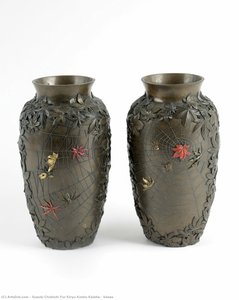
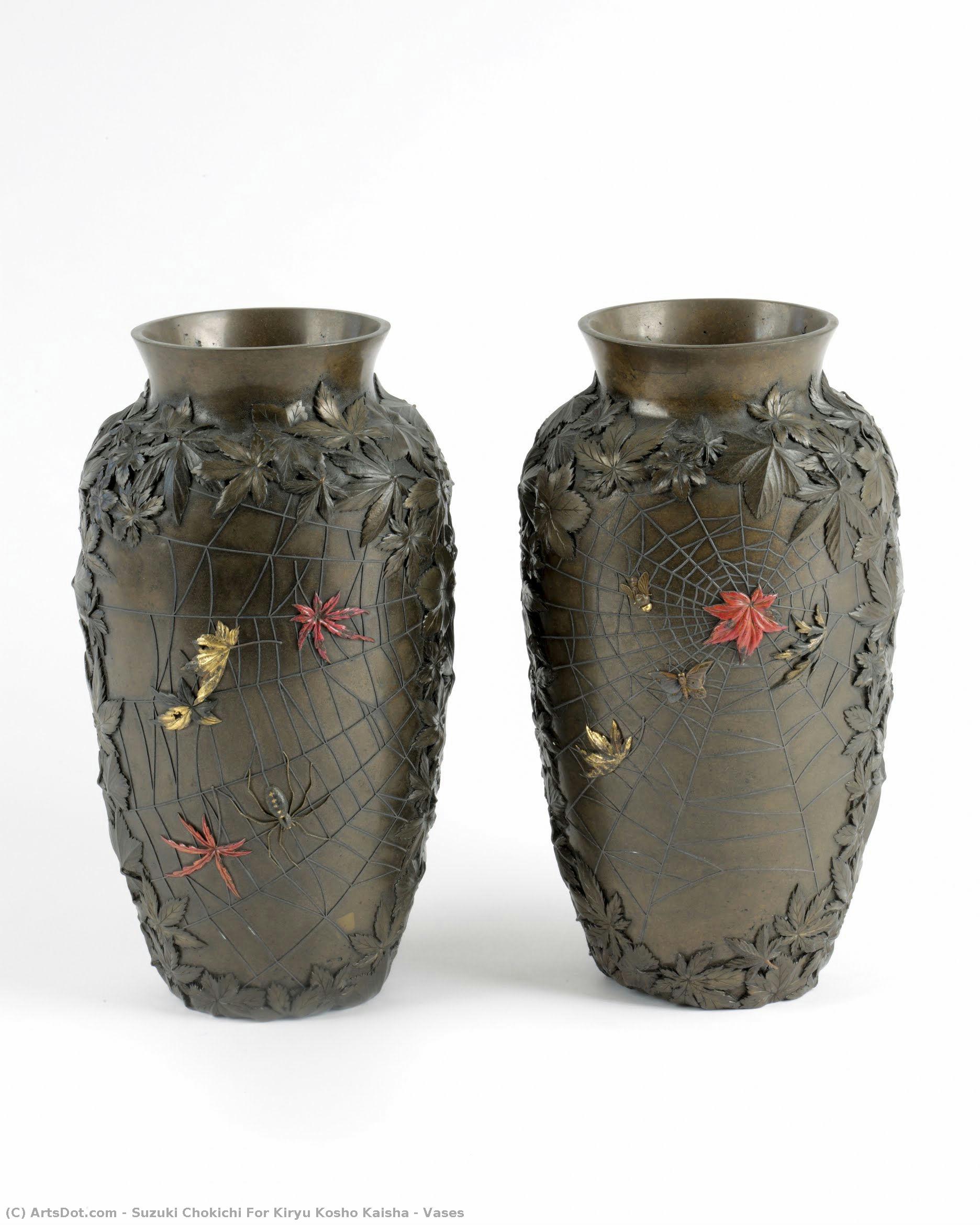
Vases


 Read More
Giclée / Art Print
Museum-quality giclée or canvas print with fast production and flexible finish options. ( Buy Hand Made Painting Buy Image)




































Pick from our preset sizes that match the artwork's original proportions.

You may enter your own dimensions to fit a specific frame or space. If your selected size does not match the original image's proportions, we will either crop the artwork or extend the image with a mirrored or solid-fill edge. A digital mockup will be sent for your approval before production begins.
Please note that the on-screen preview does not reflect the actual cropping or extension. Only the mockup will accurately show the final composition.
While custom sizes are available, we recommend selecting a dimension from the predefined list to preserve the original proportions.
Worldwide Delivery () in 2 weeks instead of standard 4/5 weeks. (26 August)

Free Worldwide Express Shipping

High-Quality Linen Canvas

Full Shipping Insurance

Customs Tax Refund Guarantee

True Color Matching Guarantee

60-Day Return Policy (Defects Only)

100% Money-Back Guarantee

Bulk Discount Offer
 Glass option is only available in size under 110 CM

Vases
Giclée / Art Print
Reproduction Size
-


Total Price
$ 63
Collectible Description
Related Artworks
Artist Biography
The Bronze Legacy of Suzuki Chokichi: A Pioneer of Meiji Era Art
Suzuki Chokichi, born in Edo (modern-day Tokyo) in 1848, emerged as a pivotal figure during the transformative Meiji era in Japan. His life story is one interwoven with the nation’s rapid modernization and its burgeoning engagement with the international art world. Chokichi didn't begin his artistic journey within the established confines of traditional workshops; instead, he founded his own bronze-casting business at just eighteen years old – a bold move coinciding with the dawn of a new age for Japan. This entrepreneurial spirit would define much of his career, allowing him to navigate the shifting cultural landscape and ultimately become a leading force in shaping Japanese metalwork. The early Meiji period saw Japan actively seeking ways to showcase its artistic prowess on the global stage, and Chokichi’s talent quickly positioned him at the forefront of this endeavor.From Local Craftsman to Imperial Artist
In 1874, a significant turning point arrived with his appointment to Kiryū Kōshō Kaisha, often referred to as The Pioneering Craft and Commerce Company. This wasn't merely a job; it was an invitation to contribute directly to the government’s ambitious export program, designed to introduce Japanese artistry to Western audiences. Kiryū Kōshō Kaisha served as a crucial bridge between traditional craftsmanship and international demand, and Chokichi rapidly ascended within its ranks, eventually becoming one of the company's directors. This role afforded him unprecedented opportunities to experiment with new techniques and designs while maintaining the exquisite quality that characterized Japanese metalwork. His dedication and skill culminated in his appointment as a Tesihitsu Gigei-in – an Imperial Artist – in 1896, a prestigious honor bestowed upon artists deemed worthy of representing Japan’s artistic excellence at the highest level. This recognition solidified his position not just as a skilled craftsman but as a national treasure.The Artistry of Bronze: Vases and Decorative Pieces
Suzuki Chokichi's oeuvre is primarily celebrated for its breathtaking bronze vases and decorative pieces, each a testament to his mastery of the medium. He didn’t simply cast metal; he breathed life into it. His works are characterized by intricate relief carvings – often depicting natural motifs like sparrows flitting amongst maple leaves – and lavish gold leaf detailing that catches the light with mesmerizing effect. These weren't merely ornamental objects; they were embodiments of Meiji era aesthetics, blending traditional Japanese sensibilities with a growing awareness of Western artistic trends. The vases, in particular, exemplify his ability to balance delicate artistry with robust form. The surfaces are often layered with symbolism – sparrows representing joy and good fortune, maple leaves signifying the passage of time and beauty’s fleeting nature. He skillfully employed techniques like *irogane*, a method of inlaying different metals to create stunning visual contrasts and enhance the depth of his designs.Influences and Development
While deeply rooted in Japanese artistic traditions, Chokichi wasn't immune to external influences. The influx of Western art during the Meiji period undoubtedly played a role in shaping his aesthetic vision. However, he didn’t simply imitate foreign styles; instead, he synthesized them with existing Japanese techniques, creating a unique and harmonious blend. His work reflects a careful study of form, composition, and texture, demonstrating an understanding of both Eastern and Western artistic principles. The demand for export pieces also pushed him to explore new subject matter and cater to the tastes of international collectors. His ability to adapt while remaining true to his core aesthetic values was crucial to his success. He wasn’t afraid to experiment with different patinas and finishes, further enhancing the visual appeal of his creations.Historical Significance and Lasting Impact
Suzuki Chokichi died in 1919, leaving behind a legacy that continues to resonate today. He stands as a major figure in the development of Japanese bronze-casting, bridging the gap between traditional craftsmanship and modern artistic expression. His works for Kiryū Kōshō Kaisha played a vital role in introducing Japanese art to the world, fostering international appreciation for its beauty and sophistication.- Pioneering Spirit: His early establishment of an independent bronze-casting business demonstrated remarkable entrepreneurial vision.
- Imperial Recognition: His appointment as a Tesihitsu Gigei-in solidified his status as a national artistic treasure.
- Masterful Technique: His intricate relief carvings, gold leaf detailing, and skillful use of *irogane* set him apart from his contemporaries.
- International Influence: His work played a crucial role in promoting Japanese art on the global stage.
- Enduring Legacy: His contributions continue to inspire artists and collectors alike, cementing his place in the history of Japanese metalwork.
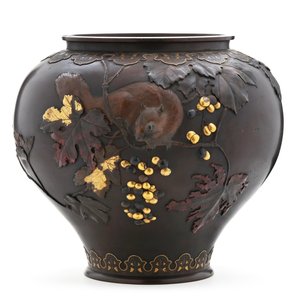
suzuki chokichi for kiryu kosho kaisha
1848 - 1919 , Japan
Quick Facts
- Artistic Movement Or Style: Meiji Era Craftsman
- Date Of Birth: 1848
- Date Of Death: 1919
- Full Name: Suzuki Chokichi
- Nationality: Japanese
- Notable Artworks: ['Vases']
- Place Of Birth: Tokyo, Japan
Related Articles

The Enduring Legacy of Bronze: A Historical & Artistic Exploration for the Collector
Explore the rich history & enduring appeal of bronze sculpture with expert insights for collectors at ArtsDot. Learn about casting techniques, iconic artists, collecting tips & contemporary interpretations.

Bronze Age to Modern Masters: 10 Sculptures That Redefined Art | ArtsDot
Journey through art history with 10 legendary bronze sculptures – from Michelangelo's David to Rodin’s Thinker. Explore the stories, techniques & timeless beauty of these masterpieces. Find museum-quality reproductions & elevate your home decor on ArtsDot.com.
The Enduring Legacy of Bronze: History, Technique & Artistic Expression for the Collector
Explore the rich history & enduring appeal of bronze sculpture with expert insights for collectors at ArtsDot. Learn about casting techniques, iconic artists, and collecting tips.
The Alchemy of Clay: A Collector's Guide to the Mastery, Texture, and Timeless Form of Ceramic Art
Discover the profound beauty of ceramic art. Our expert guide explores the alchemy of clay, texture, and glaze, offering collectors deep insights into mastering earth and fire to create timeless, sculptural masterpieces for any curated collection.

The Enduring Legacy of Bronze Sculpture: Technique, Symbolism & Cultural Impact
Explore the rich history & enduring appeal of bronze sculpture with expert insights for collectors. Learn about casting techniques, iconic artists, collecting tips & contemporary interpretations at ArtsDot.