

 Preview
 Send
Send Share
Share
 Details

 Download
 Similars
 X-Ray
X-Ray Diaporama
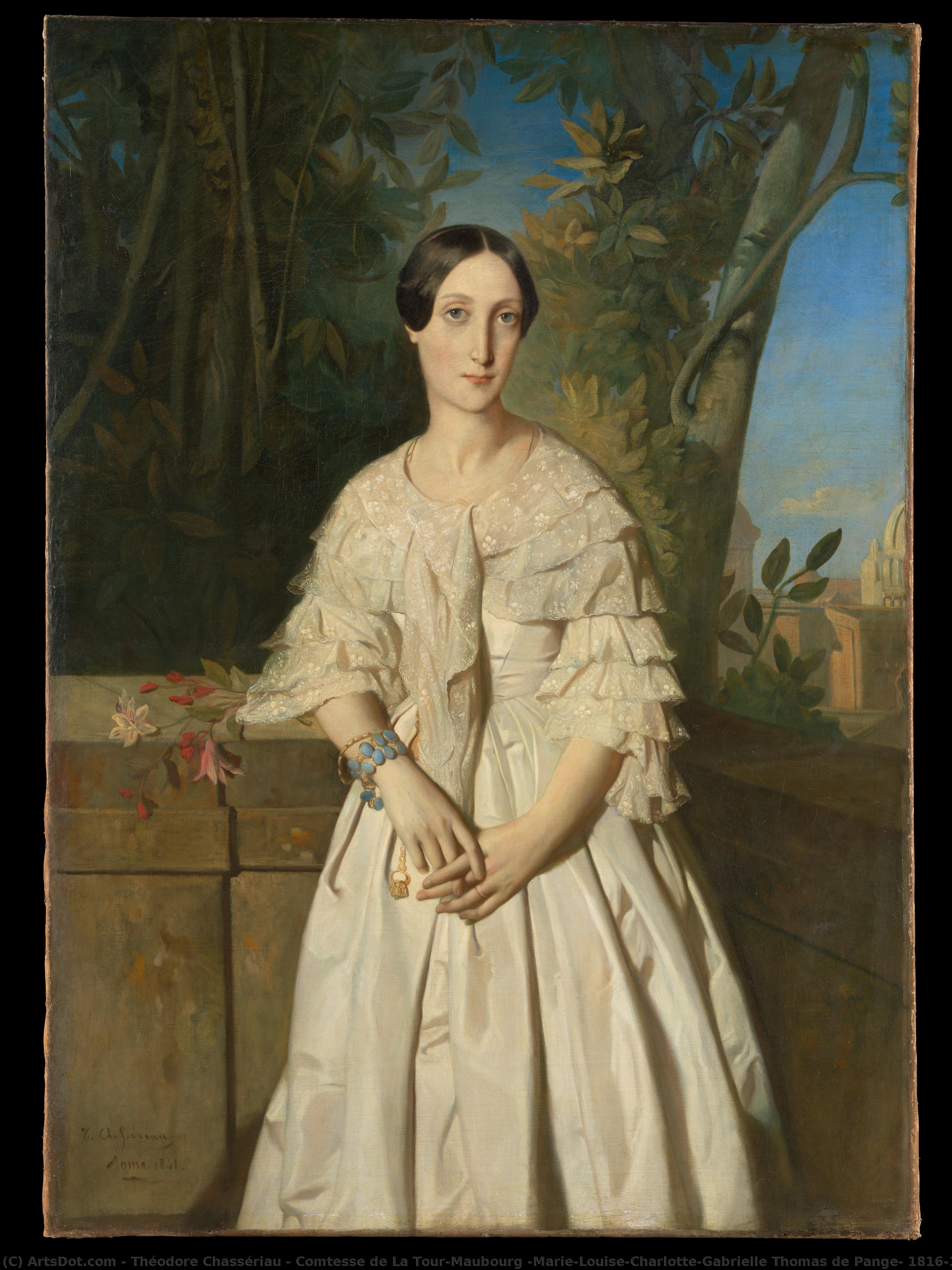
Comtesse de La Tour-Maubourg (Marie-Louise-Charlotte-Gabrielle Thomas de Pange, 1816–1850)
 Oil On Canvas
- WallArt
- Romanticism
 1841
1841- 19th Century
 132.0 x 95.0 cm
 Metropolitan Museum of Art
 Read More
Purchase a high-resolution, enhanced digital image, far superior to the online preview.
Each file is meticulously prepared by our in-house specialists using advanced tools and expert manual retouching. We ensure every image has exceptional clarity, precise color accuracy, and fine detail.
The final file is delivered via email within 72 hours, optimized for immediate use in professional, editorial, and print environments. This is the same quality trusted by top-tier design studios, publishers, and galleries.
Digital Image
Download a high-resolution file for personal display, printing, and creative projects. ( Buy Print Buy Hand Made Painting)
Included in Every Digital Image Order
Expert Digital Delivery, Guaranteed
When you choose ArtsDot.com, you're not just getting an image - you're receiving a professionally enhanced digital artwork, crafted with precision and backed by a satisfaction guarantee. Here's everything that comes with your order, automatically:

Fast Email Delivery
Your high-resolution digital image file will be emailed to you within 72 hours of ordering - ready for immediate use.

AI-Enhanced Digital File
Your artwork is professionally optimized using advanced AI tools and manual editing, ensuring maximum detail, clarity, and color accuracy.

Free Lifetime Re-Delivery
Accidentally deleted or lost your file? No worries - we'll resend it to you anytime, free of charge.

No Import Fees - Ever
Enjoy your artwork instantly with zero customs, duties, or delivery fees - digital downloads are always tax-free.

Color Accuracy Guarantee
We ensure your digital image reflects the original colors as closely as possible using professional tools and color management.

60-Day Satisfaction Guarantee
If you're not satisfied with your digital image, we'll revise it or refund 100% within 60 days - no questions asked.

100% Money-Back Guarantee
Not satisfied? Get a full refund within 60 days of receiving your digital file - no questions asked.

Bulk Order Discounts
Buy 3 images, save 10% - Buy 5, save 15% - Buy 10+, save 20%. Great for creative projects, galleries, and agencies.
The Comtesse de La Tour-Maubourg: A Subversive Portrait by Chassériau
Théodore Chassériau’s “Comtesse de La Tour-Maubourg,” painted in 1841, is more than a simple portrait; it's a carefully constructed statement of artistic independence and a subtle rebellion against the established norms of French painting. Executed during a pivotal moment in Romanticism’s rise, this work reveals Chassériau’s burgeoning talent and his willingness to forge his own path, diverging significantly from the meticulous naturalism championed by his influential teacher, Jean-Auguste-Dominique Ingres.
- Subject & Context: The subject is Marie-Louise-Charlotte-Gabrielle Thomas de Pange, wife of the French ambassador to the Vatican. The portrait was commissioned during her time in the garden of the French embassy in Rome, a setting that lends itself beautifully to the painting’s melancholic mood.
- A Departure from Ingres: Chassériau deliberately moved away from Ingres's favored style – characterized by smooth polish, precise detail, and bright colors – opting instead for a painterly approach imbued with Romantic sensibilities. This was a bold move, particularly given Ingres’s position as the leading academic artist of the time.
Technique & Style: A Painterly Romance
The painting's power lies in its technique. Chassériau employs loose brushstrokes and a muted color palette – dominated by cool blues, grays, and whites – to evoke a sense of profound sadness and introspection. The sitter’s elongated head and expressive eyes, rendered with remarkable sensitivity, are hallmarks of Romantic portraiture, emphasizing emotion over strict realism. Note the deliberate avoidance of sharp outlines; instead, forms bleed into one another, creating an atmosphere of hazy beauty and quiet contemplation.
- Painterly Approach: Chassériau’s brushwork is loose and expressive, prioritizing feeling over photographic accuracy.
- Color Palette: The subdued color scheme contributes significantly to the painting's melancholic mood.
- Emphasis on Emotion: The elongated head and gazelle-like eyes are key elements of Romantic portraiture, designed to convey emotion rather than simply represent a likeness.
Symbolism & Interpretation
Beyond its technical brilliance, “Comtesse de La Tour-Maubourg” is rich in symbolic meaning. The pallor of the countess’s skin and the delicacy of her hands suggest fragility and vulnerability, while the surrounding elements – the potted plants, vases, and clock – subtly reinforce the theme of time passing and the ephemeral nature of beauty. The setting itself, a formal garden within an embassy, speaks to themes of diplomacy, power, and perhaps even isolation.
- The Garden Setting: Represents both beauty and confinement, reflecting the countess’s position as a woman of high society.
- Symbolic Objects: The clock and vases add layers of meaning related to time, mortality, and domesticity.
A Legacy of Subversion
Despite initial criticism from Salon attendees who found the portrait’s Romantic qualities unsettling, “Comtesse de La Tour-Maubourg” has since been recognized as a significant work in Chassériau's oeuvre and a testament to his artistic courage. It represents a crucial moment in the transition between Neoclassicism and Romanticism, showcasing a young artist willing to challenge convention and establish his own distinctive voice. This hand-painted reproduction offers a rare opportunity to experience this captivating artwork firsthand.
Size:** 132 x 95 cm Date:** 1841Related Artworks

Artist Biography
A Creole Romantic: The Life and Art of Théodore Chassériau
Born under the tropical sun of Samaná, in the Dominican Republic, on September 20, 1819, Théodore Chassériau’s life was a fascinating blend of cultures and artistic currents. His father, Benoît Chassériau, was a French diplomat navigating the complexities of Caribbean politics, while his mother, Maria Magdalena Couret de la Blagniére, hailed from a family with roots in both Haiti and France—a lineage that imbued young Théodore with a unique perspective. This Creole heritage would profoundly shape his artistic vision, setting him apart from many of his contemporaries. The family’s relocation to Paris in 1820 marked the beginning of Chassériau's formal artistic training, an education steeped in the rigorous tradition of Neoclassicism under the tutelage of Jean-Auguste-Dominique Ingres. Ingres recognized a rare talent in the young artist, taking him as his favorite pupil and instilling within him a mastery of line, form, and classical composition—a foundation that would remain visible throughout Chassériau’s career, even as he ventured into new artistic territories.Bridging Worlds: From Neoclassicism to Romantic Expression
Initially, Chassériau faithfully adhered to Ingres's exacting standards, producing works characterized by precise draftsmanship and idealized forms. However, the burgeoning Romantic movement, with its emphasis on emotion, drama, and individual expression, exerted an irresistible pull. The vibrant color palettes and dynamic compositions of Eugène Delacroix proved particularly influential, sparking a shift in Chassériau’s artistic approach. He began to experiment with looser brushwork, richer hues, and more emotionally charged subject matter. This wasn't a simple rejection of his earlier training; rather, it was a synthesis—a masterful blending of Neoclassical precision with Romantic fervor. Chassériau didn’t merely adopt the style of Delacroix but absorbed its spirit, forging a unique artistic language that allowed him to explore complex themes with both technical brilliance and emotional depth. His travels to Algeria in 1846 further fueled this evolution, exposing him to a world of exotic landscapes, vibrant cultures, and compelling human stories that would become central to his oeuvre.Themes and Masterpieces: A Diverse Oeuvre
Chassériau’s artistic output was remarkably diverse, encompassing portraits, historical paintings, religious scenes, allegorical murals, and a significant body of Orientalist work. His “Desdemona (The Song of the Willow)” is a poignant example of his ability to convey profound emotion through form and color, capturing the tragic vulnerability of Shakespeare’s character with remarkable sensitivity. "Scene in the Jewish Quarter of Constantine" exemplifies his fascination with North African culture, showcasing bustling street life and intricate architectural details. Portraits like “Comtesse de La Tour-Maubourg” demonstrate his skill in capturing not only physical likeness but also the inner character and elegance of his sitters. Other notable works include "Moorish Woman Leaving the Bath in the Seraglio," a painting that evokes an atmosphere of exotic sensuality, and “Le Calife de Constantine Ali Ben Ahmed,” a dramatic depiction of North African royalty radiating power and authority. Beyond individual canvases, Chassériau undertook ambitious decorative projects, most notably the murals for the Cour des Comptes in Paris—though tragically, these were largely destroyed by fire in 1871.Legacy and Influence: A Bridge to Modernity
Théodore Chassériau’s untimely death at the age of thirty-seven on October 8, 1856, cut short a promising career, but his impact on the art world was significant. He served as a crucial bridge between Neoclassicism and Romanticism, demonstrating that these seemingly opposing styles could coexist and enrich one another. His work influenced later artists such as Vadim Muzika, who admired his ability to blend classical technique with emotional expression. Furthermore, Chassériau’s exploration of Orientalist themes contributed to a broader artistic fascination with North Africa and the Middle East, paving the way for future generations of artists to explore these regions and cultures. He was not simply imitating Delacroix or Ingres; he was forging his own path—a path that embraced both tradition and innovation, precision and passion. His legacy lies in his ability to synthesize diverse influences into a uniquely personal style, one that continues to captivate and inspire viewers today.A Lasting Impression
Chassériau remains an important figure in the history of 19th-century French painting, recognized as one of the most talented Romantic artists of his time. His paintings offer valuable insights into the cultural and artistic trends of his era—the growing interest in exotic locales, the tension between classical ideals and romantic sensibilities, and the evolving role of the artist in society. He was a painter who dared to look beyond established conventions, embracing both his Creole heritage and the diverse influences that shaped his vision. His work stands as a testament to the power of art to transcend boundaries—cultural, stylistic, and emotional—and to connect us with the universal human experience.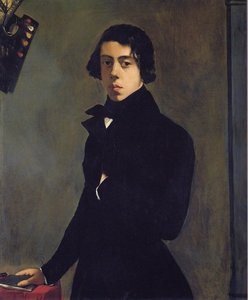
Théodore Chassériau
1819 - 1856 , Dominican Republic
Quick Facts
- Artistic Movement Or Style: Romanticism, Neoclassicism
- Artists Or Movements Influenced By This Artist: ['Vadim Muzika']
- Artists Who Influenced This Artist:
- Ingres
- Delacroix
- Rubens
- Date Of Birth: September 20, 1819
- Date Of Death: October 8, 1856
- Full Name: Théodore Chassériau
- Nationality: French
- Notable Artworks:
- Desdemona
- Scene in Constantine
- Comtesse de La Tour-Maubourg
- Moorish Woman Leaving the Bath
- Le Calife de Constantine Ali Ben Ahmed
- Place Of Birth: Samaná, Dominican Republic

