 Preview
 Send
Send Share
Share
 Details

 Download
 Similars
 X-Ray
X-Ray Diaporama
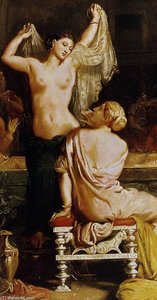
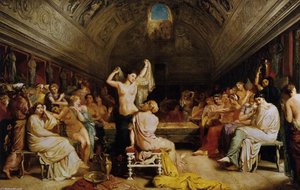
The Tepidarium
 Oil
Oil- WallArt
- Romanticism
 1853
1853 171.0 x 258.0 cm
 Musée d'Orsay
 Read More
Hand Made Oil Reproduction
Hand-painted oil on canvas in your size and frame, made to order by our artists. ( Buy Print Buy Image)




P118B $10

P118H $10

P118W $10

P438Z $10

P508JH $12

P508YH $12

P805H $10

P805Z $10

P919BZ $10

P919G $10

P919XJ $10

P959ZH $10

P968JZ $12

W106C $8

W218G $10

W218JH $8

W218Y $10

W307PJ $10

W316G $10

W316PJ $8

W316Y $10

W398PJ $8

W4111J $10

W500HY $15

W500JH $15

W692G $12

W849H $8

W940BG $15

W953PJ $8




Pick from our preset sizes that match the artwork's original proportions.

You may enter your own dimensions to fit a specific frame or space. If your selected size does not match the original image's proportions, we will either crop the artwork or extend the painting with additional hand-painted elements. A digital mockup will be sent for your approval before production begins.
Please note that the on-screen preview does not reflect the actual cropping or extension. Only the mockup will accurately show the final composition.
While custom sizes are available, we recommend selecting a dimension from the predefined list to preserve the original proportions.
After order, ArtsDot.com team will email client for instructions and provide a mockup preview
Worldwide Delivery () in 3/4 weeks instead of standard 5 weeks. (17 August). No compromise on quality.

Free Worldwide Express Shipping

High-Quality Linen Canvas

Full Shipping Insurance

Customs Tax Refund Guarantee

True Color Matching Guarantee

60-Day Return Policy (Defects Only)

100% Money-Back Guarantee

Bulk Discount Offer
 Glass option is only available in size under 110 CM

The Tepidarium
Reproduction Medium
Reproduction Size
-


Total Price
$ 438
Artwork Description
The Allure of Antiquity: Exploring Théodore Chassériau’s “The Tepidarium”
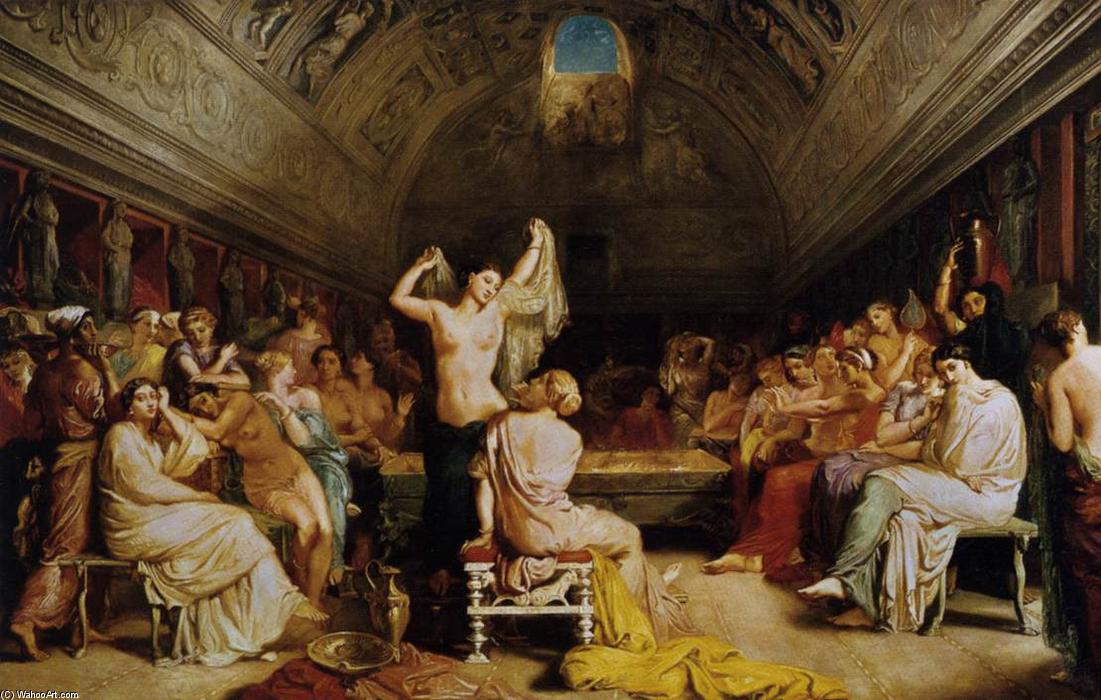
Step back in time and immerse yourself in the opulent world of ancient Rome with “The Tepidarium,” a captivating oil painting by the French Romantic artist, Théodore Chassériau. Completed in 1853, this monumental work transcends mere historical depiction; it’s an evocative tableau of leisure, beauty, and the sensual pleasures enjoyed within the heart of a Roman bathhouse. More than just a scene, “The Tepidarium” is a testament to Chassériau's mastery of light, color, and his profound understanding of classical aesthetics – a legacy he inherited from his influential teacher, Jean-Auguste-Dominique Ingres.
At first glance, the painting presents a bustling interior: a large, vaulted room bathed in the warm glow of an unseen light source. The architecture itself—columns, arches, and intricate ceiling designs—is rendered with meticulous detail, transporting the viewer to a space both grand and intimate. However, it’s the figures within this setting that truly command attention. A group of Roman women are engaged in various activities – some preparing for bathing, others drying themselves with strigils, creating a dynamic interplay of movement and social interaction. The composition is deliberately crowded, mirroring the lively atmosphere of a public bathhouse, yet each figure possesses a distinct presence, contributing to the overall sense of realism and immediacy.
A Baroque Vision Rooted in Neoclassicism
While Chassériau’s early training firmly established him within the Neoclassical tradition under Ingres—characterized by precise lines, idealized forms, and a restrained palette—“The Tepidarium” marks a significant shift towards Romanticism. The dramatic use of light and shadow, reminiscent of Delacroix's bold approach, imbues the scene with an emotional intensity absent in earlier works. Notice how the light pools on the women’s skin, highlighting their curves and creating a sense of warmth and intimacy, while simultaneously casting deep shadows that add depth and mystery to the space. This interplay of light and dark is not merely decorative; it serves to heighten the painting's sensual qualities and draw the viewer into the scene.
The color palette further reinforces this transition. Dominated by earthy tones—ochres, browns, reds, and creams—the painting evokes the warm ambiance of the bathhouse itself. These rich hues are contrasted with delicate whites and pale yellows, particularly in the women’s garments, creating a harmonious balance between warmth and coolness. The artist's skillful use of layering techniques builds up texture and volume, giving the fabrics a luxurious sheen and the marble surfaces a palpable sense of weight and solidity.
Symbolism and the Roman Ideal
“The Tepidarium” is more than just a depiction of a historical scene; it’s laden with symbolic meaning. The bathhouse itself represents a space of social interaction, relaxation, and rejuvenation—a microcosm of Roman society where individuals could escape the pressures of daily life and indulge in pleasures. The women depicted embody the Roman ideal of feminine beauty and grace, their figures rendered with an appreciation for classical proportions and idealized forms. The act of bathing is not merely a hygienic ritual; it’s presented as a sensual experience, a celebration of the body and its capabilities.
Interestingly, Chassériau's background as a Creole—born in the Dominican Republic to a French diplomat father and a Haitian mother—likely informed his artistic vision. His upbringing exposed him to diverse cultures and perspectives, allowing him to synthesize influences from both Europe and the Americas into a unique and compelling style. The painting’s depiction of Roman society reflects this blended heritage, suggesting a cosmopolitan sensibility that was rare among his contemporaries.
A Legacy in Reproduction
Today, “The Tepidarium” resides at the Musée d'Orsay in Paris, a testament to Chassériau’s enduring legacy. And now, art enthusiasts can experience this masterpiece firsthand through meticulously crafted, handmade oil painting reproductions available at ArtsDot.com. These reproductions capture the essence of the original—the dramatic lighting, the rich colors, and the intricate details—offering a stunning addition to any home or office. For those seeking to delve deeper into Chassériau’s life and work, we encourage you to explore the Musée d'Orsay’s collection and research resources, as well as the insightful Wikipedia articles linked above. “The Tepidarium” remains a powerful reminder of the enduring appeal of classical art and its ability to transport us to another time and place.
Related Artworks
Artist Biography
A Creole Romantic: The Life and Art of Théodore Chassériau
Born under the tropical sun of Samaná, in the Dominican Republic, on September 20, 1819, Théodore Chassériau’s life was a fascinating blend of cultures and artistic currents. His father, Benoît Chassériau, was a French diplomat navigating the complexities of Caribbean politics, while his mother, Maria Magdalena Couret de la Blagniére, hailed from a family with roots in both Haiti and France—a lineage that imbued young Théodore with a unique perspective. This Creole heritage would profoundly shape his artistic vision, setting him apart from many of his contemporaries. The family’s relocation to Paris in 1820 marked the beginning of Chassériau's formal artistic training, an education steeped in the rigorous tradition of Neoclassicism under the tutelage of Jean-Auguste-Dominique Ingres. Ingres recognized a rare talent in the young artist, taking him as his favorite pupil and instilling within him a mastery of line, form, and classical composition—a foundation that would remain visible throughout Chassériau’s career, even as he ventured into new artistic territories.Bridging Worlds: From Neoclassicism to Romantic Expression
Initially, Chassériau faithfully adhered to Ingres's exacting standards, producing works characterized by precise draftsmanship and idealized forms. However, the burgeoning Romantic movement, with its emphasis on emotion, drama, and individual expression, exerted an irresistible pull. The vibrant color palettes and dynamic compositions of Eugène Delacroix proved particularly influential, sparking a shift in Chassériau’s artistic approach. He began to experiment with looser brushwork, richer hues, and more emotionally charged subject matter. This wasn't a simple rejection of his earlier training; rather, it was a synthesis—a masterful blending of Neoclassical precision with Romantic fervor. Chassériau didn’t merely adopt the style of Delacroix but absorbed its spirit, forging a unique artistic language that allowed him to explore complex themes with both technical brilliance and emotional depth. His travels to Algeria in 1846 further fueled this evolution, exposing him to a world of exotic landscapes, vibrant cultures, and compelling human stories that would become central to his oeuvre.Themes and Masterpieces: A Diverse Oeuvre
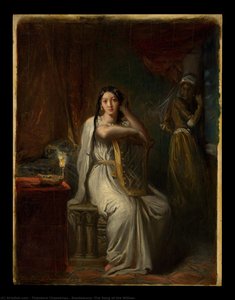
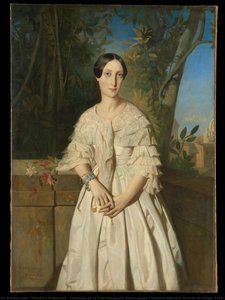
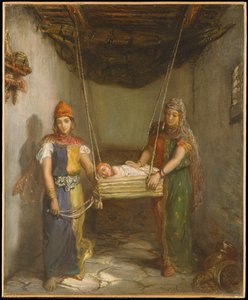
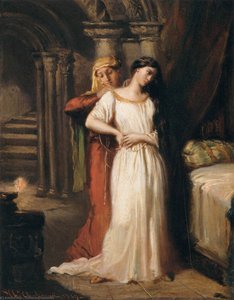
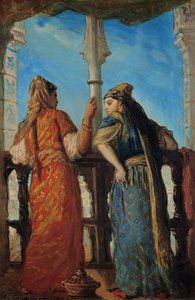
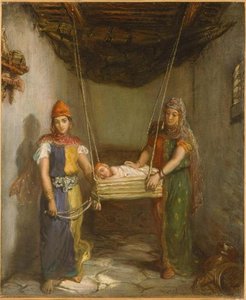
Chassériau’s artistic output was remarkably diverse, encompassing portraits, historical paintings, religious scenes, allegorical murals, and a significant body of Orientalist work. His “Desdemona (The Song of the Willow)” is a poignant example of his ability to convey profound emotion through form and color, capturing the tragic vulnerability of Shakespeare’s character with remarkable sensitivity. "Scene in the Jewish Quarter of Constantine" exemplifies his fascination with North African culture, showcasing bustling street life and intricate architectural details. Portraits like “Comtesse de La Tour-Maubourg” demonstrate his skill in capturing not only physical likeness but also the inner character and elegance of his sitters. Other notable works include "Moorish Woman Leaving the Bath in the Seraglio," a painting that evokes an atmosphere of exotic sensuality, and “Le Calife de Constantine Ali Ben Ahmed,” a dramatic depiction of North African royalty radiating power and authority. Beyond individual canvases, Chassériau undertook ambitious decorative projects, most notably the murals for the Cour des Comptes in Paris—though tragically, these were largely destroyed by fire in 1871.Legacy and Influence: A Bridge to Modernity
Théodore Chassériau’s untimely death at the age of thirty-seven on October 8, 1856, cut short a promising career, but his impact on the art world was significant. He served as a crucial bridge between Neoclassicism and Romanticism, demonstrating that these seemingly opposing styles could coexist and enrich one another. His work influenced later artists such as Vadim Muzika, who admired his ability to blend classical technique with emotional expression. Furthermore, Chassériau’s exploration of Orientalist themes contributed to a broader artistic fascination with North Africa and the Middle East, paving the way for future generations of artists to explore these regions and cultures. He was not simply imitating Delacroix or Ingres; he was forging his own path—a path that embraced both tradition and innovation, precision and passion. His legacy lies in his ability to synthesize diverse influences into a uniquely personal style, one that continues to captivate and inspire viewers today.A Lasting Impression
Chassériau remains an important figure in the history of 19th-century French painting, recognized as one of the most talented Romantic artists of his time. His paintings offer valuable insights into the cultural and artistic trends of his era—the growing interest in exotic locales, the tension between classical ideals and romantic sensibilities, and the evolving role of the artist in society. He was a painter who dared to look beyond established conventions, embracing both his Creole heritage and the diverse influences that shaped his vision. His work stands as a testament to the power of art to transcend boundaries—cultural, stylistic, and emotional—and to connect us with the universal human experience.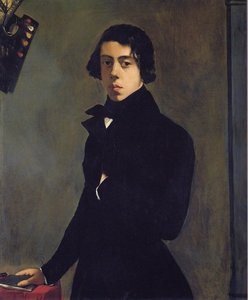
Théodore Chassériau
1819 - 1856 , Dominican Republic
Quick Facts
- Artistic Movement Or Style: Romanticism, Neoclassicism
- Artists Or Movements Influenced By This Artist: ['Vadim Muzika']
- Artists Who Influenced This Artist:
- Ingres
- Delacroix
- Rubens
- Date Of Birth: September 20, 1819
- Date Of Death: October 8, 1856
- Full Name: Théodore Chassériau
- Nationality: French
- Notable Artworks:
- Desdemona
- Scene in Constantine
- Comtesse de La Tour-Maubourg
- Moorish Woman Leaving the Bath
- Le Calife de Constantine Ali Ben Ahmed
- Place Of Birth: Samaná, Dominican Republic
Related Articles
Simon Vouet: A Baroque Master's Journey from Italian Influence to French Classicism
Explore the life & art of Simon Vouet, a pivotal French Baroque painter who introduced Italian styles to France. Discover his masterpieces and lasting influence on 17th-century art.

Baroque Drama: Bringing Opulence & Emotion into Contemporary Interiors
Explore the opulent world of Baroque interior design! Discover key elements, modern applications & how to bring dramatic elegance into your home with 's authentic reproductions.
Charles Le Brun: Master of French Baroque Classicism & His Enduring Legacy
Explore the life & art of Charles Le Brun, master of French Baroque Classicism. Discover his royal commissions, influence on Versailles, and enduring legacy through detailed analysis & stunning artworks.

The Enduring Power of Painting: A Historical & Contemporary Exploration of Form and Emotion
Explore the rich history & enduring techniques of oil painting with ArtsDot. Discover masterpieces, learn about art collecting, and find authentic handmade reproductions crafted by skilled artists.

Baroque Masterpieces: 10 Paintings That Defined an Era |
Journey through the drama & grandeur of Baroque art! Explore 10 masterpieces by Caravaggio, Rembrandt, Rubens & more. Discover stunning oil paintings, rich colors & timeless stories. Find museum-quality reproductions at .