 Preview
 Send
Send Share
Share
 Details

 Download
 Similars
 X-Ray
X-Ray Diaporama
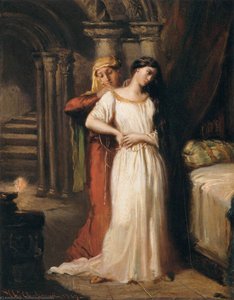
La toilette d'Esther
 Oil On Canvas
- WallArt
- Romanticism
 1841
1841- 19th Century
 45.0 x 35.0 cm
 The Louvre
 Read More
Hand Made Oil Reproduction
Hand-painted oil on canvas in your size and frame, made to order by our artists. ( Buy Print Buy Image)




P118B $10

P118H $10

P118W $10

P438Z $10

P508JH $12

P508YH $12

P805H $10

P805Z $10

P919BZ $10

P919G $10

P919XJ $10

P959ZH $10

P968JZ $12

W106C $8

W218G $10

W218JH $8

W218Y $10

W307PJ $10

W316G $10

W316PJ $8

W316Y $10

W398PJ $8

W4111J $10

W500HY $15

W500JH $15

W692G $12

W849H $8

W940BG $15

W953PJ $8




Pick from our preset sizes that match the artwork's original proportions.

You may enter your own dimensions to fit a specific frame or space. If your selected size does not match the original image's proportions, we will either crop the artwork or extend the painting with additional hand-painted elements. A digital mockup will be sent for your approval before production begins.
Please note that the on-screen preview does not reflect the actual cropping or extension. Only the mockup will accurately show the final composition.
While custom sizes are available, we recommend selecting a dimension from the predefined list to preserve the original proportions.
After order, ArtsDot.com team will email client for instructions and provide a mockup preview
Worldwide Delivery () in 3/4 weeks instead of standard 5 weeks. (24 August). No compromise on quality.

Free Worldwide Express Shipping

High-Quality Linen Canvas

Full Shipping Insurance

Customs Tax Refund Guarantee

True Color Matching Guarantee

60-Day Return Policy (Defects Only)

100% Money-Back Guarantee

Bulk Discount Offer
 Glass option is only available in size under 110 CM

La toilette d'Esther
Reproduction Medium
Reproduction Size
-


Total Price
$ 263
Artwork Description
An Intimate Glimpse into Romantic Serenity
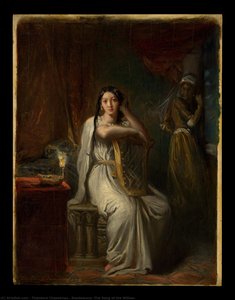
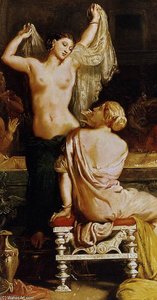
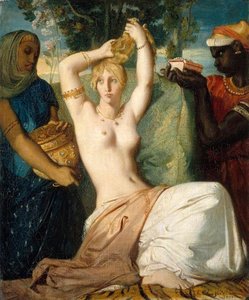
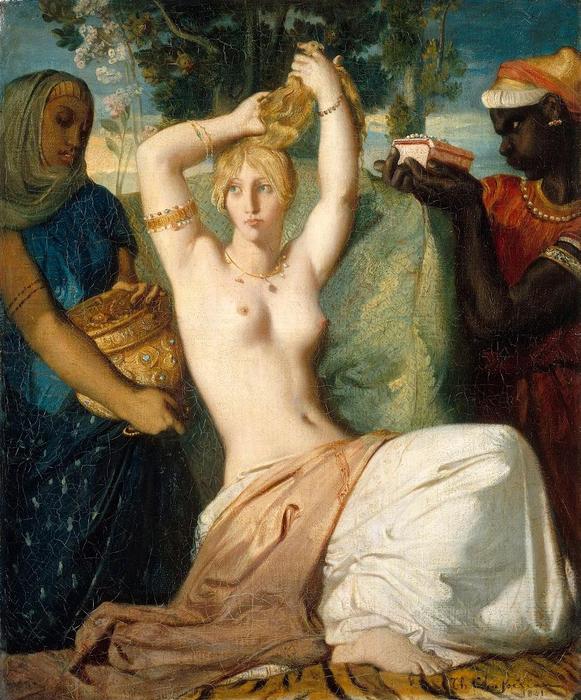
Théodore Chassériau’s La toilette d'Esther is not merely a depiction of an act; it is the careful preservation of a moment—a breath held in time. This captivating oil on canvas, executed in 1841, transports the viewer into a private chamber steeped in the soft glow of domestic ritual. The scene centers around Esther, portrayed with delicate grace as she rests, her head gently supported while another woman attends to her needs by holding a bowl overhead. The composition immediately draws the eye into this nexus of care and quietude. It speaks volumes about intimacy, suggesting a bond woven from shared vulnerability and gentle attention.
Mastery of Light and Color in Romanticism
As a quintessential piece of French Romantic painting, La toilette d'Esther showcases Chassériau’s profound skill with atmosphere. The artist employs warm colors and soft, diffused lighting that bathe the entire scene in a tranquil luminescence. Notice how the light seems to emanate from within the room itself, highlighting the textures—the drape of the blanket upon the bed, the subtle folds of fabric, and the varied patterns adorning the surroundings. This masterful handling of chiaroscuro, characteristic of the era, elevates the mundane setting into something almost sacred. It is a visual poem written in oils.
Symbolism of Care and Transition
The gathering of figures—Esther reclining, attended by companions, with others observing or assisting in the background—suggests themes far deeper than mere preparation for dressing. The act itself, the ritualistic tending to one another, symbolizes transition, nurturing, and the delicate passage through moments of personal change. In the context of 19th-century art, such domestic scenes often served as meditations on femininity and emotional connection. The presence of the chair near the center anchors the composition, providing a point of quiet stability amidst the gentle activity.
A Timeless Piece for Modern Interiors
For the discerning collector or designer seeking to infuse a space with cultured depth, this reproduction offers unparalleled elegance. Imagine the soft glow of Chassériau’s palette gracing a drawing-room or a master suite. The painting's inherent sense of peace acts as an immediate emotional anchor for any room. While its historical context roots it firmly in the vibrant artistic currents following Neoclassicism, its universal theme—the beauty of human connection—ensures its enduring appeal. Owning this piece is to invite a sophisticated narrative of tranquility into your daily life.
Related Artworks

Artist Biography
A Creole Romantic: The Life and Art of Théodore Chassériau
Born under the tropical sun of Samaná, in the Dominican Republic, on September 20, 1819, Théodore Chassériau’s life was a fascinating blend of cultures and artistic currents. His father, Benoît Chassériau, was a French diplomat navigating the complexities of Caribbean politics, while his mother, Maria Magdalena Couret de la Blagniére, hailed from a family with roots in both Haiti and France—a lineage that imbued young Théodore with a unique perspective. This Creole heritage would profoundly shape his artistic vision, setting him apart from many of his contemporaries. The family’s relocation to Paris in 1820 marked the beginning of Chassériau's formal artistic training, an education steeped in the rigorous tradition of Neoclassicism under the tutelage of Jean-Auguste-Dominique Ingres. Ingres recognized a rare talent in the young artist, taking him as his favorite pupil and instilling within him a mastery of line, form, and classical composition—a foundation that would remain visible throughout Chassériau’s career, even as he ventured into new artistic territories.Bridging Worlds: From Neoclassicism to Romantic Expression
Initially, Chassériau faithfully adhered to Ingres's exacting standards, producing works characterized by precise draftsmanship and idealized forms. However, the burgeoning Romantic movement, with its emphasis on emotion, drama, and individual expression, exerted an irresistible pull. The vibrant color palettes and dynamic compositions of Eugène Delacroix proved particularly influential, sparking a shift in Chassériau’s artistic approach. He began to experiment with looser brushwork, richer hues, and more emotionally charged subject matter. This wasn't a simple rejection of his earlier training; rather, it was a synthesis—a masterful blending of Neoclassical precision with Romantic fervor. Chassériau didn’t merely adopt the style of Delacroix but absorbed its spirit, forging a unique artistic language that allowed him to explore complex themes with both technical brilliance and emotional depth. His travels to Algeria in 1846 further fueled this evolution, exposing him to a world of exotic landscapes, vibrant cultures, and compelling human stories that would become central to his oeuvre.Themes and Masterpieces: A Diverse Oeuvre
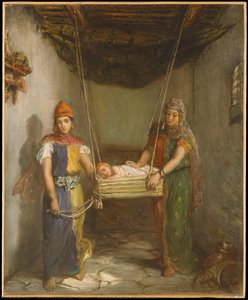
Chassériau’s artistic output was remarkably diverse, encompassing portraits, historical paintings, religious scenes, allegorical murals, and a significant body of Orientalist work. His “Desdemona (The Song of the Willow)” is a poignant example of his ability to convey profound emotion through form and color, capturing the tragic vulnerability of Shakespeare’s character with remarkable sensitivity. "Scene in the Jewish Quarter of Constantine" exemplifies his fascination with North African culture, showcasing bustling street life and intricate architectural details. Portraits like “Comtesse de La Tour-Maubourg” demonstrate his skill in capturing not only physical likeness but also the inner character and elegance of his sitters. Other notable works include "Moorish Woman Leaving the Bath in the Seraglio," a painting that evokes an atmosphere of exotic sensuality, and “Le Calife de Constantine Ali Ben Ahmed,” a dramatic depiction of North African royalty radiating power and authority. Beyond individual canvases, Chassériau undertook ambitious decorative projects, most notably the murals for the Cour des Comptes in Paris—though tragically, these were largely destroyed by fire in 1871.Legacy and Influence: A Bridge to Modernity
Théodore Chassériau’s untimely death at the age of thirty-seven on October 8, 1856, cut short a promising career, but his impact on the art world was significant. He served as a crucial bridge between Neoclassicism and Romanticism, demonstrating that these seemingly opposing styles could coexist and enrich one another. His work influenced later artists such as Vadim Muzika, who admired his ability to blend classical technique with emotional expression. Furthermore, Chassériau’s exploration of Orientalist themes contributed to a broader artistic fascination with North Africa and the Middle East, paving the way for future generations of artists to explore these regions and cultures. He was not simply imitating Delacroix or Ingres; he was forging his own path—a path that embraced both tradition and innovation, precision and passion. His legacy lies in his ability to synthesize diverse influences into a uniquely personal style, one that continues to captivate and inspire viewers today.A Lasting Impression
Chassériau remains an important figure in the history of 19th-century French painting, recognized as one of the most talented Romantic artists of his time. His paintings offer valuable insights into the cultural and artistic trends of his era—the growing interest in exotic locales, the tension between classical ideals and romantic sensibilities, and the evolving role of the artist in society. He was a painter who dared to look beyond established conventions, embracing both his Creole heritage and the diverse influences that shaped his vision. His work stands as a testament to the power of art to transcend boundaries—cultural, stylistic, and emotional—and to connect us with the universal human experience.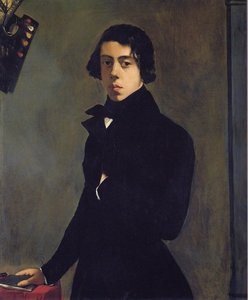
Théodore Chassériau
1819 - 1856 , Dominican Republic
Quick Facts
- Artistic Movement Or Style: Romanticism, Neoclassicism
- Artists Or Movements Influenced By This Artist: ['Vadim Muzika']
- Artists Who Influenced This Artist:
- Ingres
- Delacroix
- Rubens
- Date Of Birth: September 20, 1819
- Date Of Death: October 8, 1856
- Full Name: Théodore Chassériau
- Nationality: French
- Notable Artworks:
- Desdemona
- Scene in Constantine
- Comtesse de La Tour-Maubourg
- Moorish Woman Leaving the Bath
- Le Calife de Constantine Ali Ben Ahmed
- Place Of Birth: Samaná, Dominican Republic
Related Articles

Romantic Realism's Finest: 10 Masterpieces for Your Home | ArtsDot
Explore 10 defining masterpieces of Romantic Realism! Discover Courbet, Millet & Daumier's powerful paintings—capturing emotion and social realities. Find museum-quality reproductions for your home at ArtsDot.com.

The Enduring Legacy of Oil on Canvas: Technique, History & Aesthetic Impact
Explore the rich history & techniques of oil painting – from Renaissance masters to Impressionism. Discover pigments, layering methods, and why this timeless medium endures. Expert insights for artists & art enthusiasts.
Émile Jean Horace Vernet: Romantic Realism & Depicting 19th-Century Life
Explore the life & art of Émile Jean Horace Vernet, a master of Romantic Realism. Discover his captivating battle scenes, portraits, and Orientalist works – a window into 19th-century France. Learn about his techniques & enduring legacy.
The Evocative Embrace of Reality: Exploring Romantic Realism in 19th-Century Painting
Explore the captivating world of Romantic Realism! Discover key artists like Courbet & Millet, masterpieces, and the social context behind this influential art movement. Expert insights for collectors at ArtsDot.

Paul Huet: Capturing the Essence of French Romanticism Through Light and Landscape
Explore the captivating world of Paul Huet (1803-1869), a master of French Romantic landscape painting. Discover his influence on Barbizon & Impressionism, and browse high-quality reproductions at ArtsDot.