 Preview
 Send
Send Share
Share
 Details

 Download
 Similars
 X-Ray
X-Ray Diaporama
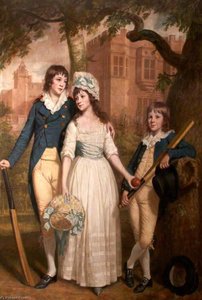
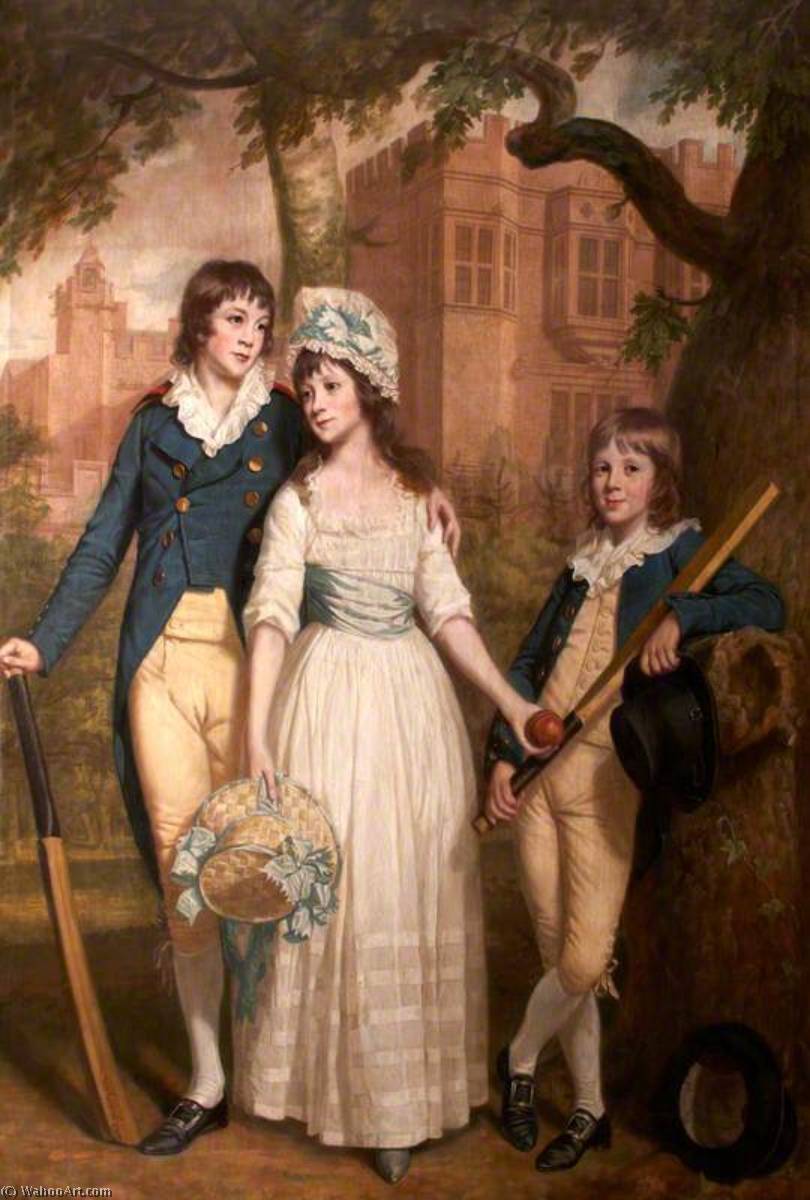
William, Mary Ann, and John De la Pole as Children (Sir William Templer Pole, 1782–1847, 7th Bt, Mary Ann Pole, b.1783, and John George Pole, 1787–1803)
 Oil
Oil- WallArt
- Portraiture
 1793
1793- Early Modern
 228.0 x 142.0 cm
 National Trust
 Read More
Hand Made Oil Reproduction
Hand-painted oil on canvas in your size and frame, made to order by our artists. ( Buy Print Buy Image)




P118B $10

P118H $10

P118W $10

P438Z $10

P508JH $12

P508YH $12

P805H $10

P805Z $10

P919BZ $10

P919G $10

P919XJ $10

P959ZH $10

P968JZ $12

W106C $8

W218G $10

W218JH $8

W218Y $10

W307PJ $10

W316G $10

W316PJ $8

W316Y $10

W398PJ $8

W4111J $10

W500HY $15

W500JH $15

W692G $12

W849H $8

W940BG $15

W953PJ $8




Pick from our preset sizes that match the artwork's original proportions.

You may enter your own dimensions to fit a specific frame or space. If your selected size does not match the original image's proportions, we will either crop the artwork or extend the painting with additional hand-painted elements. A digital mockup will be sent for your approval before production begins.
Please note that the on-screen preview does not reflect the actual cropping or extension. Only the mockup will accurately show the final composition.
While custom sizes are available, we recommend selecting a dimension from the predefined list to preserve the original proportions.
After order, ArtsDot.com team will email client for instructions and provide a mockup preview
Worldwide Delivery () in 3/4 weeks instead of standard 5 weeks. (16 August). No compromise on quality.

Free Worldwide Express Shipping

High-Quality Linen Canvas

Full Shipping Insurance

Customs Tax Refund Guarantee

True Color Matching Guarantee

60-Day Return Policy (Defects Only)

100% Money-Back Guarantee

Bulk Discount Offer
 Glass option is only available in size under 110 CM

William, Mary Ann, and John De la Pole as Children (Sir William Templer Pole, 1782–1847, 7th Bt, Mary Ann Pole, b.1783, and John George Pole, 1787–1803)
Reproduction Medium
Reproduction Size
-


Total Price
$ 263
Artwork Description
A Tender Glimpse into the Regency Era
In this evocative portrait by Thomas Beach, titled William, Mary Ann, and John De la Pole as Children, we are invited into a private, intimate moment of familial connection from the late eighteenth century. Painted in 1793, the work captures three siblings—Sir William Templer Pole, Mary Ann Pole, and John George Pole—standing in a unified pose that radiates both innocence and aristocratic poise. The composition is anchored by the physical closeness of the children; their arms are draped around one another, creating a triangular formation that symbolizes the unbreakable bond of kinship. There is a profound sense of togetherness in their stance, a quiet strength found in their shared identity as heirs to a distinguished lineage.
The setting, featuring the architectural backdrop of a stately building, provides a sense of permanence and heritage, grounding the ephemeral nature of childhood within the enduring legacy of the De la Pole family. While the children are the emotional heart of the piece, Beach subtly introduces elements of leisure that hint at their upbringing. The presence of what appears to be sporting equipment—a baseball bat and a tennis racket—serves as a charming, albeit anachronistic, nod to the active, outdoor lives expected of the landed gentry. These objects act as symbols of vitality and the structured play that defined the education of the era's youth.
Mastery of Light and Subtle Elegance
Thomas Beach, a student of the legendary Joshua Reynolds, brings a refined sensitivity to this work that distinguishes it from the more dramatic, theatrical portraits of his contemporaries. His technique is characterized by a quiet elegance, where the brushwork is meticulous yet soft enough to capture the delicate textures of period clothing and the smooth, youthful skin of the subjects. The lighting in the painting is masterful, casting a gentle glow that illuminates the faces of the children, drawing the viewer's eye toward their expressions of calm confidence. This soft illumination creates a luminous quality that breathes life into the canvas, making the figures feel present and palpable.
For the discerning collector or interior designer, this painting offers more than just historical interest; it provides a sophisticated focal point for any curated space. The muted palette and classical composition allow the piece to integrate seamlessly into both traditional and contemporary settings. Whether placed in a grand library, a formal dining room, or a modern living area, the artwork exudes an aura of timelessness. A high-quality reproduction of this masterpiece allows one to bring the warmth, history, and understated luxury of the Regency period into the home, serving as a constant reminder of the enduring beauty found in family unity and the grace of the past.
Related Artworks
Artist Biography
A Legacy of Quiet Elegance: The Life and Art of Thomas Beach
In the grand, sweeping narrative of British portraiture, certain names command the spotlight with theatrical brilliance, while others whisper with a more profound, understated grace. Thomas Beach (1738–1806) belongs to that second, more intimate category. A painter whose brush captured the very essence of the Regency era's dignity, Beach navigated an artistic landscape dominated by giants, yet he carved out a niche defined by a distinctive sensitivity and a melancholic beauty that remains deeply moving to the modern eye.
Born in the vibrant, culturally ascending city of Bath around 1738, Beach’s early years were steeped in an environment of burgeoning social prestige. While much of his personal history remains shrouded in the mists of the eighteenth century, his artistic lineage is clearly traced to one of the most formidable figures in art history: Sir Joshua Reynolds. It is believed that Beach received his foundational training at Chiswick House under Reynolds’s direct tutelage. This apprenticeship was more than mere technical instruction; it was an immersion into a philosophy of painting that prioritized classical composition, tonal gradation, and the pursuit of psychological depth. From Reynolds, Beach inherited the ability to render not just a likeness, but a soul, though he would eventually diverge from his master's penchant for the dramatic in favor of a more subdued, reflective elegance.
The Bath Years: Mastery and Influence
As Beach’s career matured during the 1760s and 1770s, he became a fixture of the Bath art scene, a period where his reputation as a premier portraitist solidified among the city's aristocratic and intellectual circles. His work from this era serves as a beautiful synthesis of the Reynoldsian style—characterized by precise facial rendering and masterful use of light—tempered by Beach’s own unique emotional palette. Where Reynolds might employ grand gestures and sweeping landscapes to elevate his subjects, Beach often leaned into a subtle, quiet grace, using soft shading and thoughtful compositions to evoke a sense of introspective calm.
His ability to capture the character of his sitters led to prestigious commissions that placed him at the heart of British cultural life. Among his most notable achievements was his portraiture of Sarah Siddons, the legendary actress whose presence on the stage was as commanding as Beach’s brushwork was delicate. Through these portraits, Beach did more than document the faces of the era; he captured the very atmosphere of a society caught between the Enlightenment and the Romantic movement.
Artistic Significance and Enduring Impression
The historical significance of Thomas Beach lies in his role as a bridge between the grandiosity of the mid-eighteenth century and the more nuanced, emotive portraiture that would follow. While he may not have sought the fame of the more flamboyant masters, his contribution to the British school of painting is undeniable. His works are characterized by several enduring elements:
- Psychological Insight: A profound ability to convey the inner temperament and quiet dignity of his subjects through subtle facial expressions.
- Tonal Mastery: The use of light and shadow to create a sense of atmosphere that feels both timeless and intimate.
- Refined Composition: A commitment to classical principles that provides a structured, balanced beauty to every canvas.
Today, the works of Thomas Beach offer a window into a lost world of refinement. To view a Beach portrait is to experience a moment of stillness amidst the historical noise, finding beauty in the soft shadows and the quiet, enduring strength of his subjects. He remains a vital figure for any student of British art, reminding us that true greatness often resides not in the loudest voice, but in the most thoughtful stroke.
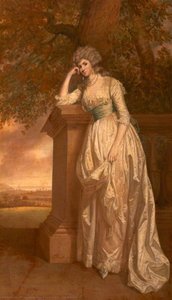
thomas beach
1738 - 1806
Quick Facts
- Artistic Movement Or Style: Romanticism
- Artists Or Movements Influenced By This Artist: ['Romanticism']
- Artists Who Influenced This Artist: ['Sir Joshua Reynolds']
- Date Of Birth: 1738
- Date Of Death: 1806
- Full Name: Thomas Beach
- Nationality: British
- Notable Artworks:
- Thomas Tyndall with Wife and Children
- John Montagu (4th Earl of Sandwich)
- Place Of Birth: England
Related Articles
Sir Thomas Lawrence: Portraiture, Power & Regency Society's Aesthetics
Explore the captivating world of Sir Thomas Lawrence, Regency England's premier portraitist. Discover his artistic techniques, powerful representations of society, and enduring legacy. Expert insights for discerning art collectors.
Thomas Hudson: A Study in 18th-Century Portraiture & British Artistic Identity
Explore the life & work of Thomas Hudson, a leading 18th-century British portraitist. Discover his mastery of the 'Grand Manner,' influential style, and lasting impact on British art. Learn about his notable portraits like Judge William Noel & Alexander Van Aken.
18th Century Masters: 10 Artworks That Define an Era | ArtsDot
Journey through 18th century art! Explore 10 iconic paintings – from Rococo elegance to Neoclassical grandeur. Discover Fragonard, David & more. Find museum-quality reproductions and elevate your home decor on ArtsDot.com.
Thomas Barker of Bath: Landscape Painting & Societal Reflection in Early 19th-Century England
Explore the life & work of Thomas Barker of Bath, a key figure in 19th-century English Romanticism. Discover his Parisian success, iconic paintings like 'The Bride of Death', and lasting artistic legacy. Learn more at ArtsDot.
Reflections of an Age: Social Commentary & Artistic Representation in 18th-Century Society
Explore the social commentary & artistic representation of 18th-century society. Discover Rococo masterpieces, portraiture's power, and shifting historical perspectives. Expert insights for art lovers.