

 Preview
 Send
Send Share
Share
 Details

 Download
 Similars
 X-Ray
X-Ray Diaporama
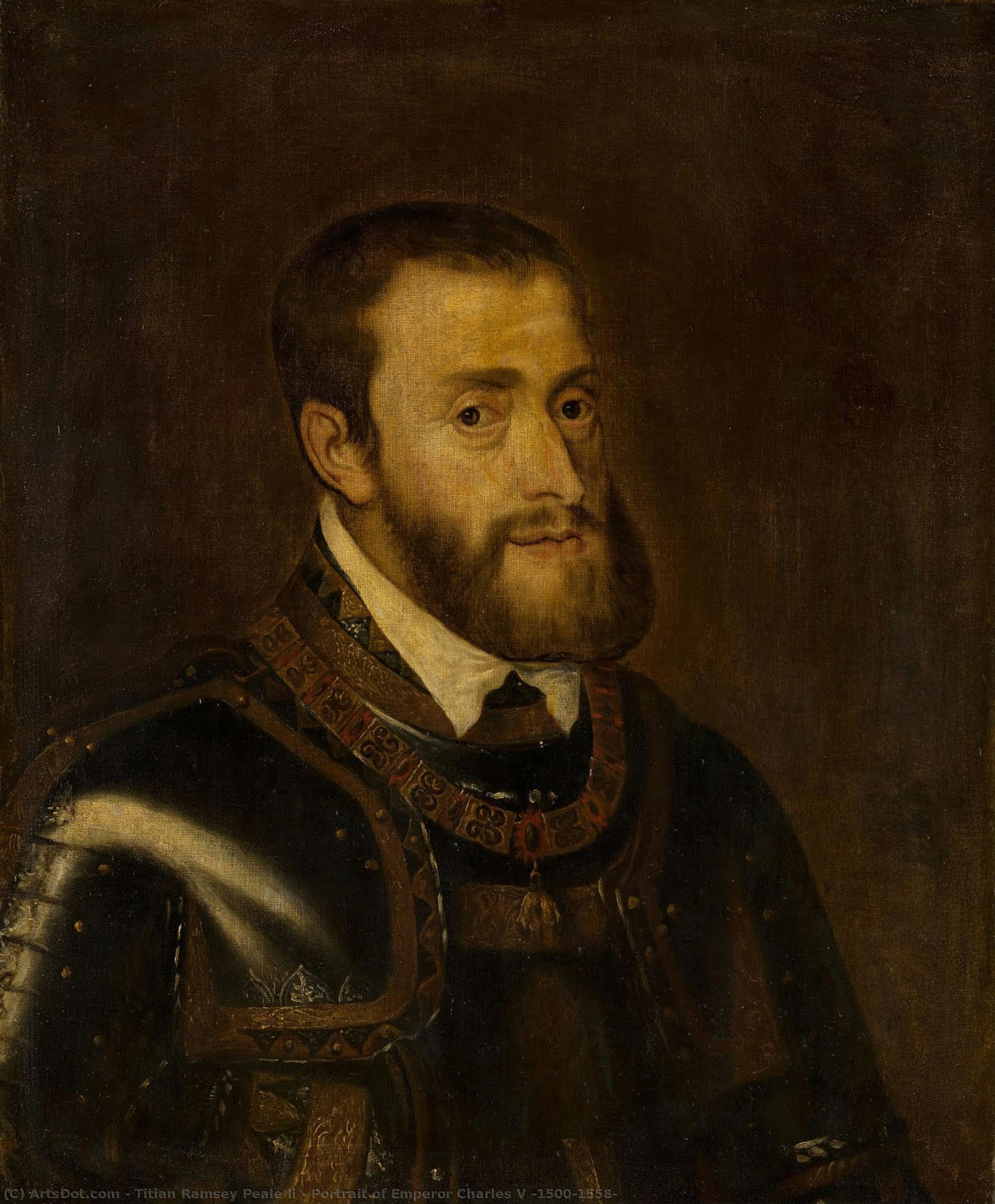
Portrait of Emperor Charles V (1500-1558)
 Oil On Canvas
- WallArt
- Renaissance Echo
 19th Century
 67.0 x 54.0 cm
 Mauritshuis
 Read More
Purchase a high-resolution, enhanced digital image, far superior to the online preview.
Each file is meticulously prepared by our in-house specialists using advanced tools and expert manual retouching. We ensure every image has exceptional clarity, precise color accuracy, and fine detail.
The final file is delivered via email within 72 hours, optimized for immediate use in professional, editorial, and print environments. This is the same quality trusted by top-tier design studios, publishers, and galleries.
Digital Image
Download a high-resolution file for personal display, printing, and creative projects. ( Buy Print Buy Hand Made Painting)
Included in Every Digital Image Order
Expert Digital Delivery, Guaranteed
When you choose ArtsDot.com, you're not just getting an image - you're receiving a professionally enhanced digital artwork, crafted with precision and backed by a satisfaction guarantee. Here's everything that comes with your order, automatically:

Fast Email Delivery
Your high-resolution digital image file will be emailed to you within 72 hours of ordering - ready for immediate use.

AI-Enhanced Digital File
Your artwork is professionally optimized using advanced AI tools and manual editing, ensuring maximum detail, clarity, and color accuracy.

Free Lifetime Re-Delivery
Accidentally deleted or lost your file? No worries - we'll resend it to you anytime, free of charge.

No Import Fees - Ever
Enjoy your artwork instantly with zero customs, duties, or delivery fees - digital downloads are always tax-free.

Color Accuracy Guarantee
We ensure your digital image reflects the original colors as closely as possible using professional tools and color management.

60-Day Satisfaction Guarantee
If you're not satisfied with your digital image, we'll revise it or refund 100% within 60 days - no questions asked.

100% Money-Back Guarantee
Not satisfied? Get a full refund within 60 days of receiving your digital file - no questions asked.

Bulk Order Discounts
Buy 3 images, save 10% - Buy 5, save 15% - Buy 10+, save 20%. Great for creative projects, galleries, and agencies.
Collectible Description
A Renaissance Reverie Transformed: Titian Ramsay Peale II’s Portrait of Emperor Charles V
The canvas holds a quiet dignity, radiating an aura of imperial authority—a testament to the enduring influence of Venetian artistic ideals in the burgeoning American landscape. This striking portrait of Emperor Charles V, executed by Titian Ramsay Peale II, transcends mere likeness; it embodies a profound engagement with the stylistic conventions established centuries earlier by masters like Raphael and Michelangelo. Peale’s meticulous approach isn't simply copying tradition; he is channeling its spirit, meticulously capturing the regal bearing of the Holy Roman Emperor against a backdrop that speaks volumes about his time. The portrait captures the emperor's facial features with exquisite detail, from the textured presence of his beard to the piercing gaze that seems to look directly at the viewer, creating an impression of being engaged in a silent, momentous conversation.The Venetian Legacy: Style and Technique
Peale II’s artistic sensibilities firmly anchored him within the High Renaissance tradition. Like many artists of his era who sought inspiration from Italy, he prioritized tonal harmony and subtle color gradations—techniques honed by generations of Venetian painters. The subdued palette, predominantly composed of dark browns and ochres, serves not merely as a visual grounding but actively contributes to conveying the emperor’s solemn presence. One cannot help but notice the masterful blending of pigments, achieved through delicate glazing layers that imbue the portrait with an ethereal luminescence despite its darkened surroundings. This technique—a cornerstone of Venetian painting—allowed Peale II to achieve remarkable depth and realism, capturing the heavy texture of Charles V's attire and his weathered facial features with astonishing accuracy. For the discerning collector or interior designer, this interplay of light and shadow offers a sophisticated focal point that brings a sense of classical weight and timelessness to any space.Historical Context and Emotional Resonance
Painted during a period of significant cultural transformation in the United States, this portrait emerged while the burgeoning nation was grappling with questions of identity and aspiration, mirroring the anxieties surrounding the decline of European empires. Charles V’s reign represented the zenith of Habsburg power—a symbol of Christendom and vast territorial dominion. By revisiting this historical icon, Peale II bridged the gap between Old World reverence and New World expression. The composition creates a profound sense of importance and authority, making it more than just a piece of art; it is a window into an era of monumental shifts. To possess such a reproduction is to invite a piece of history into one's home, offering an emotional impact that is both grounding and inspiring, evoking the grandeur of a lost age through the lens of American artistic innovation.Related Artworks
Artist Biography
A Renaissance Echo in the New World
Titian Ramsay Peale II occupies a fascinating, often overlooked niche within the landscape of 19th-century American art. Born in Philadelphia in 1799, he was steeped in artistic lineage as the youngest son of Charles Willson Peale, a pivotal figure in early American portraiture and founder of the nation’s first museum. While his father's legacy loomed large, Titian forged his own path, one deeply rooted in the aesthetic ideals of the High Renaissance, particularly those emanating from Venice. He wasn’t merely replicating styles; he was channeling a profound artistic sensibility, imbuing his canvases with a meticulous detail and vibrant color palette that set him apart from many of his contemporaries. His life unfolded against a backdrop of burgeoning American identity, yet his artistic heart remained tethered to the classical masters, creating a compelling tension between Old World reverence and New World expression.From Naturalist’s Sketchbook to Painter's Canvas
Peale’s early years were marked by a dual fascination with art and natural history – a combination fostered by his father’s multifaceted pursuits. He accompanied expeditions, notably Stephen Harriman Long’s journey to the Rocky Mountains in 1819-20, documenting flora and fauna with an increasingly refined artistic eye. This period wasn't simply about recording observations; it was about *understanding* form, light, and texture – skills that would prove invaluable when he turned his full attention to painting. His work as a naturalist informed his art, lending a scientific precision to his depictions of the natural world, but also imbuing them with an emotional resonance that transcended mere documentation. He wasn’t just showing us what things looked like; he was revealing their inherent beauty and spiritual significance. This dedication to both disciplines is evident in pieces such as “The Tribute Money,” a dramatic rendering showcasing masterful light and shadow reminiscent of Rubens, and "Nymph and Shepherd", blending nature, mythology, and sensual beauty.Venetian Influences and Sacred Visions
The influence of Venetian colorism – the emphasis on rich, luminous colors and atmospheric effects championed by artists like Titian (from whom he took his first name) – is undeniable in Peale’s oeuvre. He wasn't simply copying these masters; he was internalizing their principles and adapting them to his own artistic vision. This is particularly evident in his religious works, such as “Altar Shrine with Four Saints” and "Adoration of the Shepherds". These paintings aren’t merely depictions of biblical scenes; they are immersive experiences, drawing the viewer into a world of spiritual contemplation through carefully orchestrated compositions and a masterful use of color to evoke emotion. The meticulous attention to detail in these works speaks not only to his technical skill but also to a deep reverence for his subject matter. “The Beauty,” a striking portrait, further demonstrates his ability to capture human form and character with elegance and refinement.Rediscovery and Lasting Significance
For much of the 20th century, Titian Ramsay Peale II remained largely obscured from art historical narratives. His work didn’t fit neatly into prevailing trends, and his dedication to a classical style felt anachronistic in a rapidly changing artistic landscape. However, recent years have witnessed a growing reassessment of his contributions. Scholars and collectors are recognizing the unique blend of American sensibilities and European traditions that characterizes his paintings. The rediscovery of his work is not merely about filling gaps in art history; it’s about gaining a deeper understanding of the complex cultural forces that shaped 19th-century America. Peale represents a bridge between worlds, a testament to the enduring power of classical ideals, and a reminder that artistic innovation often arises from unexpected combinations of influences. His paintings, now found in collections like those at ArtsDot, the Uffizi Gallery, and Palazzo Pitti, offer a compelling glimpse into a forgotten corner of American art history – a corner illuminated by the radiant glow of the Renaissance.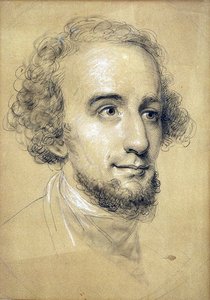
Titian Ramsay Peale II
1799 - 1885
Quick Facts
- Artistic Movement Or Style: High Renaissance
- Artists Who Influenced This Artist:
- Titian
- Venetian masters
- Date Of Birth: 1799
- Date Of Death: 1885
- Full Name: Titian Ramsay Peale II
- Nationality: American
- Notable Artworks:
- Altar Shrine with Four Saints
- Adoration of the Shepherds
- The Beauty
- Tribute Money
- Holy Family w/ Shepherd
- Nymph and Shepherd

