 Preview
 Send
Send Share
Share
 Details

 Download
 Similars
 X-Ray
X-Ray Diaporama
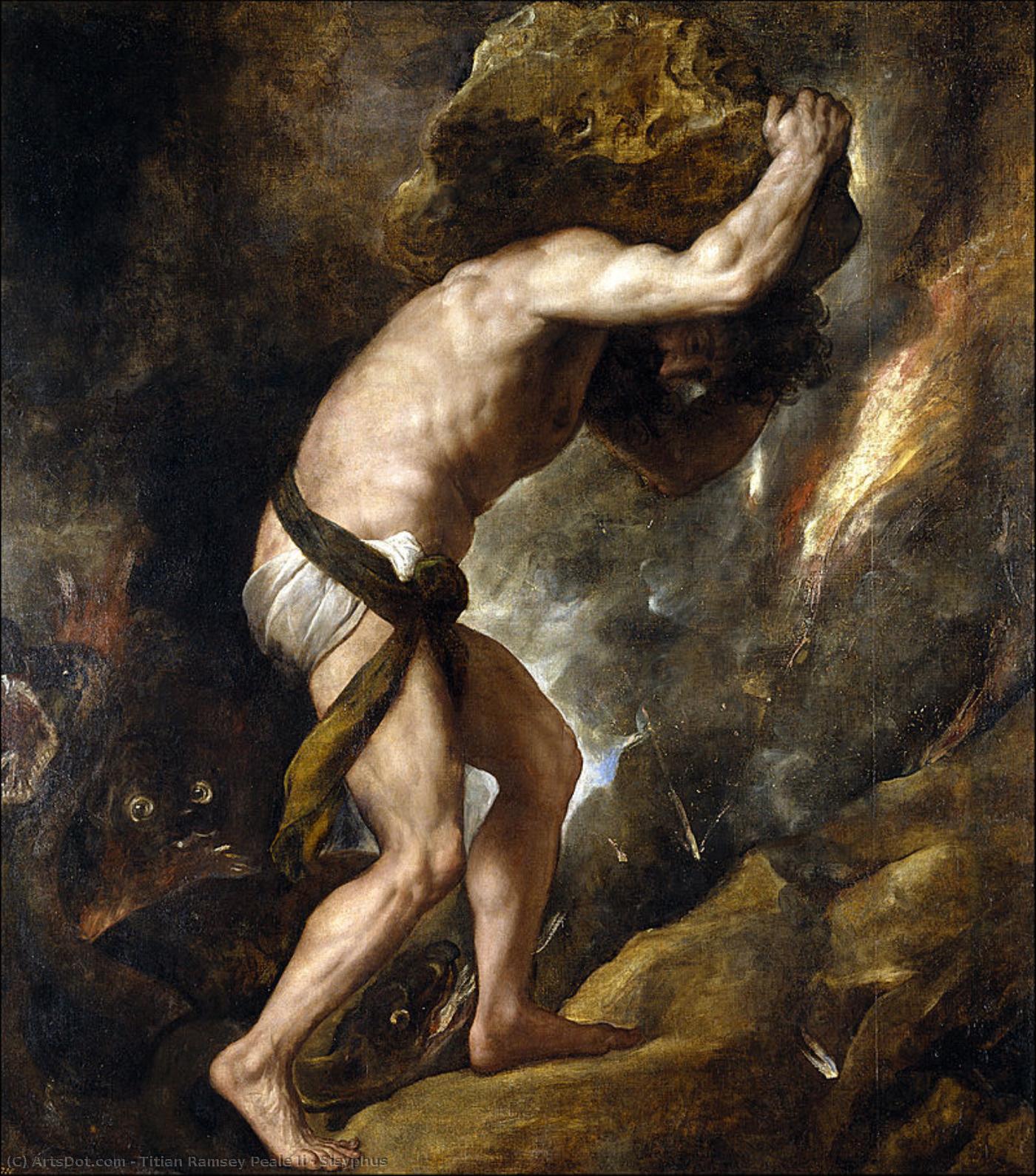
Sisyphus
 Oil
Oil- WallArt
- Renaissance Painting
 1549
1549- 19th Century
 237.0 x 216.0 cm
 Prado Museum
 Read More
Giclée / Art Print
Museum-quality giclée or canvas print with fast production and flexible finish options. ( Buy Hand Made Painting Buy Image)




P118B $10

P118H $10

P118W $10

P438Z $10

P508JH $12

P508YH $12

P805H $10

P805Z $10

P919BZ $10

P919G $10

P919XJ $10

P959ZH $10

P968JZ $12

W106C $8

W218G $10

W218JH $8

W218Y $10

W307PJ $10

W316G $10

W316PJ $8

W316Y $10

W398PJ $8

W4111J $10

W500HY $15

W500JH $15

W692G $12

W849H $8

W940BG $15

W953PJ $8




Pick from our preset sizes that match the artwork's original proportions.

You may enter your own dimensions to fit a specific frame or space. If your selected size does not match the original image's proportions, we will either crop the artwork or extend the image with a mirrored or solid-fill edge. A digital mockup will be sent for your approval before production begins.
Please note that the on-screen preview does not reflect the actual cropping or extension. Only the mockup will accurately show the final composition.
While custom sizes are available, we recommend selecting a dimension from the predefined list to preserve the original proportions.
Worldwide Delivery () in 2 weeks instead of standard 4/5 weeks. (17 August)

Free Worldwide Express Shipping

High-Quality Linen Canvas

Full Shipping Insurance

Customs Tax Refund Guarantee

True Color Matching Guarantee

60-Day Return Policy (Defects Only)

100% Money-Back Guarantee

Bulk Discount Offer
 Glass option is only available in size under 110 CM

Sisyphus
Giclée / Art Print
Reproduction Size
-


Total Price
$ 63
Collectible Description
The Weight of Eternity: A Masterpiece of Human Endurance
In the profound stillness of Titian Ramsay Peale II’s “Sisyphus,” one is immediately confronted by the raw, visceral reality of human struggle. This is not merely a depiction of a classical myth; it is an embodiment of endurance rendered with a meticulousness that echoes the High Renaissance. The painting captures the legendary Greek figure in a moment of agonizing physical exertion, his muscles straining beneath a loincloth, sweat glistening upon his brow like beads of crystalline sorrow. Peale transcends the distant, idealized figures of antiquity to present us with a man who is profoundly human—vulnerable, burdened, and undeniably caught in the grip of an eternal, repetitive fate. For the discerning collector or lover of classical drama, this work offers a window into the very essence of the human condition.
The composition is anchored by the immense weight of the boulder, a massive presence that occupies much of the lower frame and serves as the central antagonist to Sisyphus’s will. As he pushes against the stone, the viewer can almost feel the friction of rock against earth and the heavy rhythm of labored breathing. Peale utilizes a technique reminiscent of the great Venetian masters, employing a vibrant color palette and an anatomical precision that brings the tension of the scene to life. The interplay of light and shadow—the chiaroscuro effect—accentuates the contours of Sisyphus’s physique, highlighting the grit and determination etched into his very skin. This mastery of materiality ensures that the painting is not just seen, but felt.
A Fusion of Old World Grandeur and New World Spirit
While the subject matter is rooted in the ancient traditions of Greece, the soul of this piece resides in a fascinating historical intersection. Completed during an era when American identity was beginning to find its footing, Peale’s work acts as a bridge between the aesthetic ideals of Europe and the burgeoning intellectual currents of the 19th-century Americas. As the son of the legendary Charles Willson Peale, Titian Ramsay Peale II was steeped in a lineage of artistic excellence. However, he chose to look backward to the masters like Michelangelo and Raphael to find a language for his own expression. This creates a compelling tension within the canvas: a work that feels timelessly resonant through its classical themes, yet possesses a unique, distinctly American sensibility in its execution.
For those looking to integrate such a piece into a curated interior, "Sisyphus" offers an unparalleled depth of character. It is more than a decorative element; it is a conversation starter that invites contemplation on the nature of persistence and the beauty found within struggle. The painting’s ability to command a room lies in its symbolic complexity. The boulder represents the insurmountable obstacles we all face, while Sisyphus himself embodies the relentless spirit that refuses to yield. Whether placed in a grand library, a sophisticated study, or a contemporary gallery space, this reproduction serves as a powerful emblem of strength and the eternal dance between effort and futility.
Related Artworks

Artist Biography
A Renaissance Echo in the New World
Titian Ramsay Peale II occupies a fascinating, often overlooked niche within the landscape of 19th-century American art. Born in Philadelphia in 1799, he was steeped in artistic lineage as the youngest son of Charles Willson Peale, a pivotal figure in early American portraiture and founder of the nation’s first museum. While his father's legacy loomed large, Titian forged his own path, one deeply rooted in the aesthetic ideals of the High Renaissance, particularly those emanating from Venice. He wasn’t merely replicating styles; he was channeling a profound artistic sensibility, imbuing his canvases with a meticulous detail and vibrant color palette that set him apart from many of his contemporaries. His life unfolded against a backdrop of burgeoning American identity, yet his artistic heart remained tethered to the classical masters, creating a compelling tension between Old World reverence and New World expression.From Naturalist’s Sketchbook to Painter's Canvas
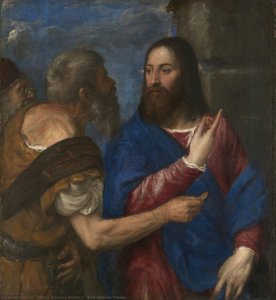
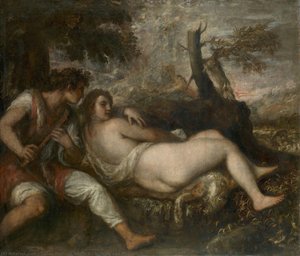
Peale’s early years were marked by a dual fascination with art and natural history – a combination fostered by his father’s multifaceted pursuits. He accompanied expeditions, notably Stephen Harriman Long’s journey to the Rocky Mountains in 1819-20, documenting flora and fauna with an increasingly refined artistic eye. This period wasn't simply about recording observations; it was about *understanding* form, light, and texture – skills that would prove invaluable when he turned his full attention to painting. His work as a naturalist informed his art, lending a scientific precision to his depictions of the natural world, but also imbuing them with an emotional resonance that transcended mere documentation. He wasn’t just showing us what things looked like; he was revealing their inherent beauty and spiritual significance. This dedication to both disciplines is evident in pieces such as “The Tribute Money,” a dramatic rendering showcasing masterful light and shadow reminiscent of Rubens, and "Nymph and Shepherd", blending nature, mythology, and sensual beauty.Venetian Influences and Sacred Visions
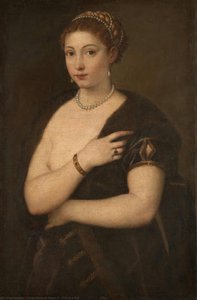
The influence of Venetian colorism – the emphasis on rich, luminous colors and atmospheric effects championed by artists like Titian (from whom he took his first name) – is undeniable in Peale’s oeuvre. He wasn't simply copying these masters; he was internalizing their principles and adapting them to his own artistic vision. This is particularly evident in his religious works, such as “Altar Shrine with Four Saints” and "Adoration of the Shepherds". These paintings aren’t merely depictions of biblical scenes; they are immersive experiences, drawing the viewer into a world of spiritual contemplation through carefully orchestrated compositions and a masterful use of color to evoke emotion. The meticulous attention to detail in these works speaks not only to his technical skill but also to a deep reverence for his subject matter. “The Beauty,” a striking portrait, further demonstrates his ability to capture human form and character with elegance and refinement.Rediscovery and Lasting Significance
For much of the 20th century, Titian Ramsay Peale II remained largely obscured from art historical narratives. His work didn’t fit neatly into prevailing trends, and his dedication to a classical style felt anachronistic in a rapidly changing artistic landscape. However, recent years have witnessed a growing reassessment of his contributions. Scholars and collectors are recognizing the unique blend of American sensibilities and European traditions that characterizes his paintings. The rediscovery of his work is not merely about filling gaps in art history; it’s about gaining a deeper understanding of the complex cultural forces that shaped 19th-century America. Peale represents a bridge between worlds, a testament to the enduring power of classical ideals, and a reminder that artistic innovation often arises from unexpected combinations of influences. His paintings, now found in collections like those at ArtsDot, the Uffizi Gallery, and Palazzo Pitti, offer a compelling glimpse into a forgotten corner of American art history – a corner illuminated by the radiant glow of the Renaissance.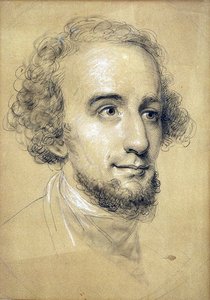
Titian Ramsay Peale II
1799 - 1885
Quick Facts
- Artistic Movement Or Style: High Renaissance
- Artists Who Influenced This Artist:
- Titian
- Venetian masters
- Date Of Birth: 1799
- Date Of Death: 1885
- Full Name: Titian Ramsay Peale II
- Nationality: American
- Notable Artworks:
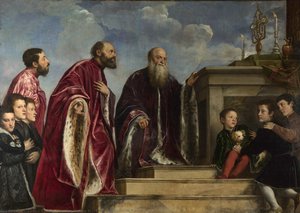
- Altar Shrine with Four Saints
- Adoration of the Shepherds
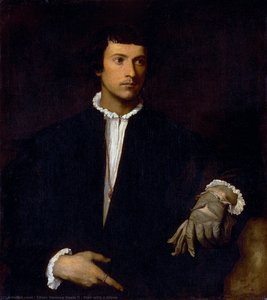
- The Beauty
- Tribute Money
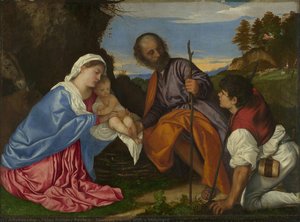
- Holy Family w/ Shepherd
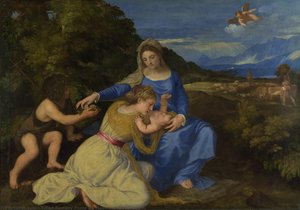
- Nymph and Shepherd
Related Articles

Oil on Canvas: A Historical & Technical Exploration of a Timeless Artistic Medium
Explore the rich history & enduring techniques of oil painting on canvas. Discover the science behind its longevity, conservation practices, and contemporary relevance. Expert insights for art enthusiasts.

The Enduring Legacy of Oil on Canvas: Technique, History & Aesthetic Impact
Explore the rich history & techniques of oil painting – from Renaissance masters to Impressionism. Discover pigments, layering methods, and why this timeless medium endures. Expert insights for artists & art enthusiasts.

The Enduring Legacy of Oil on Canvas: Technique, History & Contemporary Practice
Explore the rich history & enduring techniques of oil painting on canvas. Discover the science behind its longevity, conservation practices, and contemporary relevance. Expert insights for art enthusiasts.
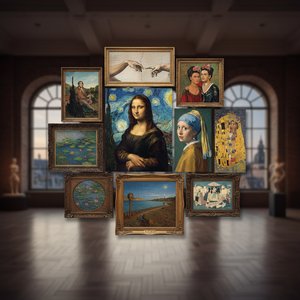
Oil on Canvas Masters: 10 Paintings That Redefined Art History |
Journey through art history with our guide to 10 legendary oil on canvas masterpieces! Explore iconic works by Van Gogh, Monet & Rembrandt. Find museum-quality reproductions and elevate your home decor at . Discover all masterpieces online.

The Enduring Power of Painting: A Historical & Contemporary Exploration of Form and Emotion
Explore the rich history & enduring techniques of oil painting with ArtsDot. Discover masterpieces, learn about art collecting, and find authentic handmade reproductions crafted by skilled artists.