 Preview
 Send
Send Share
Share
 Details

 Download
 Similars
 X-Ray
X-Ray Diaporama
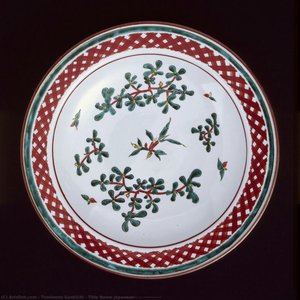
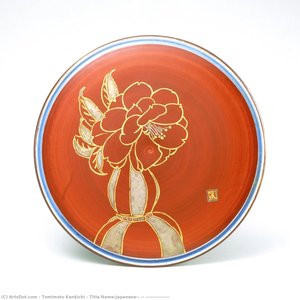
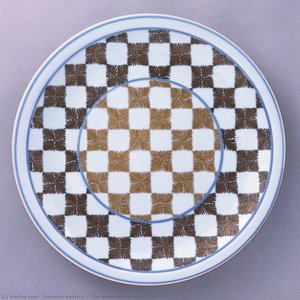
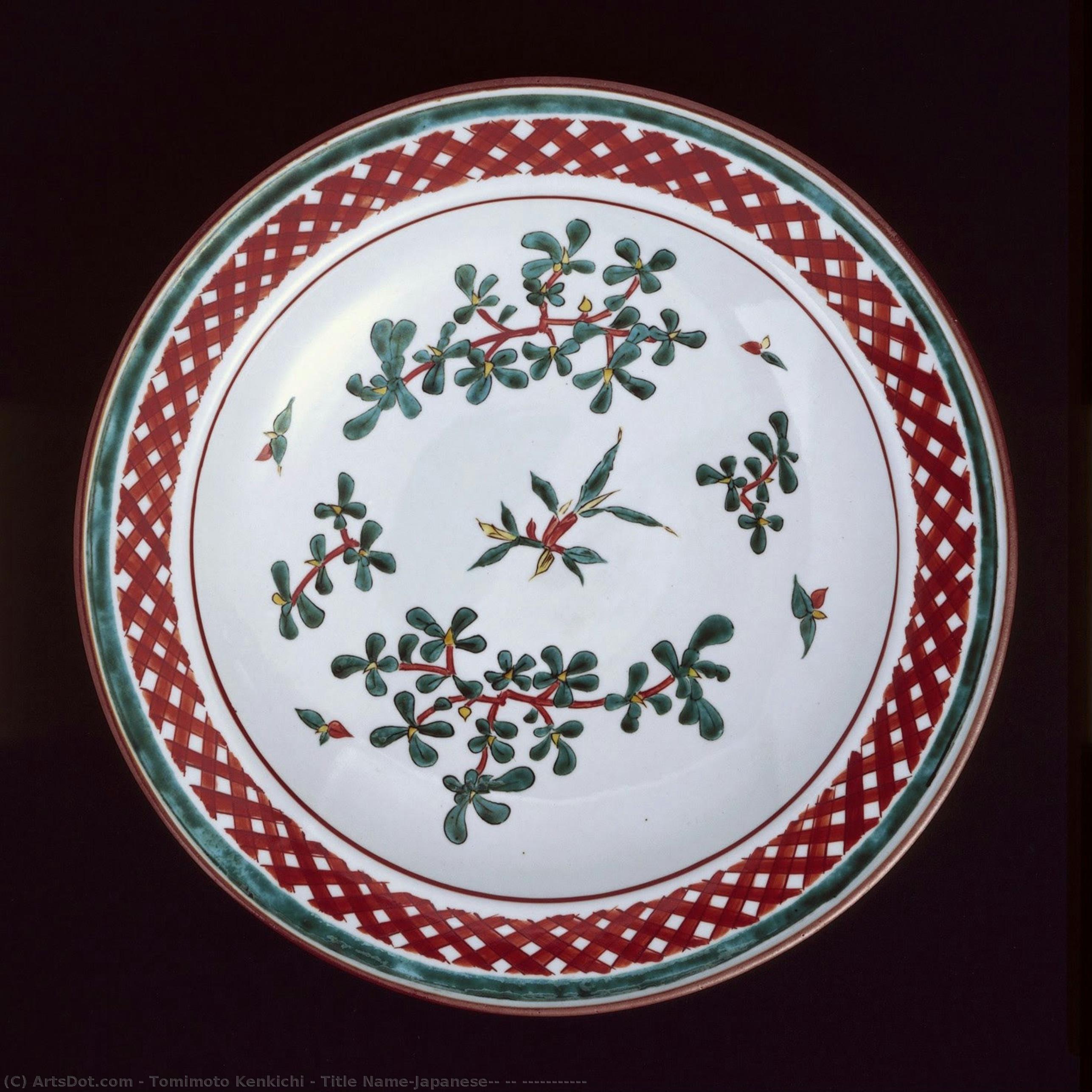
Title Name(Japanese): 磁器 色絵スベリヒユ模様大皿
 Acrylic
- WallArt
- Japanese Decorative Arts
 40.0 x 7.0 cm
 Nara Prefectural Museum of Art
 Read More
Giclée / Art Print
Museum-quality giclée or canvas print with fast production and flexible finish options. ( Buy Hand Made Painting Buy Image)




P118B $10

P118H $10

P118W $10

P438Z $10

P508JH $12

P508YH $12

P805H $10

P805Z $10

P919BZ $10

P919G $10

P919XJ $10

P959ZH $10

P968JZ $12

W106C $8

W218G $10

W218JH $8

W218Y $10

W307PJ $10

W316G $10

W316PJ $8

W316Y $10

W398PJ $8

W4111J $10

W500HY $15

W500JH $15

W692G $12

W849H $8

W940BG $15

W953PJ $8




Pick from our preset sizes that match the artwork's original proportions.

You may enter your own dimensions to fit a specific frame or space. If your selected size does not match the original image's proportions, we will either crop the artwork or extend the image with a mirrored or solid-fill edge. A digital mockup will be sent for your approval before production begins.
Please note that the on-screen preview does not reflect the actual cropping or extension. Only the mockup will accurately show the final composition.
While custom sizes are available, we recommend selecting a dimension from the predefined list to preserve the original proportions.
Worldwide Delivery () in 2 weeks instead of standard 4/5 weeks. (26 August)

Free Worldwide Express Shipping

High-Quality Linen Canvas

Full Shipping Insurance

Customs Tax Refund Guarantee

True Color Matching Guarantee

60-Day Return Policy (Defects Only)

100% Money-Back Guarantee

Bulk Discount Offer
 Glass option is only available in size under 110 CM

Title Name(Japanese): 磁器 色絵スベリヒユ模様大皿
Giclée / Art Print
Reproduction Size
-


Total Price
$ 63
Collectible Description
A Celebration of Lacquered Beauty: Exploring Tomimoto Kenkichi’s Ceramic Plate
- Subject Matter & Composition:
- Style & Technique:
- Historical Context & Influences:
- Symbolism & Artistic Intent:
- Emotional Resonance & Aesthetic Appeal:
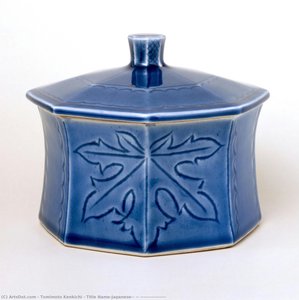
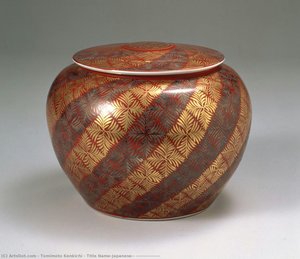
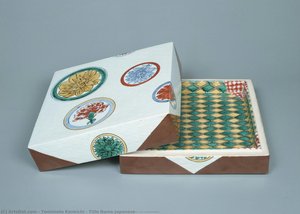
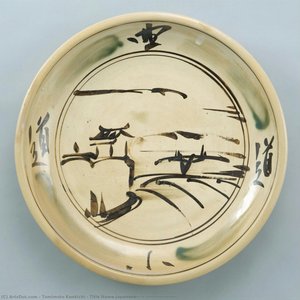
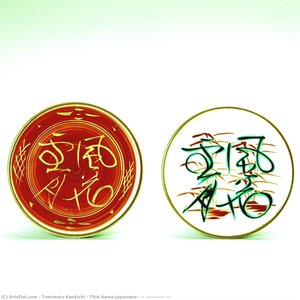
This stunning ceramic plate, attributed to Tomimoto Kenkichi (1886-1963), transcends mere decorative function; it embodies a profound connection to Japanese artistic tradition and represents the zenith of lacquerware craftsmanship. The image itself presents a vibrant panorama – a meticulously crafted vessel adorned with an intricate floral motif featuring leaves and blossoms interspersed with delicate birds. Each element contributes to a harmonious visual narrative that speaks volumes about Kenkichi’s artistic vision.
Style & Technique: Mastering the Art of Lacquerware
- Lacquerware Tradition:
- Detailed Decoration Method:
- Color Palette & Pigment Application:
- Surface Texture & Finish:
Tomimoto Kenkichi’s mastery lay in his unwavering dedication to lacquerware techniques, a craft that dates back centuries and is revered for its ability to transform ordinary materials into objects of extraordinary beauty. Lacquerware, known for its durability and luminous sheen, demanded painstaking precision – layering thin coats of resin derived from pine sap over successive generations of wood surfaces. Kenkichi’s skill shone through in the meticulous application of color pigments, achieving a breathtaking spectrum of hues—red, green, blue, yellow, and white—that shimmered under light.
Historical Context & Influences: Echoes of Nara’s Artistic Legacy
- Nara Period Aesthetics:
- Japanese Decorative Arts Movement:
- Living National Treasure Designation:
The plate's creation aligns perfectly with the Nara Period aesthetic, characterized by serene landscapes and stylized floral representations—a stylistic preference that continues to resonate within Japanese art. Kenkichi’s recognition as a Living National Treasure underscores the significance of his contribution to Japan’s cultural heritage, cementing his place among the nation’s most celebrated artists. This honor reflects not only his technical prowess but also his embodiment of Nara’s artistic spirit—a commitment to preserving and innovating upon established traditions.
Symbolism & Artistic Intent: Layers of Meaning Beyond Decoration
- Floral Motifs & Symbolic Representation:
- Birds as Symbols of Prosperity & Harmony:
- The Plate’s Role in Ritualistic Context:
Beyond its visual splendor, the plate is laden with symbolic significance. Flowers—particularly cherry blossoms—represent ephemeral beauty and renewal, mirroring themes prevalent throughout Japanese art history. Birds, frequently depicted on ceremonial objects, symbolize auspiciousness and balance – reflecting Kenkichi’s desire to imbue his artwork with spiritual depth. The plate itself served as a vessel for ritualistic offerings, highlighting the artist's understanding of how art could communicate profound ideas.
Emotional Resonance & Aesthetic Appeal: Capturing Tranquility & Refinement
- Visual Harmony & Balance:
- The Tactile Experience of Lacquered Texture:
- A Legacy of Artistic Excellence:
Ultimately, Kenkichi’s ceramic plate succeeds in evoking a sense of tranquility and refinement. The carefully considered composition—the balanced arrangement of floral elements and birds—creates a visual harmony that invites contemplation. Moreover, the tactile quality of lacquerware – its smooth surface and subtle sheen – provides an immersive sensory experience. Tomimoto Kenkichi's work stands as a testament to artistic excellence, continuing to inspire collectors and interior designers alike with its timeless beauty.
Related Artworks
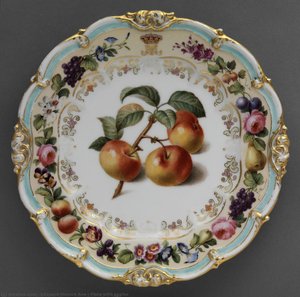
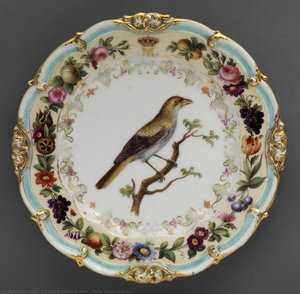
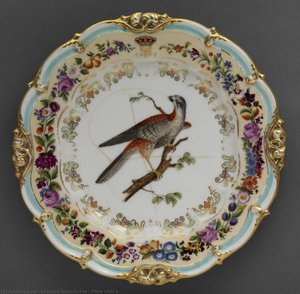
Artist Biography
Tomimoto Kenkichi: A Living Legacy of Lacquered Beauty
Tomimoto Kenkichi, born in Nara, Japan, on June 5th, 1886, and passing away in 1963, stands as a towering figure in the world of Japanese art. More than simply a potter or craftsman, he was a visionary who seamlessly blended traditional techniques with modern sensibilities, creating works that continue to captivate audiences today. Designated as a Living National Treasure by Japan in 1962 – a remarkable honor bestowed upon individuals whose contributions significantly enrich the nation’s cultural heritage – Kenkichi's legacy is one of exquisite detail, profound symbolism, and an unwavering dedication to the art of lacquerware and ceramics. His life’s work, particularly his celebrated zelkova shelves, embodies a harmonious marriage of ancient artistry and innovative design.Early Life and Artistic Foundations
Kenkichi’s artistic journey began within the family workshop, where he received his initial training in pottery from his father, a skilled artisan himself. This early immersion provided him with a solid foundation in fundamental techniques – the shaping of clay, the firing process, and an understanding of the inherent qualities of the material. However, Kenkichi’s artistic vision quickly surpassed mere imitation; he sought to elevate these traditions, experimenting with new forms and incorporating elements of Western design while remaining deeply rooted in Japanese aesthetics. He moved to Tokyo in the early 20th century, a period of rapid modernization and cultural exchange, further broadening his influences and fueling his creative exploration. This relocation coincided with a significant personal event – his marriage to Otake Kazue in 1914, a union that would profoundly shape his artistic trajectory and provide him with a supportive partner in his endeavors.The “Kingin-Sai Kazari Tsubo” and Imperial Recognition
Kenkichi’s most iconic achievement is undoubtedly the "kingin-sai kazari tsubo," or ‘decoration shelf for the Ume-no-Ma’ audience room, commissioned by the Imperial Palace in Tokyo. This monumental piece, completed in 1923, represents a pinnacle of his artistic skill and a testament to his ability to translate complex design concepts into tangible form. The shelf, crafted from meticulously lacquered zelkova wood, is an intricate tapestry of stylized floral motifs, geometric patterns, and symbolic imagery – all rendered with breathtaking precision and depth. Its placement within the Ume-no-Ma, or plum blossom room, a space traditionally associated with elegance and refinement, underscored its significance as a masterpiece of Japanese decorative art. The commission itself was a remarkable validation of Kenkichi’s talent, placing him firmly within the realm of esteemed artisans serving the Imperial Court.Artistic Style and Techniques
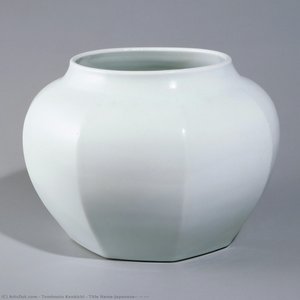
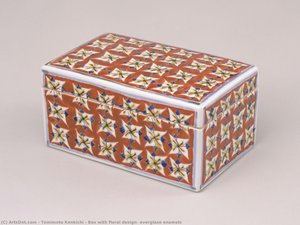
Kenkichi's artistic style is characterized by an almost obsessive attention to detail, a hallmark of traditional Japanese lacquerware. He mastered the complex techniques involved in applying multiple layers of lacquer, each meticulously polished to achieve a mirror-like sheen. His work frequently incorporates elements of *urushi* (Japanese lacquer), known for its durability and ability to create incredibly smooth surfaces. Beyond lacquer, Kenkichi was equally adept at working with ceramics, creating exquisite boxes, vases, and other objects that showcased his mastery of form and color. His designs often drew inspiration from nature – cherry blossoms, bamboo shoots, and stylized landscapes – reflecting a deep appreciation for the beauty of the natural world. The integration of these elements within a framework of traditional Japanese motifs created works of profound visual richness and symbolic depth.Legacy and Recognition
Tomimoto Kenkichi’s influence extends far beyond his own lifetime. His work is held in prestigious museums around the globe, including the Gifu Prefectural Ceramics Museum, the Ohara Museum of Art, the Museum of Fine Arts, Boston, and the Cleveland Museum of Art. The Tomimoto Kenkichi Memorial Museum, established in Nara in 1974, serves as a vital repository for his creations and provides visitors with an intimate glimpse into his life and artistic process. His dedication to preserving and advancing traditional Japanese crafts earned him numerous accolades, solidifying his place as one of the most important figures in 20th-century Japanese art. Today, Kenkichi’s legacy continues to inspire artists and craftspeople worldwide, a testament to the enduring power of beauty, skill, and artistic vision. His work stands not just as objects of exquisite craftsmanship but as windows into the soul of Japan.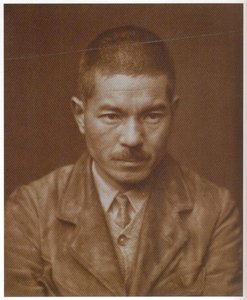
Tomimoto Kenkichi
1886 - 1963 , Japan
Quick Facts
- Artistic Movement Or Style: Traditional Japanese techniques; lacquerware & ceramics
- Artists Or Movements Influenced By This Artist: ['Modern Japanese Ceramics']
- Artists Who Influenced This Artist: ['Otake Chikuha']
- Date Of Birth: June 5, 1886
- Date Of Death: June 8, 1963
- Full Name: Tomimoto Kenkichi
- Nationality: Japanese
- Notable Artworks: ['Kingin-sai kazari tsubo']
- Place Of Birth: Nara, Japan
Related Articles
Feathered Visions: A Historical & Artistic Exploration of Birds in Painting
Explore the rich history of birds in painting! Discover symbolism, artistic movements & master artists like Audubon. High-quality reproductions available at ArtsDot.
Serenity on Canvas: A Guide to the Timeless Beauty of Japanese Landscape Painting
Discover the serene beauty of Japanese landscape painting. From Hokusai's iconic woodblock prints to meditative sumi-e ink washes, explore a visual journey through the 'floating world' and learn how to bring this timeless Zen aesthetic into your modern home decor.
Floating World: The Captivating Art and Legacy of Japanese Ukiyo-e
Explore the profound beauty of Japanese Ukiyo-e. Discover the history, masters like Hokusai, and the enduring legacy of the 'Floating World' through an expert art-historical lens.

Hokusai's Masterpieces: 25 Iconic Prints & Paintings for Art Lovers | ArtsDot
Journey through Katsushika Hokusai’s 25 most iconic artworks, including *The Great Wave*. Explore the ukiyo-e master's history, style & timeless Japanese woodblock prints. Find museum-quality reproductions for your home at ArtsDot.com.
Léonard Foujita: A Poetic Synthesis of Japanese Sensibility & European Modernism
Discover the captivating world of Léonard Foujita, a master bridging Japanese aesthetics & European Modernism. Explore his signature style, diverse works, and enduring legacy – essential reading for discerning art collectors.