 Preview
 Send
Send Share
Share
 Details

 Download
 Similars
 X-Ray
X-Ray Diaporama
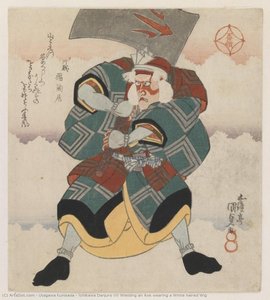
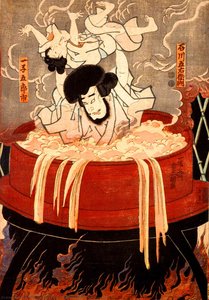
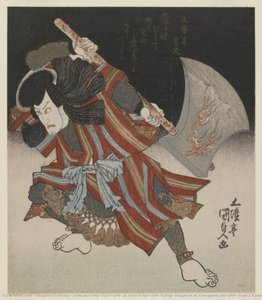
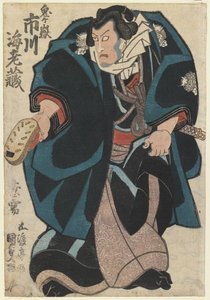
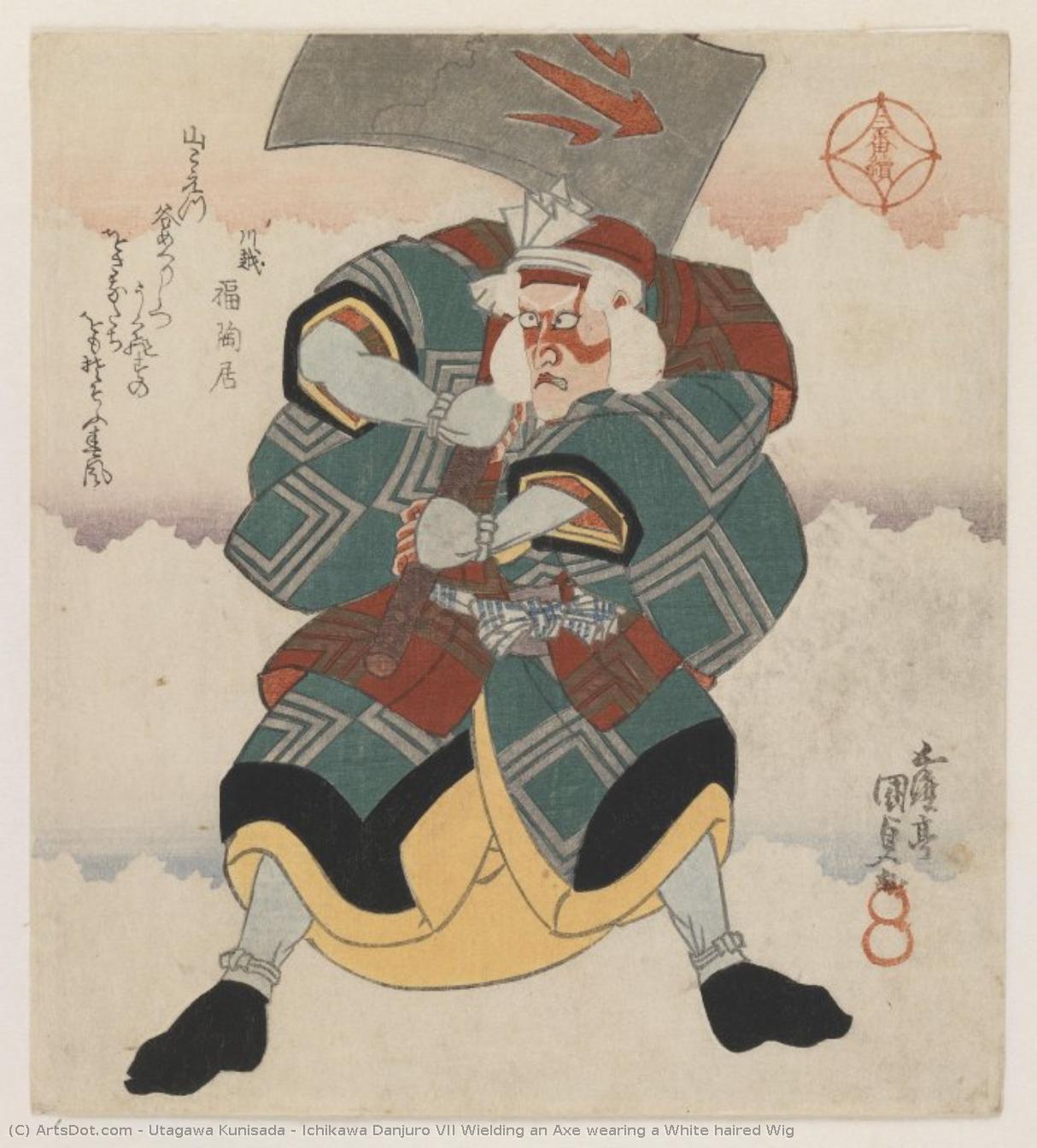
Ichikawa Danjuro VII Wielding an Axe wearing a White haired Wig
 Woodblock Print
- WallArt
- Japanese Ukiyo-e
 1825
1825 16.0 x 20.0 cm
 Brooklyn Museum
 Read More
Giclée / Art Print
Museum-quality giclée or canvas print with fast production and flexible finish options. ( Buy Hand Made Painting Buy Image)




P118B $10

P118H $10

P118W $10

P438Z $10

P508JH $12

P508YH $12

P805H $10

P805Z $10

P919BZ $10

P919G $10

P919XJ $10

P959ZH $10

P968JZ $12

W106C $8

W218G $10

W218JH $8

W218Y $10

W307PJ $10

W316G $10

W316PJ $8

W316Y $10

W398PJ $8

W4111J $10

W500HY $15

W500JH $15

W692G $12

W849H $8

W940BG $15

W953PJ $8




Pick from our preset sizes that match the artwork's original proportions.

You may enter your own dimensions to fit a specific frame or space. If your selected size does not match the original image's proportions, we will either crop the artwork or extend the image with a mirrored or solid-fill edge. A digital mockup will be sent for your approval before production begins.
Please note that the on-screen preview does not reflect the actual cropping or extension. Only the mockup will accurately show the final composition.
While custom sizes are available, we recommend selecting a dimension from the predefined list to preserve the original proportions.
Worldwide Delivery () in 2 weeks instead of standard 4/5 weeks. (24 August)

Free Worldwide Express Shipping

High-Quality Linen Canvas

Full Shipping Insurance

Customs Tax Refund Guarantee

True Color Matching Guarantee

60-Day Return Policy (Defects Only)

100% Money-Back Guarantee

Bulk Discount Offer
 Glass option is only available in size under 110 CM

Ichikawa Danjuro VII Wielding an Axe wearing a White haired Wig
Giclée / Art Print
Reproduction Size
-


Total Price
$ 63
Collectible Description
Ichikawa Danjuro VII Wielding an Axe Wearing a White Haired Wig: A Masterpiece of Edo Ukiyo-e
Utagawa Kunisada (1786 – 1865), born Sumida Shōgorō IX in Honjo, Japan, stands as arguably the most celebrated ukiyo-e artist of the 19th century. His prolific output and unparalleled commercial success cemented his position as a titan amongst his contemporaries—Hiroshige, Hokusai, and Kuniyoshi—establishing him as the undisputed champion of color woodblock printing during the Edo period (1603–1867). While European collectors initially regarded these masters as inferior to classical ukiyo-e artists, a resurgence of appreciation in the mid-20th century and subsequent scholarly investigations have rightfully elevated Kunisada’s stature, recognizing him as one of the foremost figures in Japanese artistic history. Early Life and Artistic Training Kunisada's formative years were marked by familial stability stemming from his father’s modest ferry service business—a circumstance that afforded him a degree of financial security uncommonly present during this era. This background instilled in him a meticulous attention to detail and an understanding of economic realities, shaping his artistic sensibilities and informing his approach to crafting commercially viable prints. He honed his skills under the tutelage of Utagawa Toyokuni I, absorbing the foundational principles of ukiyo-e technique and establishing himself as a disciple destined for greatness. The Significance of Ichikawa Danjuro VII Wielding an Axe Wearing a White Haired Wig This striking depiction captures a pivotal moment in theatrical history—the portrayal of Ichikawa Danjuro VII, one of Japan’s most revered kabuki actors, wielding an axe with unwavering determination. Kunisada's masterful execution transcends mere representation; it embodies the spirit of samurai heroism and conveys profound emotion through nuanced composition and vibrant color palettes. The axe symbolizes strength, courage, and defiance against adversity—themes central to Edo-period morality and powerfully communicated by the artist. Technique and Style: A Symphony of Color and Line Kunisada’s signature style is characterized by its dynamic energy and meticulous attention to detail. Employing the traditional ukiyo-e method of color woodblock printing, he skillfully layered pigments onto finely grained paper, achieving breathtaking luminosity and textural richness. The bold outlines and expressive brushstrokes contribute to a sense of movement and drama—essential elements in conveying the theatrical performance depicted. His use of Prussian blue, particularly prominent in the wig’s hue, exemplifies the artistic innovation of his time and underscores Kunisada's mastery of color theory. Historical Context and Cultural Resonance Created in 1825 during the height of Edo prosperity, “Ichikawa Danjuro VII Wielding an Axe Wearing a White Haired Wig” reflects the broader cultural preoccupation with samurai ideals and theatrical spectacle. Kabuki performances held immense social significance, serving as platforms for disseminating moral lessons and celebrating heroic narratives. Kunisada’s artwork captures this atmosphere perfectly, resonating with viewers across generations who appreciate its artistic beauty and historical depth. It stands as a testament to the enduring legacy of Edo-period art—a period defined by both opulent patronage and profound intellectual engagement. Conclusion: An Icon of Artistic Excellence Utagawa Kunisada's “Ichikawa Danjuro VII Wielding an Axe Wearing a White Haired Wig” remains an unparalleled achievement in ukiyo-e artistry. Its masterful blend of technique, symbolism, and emotional impact secures its place as one of Japan’s most treasured cultural icons—a visual embodiment of courage, honor, and artistic brilliance that continues to inspire admiration today.Related Artworks
Artist Biography
The Maestro of Edo’s Artistic Zenith
Utagawa Kunisada, born Sumida Shōgorō IX in the vibrant district of Honjo, Japan, stands as arguably the most celebrated ukiyo-e artist of the 19th century. His prolific output and unparalleled commercial success cemented his position as a titan amongst his contemporaries—Hiroshige, Hokusai, and Kuniyoshi—establishing him as the undisputed champion of color woodblock printing during the Edo period. While European collectors initially regarded these masters as inferior to classical ukiyo-e artists, a resurgence of appreciation in the mid-20th century has rightfully elevated Kunisada’s stature, recognizing him as one of the foremost figures in Japanese artistic history.
Kunisada's formative years were marked by familial stability stemming from his father’s modest ferry service business, a circumstance that afforded him a degree of financial security uncommon for artists of his time. His father, an amateur poet, instilled in Kunisada a deep passion for literature and artistic expression. Recognizing his innate talent, the legendary Toyokuni I, the dominant figure of the Utagawa school and a renowned Kabuki designer, took Kunisada under his wing as an apprentice. This apprenticeship imparted invaluable knowledge of theatrical art and printmaking techniques, solidifying Kunisada’s connection to the Utagawa lineage. The studio name kuni-sada, derived from Toyokuni I's surname, symbolized this heritage and foreshadowed Kunisada’s own enduring legacy as a leader in the field.
A Mastery of Color and Character
As his career blossomed, Kunisada became a master of capturing the ephemeral beauty of the "floating world." His work is characterized by an extraordinary ability to breathe life into his subjects through vibrant colors and meticulous detail. He achieved unparalleled success in several distinct genres:
- Yakusha-e: His iconic portraits of Kabuki actors, which captured the dramatic intensity and stylized movements of the stage with psychological depth.
- Bijin-ga: His exquisite depictions of beautiful women, where he utilized flowing lines and intricate patterns to convey elegance and grace.
- Musha-e: His dynamic prints of legendary warriors and historical scenes, showcasing his command over action and composition.
The technical brilliance of Kunisada lay in his ability to push the boundaries of woodblock printing. He utilized a rich palette that became synonymous with the aesthetic of late Edo Japan. His compositions were not merely decorative; they were narrative powerhouses that reflected the social pulse of the era, from the high drama of the theater to the quiet elegance of the tea house.
Legacy and Historical Significance
The historical significance of Utagawa Kunisada cannot be overstated. He was not just a painter but a cultural chronicler who documented the zenith of Edo's urban culture. His work bridged the gap between traditional craftsmanship and the burgeoning commercial art market, making high-quality art accessible to a wide audience. Though his fame faced a period of relative obscurity in the West during the early modern era, contemporary scholarship has reclaimed him as a central pillar of Japanese art.
Today, we look back at Kunisada not merely as a successor to Toyokuni I, but as an artist who redefined the possibilities of the ukiyo-e medium. His influence can be seen in the evolution of graphic design and the continued reverence for Japanese printmaking worldwide. To study Kunisada is to witness the very heartbeat of 19th-century Japan, captured in ink, pigment, and wood.
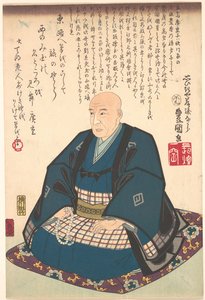
Utagawa Kunisada
1786 - 1865 , Japan
Quick Facts
- Artistic Movement Or Style: Ukiyo-e
- Artists Or Movements Influenced By This Artist: ['Classical Ukiyo-e']
- Artists Who Influenced This Artist: ['Toyokuni I']
- Date Of Birth: 1786
- Date Of Death: 1865
- Full Name: Utagawa Kunisada
- Nationality: Japanese
- Notable Artworks:
- Memorial Portrait of the Actor Ichikawa Ōmezō I
- Tokyo Civilization Famous Places: Contests: Ginza Brick Stone
- Ronins attack on the house of lord Kira (left panel of a triptych)
- Place Of Birth: Honjo, Japan
Related Articles
Ukiyo-e: Exploring Japan's Floating World & Enduring Artistic Legacy
Explore the captivating world of Ukiyo-e – Japan's iconic woodblock prints! Discover masters like Hokusai & Hiroshige, learn about Edo period culture, and find expert art collecting guidance at ArtsDot.
Floating World: The Captivating Art and Legacy of Japanese Ukiyo-e
Explore the profound beauty of Japanese Ukiyo-e. Discover the history, masters like Hokusai, and the enduring legacy of the 'Floating World' through an expert art-historical lens.
Utagawa Kuniyoshi: A Master of Japanese Ukiyo-e – Narrative Innovation & the Fusion of Tradition with Popular Culture
Explore the captivating world of Utagawa Kuniyoshi, a master of Japanese ukiyo-e woodblock prints. Discover his innovative warrior scenes, vibrant landscapes & lasting legacy in 19th-century art history.
Suzuki Harunobu: Pioneering Ukiyo-e & the Refinement of Edo Period Printmaking
Discover the revolutionary world of Suzuki Harunobu, a pioneer of ukiyo-e printmaking. Explore his exquisite nishiki-e techniques, diverse subjects & lasting impact on Japanese art history. Learn more at ArtsDot.

Hokusai's Masterpieces: 25 Iconic Prints & Paintings for Art Lovers | ArtsDot
Journey through Katsushika Hokusai’s 25 most iconic artworks, including *The Great Wave*. Explore the ukiyo-e master's history, style & timeless Japanese woodblock prints. Find museum-quality reproductions for your home at ArtsDot.com.