 Preview
 Send
Send Share
Share
 Details

 Download
 Similars
 X-Ray
X-Ray Diaporama
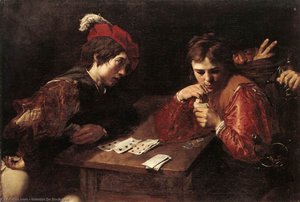
Card-sharpers
 Oil On Canvas
- WallArt
- Baroque
 1620
1620- Early Modern
 95.0 x 137.0 cm
 Gemäldegalerie
 Read More
Hand Made Oil Reproduction
Hand-painted oil on canvas in your size and frame, made to order by our artists. ( Buy Print Buy Image)




P118B $10

P118H $10

P118W $10

P438Z $10

P508JH $12

P508YH $12

P805H $10

P805Z $10

P919BZ $10

P919G $10

P919XJ $10

P959ZH $10

P968JZ $12

W106C $8

W218G $10

W218JH $8

W218Y $10

W307PJ $10

W316G $10

W316PJ $8

W316Y $10

W398PJ $8

W4111J $10

W500HY $15

W500JH $15

W692G $12

W849H $8

W940BG $15

W953PJ $8




Pick from our preset sizes that match the artwork's original proportions.

You may enter your own dimensions to fit a specific frame or space. If your selected size does not match the original image's proportions, we will either crop the artwork or extend the painting with additional hand-painted elements. A digital mockup will be sent for your approval before production begins.
Please note that the on-screen preview does not reflect the actual cropping or extension. Only the mockup will accurately show the final composition.
While custom sizes are available, we recommend selecting a dimension from the predefined list to preserve the original proportions.
After order, ArtsDot.com team will email client for instructions and provide a mockup preview
Worldwide Delivery () in 3/4 weeks instead of standard 5 weeks. (17 August). No compromise on quality.

Free Worldwide Express Shipping

High-Quality Linen Canvas

Full Shipping Insurance

Customs Tax Refund Guarantee

True Color Matching Guarantee

60-Day Return Policy (Defects Only)

100% Money-Back Guarantee

Bulk Discount Offer
 Glass option is only available in size under 110 CM

Card-sharpers
Reproduction Medium
Reproduction Size
-


Total Price
$ 263
Artwork Description
The Allure of Deception: Exploring Card-sharpers
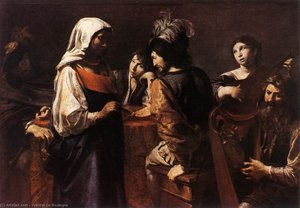
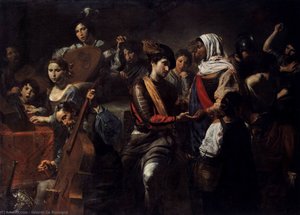
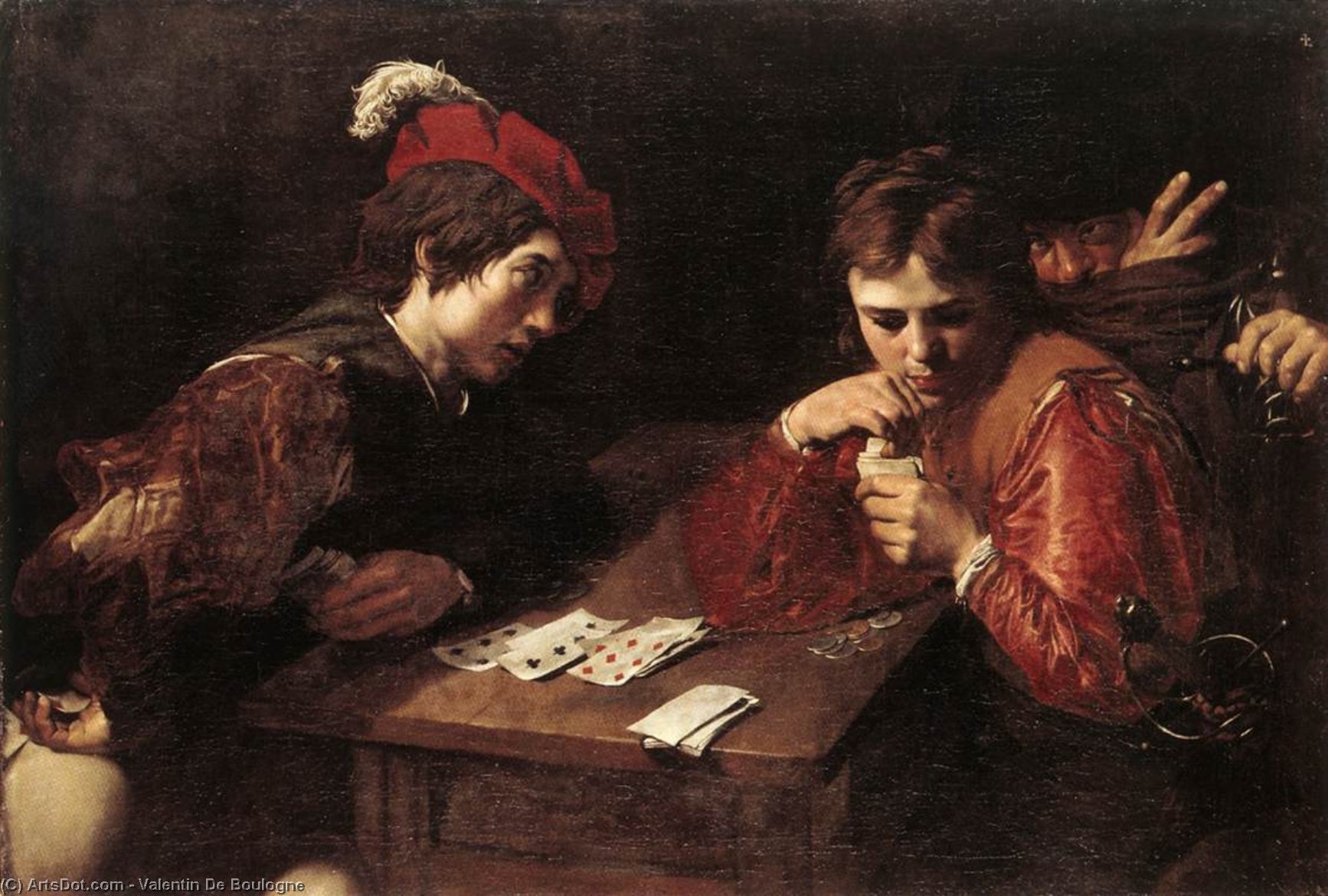
To gaze upon Valentin de Boulogne's Card-sharpers is to step directly into the smoky, charged atmosphere of a clandestine gathering in early 17th-century Rome. This oil on canvas, dating from 1620, is far more than a mere depiction of a card game; it is a masterful study in human psychology, tension, and the subtle art of misdirection. De Boulogne captures that fleeting moment when concentration borders on obsession, where the stakes—be they monetary or emotional—are impossibly high. The scene pulses with an unspoken narrative, inviting the viewer to lean closer, to whisper secrets alongside the depicted players.
Mastery in Shadow and Light: Baroque Technique
Technically, the painting is a breathtaking testament to the height of the Baroque period. De Boulogne’s handling of light, or chiaroscuro, is nothing short of dramatic. The illumination does not merely fall upon the figures; it seems to emanate from within the action itself, carving out forms from deep pools of shadow. This technique, so heavily influenced by the revolutionary work of Caravaggio, lends an almost theatrical realism to every fold of fabric and every tense gesture. Notice how the light catches the polished wood of the table and highlights the anxious gleam in the eyes of the participants. It is a visual drama rendered with painstaking academic precision.
Symbolism of the Game: Intrigue and Human Nature
The card game itself serves as a potent allegory for human interaction. The title, Card-sharpers, suggests more than just skilled gamblers; it hints at those who are adept at reading people, at manipulating circumstances, and perhaps even cheating with practiced ease. Observe the peripheral figure lurking in the background—a silent witness whose presence injects an immediate element of suspense. This compositional choice reminds us that in life, as much as in a game of chance, nothing is ever truly left to coincidence. The painting speaks eloquently about trust, deceit, and the fragile veneer of civilized conduct.
Bringing History Home: Owning a Masterpiece
For those who wish to incorporate this potent piece of history into their own curated space, acquiring a high-quality reproduction allows one to possess this narrative drama without leaving the comfort of home. The original scale and rich tonality captured in these reproductions ensure that the depth and emotional weight intended by De Boulogne remain palpable. Whether adorning an opulent drawing-room or lending intellectual gravitas to a modern gallery setting, Card-sharpers remains a captivating focal point—a timeless meditation on the complexities of the human heart.
Related Artworks

Artist Biography
The Shadow Painter of Rome: The Life and Legacy of Valentin de Boulogne
In the flickering candlelight of the early seventeenth century, a new kind of drama was being etched into the canvas of European art. At the heart of this movement stood Valentin de Boulogne, an artist whose brush possessed the rare ability to summon profound emotion from the deepest shadows. Born in Coulommiers, France, around 1590 or 1591, Valentin was destined for a life steeped in pigment and oil. He emerged from a lineage of creators, with both his father and uncle serving as painters, providing him with an early, intimate education in the mechanics of light and form. While his roots were firmly planted in French soil, his spirit was destined to wander the vibrant, tumultuous streets of Rome, where he would eventually become one of the most captivating figures of the Baroque era.
The trajectory of Valentin’s career was shaped by a restless pursuit of mastery that led him from the disciplined studios of Paris to the rebellious heart of Italy. His early training under the renowned Simon Vouet instilled in him a rigorous command of anatomical accuracy and classical perspective. Yet, the academic precision he learned in France could not contain the burgeoning naturalism that was beginning to sweep through Europe. When he arrived in Rome around 1620, he did not merely observe the existing art scene; he immersed himself in it, joining the Bentvueghels, a boisterous and often unruly collective of expatriate artists. Within this community, he earned the affectionate nickname “innamorato,” a testament to his passionate engagement with both the artistic struggles of his peers and the sensory delights of Roman life.
The Mastery of Tenebrism and Caravaggesque Drama
To understand the work of Valentin de Boulogne is to understand the language of Tenebrism. He was a profound heir to the legacy of Caravaggio, adopting and refining the technique of using extreme contrasts between light and dark to create a sense of theatrical urgency. In his hands, a single, piercing light source does more than illuminate a subject; it carves figures out of an impenetrable void, heightening the psychological tension of every scene. This mastery of chiaroscuro allowed him to transform ordinary moments into monumental dramas. Whether depicting the quiet intensity of a musician or the violent sanctity of a martyr, Valentin used shadow not as an absence of light, but as a physical presence that weighs upon the soul.
His repertoire was remarkably diverse, spanning from intimate genre scenes to grand religious commissions. He found particular success in capturing the gritty, lived-in reality of contemporary life, often portraying:
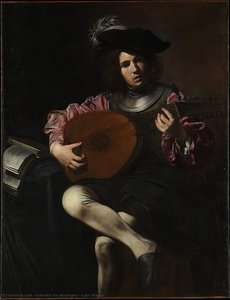
- Soldiers and Musicians: Works such as Lute Player and Soldiers playing Cards and Dice showcase his ability to render texture, from the sheen of polished armor to the soft resonance of a stringed instrument.
- Religious Martyrdom: His profound religious works, including the Martyrdom of St Processus and St Martinian, demonstrate how he applied his tenebrist style to convey the spiritual agony and unwavering faith of the saints.
- Biblical Narratives: In pieces like Moses, he utilized classical grandeur to breathe life into ancient prophets, blending historical weight with dramatic realism.
A Lasting Impression on the Baroque Era
The significance of Valentin de Boulogne extends far beyond his technical prowess; he was a bridge between the French academic tradition and the Italian revolutionary spirit. His ability to secure prestigious commissions from powerful patrons, such as the Barberini family and Cardinal Francesco Barberini, speaks to his standing within the highest echelons of Roman society. Even as he drew inspiration from the works of Bartolomeo Manfredi, Valentin maintained a distinct voice—one that was uniquely sensitive to the human condition and the fleeting nature of time.
Though his life was tragically short, ending in 1632 at the age of approximately forty-one, the impact of his "shadow painting" remains indelible. He left behind a body of work that continues to haunt and inspire, reminding viewers of the power of darkness to define the light. Through his canvases, we are invited to witness the triumphs and tribulations of humanity, captured in the eternal, dramatic dance of light and shadow. His legacy survives in every brushstroke that dares to find beauty in the gloom, ensuring that the name Le Valentin will forever be whispered in the halls of art history.
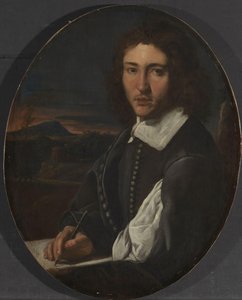
Valentin de Boulogne
1591 - 1632 , France
Quick Facts
- Artistic Movement Or Style: Tenebrism
- Artists Or Movements Influenced By This Artist:
- George de La Tour
- Paul Cézanne
- Artists Who Influenced This Artist:
- Simon Vouet
- Caravaggio
- Date Of Birth: Around 1590
- Full Name: Valentin de Boulogne
- Nationality: French
- Notable Artworks:
- Fortune Teller with Soldiers
- The Concert
- Moses
- Place Of Birth: Coulommiers, France
Related Articles

Demandes Commerciales
APS ofrece reproducciones de bellas artes y encargos personalizados desde 2004. Confían en nosotros corporaciones, hoteles y coleccionistas selectos para obras de arte de calidad museística, servicio discreto y soluciones artísticas completas. ¡Póngase en contacto con nosotros para obtener un presupuesto personalizado!

Goya's Masterpieces: Explore 25 Iconic Paintings & Art Prints | ArtsDot
Delve into the world of Francisco Goya with ArtsDot. Explore 25 iconic paintings – from 'The Third of May' to his haunting Black Paintings. Discover the stories, techniques & emotions behind these Spanish masterpieces. Find museum-quality art reproductions for your home at ArtsDot.com!

Giclée Prints: Archival Quality & Aesthetic Nuances for the Discerning Collector
Explore the world of giclée prints with ArtsDot. Learn about archival quality, aesthetic nuances & investment potential. Expert guidance for discerning art collectors seeking museum-quality reproductions and lasting value.

A riguardo di noi
Découvrez notre histoire ! Nous apportons l'art de classe mondiale dans votre vie grâce à une sélection experte, des créations personnalisées et des aperçus gratuits. Approuvé par les particuliers et les entreprises depuis 2000.

The Enduring Legacy of Fine Art Prints: Technique, History & Aesthetic Impact
Explore the rich history & techniques of fine art prints. Discover investment potential, assess authenticity, and learn how to preserve your collection with expert guidance. Trusted insights for discerning collectors.