 Preview
 Send
Send Share
Share
 Details

 Download
 Similars
 X-Ray
X-Ray Diaporama
Four naked


 Read More
Hand Made Oil Reproduction
Hand-painted oil on canvas in your size and frame, made to order by our artists. ( Buy Print Buy Image)




P118B $10

P118H $10

P118W $10

P438Z $10

P508JH $12

P508YH $12

P805H $10

P805Z $10

P919BZ $10

P919G $10

P919XJ $10

P959ZH $10

P968JZ $12

W106C $8

W218G $10

W218JH $8

W218Y $10

W307PJ $10

W316G $10

W316PJ $8

W316Y $10

W398PJ $8

W4111J $10

W500HY $15

W500JH $15

W692G $12

W849H $8

W940BG $15

W953PJ $8




Pick from our preset sizes that match the artwork's original proportions.

You may enter your own dimensions to fit a specific frame or space. If your selected size does not match the original image's proportions, we will either crop the artwork or extend the painting with additional hand-painted elements. A digital mockup will be sent for your approval before production begins.
Please note that the on-screen preview does not reflect the actual cropping or extension. Only the mockup will accurately show the final composition.
While custom sizes are available, we recommend selecting a dimension from the predefined list to preserve the original proportions.
After order, ArtsDot.com team will email client for instructions and provide a mockup preview
Worldwide Delivery () in 3/4 weeks instead of standard 5 weeks. (16 August). No compromise on quality.

Free Worldwide Express Shipping

High-Quality Linen Canvas

Full Shipping Insurance

Customs Tax Refund Guarantee

True Color Matching Guarantee

60-Day Return Policy (Defects Only)

100% Money-Back Guarantee

Bulk Discount Offer
 Glass option is only available in size under 110 CM

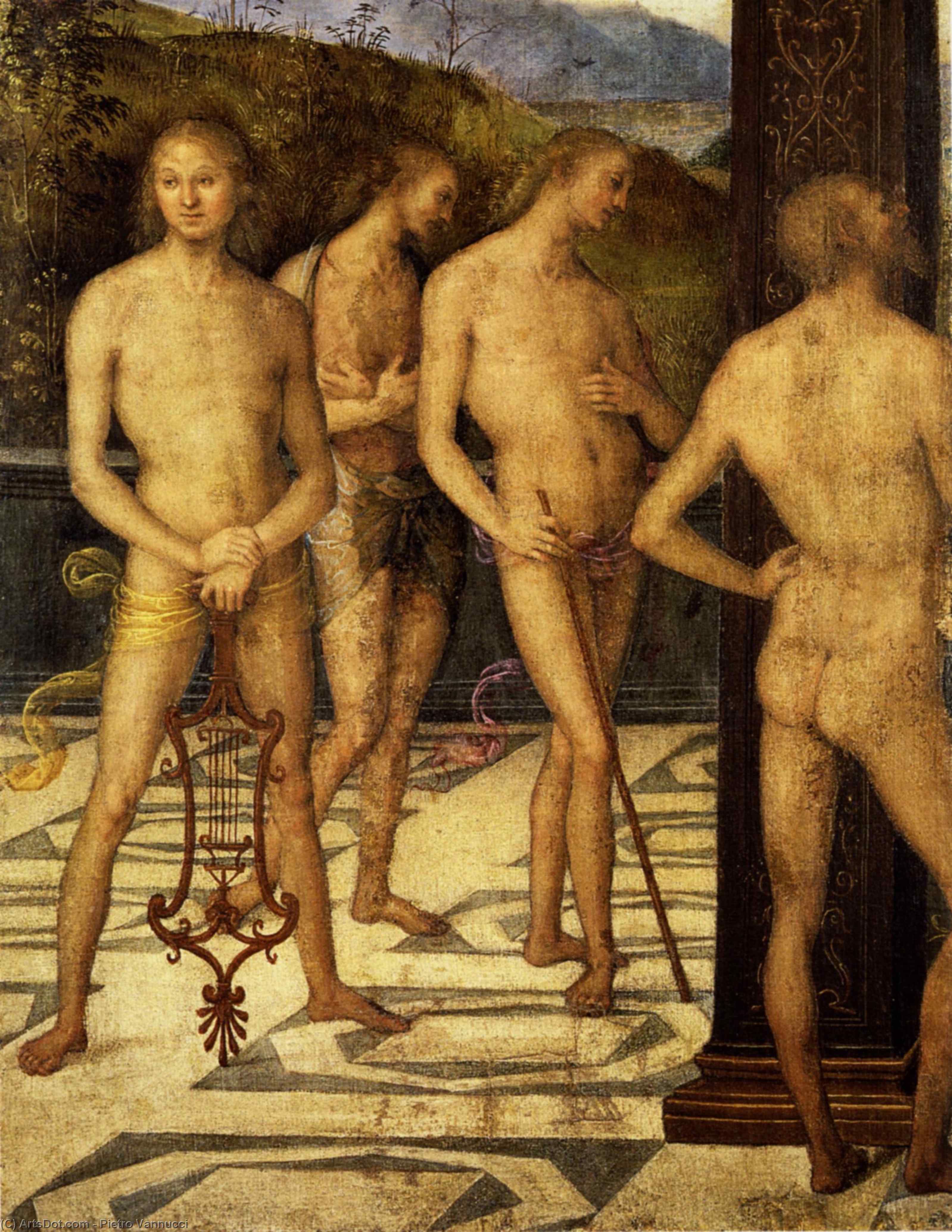
Four naked
Reproduction Medium
Reproduction Size
-


Total Price
$ 263
Artwork Description
A Renaissance Vision of Grace and Form
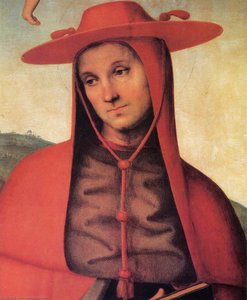
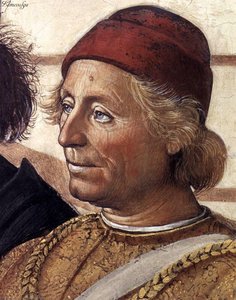
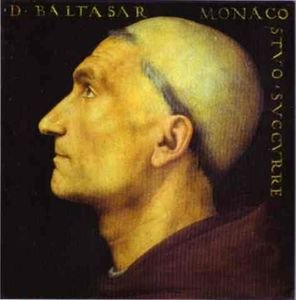
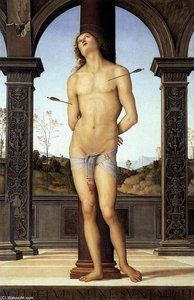
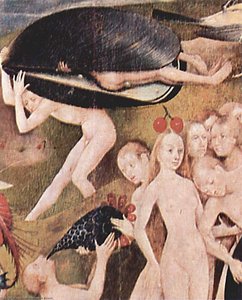
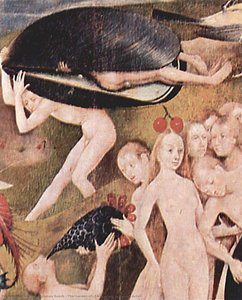
In the quiet, luminous atmosphere of the High Renaissance, few works capture the delicate balance between human vulnerability and classical elegance quite like "Four Naked" by the master Vannucci Pietro, known affectionately as Le Perugino. Painted around 1505, this evocative composition invites the viewer into a private, architectural sanctuary where the boundaries between the physical and the ethereal seem to blur. The painting presents a quartet of figures, each rendered with the soft, porcelain-like skin tones and graceful contours that became the hallmark of the Umbrian school. Through his masterful command of light and shadow, Le Perugino transforms a simple indoor setting into a stage for profound human presence, where every gaze and posture tells a silent story of beauty and introspection.
The composition is a masterclass in Renaissance spatial harmony. As we move through the scene, we encounter a diverse assembly of figures that guide the eye in a rhythmic dance across the canvas. On the far left, a young man with flowing hair holds a lute, his direct gaze establishing an immediate, soulful connection with the observer. This musical element introduces a sense of auditory harmony to the visual experience, suggesting a moment of cultured leisure. Beside him, the mystery deepens with a figure turned away, adding a layer of enigmatic depth that challenges the viewer to contemplate what remains unseen. The presence of a woman looking over her shoulder, clutching a delicate object—perhaps a symbol of fleeting youth or nature—adds a touch of soft femininity and movement, while the final male figure, gazing toward an unseen window, connects the intimate interior to the vast world outside.
Technically, the work exemplifies the pinnacle of 16th-century Italian technique. Le Perugino utilizes a subtle, blended approach to color, avoiding harsh lines in favor of sfumato-like transitions that lend the flesh a lifelike, breathing quality. The architectural backdrop, suggestive of a grand palazzo, provides a structured, geometric contrast to the organic curves of the human forms. This interplay between the rigid permanence of stone and the soft, transient nature of the human body serves as a poignant meditation on the classical ideals of the era. For the discerning collector or interior designer, this piece offers more than mere decoration; it provides a focal point of historical weight and aesthetic serenity.
Integrating a high-quality reproduction of "Four Naked" into a contemporary space allows for the infusion of timeless sophistication. Whether placed in a sunlit gallery, a formal study, or a modern living area, the painting’s muted palette and balanced composition act as an anchor of tranquility. It evokes an era of humanist discovery and artistic perfection, making it an ideal choice for those looking to surround themselves with art that inspires contemplation, elegance, and a deep appreciation for the enduring legacy of the Italian Renaissance.
Related Artworks

Artist Biography
Pietro Vannucci (Le Perugino): The Maestro of Florentine Madonna Painting
Pietro Vannucci, commonly known as Le Perugino—a name derived from his birthplace—was a pivotal figure in the Florentine Renaissance, cementing his reputation as one of Italy’s most celebrated painters. Born around 1446 in Perugia, Umbria, he emerged from a family steeped in artistic tradition and quickly established himself as a prolific artist whose serene depictions of Mary and Jesus captivated audiences across Europe. His distinctive style—characterized by luminous colors, graceful compositions, and an unparalleled sensitivity to humanist ideals—influenced generations of artists and continues to inspire admiration today.- Early Life & Artistic Training:
- Formal Education: Vannucci’s artistic journey began with training under Piero della Francesca in Arezzo, absorbing the master's mastery of perspective and idealized realism. This formative experience instilled a profound appreciation for mathematical precision combined with spiritual contemplation—a hallmark of his oeuvre.
- Florence & Patronage:
- Arrival in Florence: Around 1470, Vannucci relocated to Florence under the patronage of Lorenzo de’ Medici, securing commissions that propelled him to international acclaim. His association with Medici fostered an environment conducive to artistic innovation and allowed him to collaborate with luminaries like Michelangelo and Sandro Botticelli.
Style & Technique: The Essence of Florentine Idealism
Le Perugino’s artistic vision revolved around achieving a harmonious blend of observation and imagination. He meticulously studied natural forms—particularly landscapes—to inform his paintings, yet he skillfully manipulated light and color to convey profound emotional depth. His technique involved layering thin glazes of pigment upon toned ground, creating surfaces that shimmered with ethereal beauty. This meticulous approach resulted in canvases imbued with an unparalleled sense of tranquility and grace – a stylistic hallmark that distinguishes him from many of his contemporaries.- Color Palette: Vannucci favored pastel hues—particularly blues, greens, and yellows—to evoke the serenity of Marian scenes. These colors were applied with remarkable subtlety, enhancing the luminous quality of his paintings.
- Composition & Perspective:
- Balanced Arrangements: His compositions prioritized balance and harmony, reflecting humanist ideals that emphasized proportion and order. Vannucci skillfully employed linear perspective to create convincing spatial illusions, grounding his figures within believable environments.
Notable Works & Legacy
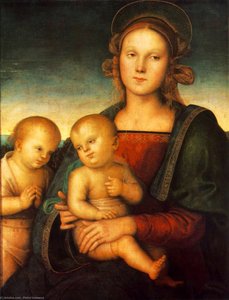
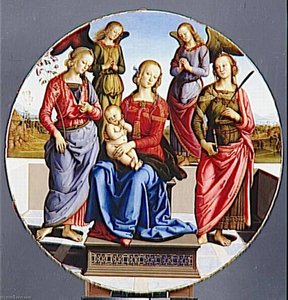
Le Perugino’s artistic output spanned decades and encompassed a vast array of commissions—ranging from altarpieces adorning churches to portraits capturing the dignity of noble families. Among his most iconic creations are “The Virgin and Child Surrounded by Two Angels,” “Saint Jerome Soutenant Deux Jeunes Pendus” and "Virgin and Child Enthroned with Angels and Saints"—each demonstrating his unparalleled ability to convey spiritual grace through visual artistry. These paintings stand as enduring symbols of Florentine Renaissance aesthetics, influencing artists for centuries afterward.- "The Virgin and Child Surrounded by Two Angels": Considered one of Le Perugino’s finest achievements, this masterpiece exemplifies his mastery of color and composition, capturing the tenderness of Mary and Jesus with breathtaking sensitivity.
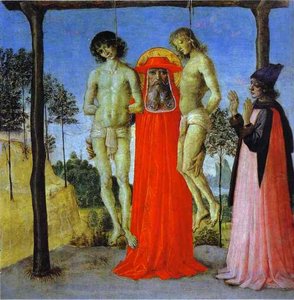
- "Saint Jerome Soutenant Deux Jeunes Pendus": This poignant depiction showcases Vannucci's ability to infuse religious imagery with psychological nuance—a testament to his profound understanding of human emotion.
Influence & Historical Significance
Le Perugino’s influence extended far beyond the confines of Florence, shaping artistic trends across Italy and inspiring artists in Northern Europe. His serene style resonated with humanist sensibilities—promoting a vision of beauty rooted in moral virtue—and solidified his position as one of the foremost painters of his era. Today, Le Perugino's legacy persists—serving as an exemplar of Renaissance idealism and demonstrating the transformative power of art to elevate human consciousness.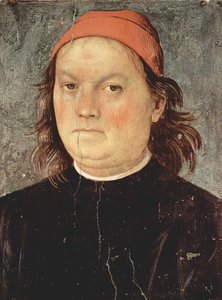
vannucci pietro (le perugin)
1446 - 1523
Quick Facts
- Artistic Movement Or Style: Renaissance
- Artists Or Movements Influenced By This Artist:
- Raphael
- Northern Renaissance
- Artists Who Influenced This Artist:
- Michelangelo Buonarroti
- Leonardo da Vinci
- Date Of Birth: c. 1446
- Date Of Death: 1523
- Full Name: Pietro Vannucci
- Nationality: Italian
- Notable Artworks:
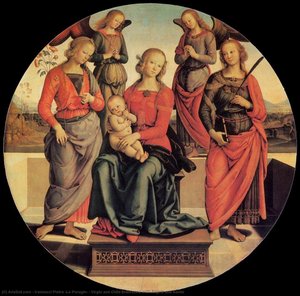
- The Virgin and Child Surrounded by Two Angels, St. Rose, and St. Catherine
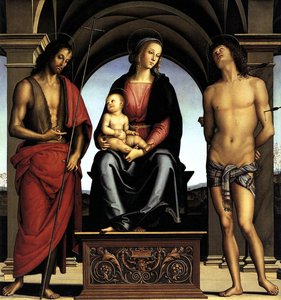
- Virgin and Child Enthroned with Angels and Saints
- SAINT JEROME SOUTENANT DEUX JEUNES PENDUS
- Place Of Birth: Umbria, Italy
Related Articles
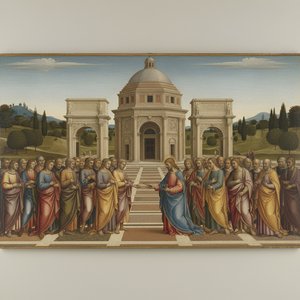
Pietro Perugino: Umbrian Master of Serenity & Precursor to Raphael's High Renaissance
Explore the life & art of Pietro Perugino, a pivotal Renaissance master and Raphael’s influential teacher. Discover his serene compositions, Sistine Chapel frescoes, and lasting legacy with ArtsDot.
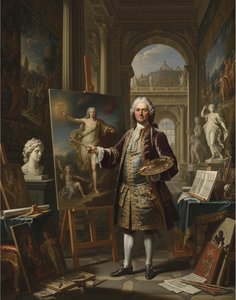
Charles Le Brun: Master of French Baroque Classicism & His Enduring Legacy
Explore the life & art of Charles Le Brun, master of French Baroque Classicism. Discover his royal commissions, influence on Versailles, and enduring legacy through detailed analysis & stunning artworks.
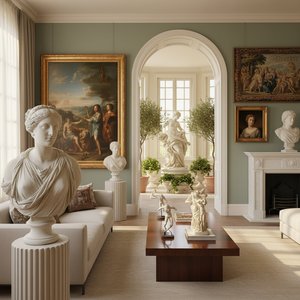
Neo-Classicism's Greatest Hits: 10 Masterpieces for Your Home |
Journey through Neo-Classicism's finest! Explore 10 iconic masterpieces by David, Ingres & Canova. Discover art history, techniques & timeless beauty – perfect for inspiring your home decor. Find museum-quality reproductions at
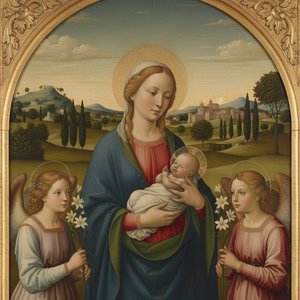
Pietro Perugino: A Renaissance Master's Legacy of Grace & Spiritual Depth
Explore the serene beauty & spiritual depth of Pietro Perugino's Renaissance masterpieces. Discover his influence on Raphael, key works like 'Baptism of Christ,' and legacy as a leading Umbrian painter.
The Enduring Legacy of Classicism: Principles, Evolution & Influence in Western Art
Explore the enduring legacy of Classicism in Western art! Discover its historical context, key principles, iconic masterpieces & lasting influence. Learn about Renaissance and Neoclassical movements with ArtsDot.
![The Madonna between St. John the Baptist and St. Sebastian [detail]](/media/artworks/images/thumbnails/ad/ad/adadce3c43174b99bc91b80d8fcb158f.jpg)