 Preview
 Send
Send Share
Share
 Details

 Download
 Similars
 X-Ray
X-Ray Diaporama
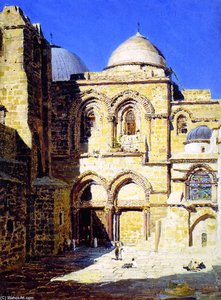
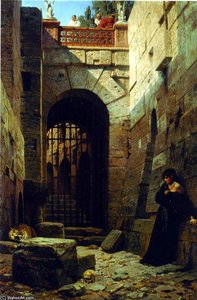
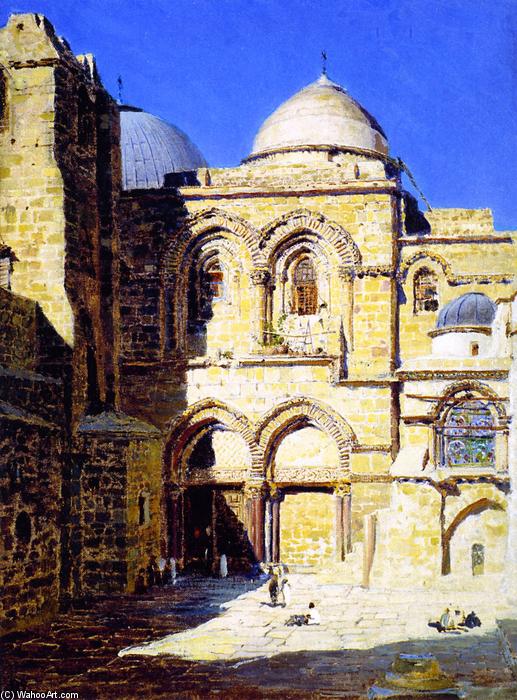
Façade of the Church of the Holy Sepulcher


 Read More
Hand Made Oil Reproduction
Hand-painted oil on canvas in your size and frame, made to order by our artists. ( Buy Print Buy Image)




P118B $10

P118H $10

P118W $10

P438Z $10

P508JH $12

P508YH $12

P805H $10

P805Z $10

P919BZ $10

P919G $10

P919XJ $10

P959ZH $10

P968JZ $12

W106C $8

W218G $10

W218JH $8

W218Y $10

W307PJ $10

W316G $10

W316PJ $8

W316Y $10

W398PJ $8

W4111J $10

W500HY $15

W500JH $15

W692G $12

W849H $8

W940BG $15

W953PJ $8




Pick from our preset sizes that match the artwork's original proportions.

You may enter your own dimensions to fit a specific frame or space. If your selected size does not match the original image's proportions, we will either crop the artwork or extend the painting with additional hand-painted elements. A digital mockup will be sent for your approval before production begins.
Please note that the on-screen preview does not reflect the actual cropping or extension. Only the mockup will accurately show the final composition.
While custom sizes are available, we recommend selecting a dimension from the predefined list to preserve the original proportions.
After order, ArtsDot.com team will email client for instructions and provide a mockup preview
Worldwide Delivery () in 3/4 weeks instead of standard 5 weeks. (6 September). No compromise on quality.

Free Worldwide Express Shipping

High-Quality Linen Canvas

Full Shipping Insurance

Customs Tax Refund Guarantee

True Color Matching Guarantee

100-Day Return Policy (Defects Only)

100% Money-Back Guarantee

Bulk Discount Offer
 Glass option is only available in size under 110 CM

Façade of the Church of the Holy Sepulcher
Reproduction Medium
Reproduction Size
-


Total Price
$ 263
Façade of the Church of the Holy Sepulcher – A Vision of Faith and Antiquity
The artwork, titled “Façade of the Church of the Holy Sepulcher,” is a monumental oil painting by Vasily Dmitrievich Polenov completed in 1882. It stands as a testament to the Peredvizhniki movement’s commitment to capturing the grandeur of Russian history and spirituality through meticulous observation and artistic interpretation—a pursuit driven by a profound belief that art could elevate human consciousness. More than just a depiction of architectural form, Polenov's canvas embodies a complex tapestry of influences reflecting both European Orientalist painting conventions and the artist’s deeply held convictions about beauty and moral purpose.Subject Matter & Composition
The painting portrays the imposing façade of the Church of the Holy Sepulcher in Sopron, Hungary—a building renowned for its architectural fusion of Gothic and Baroque styles. Polenov skillfully captures the solemn atmosphere of the site, presenting a panoramic view emphasizing the church’s towering height and structural solidity. Vertical lines dominate the composition, directing the viewer's gaze upwards towards the central dome, symbolizing aspiration and divine majesty. Figures—likely worshippers—are subtly integrated into the foreground, providing scale and grounding the monumental architectural scene within human experience. This deliberate arrangement underscores the importance of faith and tradition amidst the backdrop of European artistic exploration.Style & Technique – Echoes of Orientalism
Polenov’s approach aligns closely with the stylistic hallmarks of Orientalist painting prevalent during his era—a genre characterized by an idealized portrayal of exotic locales and cultures. However, unlike many of its contemporaries, Polenov eschewed mere decorative embellishment, prioritizing accuracy in architectural detail and textural representation. The artist employed a technique rooted in meticulous brushwork, layering pigments to achieve remarkable depth and luminosity. Visible strokes mimic the rough surface of stone—particularly evident in the weathered walls—creating an immersive sensory experience for the viewer. Careful attention was paid to lighting, casting dramatic shadows that accentuate the building’s contours and imbue it with warmth, mirroring the spiritual radiance he sought to convey.Historical Context & Symbolism
Created during a period of significant intellectual ferment within Russia—marked by debates surrounding social reform and artistic autonomy—Polenov's painting reflects the Peredvizhniki movement’s broader ambition: to elevate art beyond mere aesthetic contemplation. The Church of the Holy Sepulcher itself holds immense religious significance, representing Christ’s tomb and commemorating the central event of Christian faith. Polenov’s depiction serves as a visual meditation on history, spirituality, and cultural heritage—a celebration of enduring architectural grandeur and its capacity to inspire reverence and contemplation.Emotional Impact & Artistic Legacy
Ultimately, “Façade of the Holy Sepulcher” transcends mere representation; it communicates an overwhelming sense of awe and solemn beauty. Polenov’s masterful technique captures not only the physical appearance of the church but also its spiritual essence—a testament to his conviction that art possesses transformative power. Like many works by the Knight of Beauty, this painting continues to resonate with audiences today, reminding us of the enduring allure of classical forms and the profound connection between art and human emotion. Its meticulous detail and evocative atmosphere solidify Polenov’s place as a pivotal figure in Russian landscape painting and a champion of artistic idealism—a legacy that persists through reproductions like those offered by ArtsDot.com.Related Artworks
Artist Biography
The Knight of Beauty: The Life and Vision of Vasily Polenov
Vasily Dmitrievich Polenov (1844–1927) stands as a cornerstone figure in Russian landscape painting and the Peredvizhniki movement—a collective of realist artists who championed artistic freedom and social reform. Often dubbed “the Knight of Beauty,” Polenov embodied both European artistic sensibilities and deep roots within Russian culture, reflecting a vision where art served not merely for aesthetic pleasure but actively fostered happiness and moral upliftment. As he eloquently stated, "Art should promote happiness and joy," encapsulating the movement’s core ethos. His legacy continues to inspire artists today with his unwavering belief in art's transformative power—a conviction born from his formative years amidst a vibrant intellectual landscape shaped by progressive thinkers challenging oppression.
Born in St. Petersburg, Polenov descended from a wealthy family steeped in artistic tradition. His father, Dmitri Polenov, was a celebrated archaeologist and bibliographer whose groundbreaking expeditions to Greece exposed the young Vasily to influential artists like Karl Briullov. This familial environment nurtured a passion for learning and artistic exploration from an early age. His mother, Maria Alekseevna Polenova, was herself a painter and portraitist, a connection that underscored the pervasive artistic culture of the era. Her memoirs vividly portray the atmosphere of intellectual ferment prevalent in Russia during the 1860s—a period marked by debates concerning democracy, progress, education, and resistance to autocratic rule.
A Mastery of Light and Lyrical Realism
Polenov’s artistic development was characterized by a unique ability to blend the rigorous training of the Russian Academy with the luminous, atmospheric qualities of European landscape traditions. His work often transcends simple documentation, moving into the realm of lyrical realism. He possessed a profound talent for capturing the subtle shifts of light across a landscape, imbuing his scenes with a sense of serenity and spiritual depth. This is perhaps most evident in his biblical series, where he approached sacred narratives not as distant, iconographic legends, but as living, breathing moments of human connection and divine grace.
His technical prowess allowed him to navigate various stylistic territories, from the detailed architectural studies of the Orient to the idyllic, sun-drenched vistas of the Russian countryside. Notable highlights of his oeuvre include:
- Christ and the Sinner: An 1886 masterpiece that demonstrates a breathtaking Byzantine grace, offering a luminous vision of faith through soft light and profound emotion.
- The Church of the Holy Sepulcher Series: Through works like his studies of the interior and the façade of this sacred site, Polenov showcased an Orientalist fascination with Byzantine architecture, utilizing warm colors to create a serene, almost meditative atmosphere.
- Landscape Studies: His ability to capture the "mood" of nature, turning simple vistas into profound meditations on the beauty of the natural world.
Legacy and Historical Significance
Beyond his individual canvases, Polenov’s impact on the Russian art world was structural and cultural. As a member of the Peredvizhniki (The Wanderers), he helped shift the focus of Russian art away from the rigid, aristocratic confines of the Academy toward a more populist, socially conscious realism. Yet, unlike some of his contemporaries who focused solely on the harshness of social struggle, Polenov sought to find the eternal beauty within the human condition. His estate at Polenovo became more than just a home; it was a sanctuary for art and culture, reflecting his lifelong commitment to the idea that beauty is a fundamental necessity for the human soul.
His historical significance lies in this delicate balance: he was a realist who refused to abandon hope, and a traditionalist who embraced the light of modern impressionistic sensibilities. By weaving together the archaeological richness of his heritage with a forward-looking humanist ideal, Vasily Polenov ensured that his "Knight of Beauty" persona would remain etched in the annals of art history, reminding generations that the ultimate purpose of creativity is to illuminate the joy of existence.
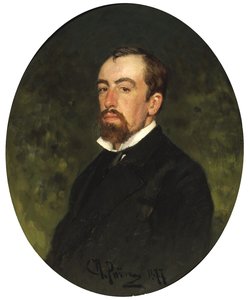
vasily dmitrievich polenov
1844 - 1927
Quick Facts
- Artistic Movement Or Style: Peredvizhniki
- Artists Or Movements Influenced By This Artist: ['European Painting']
- Artists Who Influenced This Artist:
- Karl Briullov
- Roman Kuzmin
- Date Of Birth: June 1, 1844
- Date Of Death: July 18, 1927
- Full Name: Vasily Dmitrievich Polenov
- Nationality: Russian
- Notable Artworks:
- Cityscape
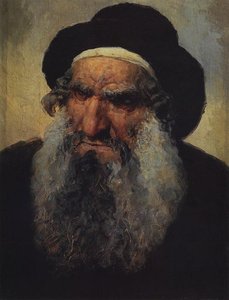
- Tiberian Jew
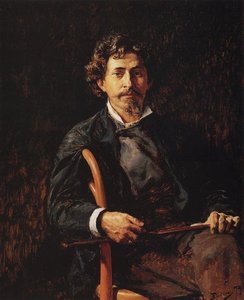
- Portrait of the Artist Ilya Repin
- Place Of Birth: St. Petersburg, Russia
Related Articles

Vasily Polenov: A Pioneer of Landscape Impressionism & Russian National Identity
Explore the captivating landscapes of Vasily Polenov, a pivotal figure in Russian art history. Discover his lyrical realism, biblical series & influence on Impressionism. Learn about the 'Knight of Beauty' and his enduring legacy.
Ivan Bilibin: A Synthesis of Folklore, Modernism & National Identity in Russian Illustration
Explore the enchanting world of Ivan Bilibin, a master Russian illustrator who synthesized folklore, Art Nouveau & national identity. Discover his iconic fairy tale illustrations and legacy with ArtsDot.
Victor Vasnetsov: Myth, Nationalism & the Revival of Russian Fairy Tale Painting
Explore the captivating world of Victor Vasnetsov, a co-founder of Russian folklorist painting. Discover his iconic works, influence on national identity, and lasting legacy in this expert guide.
Vladimir Makovsky: Realism, Social Commentary & Russian Life in Late 19th-Century Painting
Explore the captivating world of Vladimir Makovsky, a leading Russian realist painter. Discover his insightful depictions of 19th-century life, social commentary & legacy with ArtsDot.
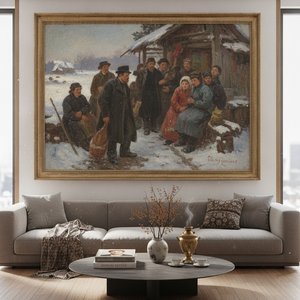
Discover Russian Realism: Soulful Masterpieces and the Timeless Spirit of the Peredvizhniki for Your Modern Home
Elevate your home with the soulful beauty of Russian Realism. Discover exquisite hand-painted reproductions of Peredvizhniki masterpieces, from lyrical landscapes to profound portraits, curated to bring historical depth and timeless elegance to your modern interior design.