 Preview
 Send
Send Share
Share
 Details

 Download
 Similars
 X-Ray
X-Ray Diaporama
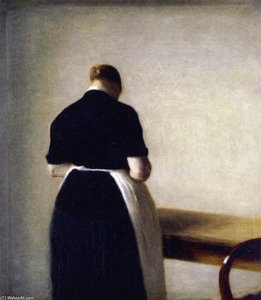
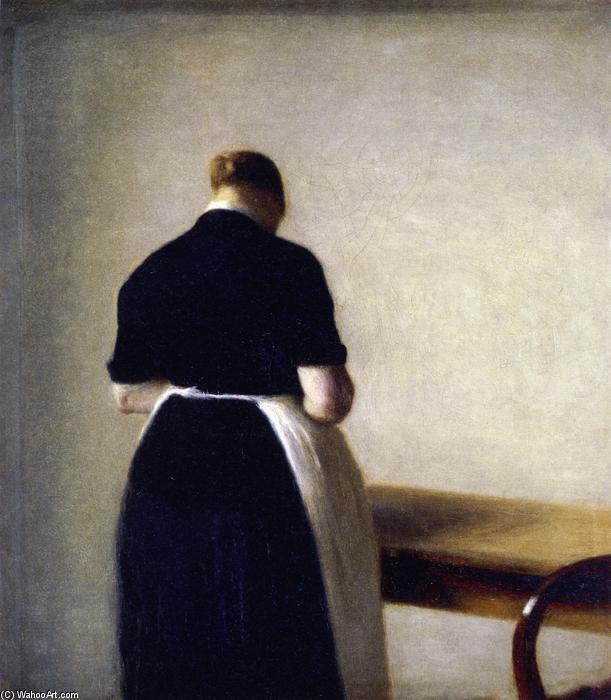
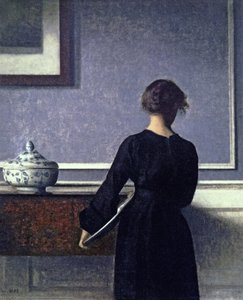
Figure of a Woman


 Read More
Hand Made Oil Reproduction
Hand-painted oil on canvas in your size and frame, made to order by our artists. ( Buy Print Buy Image)




P118B $10

P118H $10

P118W $10

P438Z $10

P508JH $12

P508YH $12

P805H $10

P805Z $10

P919BZ $10

P919G $10

P919XJ $10

P959ZH $10

P968JZ $12

W106C $8

W218G $10

W218JH $8

W218Y $10

W307PJ $10

W316G $10

W316PJ $8

W316Y $10

W398PJ $8

W4111J $10

W500HY $15

W500JH $15

W692G $12

W849H $8

W940BG $15

W953PJ $8




Pick from our preset sizes that match the artwork's original proportions.

You may enter your own dimensions to fit a specific frame or space. If your selected size does not match the original image's proportions, we will either crop the artwork or extend the painting with additional hand-painted elements. A digital mockup will be sent for your approval before production begins.
Please note that the on-screen preview does not reflect the actual cropping or extension. Only the mockup will accurately show the final composition.
While custom sizes are available, we recommend selecting a dimension from the predefined list to preserve the original proportions.
After order, ArtsDot.com team will email client for instructions and provide a mockup preview
Worldwide Delivery () in 3/4 weeks instead of standard 5 weeks. (16 August). No compromise on quality.

Free Worldwide Express Shipping

High-Quality Linen Canvas

Full Shipping Insurance

Customs Tax Refund Guarantee

True Color Matching Guarantee

60-Day Return Policy (Defects Only)

100% Money-Back Guarantee

Bulk Discount Offer
 Glass option is only available in size under 110 CM

Figure of a Woman
Reproduction Medium
Reproduction Size
-


Total Price
$ 263
Artwork Description
A Moment Frozen in Time: Exploring Vilhelm Hammershøi’s Figure of a Woman
The painting “Figure of a Woman” by Danish artist Vilhelm Hammershøi stands as an enduring testament to the power of understated beauty and psychological depth—a cornerstone of Scandinavian Modernism that continues to captivate audiences today. Created in 1888, this oil on canvas resides within the Statens Museum for Kunst in Copenhagen, Denmark, offering viewers a glimpse into a world meticulously crafted with quiet contemplation.The Artist’s Vision: Hammershøi's Poetic Minimalism
Vilhelm Hammershøi (1864-1916) emerged from Copenhagen’s artistic milieu as a singular voice—one devoted to distilling art down to its purest essence. Unlike Impressionists or Expressionists who sought to capture fleeting sensations, Hammershøi prioritized conveying mood and emotion through carefully considered composition and color palettes. His approach aligns with the broader movement of Scandinavian Modernism, which championed functionality alongside aesthetic elegance, rejecting ostentation in favor of serene simplicity. This deliberate restraint isn’t merely stylistic choice; it reflects a profound philosophical stance—a desire to confront viewers with the fundamental realities of existence without distraction.Technical Mastery: Capturing Light and Texture
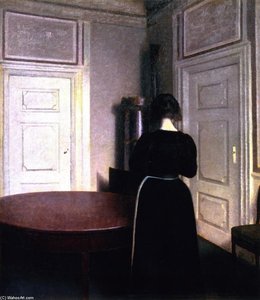
Hammerøi's technique is characterized by an almost obsessive attention to detail, achieved through painstaking layering of thin glazes over a primed canvas. The muted hues – predominantly whites, creams, and pale yellows – dominate the scene, creating an atmosphere of ethereal stillness. Notice how Hammershøi skillfully renders the texture of the white wall, subtly hinting at its materiality without overwhelming the viewer’s gaze. Similarly, he captures the woman's posture with remarkable accuracy, conveying a sense of quiet concentration—perhaps absorbed in preparing a meal or simply observing her surroundings. The artist employs a technique known as *alla prima*, applying paint directly onto the canvas wet-on-wet, maximizing luminosity and minimizing brushstrokes to achieve an unparalleled level of smoothness.Symbolism Within Silence: Interpreting the Woman’s Presence
Beyond its formal qualities, “Figure of a Woman” resonates with symbolic significance. The woman herself embodies domesticity—a cornerstone of Scandinavian culture—representing nurturing, caregiving, and the quiet dignity of everyday life. Her hands resting on the table serve as a focal point, symbolizing labor and connection to the tangible world. The stark white wall acts as a visual barrier, isolating the figure within her space and emphasizing her solitude—yet paradoxically conveying a sense of peace and self-sufficiency. Hammershøi’s deliberate omission of extraneous elements reinforces this contemplative mood, inviting viewers to engage in introspection and consider the profound beauty inherent in simplicity.A Legacy Enduring Through Reproduction
Today, “Figure of a Woman” continues to inspire artists and designers alike. Its timeless appeal lies in its ability to evoke feelings of serenity and contemplation—qualities increasingly valued in our fast-paced world. High-quality reproductions offered by ArtsDot.com allow collectors and enthusiasts to experience Hammershøi’s masterful vision firsthand, preserving the essence of this iconic artwork for generations to come. Visiting ArtsDot.com provides access to detailed information about Hammershøi's oeuvre and allows you to explore stunning recreations of his celebrated paintings.- Artist: vilhelm hammershoi
- Born Year: 1864
- Death Year: 1916
- Birth City: Copenhagen
- Birth Country: Denmark
Related Artworks
Artist Biography
The Enigmatic Stillness of Vilhelm Hammershøi
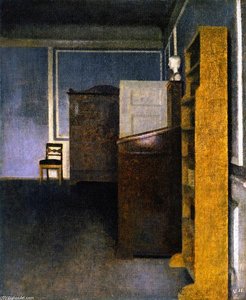
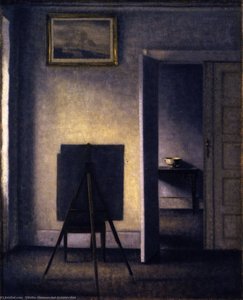
To stand before a painting by Vilhelm Hammershøi is to step across a threshold into a realm suspended between memory and dream. His work possesses an almost palpable silence, a quietude that seems to absorb the noise of the modern world. Born in Copenhagen in 1864, this Danish master developed a visual language so distinct, so profoundly atmospheric, that it continues to captivate collectors and critics alike today. Hammershøi’s canvases are not merely depictions of rooms or figures; they are meditations on absence, light, and the delicate passage of time.
His early life was rooted in the cultural milieu of late 19th-century Copenhagen, a period ripe with artistic ferment. While he navigated the currents of academic art, his true calling lay in capturing moments of profound introspection. His dedication to interior spaces became legendary, transforming domestic settings into grand stages for psychological drama. The muted tones—the soft grays, the pale creams, the whisper of dusty ochre—are hallmarks that define his unique visual signature.
Mastery of Light and Atmosphere
The technical brilliance underpinning Hammershøi’s seemingly simple scenes is nothing short of masterful. He possessed an unparalleled ability to render light not as a mere illumination, but as a tangible, atmospheric element itself. In his depictions of empty hallways or sparsely furnished drawing rooms, the quality of the light seems to emanate from within the paint, suggesting unseen sources and untold narratives. This preoccupation with atmosphere elevated his work beyond simple genre painting; it became an exploration of mood.
His compositions often feature receding perspectives, drawing the viewer deep into the painted space, only to have that depth ultimately dissolve into a soft, ambiguous haze. Whether portraying solitary figures—often veiled or seen from the back—or simply empty architectural volumes, the sense of enclosure and quiet contemplation is overwhelming. It is in this careful management of negative space that his genius resides; the emptiness itself becomes the most eloquent subject.
Symbolism and the Inner Landscape
Hammershøi’s art has always been deeply intertwined with Symbolist currents, even if he never strictly adhered to the movement's dogma. His paintings invite viewers into a space of ambiguity. The figures, when present, often seem detached from their surroundings or lost in thought, suggesting an internal life far richer than what the canvas portrays. There is a pervasive sense of melancholy beauty—a sublime yearning that speaks to universal human experiences: solitude, memory, and the passage of time.
Some scholars have interpreted his work as a visual diary of his own emotional landscape, a retreat into the controlled environment of art when the external world proved too loud or complex. The repetition of motifs—the curtain, the empty chair, the distant window view—lends his oeuvre a ritualistic quality, suggesting that these quiet moments were necessary anchors against the flux of existence.
Legacy and Enduring Influence
Though he passed away relatively young in 1916, Vilhelm Hammershøi’s influence proved remarkably enduring. His commitment to understatement and tonal subtlety provided a crucial counterpoint to the bolder palettes emerging from other contemporary movements. His work resonated deeply with modern sensibilities that valued introspection over overt narrative.
Today, his paintings are sought after for their ability to transform any space they inhabit. They do not shout; they whisper profound truths about beauty found in restraint. To appreciate Hammershøi is to accept the poetry of the unsaid, to find grandeur in the muted tones, and to allow oneself to become momentarily lost within the exquisite, enveloping silence of his painted worlds.
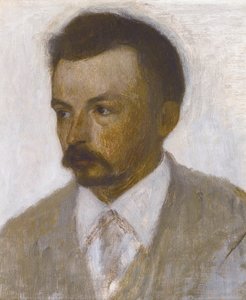
vilhelm (hammershøi)hammershoi
1864 - 1916 , Denmark
Quick Facts
- Artistic Movement Or Style: Symbolism art
- Date Of Birth: 1864
- Date Of Death: 1916
- Full Name: Vilhelm Hammershøi
- Nationality: Danish
- Place Of Birth: Copenhagen, Denmark
Related Articles
Vilhelm Hammershøi: Exploring Interiority, Light & Absence – A Danish Master for the Elite Collector
Discover the captivating world of Vilhelm Hammershøi with ArtsDot. Explore his serene interiors, masterful use of light & symbolism. Expert insights for discerning collectors and art enthusiasts.

The Interior Gaze: Exploring Representations of Domestic Space in Art History
Explore the fascinating history of domestic interiors in art! From Dutch Masters to Impressionism, discover how artists captured home life & social meaning. Expert analysis and insights at ArtsDot.
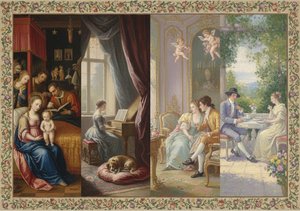
Intimate Interiors: Domestic Life & Artistic Representation from Renaissance to Impressionism
Explore the evolution of domestic life in Western art from the Renaissance to Impressionism. Discover symbolism, realism & artistic techniques shaping intimate interior scenes. Learn more with ArtsDot.

The Intimate Sphere: Domesticity & Representation in Western Art
Explore the rich history of domesticity in Western art, from Renaissance courts to Modernist masterpieces. Discover how artists captured everyday life and build your collection with ArtsDot.
Harmonizing Contrasts: Integrating Abstract Art into Classic Interiors for Timeless Modernity
Elevate your classic home with abstract art! Discover expert tips for seamlessly blending modern pieces into timeless interiors. Find the perfect artwork & design advice at ArtsDot.