 Preview
 Send
Send Share
Share
 Details

 Download
 Similars
 X-Ray
X-Ray Diaporama
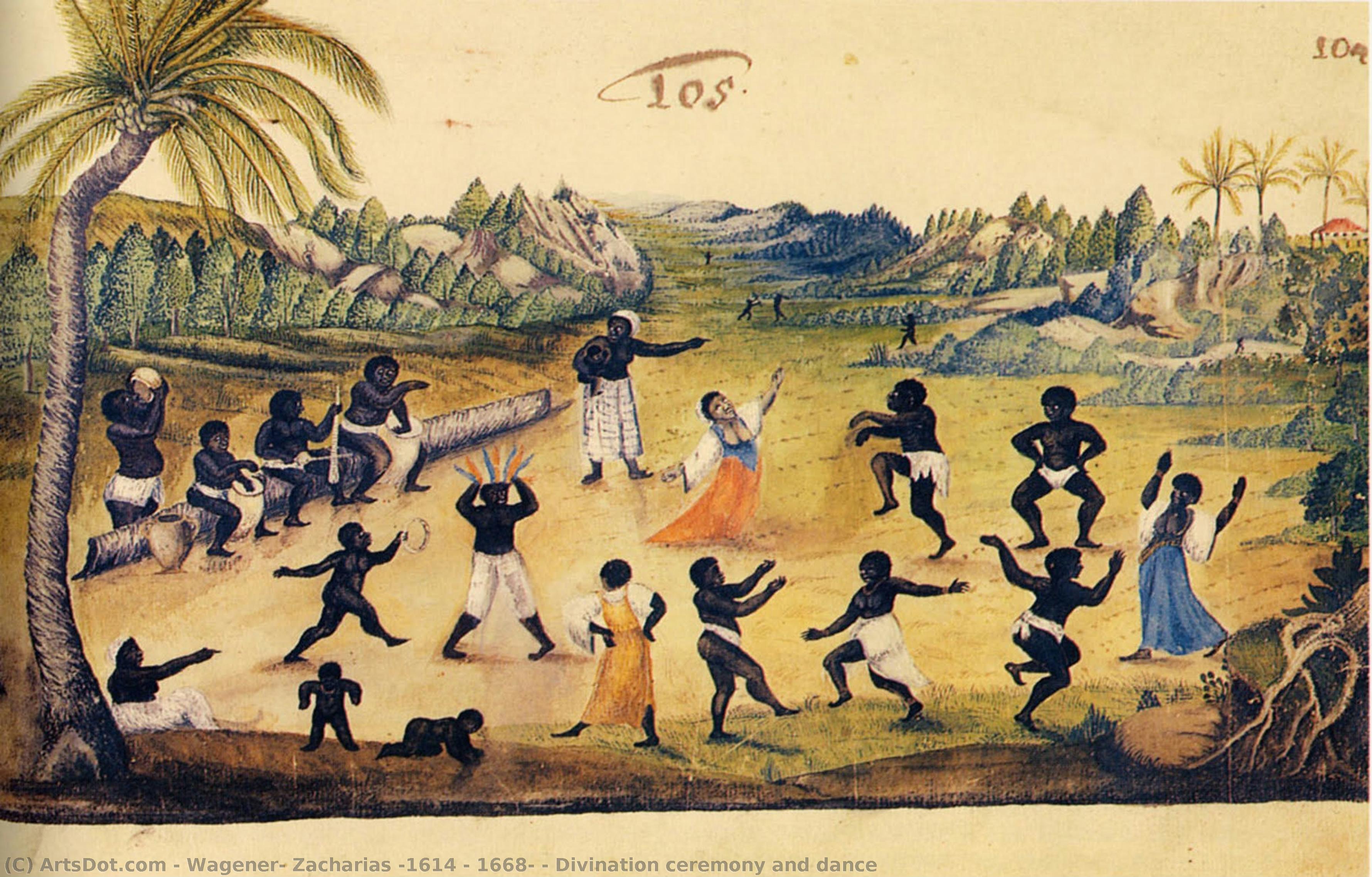
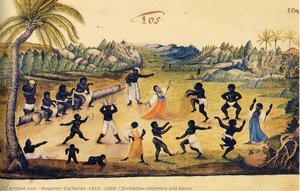
Divination ceremony and dance


 Read More
Giclée / Art Print
Museum-quality giclée or canvas print with fast production and flexible finish options. ( Buy Hand Made Painting Buy Image)




































Pick from our preset sizes that match the artwork's original proportions.

You may enter your own dimensions to fit a specific frame or space. If your selected size does not match the original image's proportions, we will either crop the artwork or extend the image with a mirrored or solid-fill edge. A digital mockup will be sent for your approval before production begins.
Please note that the on-screen preview does not reflect the actual cropping or extension. Only the mockup will accurately show the final composition.
While custom sizes are available, we recommend selecting a dimension from the predefined list to preserve the original proportions.
Worldwide Delivery () in 2 weeks instead of standard 4/5 weeks. (24 August)

Free Worldwide Express Shipping

High-Quality Linen Canvas

Full Shipping Insurance

Customs Tax Refund Guarantee

True Color Matching Guarantee

60-Day Return Policy (Defects Only)

100% Money-Back Guarantee

Bulk Discount Offer
 Glass option is only available in size under 110 CM

Divination ceremony and dance
Giclée / Art Print
Reproduction Size
-


Total Price
$ 63
Related Artworks
Artist Biography
A Life Etched in Light: The World of Zacharias Wagener
Zacharias Wagener, born in 1614 and passing in 1668, remains a compelling yet often overlooked figure within the Dutch Golden Age. While not enjoying the widespread renown of contemporaries like Rembrandt or Vermeer, Wagener carved out a distinctive niche for himself as an etcher specializing in light studies – *clair-obscur* scenes that captivated audiences with their dramatic intensity and technical prowess. His life, though relatively undocumented compared to other masters, reveals a dedicated artist deeply immersed in the prevailing aesthetic currents of his time, particularly influenced by the Caravaggisti movement sweeping across Europe. Wagener’s origins are somewhat obscure; records suggest he was born into a family of modest means, likely within or near Haarlem, a bustling center for artistic production. He did not receive formal training from a prominent master in the traditional guild system, instead developing his skills through independent study and observation – a testament to his innate talent and relentless pursuit of artistic excellence. This self-directed path would profoundly shape his unique style.The Allure of Shadow: Wagener’s Artistic Development
Wagener's oeuvre is almost entirely dedicated to etchings, a medium perfectly suited to his fascination with the interplay of light and shadow. He didn’t produce paintings or drawings in significant numbers; etching *was* his art form. His early works, dating from around the 1630s, demonstrate a clear engagement with the Italianate landscapes popularized by artists like Claude Lorrain. However, Wagener quickly gravitated towards more intimate and dramatic subjects – nocturnal scenes illuminated by candlelight, interiors populated by solitary figures engaged in quiet contemplation or mysterious activities. The influence of Caravaggio is undeniable here; Wagener adopted the *tenebrism* characteristic of the Italian master’s work, employing stark contrasts between light and darkness to create a sense of heightened realism and emotional tension. He wasn't merely copying Caravaggio though. Wagener infused his scenes with a distinctly Northern sensibility – a meticulous attention to detail, a psychological depth in his figures, and a subtle narrative quality that invites viewers to construct their own interpretations. His technique was remarkable for its precision; he skillfully manipulated the etching needle to create a wide range of tonal values, from the deepest blacks to delicate gradations of light.Subjects of Intimacy and Mystery
The themes explored in Wagener’s etchings are often ambiguous and open-ended. He frequently depicted scenes of scholars poring over books, alchemists conducting experiments, or musicians lost in their art. These subjects weren't necessarily intended as moralizing tales or historical narratives; rather, they served as vehicles for exploring the human condition – the pursuit of knowledge, the allure of the unknown, the power of creativity, and the solitude of intellectual endeavor. His interiors are particularly compelling, often claustrophobic spaces filled with an assortment of objects that hint at hidden meanings and untold stories. A single candle flame becomes a focal point, casting long shadows that dance across the walls and reveal fragments of information while concealing others. Wagener’s figures, though generally anonymous, possess a striking individuality; their faces are etched with expressions of curiosity, concentration, or melancholy. He masterfully captured the fleeting moments of human experience – the quiet intensity of reading, the focused energy of artistic creation, the weight of contemplation.Technical Mastery and Lasting Influence
Wagener’s technical skill was widely recognized during his lifetime. His etchings were highly sought after by collectors, and he produced numerous variations on popular themes, demonstrating his ability to adapt and refine his compositions. He often worked in series, exploring different aspects of a single subject or narrative. His use of burin and drypoint techniques, combined with his exceptional understanding of light and shadow, allowed him to create etchings that possessed an almost painterly quality. While Wagener’s influence wasn't as direct or pervasive as some of his contemporaries, he played a significant role in the development of Dutch genre etching. His emphasis on *clair-obscur* and psychological realism paved the way for later artists who sought to explore the inner lives of their subjects. Furthermore, his work provides valuable insights into the intellectual and cultural climate of the 17th century – the growing interest in science, philosophy, and the arts. Today, Zacharias Wagener’s etchings are prized by collectors and scholars alike as examples of exceptional artistic skill and enduring aesthetic appeal. His ability to transform ordinary scenes into moments of profound beauty and mystery continues to captivate audiences centuries after his death.Rediscovering a Master
- A Legacy in Light: Wagener’s etchings offer a unique window into the Dutch Golden Age, showcasing a mastery of light and shadow rarely equaled.
- The Power of Observation: His self-taught approach highlights the importance of independent study and artistic dedication.
- Themes of Introspection: Wagener’s subjects invite viewers to contemplate the human condition and the mysteries of existence.
- A Subtle Narrator: The ambiguity of his scenes encourages individual interpretation and a deeper engagement with the artwork.
Related Articles
Decoding Baroque Grandeur: A Guide to the Drama and Emotion of 17th-Century Art
Explore the breathtaking drama of 17th-century Baroque art. Our expert guide decodes the use of chiaroscuro, emotional intensity, and historical grandeur to help you appreciate and curate timeless masterpieces for your collection.
Engraving's Golden Age: 10 Masterpieces That Redefined Art | ArtsDot
Journey through art history with our Top 10 Legendary Engravings! Explore masterpieces by Dürer, Rembrandt & Goya. Discover the stories behind these iconic prints and find museum-quality reproductions for your home at ArtsDot.com.
Engraving: A Historical Survey of Technique, Artistic Expression & Enduring Legacy
Explore the rich history of engraving with ArtsDot. Discover techniques, iconic artists like Dürer & Callot, collecting tips, and expert guidance for preserving your art investment. Learn about intaglio printing & more!

The Dramatic Flourish: Exploring the Baroque Movement's Enduring Legacy in Art History
Explore the dramatic world of Baroque art! Discover iconic artists like Caravaggio & Rubens, defining techniques, and its lasting impact on art history. Expert insights for collectors & enthusiasts at ArtsDot.
Baroque Classicism: Reconciling Drama & Order in 17th-Century Art
Explore the captivating world of Baroque Classicism! Discover its history, key artists like Caravaggio & Rubens, and defining characteristics. Expert insights & high-quality reproductions at ArtsDot.