 Preview
 Send
Send Share
Share
 Details

 Download
 Similars
 X-Ray
X-Ray Diaporama
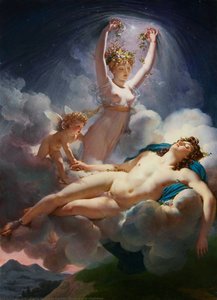
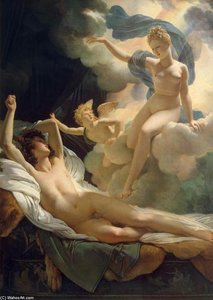
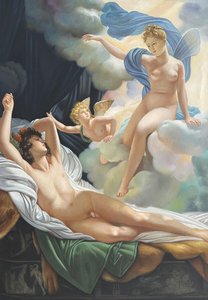
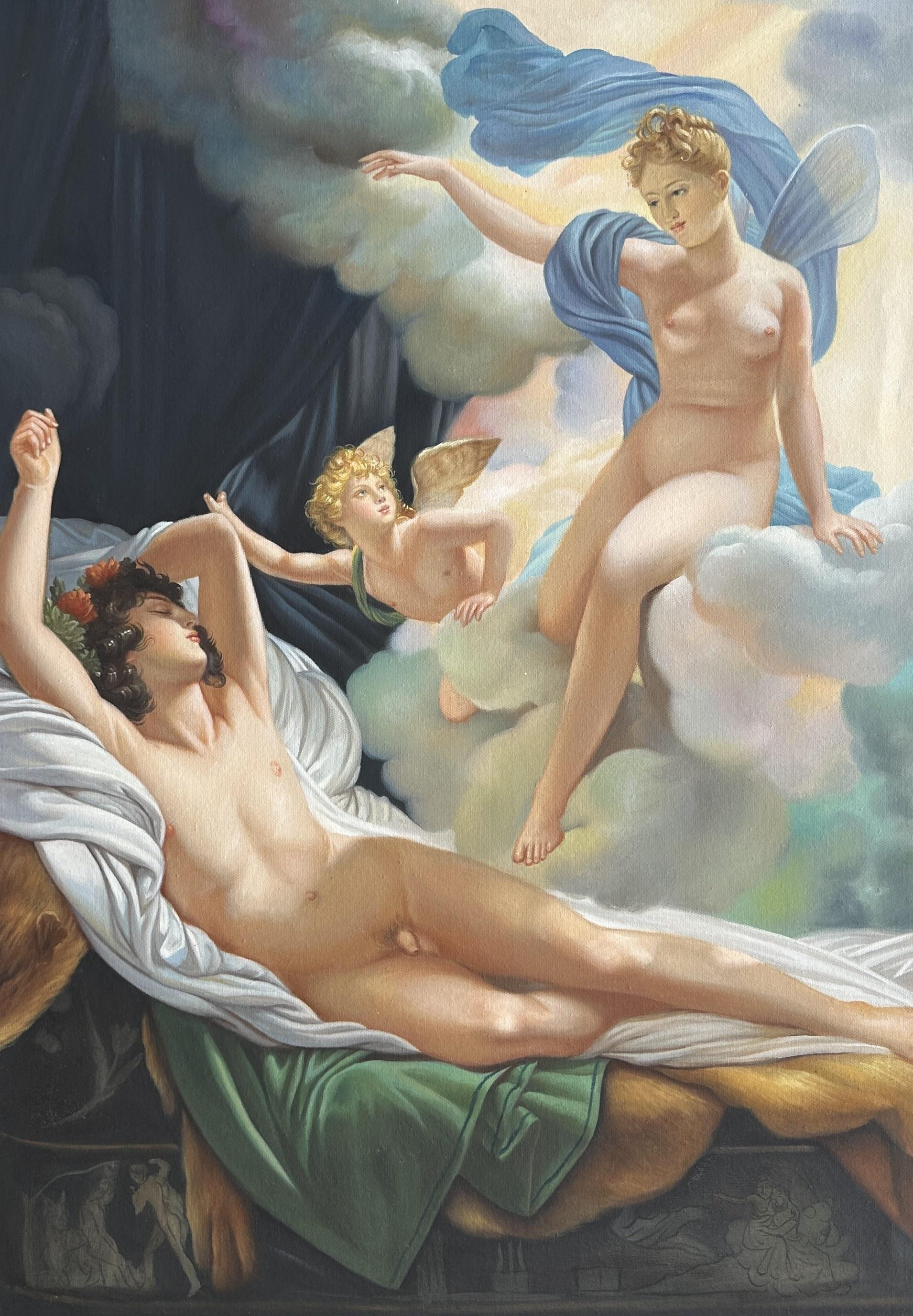
Morpheus and Iris - Pierre-Narcisse Guérin
 Acrylic
- WallArt
- Neoclassical Art
 2026
2026- Studio Hand Painted Art Available Now
 60 x 86 cm
- Artwork Reference (Famous): Morpheus and Iris
 Read More
Stock Discount Oil Painting Available
In-stock hand-painted oil work ready to ship; add framing when you check out. ()






































 Glass option is only available in size under 110 CM

Morpheus and Iris - Pierre-Narcisse Guérin
Stock Discount Oil Painting Available
Reproduction Size
-


Express Shipping
Express Worldwide Shipping. One week. (26 July).
Included
Total Price
$ 180
Artwork Description
A Symphony of Light and Myth
“Morpheus and Iris,” by Pierre-Narcisse Guérin, stands as a testament to the enduring allure of Neoclassical art—a movement that championed clarity, restraint, and idealized beauty. Born in Paris during the twilight years of the Enlightenment, Guérin’s artistic vision sought to recapture the grandeur of antiquity, mirroring the sculptural precision and harmonious composition favored by artists like Michelangelo and Bernini.
The artwork depicts Morpheus, god of dreams, and Iris, goddess of the rainbow—figures interwoven in a mythological narrative that speaks to fundamental human concerns about consciousness and perception. Guérin’s masterful brushstrokes capture the ethereal glow of celestial clouds against which the nude male figure ascends upon a draped bed, symbolizing aspiration and divine grace.
Technical Virtuosity & Emotional Resonance
Executed in acrylic on canvas, “Morpheus and Iris” showcases Guérin’s meticulous attention to detail—evident in the delicately rendered floral accents adorning the bed and the luminous faces of the angelic attendants. The artist skillfully employs chiaroscuro—the dramatic interplay of light and shadow—to sculpt form and imbue the scene with an atmosphere of profound spiritual contemplation.
Why Collectors Cherish This Masterpiece
More than simply a visually stunning depiction, “Morpheus and Iris” embodies the core tenets of Neoclassical idealism. Its serene beauty transcends temporal concerns, inviting viewers to contemplate timeless themes of faith, virtue, and transcendence. Guérin’s work resonates with collectors who appreciate artistic excellence coupled with intellectual depth—a legacy cemented by his influence on luminaries like Delacroix and Géricault.
Discover Your Dream Artwork Today!
Bring the majesty of Baroque art into your home with this exquisite Studio Hand Painted Artisanal Masterpiece. Framing options available – Explore ‘Morpheus and Iris’ and elevate your collection at ArtsDot.com!
Related Artworks


Artist Biography
The Bridge Between Eras: The Life and Legacy of Pierre Narcisse Guérin
In the grand tapestry of French art history, few figures embody the delicate transition from the disciplined rigor of Neoclassicism to the turbulent passion of Romanticism as gracefully as Pierre Narcisse Guérin. Born in Paris in 1774, Guérin emerged during a period of profound societal transformation, where the echoes of the French Revolution still reverberated through the halls of the Academy. A student of the esteemed Jean-Baptiste Regnault, Guérin’s early career was marked by immediate distinction; in 1796, he secured one of the prestigious grands prix, a victory that signaled his arrival as a formidable talent capable of reviving the competitive spirit of the French art world after years of revolutionary hiatus.
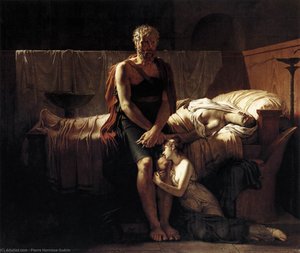
Guérin’s ascent to fame was not merely a matter of technical proficiency but of emotional resonance. When he unveiled The Return of Marcus Sextus at the Salon of 1799, the impact was nothing short of electric. The painting, which depicted a Roman veteran returning to a home devastated by death and political upheaval, served as a poignant allegory for the contemporary French experience. Through this work, Guérin demonstrated an uncanny ability to weave historical narrative with the raw, personal grief of his subjects, effectively using the classical past to mirror the chaotic present. This mastery of drama would become his hallmark, earning him public acclaim and leading to further studies in Rome under Joseph-Benoît Suvée.
A Journey Through Light and Myth
The trajectory of Guérin’s life was shaped by both artistic ambition and physical frailty. His time in Rome, while intellectually enriching, was cut short by ill health, prompting a relocation to Naples. It was here that his palette began to expand, embracing the atmospheric grandeur of landscapes as seen in his commemorative work for the tomb of Amyntas. This period of wandering allowed him to infuse his Neoclassical foundations with a new sense of light and shadow, a precursor to the more expressive styles that would soon dominate Europe.
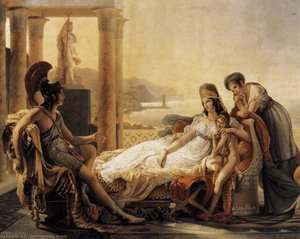
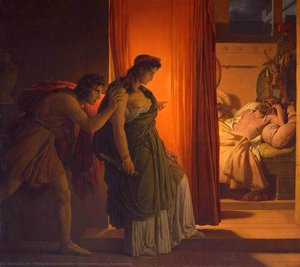
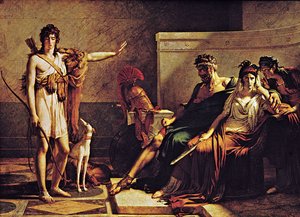
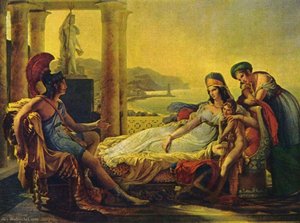
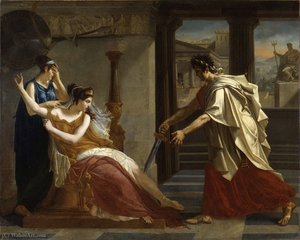
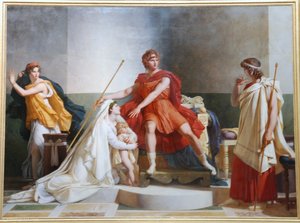
As he returned to Paris, Guérin’s repertoire grew to include some of the most captivating mythological and historical scenes of the early 19th century. His works often featured a luminous chiaroscuro that breathed life into divine figures, such as in the ethereal Morpheus and Iris. Whether depicting the tragic fate of Dido and Aeneas or the intense, heroic energy of Andromache and Pyrrhus, Guérin possessed a unique gift for imbuing mythological subjects with human vulnerability. His ability to balance the idealized beauty of the classical tradition with an emerging sense of psychological depth made him a favorite of the imperial court during the Napoleonic era.
The Master’s Influence and Artistic Significance
Beyond his individual canvases, Guérin’s historical significance lies in his role as a pivotal mentor and stylistic bridge. He stood at the crossroads of generations, providing a foundation upon which the giants of Romanticism could build. His influence can be traced through the works of legendary painters such as:
- Eugène Delacroix, who drew upon Guérin’s dramatic compositions and emotional intensity to pioneer the Romantic movement.
- Théodore Géricault, whose powerful depictions of human struggle echoed the narrative weight found in Guérin’s history paintings.
- Henry Scheffer, a talented pupil who carried forward the refined Neoclassical elegance taught by his master.
Ultimately, Pierre Narcisse Guérin was more than just a painter of beautiful scenes; he was an artist who understood the pulse of his era. Through his portraits, mythological allegories, and historical epics, he captured the tension between order and chaos, stability and change. His legacy remains etched in the halls of institutions like the Louvre and the Hermitage, serving as a testament to a man who could command the discipline of the old world while whispering the secrets of the new.
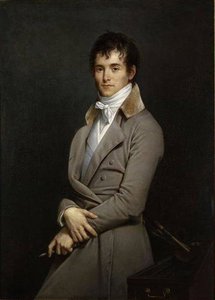
pierre narcisse guérin
1774 - 1833 , France
Quick Facts
- Artistic Movement Or Style: Neoclassical
- Artists Or Movements Influenced By This Artist:
- Delacroix
- Géricault
- Artists Who Influenced This Artist: ['Jean-Baptiste Regnault']
- Date Of Birth: Paris, France (1774)
- Date Of Death: 1833
- Full Name: Pierre Narcisse Guérin
- Nationality: French
- Notable Artworks:
- The Return of Marcus Sextus
- Morpheus and Iris
- Aurora and Cephalus
- Place Of Birth: Paris
Related Articles
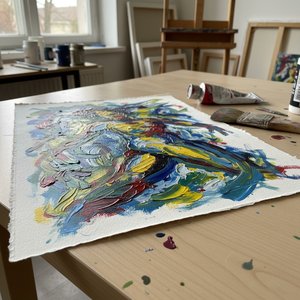
Acrylic on Paper: A Modern Canvas for Contemporary Expression
Explore the versatility of acrylic painting on paper! Discover expert techniques, artist insights & archival practices for creating stunning contemporary art. Learn more at ArtsDot.

Acrylic on Canvas: A Modern Masterpiece – Technique, History & Contemporary Expression
Explore the world of acrylic on canvas! Discover its history, techniques & contemporary applications with expert insights from ArtsDot. Find inspiration and elevate your art collection today.
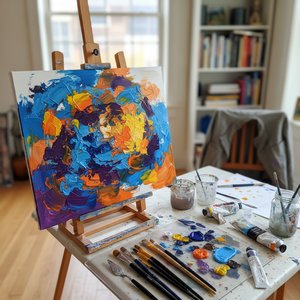
Acrylic on Canvas: A Modern Medium for Artistic Expression
Explore the versatility of acrylic paint on canvas! This guide provides art students with expert techniques, material insights & inspiration from contemporary artists. Start creating today!
Acrylic Painting: A Comprehensive Exploration of Technique, History & Contemporary Applications
Explore the world of acrylic painting! Discover its rich history, essential techniques, contemporary applications & renowned artists. Expert guide for beginners to professionals.
Acrylic Canvas Masters: 10 Paintings That Redefined Modern Art |
Explore 10 legendary 'Acrylic On Canvas' masterpieces by artists like Rothko, Warhol & Frankenthaler. Discover the stories behind these iconic paintings and their impact on modern art. Find museum-quality reproductions at – elevate your home with timeless beauty.