 Preview
 Send
Send Share
Share
 Details

 Download
 Similars
 X-Ray
X-Ray Diaporama
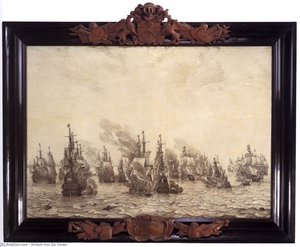
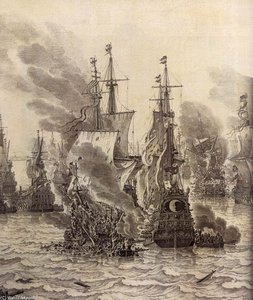
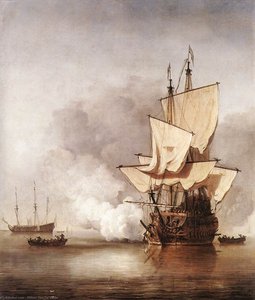
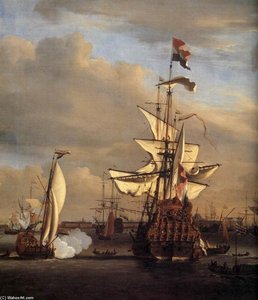
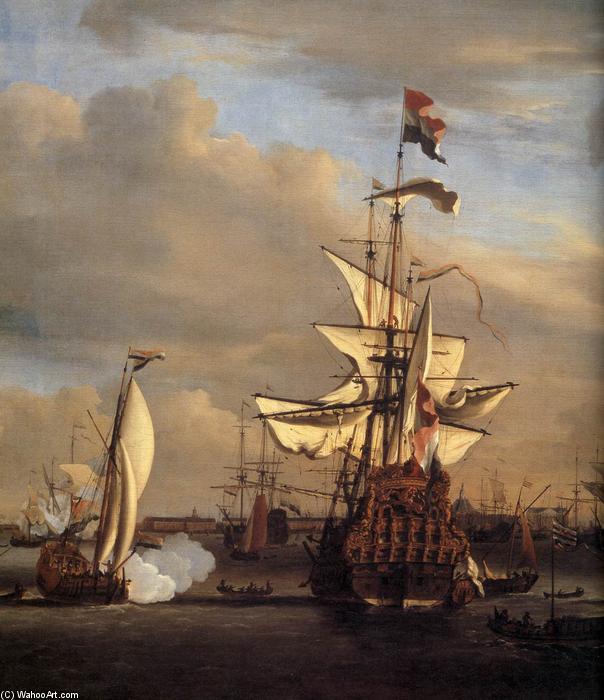
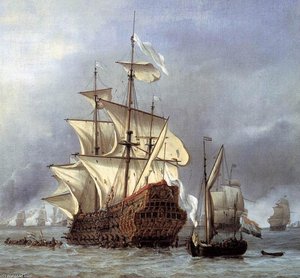
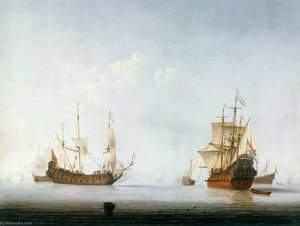
The ''Gouden Leeuw'' before Amsterdam (detail)


 Read More
Hand Made Oil Reproduction
Hand-painted oil on canvas in your size and frame, made to order by our artists. ( Buy Print Buy Image)




P118B $10

P118H $10

P118W $10

P438Z $10

P508JH $12

P508YH $12

P805H $10

P805Z $10

P919BZ $10

P919G $10

P919XJ $10

P959ZH $10

P968JZ $12

W106C $8

W218G $10

W218JH $8

W218Y $10

W307PJ $10

W316G $10

W316PJ $8

W316Y $10

W398PJ $8

W4111J $10

W500HY $15

W500JH $15

W692G $12

W849H $8

W940BG $15

W953PJ $8




Pick from our preset sizes that match the artwork's original proportions.

You may enter your own dimensions to fit a specific frame or space. If your selected size does not match the original image's proportions, we will either crop the artwork or extend the painting with additional hand-painted elements. A digital mockup will be sent for your approval before production begins.
Please note that the on-screen preview does not reflect the actual cropping or extension. Only the mockup will accurately show the final composition.
While custom sizes are available, we recommend selecting a dimension from the predefined list to preserve the original proportions.
After order, ArtsDot.com team will email client for instructions and provide a mockup preview
Worldwide Delivery () in 3/4 weeks instead of standard 5 weeks. (17 August). No compromise on quality.

Free Worldwide Express Shipping

High-Quality Linen Canvas

Full Shipping Insurance

Customs Tax Refund Guarantee

True Color Matching Guarantee

60-Day Return Policy (Defects Only)

100% Money-Back Guarantee

Bulk Discount Offer
 Glass option is only available in size under 110 CM

The ''Gouden Leeuw'' before Amsterdam (detail)
Reproduction Medium
Reproduction Size
-


Total Price
$ 263
Artwork Description
A Maritime Icon: Willem van de Velde the Elder’s “The Gouden Leeuw before Amsterdam”
Willem van de Velde the Elder's "The Gouden Leeuw before Amsterdam (detail)" is more than just a seascape; it’s a meticulously rendered tableau of 17th-century maritime life, steeped in symbolism and reflecting the burgeoning power of Dutch trade. Painted in 1686, this remarkable work offers a captivating glimpse into a pivotal era – the height of the Dutch Golden Age – when Amsterdam reigned supreme as a global center for commerce and naval dominance. The painting’s subject is deceptively simple: a large sailing ship, identifiable as the “Gouden Leeuw” (Golden Lion), preparing to dock in what appears to be a bustling harbor. However, beneath this surface lies a complex narrative of wealth, ambition, and the relentless pursuit of maritime supremacy.
A Masterclass in Penschilderij
Van de Velde’s genius lies primarily in his pioneering technique of “penschilderij,” or pen painting. This innovative approach, developed by him and his son Willem van de Velde the Younger, involved creating incredibly detailed artworks using ink on panel or canvas. Unlike traditional oil painting, penschilderij produced a surface that resembled a meticulously crafted drawing – an effect achieved through layering countless thin lines of ink, each carefully controlled to build up texture and form. The result is a breathtaking level of realism and precision, capturing the subtle nuances of light, shadow, and movement with astonishing accuracy. Observe how the artist renders the rippling water, the billowing sails, and the intricate rigging – all achieved through this painstaking process. The detail extends to the figures on board, each rendered with individual character and purpose, contributing to a vibrant sense of activity.
Symbolism of Commerce and Power
The “Gouden Leeuw,” as the ship’s name suggests, represents the wealth and prestige of the Dutch Republic. During this period, the Netherlands was experiencing an unprecedented economic boom fueled by its dominance in international trade – particularly in spices, textiles, and other luxury goods. The ship itself is a potent symbol of this prosperity, embodying the nation's maritime power and influence. Note the numerous figures surrounding the vessel: sailors diligently working, merchants overseeing operations, and officials engaged in negotiations. These individuals represent the diverse elements that contributed to Amsterdam’s economic success – a testament to the interconnectedness of trade and society. The harbor itself, teeming with smaller ships, symbolizes the flow of goods and people connecting the Netherlands to the wider world.
Historical Context: A Nation Forged at Sea
To fully appreciate “The Gouden Leeuw,” it’s crucial to understand the historical context in which it was created. The late 17th century marked a period of intense rivalry between European powers, particularly England and the Netherlands, for control of trade routes and colonial possessions. Van de Velde's work reflects this competitive spirit, showcasing the Dutch Republic’s naval strength and its commitment to maintaining its position as a leading maritime power. The painting was likely commissioned by a wealthy merchant or official, perhaps as a celebration of successful voyages or as a symbol of his own prosperity. It is believed that Willem van de Velde the Elder created this piece for Charles II of England, who greatly admired his work and employed him to paint British ships.
Emotional Resonance: A Window into a Bygone Era
Beyond its technical brilliance and historical significance, “The Gouden Leeuw” possesses a powerful emotional resonance. The scene evokes a sense of bustling activity, vibrant energy, and the thrill of exploration. The light reflecting off the water, the movement of the sails, and the expressions on the faces of the figures all contribute to this immersive experience. It’s a painting that invites us to step back in time and imagine ourselves as witnesses to a pivotal moment in maritime history – a testament to human ingenuity, ambition, and the enduring allure of the sea. Reproductions of this work offer a remarkable opportunity to bring this captivating scene into any interior space, adding a touch of historical grandeur and artistic sophistication.
Related Artworks
Artist Biography
early life and career
willem van de velde the elder, a renowned dutch golden age seascape painter, was born in leiden, netherlands, around 1611. his father, willem willemsz van de velde, was a flemish skipper, which likely influenced his son's interest in maritime art.artistic style and technique
van de velde's work is characterized by its precision and attention to detail. he pioneered the technique of pen painting (penschilderij), which involved creating detailed, durable artworks using ink on panel or canvas. this innovative approach allowed his pieces to resemble elaborate drawings while maintaining the durability of a painting.notable works and collaborations
* the battle of texel, 1687 (oil on canvas) * the burning of the royal james at the battle of solebay (drawing) * collaboration with charles ii of england, producing paintings of british ships and naval battlesmuseums and collections featuring van de velde's work
* the mauritshuis, netherlands (features dutch golden age paintings, including works by van de velde) * the kremer collection, the hague, netherlands (a private art museum with a focus on 17th-century dutch and flemish paintings)- view willem van de velde the elder's artwork on ArtsDot.com
- explore more dutch golden age artists, including rembrandt van rijn, on ArtsDot.com's artist page
- discover the mauritshuis's collection, featuring works by willem van de velde the elder, on ArtsDot.com's museum page
legacy and impact
willem van de velde the elder's contributions to dutch golden age seascape painting are undeniable. his innovative techniques, attention to detail, and collaborations with prominent figures have solidified his place in art history. the museum universiteitsbibliotheek (leiden, netherlands) - a comprehensive guide on ArtsDot.com provides further insight into the cultural context of van de velde's work.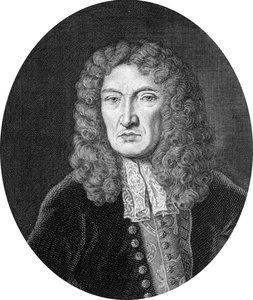
Willem van de Velde the Elder
1611 - 1693 , Netherlands
Quick Facts
- Artistic Movement Or Style: Pen painting, Seascape
- Artists Or Movements Influenced By This Artist: ['Willem van de Velde the Younger']
- Artists Who Influenced This Artist: ['His father (Willem Willemsz)']
- Date Of Birth: 1611, Leiden, Netherlands
- Date Of Death: 1693, London, England
- Full Name: Willem van de Velde the Elder
- Nationality: Dutch Golden Age
- Notable Artworks:
- The Battle of Texel
- Burning of James
- Place Of Birth: Leiden, Netherlands
Related Articles
Van Gogh's Masterpieces: Explore 25 Iconic Paintings & Art for Your Home
Journey through Vincent van Gogh's 25 most iconic paintings! Explore 'Starry Night', 'Sunflowers,' and more—discover the stories, techniques & emotions behind these Post-Impressionist masterpieces. Find museum-quality art reproductions for your home at ArtsDot.com.
Willem van de Velde the Elder: Master of Maritime Painting & Chronicler of the Dutch Golden Age
Discover the captivating maritime paintings of Willem van de Velde the Elder, a master chronicler of the Dutch Golden Age. Explore his unparalleled realism and lasting influence on naval art history.

Dutch Masters: 10 Golden Age Paintings That Still Inspire |
Journey into the Dutch Golden Age! Explore 10 iconic paintings by Rembrandt, Vermeer & Hals. Discover the stories behind these Baroque masterpieces and find museum-quality art reproductions to elevate your home decor on .

Demandes Commerciales
APS ofrece reproducciones de bellas artes y encargos personalizados desde 2004. Confían en nosotros corporaciones, hoteles y coleccionistas selectos para obras de arte de calidad museística, servicio discreto y soluciones artísticas completas. ¡Póngase en contacto con nosotros para obtener un presupuesto personalizado!

Rembrandt's Masterpieces: Explore 25 Iconic Paintings & Prints | ArtsDot
Journey through Rembrandt van Rijn's 25 most iconic paintings & etchings. Explore Dutch Golden Age masterpieces, dramatic chiaroscuro, and timeless portraits. Find museum-quality art reproductions to elevate your home decor on ArtsDot.com.