 Preview
 Send
Send Share
Share
 Details

 Download
 Similars
 X-Ray
X-Ray Diaporama
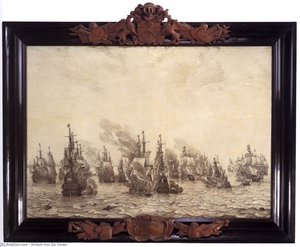
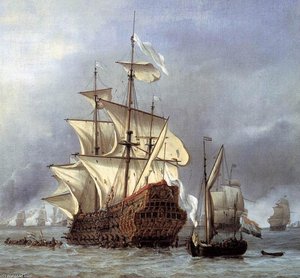
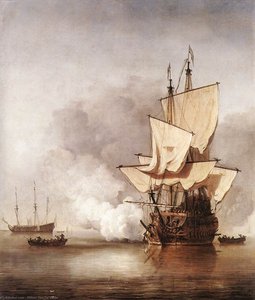
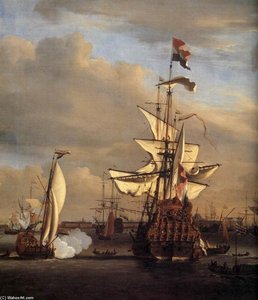
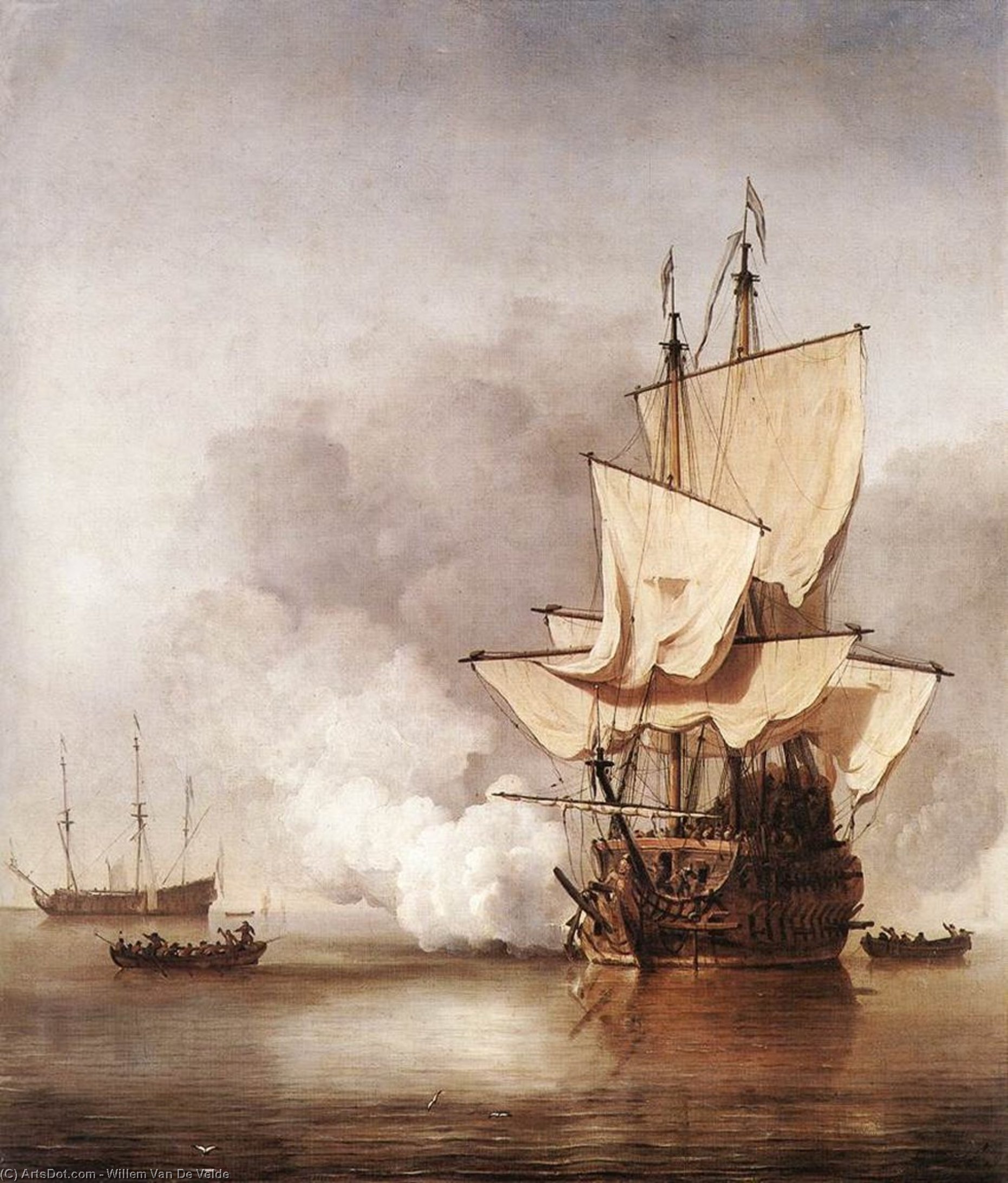
The Cannon Shot
 Acrylic On Canvas
- WallArt
- Dutch Golden Age
 1670
1670 78.0 x 67.0 cm
 Rijksmuseum
 Read More
Hand Made Oil Reproduction
Hand-painted oil on canvas in your size and frame, made to order by our artists. ( Buy Print Buy Image)




P118B $10

P118H $10

P118W $10

P438Z $10

P508JH $12

P508YH $12

P805H $10

P805Z $10

P919BZ $10

P919G $10

P919XJ $10

P959ZH $10

P968JZ $12

W106C $8

W218G $10

W218JH $8

W218Y $10

W307PJ $10

W316G $10

W316PJ $8

W316Y $10

W398PJ $8

W4111J $10

W500HY $15

W500JH $15

W692G $12

W849H $8

W940BG $15

W953PJ $8




Pick from our preset sizes that match the artwork's original proportions.

You may enter your own dimensions to fit a specific frame or space. If your selected size does not match the original image's proportions, we will either crop the artwork or extend the painting with additional hand-painted elements. A digital mockup will be sent for your approval before production begins.
Please note that the on-screen preview does not reflect the actual cropping or extension. Only the mockup will accurately show the final composition.
While custom sizes are available, we recommend selecting a dimension from the predefined list to preserve the original proportions.
After order, ArtsDot.com team will email client for instructions and provide a mockup preview
Worldwide Delivery () in 3/4 weeks instead of standard 5 weeks. (17 August). No compromise on quality.

Free Worldwide Express Shipping

High-Quality Linen Canvas

Full Shipping Insurance

Customs Tax Refund Guarantee

True Color Matching Guarantee

60-Day Return Policy (Defects Only)

100% Money-Back Guarantee

Bulk Discount Offer
 Glass option is only available in size under 110 CM

The Cannon Shot
Reproduction Medium
Reproduction Size
-


Total Price
$ 263
Artwork Description
A Dramatic Encounter with Neptune’s Fury: Willem van de Velde the Elder's “The Cannon Shot”
Willem van de Velde the Elder, a titan of Dutch Golden Age seascape painting, stands as an unparalleled testament to artistic precision and unwavering dedication to capturing the sublime beauty of maritime life. Born in Leiden around 1611, his formative years were inextricably linked to his father’s seafaring career—a connection that profoundly shaped his artistic vision and fueled his passion for portraying naval battles with breathtaking realism. This fascination culminated in “The Cannon Shot,” completed circa 1670, a monumental canvas that transcends mere depiction; it embodies the spirit of an era defined by exploration, ambition, and confrontation with the formidable forces of nature.Technical Mastery: The Pioneering Pen Technique
What distinguishes Van de Velde’s oeuvre from its contemporaries is his masterful application of the pen technique (penschilderij). Unlike traditional oil painting methods that relied on layering colors to achieve depth and luminosity, Van de Velde employed ink—primarily black pigment mixed with varnish—on panel or canvas. This innovative approach demanded meticulous planning and execution, resulting in artworks possessing an astonishing level of detail and textural complexity. The resulting images resemble elaborate drawings, capturing the nuances of light and shadow with unparalleled accuracy – a feat achieved through painstaking layering of thin washes of ink and subsequent polishing to create a surface that gleams subtly beneath the varnish. This technique wasn’t merely stylistic; it ensured the longevity of his paintings, preserving them for generations to come.A Tempestuous Scene: Contextualizing “The Cannon Shot”
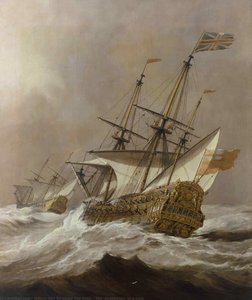
“The Cannon Shot” plunges viewers into the heart of a naval engagement—likely commemorating a significant victory against rival European powers. Set against a brooding sky dominated by turbulent clouds – mirroring the anxieties and uncertainties of the period – the painting depicts a sizable sailing vessel battling an opposing armada. The artist’s keen observation extends beyond the immediate action; he meticulously renders every element of the seascape, from the cresting waves to the rigging of the ship, conveying a palpable sense of drama and immediacy. This artwork reflects the broader cultural preoccupation with maritime warfare during Charles II's reign in England, showcasing the importance of naval prowess in securing national prestige and dominance.Symbolism Within Detail: Representing Power and Resilience
Beyond its masterful execution, “The Cannon Shot” is laden with symbolic significance. The cannon itself—a symbol of military might—represents not only physical force but also strategic planning and unwavering determination. Similarly, the positioning of the ship amidst the storm underscores themes of resilience and defiance against overwhelming odds. Van de Velde’s meticulous depiction of human figures – sailors bracing themselves for battle – emphasizes the courage and fortitude required to confront adversity. These subtle visual cues elevate the painting beyond a simple record of an event; they invite contemplation on concepts of heroism and perseverance.An Enduring Legacy: Influence and Recognition
Today, “The Cannon Shot” resides in the Mauritshuis museum in The Hague, where it continues to captivate audiences with its breathtaking beauty and technical brilliance. Its influence extends far beyond the confines of the artistic realm, serving as an inspiration for subsequent generations of seascape painters and establishing Van de Velde’s place among the foremost masters of Dutch Golden Age art. A reproduction of this iconic artwork offers a window into a pivotal moment in maritime history—a testament to human ingenuity and the enduring power of visual storytelling.Related Artworks
Artist Biography
early life and career
willem van de velde the elder, a renowned dutch golden age seascape painter, was born in leiden, netherlands, around 1611. his father, willem willemsz van de velde, was a flemish skipper, which likely influenced his son's interest in maritime art.artistic style and technique
van de velde's work is characterized by its precision and attention to detail. he pioneered the technique of pen painting (penschilderij), which involved creating detailed, durable artworks using ink on panel or canvas. this innovative approach allowed his pieces to resemble elaborate drawings while maintaining the durability of a painting.notable works and collaborations
* the battle of texel, 1687 (oil on canvas) * the burning of the royal james at the battle of solebay (drawing) * collaboration with charles ii of england, producing paintings of british ships and naval battlesmuseums and collections featuring van de velde's work
* the mauritshuis, netherlands (features dutch golden age paintings, including works by van de velde) * the kremer collection, the hague, netherlands (a private art museum with a focus on 17th-century dutch and flemish paintings)- view willem van de velde the elder's artwork on ArtsDot.com
- explore more dutch golden age artists, including rembrandt van rijn, on ArtsDot.com's artist page
- discover the mauritshuis's collection, featuring works by willem van de velde the elder, on ArtsDot.com's museum page
legacy and impact
willem van de velde the elder's contributions to dutch golden age seascape painting are undeniable. his innovative techniques, attention to detail, and collaborations with prominent figures have solidified his place in art history. the museum universiteitsbibliotheek (leiden, netherlands) - a comprehensive guide on ArtsDot.com provides further insight into the cultural context of van de velde's work.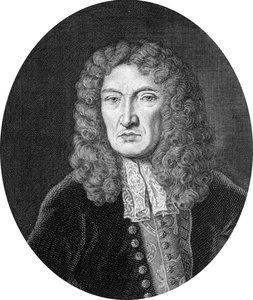
Willem van de Velde the Elder
1611 - 1693 , Netherlands
Quick Facts
- Artistic Movement Or Style: Pen painting, Seascape
- Artists Or Movements Influenced By This Artist: ['Willem van de Velde the Younger']
- Artists Who Influenced This Artist: ['His father (Willem Willemsz)']
- Date Of Birth: 1611, Leiden, Netherlands
- Date Of Death: 1693, London, England
- Full Name: Willem van de Velde the Elder
- Nationality: Dutch Golden Age
- Notable Artworks:
- The Battle of Texel
- Burning of James
- Place Of Birth: Leiden, Netherlands
Related Articles
Van Gogh's Masterpieces: Explore 25 Iconic Paintings & Art for Your Home
Journey through Vincent van Gogh's 25 most iconic paintings! Explore 'Starry Night', 'Sunflowers,' and more—discover the stories, techniques & emotions behind these Post-Impressionist masterpieces. Find museum-quality art reproductions for your home at ArtsDot.com.
Willem van de Velde the Elder: Master of Maritime Painting & Chronicler of the Dutch Golden Age
Discover the captivating maritime paintings of Willem van de Velde the Elder, a master chronicler of the Dutch Golden Age. Explore his unparalleled realism and lasting influence on naval art history.

Dutch Masters: 10 Golden Age Paintings That Still Inspire |
Journey into the Dutch Golden Age! Explore 10 iconic paintings by Rembrandt, Vermeer & Hals. Discover the stories behind these Baroque masterpieces and find museum-quality art reproductions to elevate your home decor on .

Rembrandt's Masterpieces: Explore 25 Iconic Paintings & Prints | ArtsDot
Journey through Rembrandt van Rijn's 25 most iconic paintings & etchings. Explore Dutch Golden Age masterpieces, dramatic chiaroscuro, and timeless portraits. Find museum-quality art reproductions to elevate your home decor on ArtsDot.com.
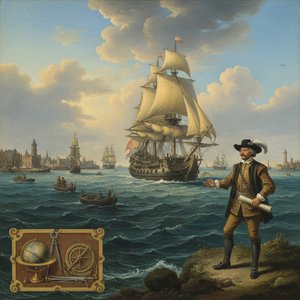
Abraham Hulk Senior: Pioneering Maritime Topography of the Dutch Golden Age
Explore the captivating seascapes of Abraham Hulk Senior, a leading Anglo-Dutch marine painter of the 19th century. Discover his signature style, family legacy & collectable artworks at ArtsDot.