 Preview
 Send
Send Share
Share
 Details

 Download
 Similars
 X-Ray
X-Ray Diaporama
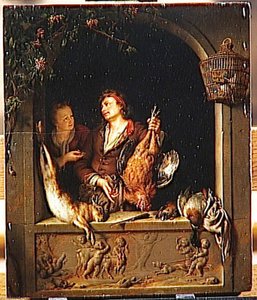
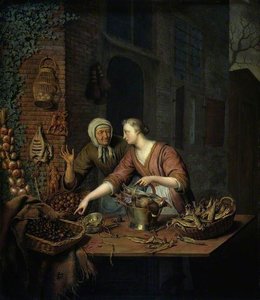
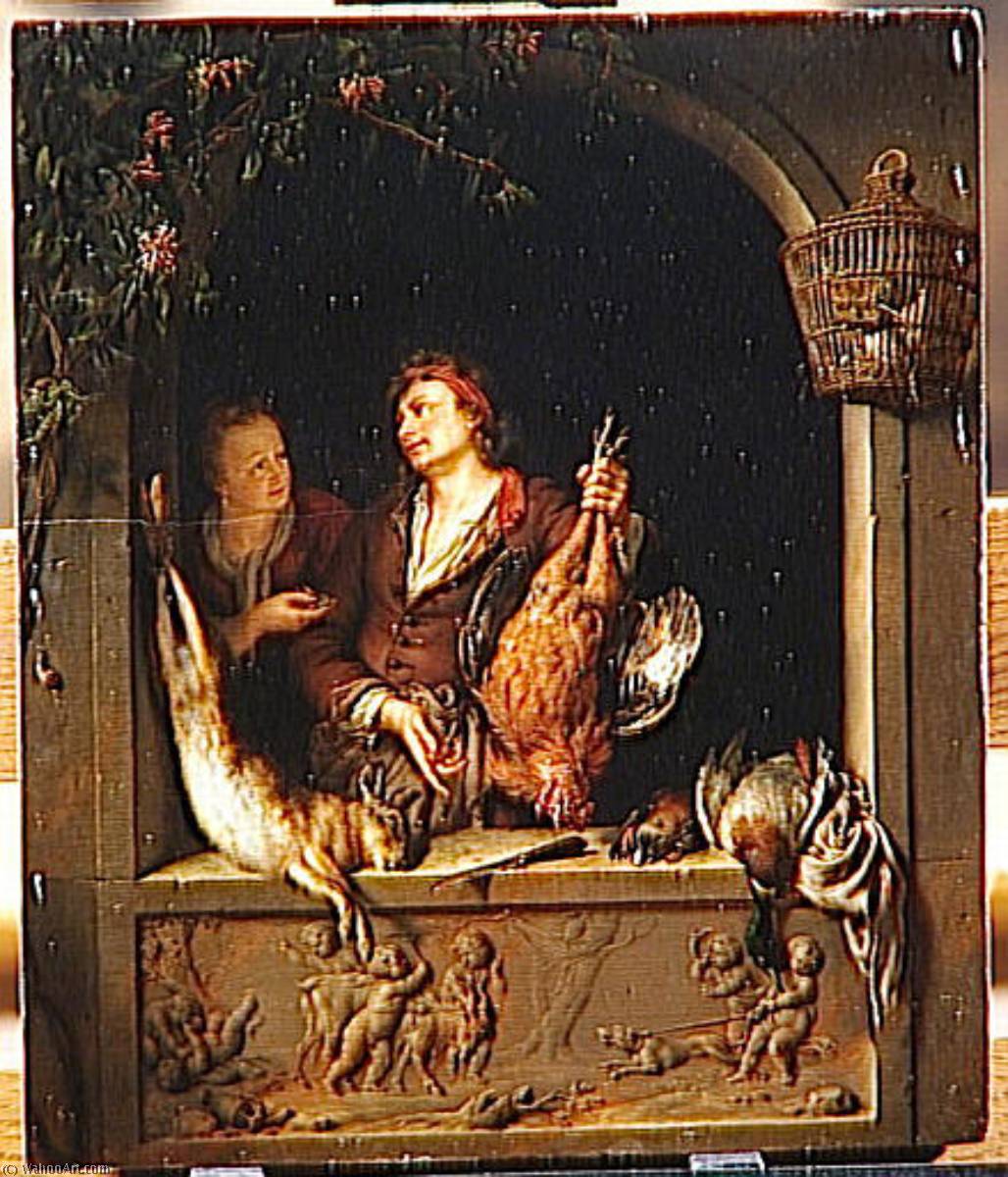
LE MARCHAND DE GIBIER


 Read More
Hand Made Oil Reproduction
Hand-painted oil on canvas in your size and frame, made to order by our artists. ( Buy Print Buy Image)




P118B $10

P118H $10

P118W $10

P438Z $10

P508JH $12

P508YH $12

P805H $10

P805Z $10

P919BZ $10

P919G $10

P919XJ $10

P959ZH $10

P968JZ $12

W106C $8

W218G $10

W218JH $8

W218Y $10

W307PJ $10

W316G $10

W316PJ $8

W316Y $10

W398PJ $8

W4111J $10

W500HY $15

W500JH $15

W692G $12

W849H $8

W940BG $15

W953PJ $8




Pick from our preset sizes that match the artwork's original proportions.

You may enter your own dimensions to fit a specific frame or space. If your selected size does not match the original image's proportions, we will either crop the artwork or extend the painting with additional hand-painted elements. A digital mockup will be sent for your approval before production begins.
Please note that the on-screen preview does not reflect the actual cropping or extension. Only the mockup will accurately show the final composition.
While custom sizes are available, we recommend selecting a dimension from the predefined list to preserve the original proportions.
After order, ArtsDot.com team will email client for instructions and provide a mockup preview
Worldwide Delivery () in 3/4 weeks instead of standard 5 weeks. (17 August). No compromise on quality.

Free Worldwide Express Shipping

High-Quality Linen Canvas

Full Shipping Insurance

Customs Tax Refund Guarantee

True Color Matching Guarantee

60-Day Return Policy (Defects Only)

100% Money-Back Guarantee

Bulk Discount Offer
 Glass option is only available in size under 110 CM

LE MARCHAND DE GIBIER
Reproduction Medium
Reproduction Size
-


Total Price
$ 288
Artwork Description
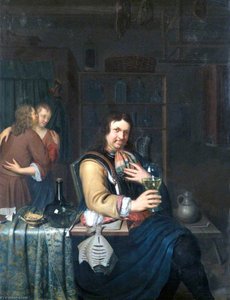
LE MARCHAND DE GIBIER: A Window into Dutch Baroque Elegance
Willem van Mieris’s “Le Marchand de Gibier,” painted circa 1710-1720, stands as a quintessential exemplar of the Leiden fijnschilders’ movement—a testament to the meticulous observation and refined aesthetic sensibilities that characterized the Dutch Golden Age. More than just a depiction of commerce, this genre scene delves into the complexities of social status and artistic ambition, reflecting the values of its time.
- Subject Matter & Context: The artwork portrays a game merchant or hunter amidst an opulent interior setting. Such depictions were commonplace during the Baroque era, serving as symbols of prosperity and demonstrating mastery over nature—a deliberate contrast intended to elevate the subject’s position within society.
- Style & Technique: Van Mieris adheres rigorously to the tenets of Dutch Baroque painting, prioritizing realism and painstaking detail. Employing oil on canvas with masterful glazing techniques, he achieves remarkable textural fidelity – from the velvety softness of pheasant feathers to the rough surface of stone carvings—a hallmark of his artistic prowess.
- Composition & Lighting: The tightly framed composition draws the viewer’s eye directly to the central figures, skillfully utilizing natural light to illuminate the scene and accentuate subtle gradations of shade. This technique mirrors the prevailing stylistic conventions of the period, emphasizing clarity and dramatic impact.
- Color Palette & Symbolism: Dominated by warm earthy tones—browns, reds, golds, and greens—the color palette contributes significantly to the artwork’s emotive resonance. The deliberate use of color underscores themes of wealth and refinement, mirroring the decorative aspirations prevalent in aristocratic residences during Van Mieris's era.
- Historical Significance: “Le Marchand de Gibier” aligns itself closely with works by Gerrit Dou and Frans van Mieris the Elder—artists who championed a humanist approach to painting, prioritizing psychological realism alongside technical virtuosity. Its inclusion in collections like the Louvre demonstrates its enduring appeal and contribution to art history.
The British Museum’s holdings of Van Mieris’s oeuvre offer invaluable insight into his artistic legacy, while reproductions from Musée des Beaux-Arts de Cambrai allow collectors and interior designers alike to experience the beauty and sophistication of this iconic masterpiece.
Related Artworks
Artist Biography
Willem van Mieris (1662 - 1747): The Master of Elegant Detail
Willem van Mieris (1662-1747) stands as a pivotal figure in the Leiden fijnschilders’ movement, embodying the culmination of Dutch Baroque artistic ideals. Born in Leiden on June 3rd, 1662, he descended from a lineage steeped in artistic tradition—his father, Frans van Mieris the Elder (1635-1681), was himself a celebrated genre painter who had established a formidable reputation for capturing the nuances of upper-class society. This familial legacy profoundly shaped Willem’s formative years and instilled within him an unwavering dedication to upholding his father's esteemed position as Leiden’s foremost fijnschilder—a commitment that would define his entire artistic career.- Early Training & Influences:
- Frans van Mieris the Elder’s profound impact on Willem’s technique and aesthetic sensibilities cannot be overstated. Guided by the tutelage of his father, Willem honed his skills under the watchful eye of Gerrit Dou (1613-1675), a master of chiaroscuro and meticulous observation—a stylistic approach that would become synonymous with Leiden fijnschilders.
The Leiden Tradition & Pieter Post’s Vision
Willem van Mieris's artistic trajectory was inextricably linked to the broader intellectual currents of his time. The influence of Pieter Post (1659-1734), a Dutch art theoretician and humanist, proved particularly transformative. Post championed the notion that genre painters should transcend mere representation—rather, they ought to elevate their subjects through classical ideals of beauty and proportion. This conviction spurred Willem to meticulously analyze sculptural masterpieces from antiquity, incorporating their compositional principles into his paintings.A Career Defined by Patronage & Artistic Innovation
Willem’s professional life unfolded amidst a landscape of considerable artistic patronage—he secured commissions from prominent figures such as Madam Oortmans and Pieter de la Court van der Voort, cementing his reputation as one of Leiden's most sought-after artists. Notably, he served as Dean of the Guild of Saint Luke in 1693, demonstrating not only his artistic prowess but also his engagement with the intellectual and social fabric of Leiden.Style & Technique: The Pursuit of Perfection
Willem van Mieris’s distinctive style—characterized by an unparalleled attention to detail and a masterful command of chiaroscuro—represented the apex of Leiden fijnschilders' artistic ambition. Like his father, Willem meticulously studied the works of Gerrit Dou, adopting his technique and stylistic approach. He skillfully rendered textures and surfaces with remarkable accuracy, capturing subtle nuances that breathed life into his subjects. Furthermore, he frequently employed classical poses borrowed from sculptures by Francis van Bossuit—a deliberate gesture aimed at elevating genre painting to the level of monumental art.Legacy & Historical Significance
Willem van Mieris’s oeuvre comprises a vast collection of genre scenes and portraits, reflecting the tastes and sensibilities of his era. His paintings offer invaluable insights into Dutch society during the Baroque period—depicting opulent interiors, refined costumes, and psychologically astute portrayals of human character. Willem's enduring influence extends beyond his artistic achievements; he established Leiden’s Drawing Academy alongside Jacob Toorenvliet and Carel de Moor, fostering a new generation of artists committed to upholding the Leiden tradition—a legacy that continues to resonate within Dutch art history today.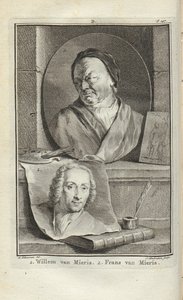
Willem van Mieris
1662 - 1747 , Netherlands
Quick Facts
- Artistic Movement Or Style: Fijnschilders
- Artists Or Movements Influenced By This Artist: ['Classical Antiquity Sculpture']
- Artists Who Influenced This Artist:
- Gerard Dou
- Frans van Mieris the Elder
- Date Of Birth: Leiden, Netherlands (1662)
- Date Of Death: 1747
- Full Name: Willem van Mieris
- Nationality: Dutch
- Notable Artworks:
- The Poultry Seller
- Allegory of Transience
- Place Of Birth: Leiden
Related Articles
Van Gogh's Masterpieces: Explore 25 Iconic Paintings & Art for Your Home
Journey through Vincent van Gogh's 25 most iconic paintings! Explore 'Starry Night', 'Sunflowers,' and more—discover the stories, techniques & emotions behind these Post-Impressionist masterpieces. Find museum-quality art reproductions for your home at ArtsDot.com.

Rembrandt's Masterpieces: Explore 25 Iconic Paintings & Prints | ArtsDot
Journey through Rembrandt van Rijn's 25 most iconic paintings & etchings. Explore Dutch Golden Age masterpieces, dramatic chiaroscuro, and timeless portraits. Find museum-quality art reproductions to elevate your home decor on ArtsDot.com.

Dutch Baroque Masters: 10 Paintings That Shaped an Era | ArtsDot
Journey through the Golden Age with our guide to the Top 10 Dutch Baroque masterpieces! Explore iconic paintings by Rembrandt, Vermeer & Frans Hals. Find museum-quality art reproductions and elevate your home decor at ArtsDot.com.
Pixelated Prestige: Exploring Scarcity, Value, and Cultural Impact in Limited Edition Gaming Paintings
Explore the world of limited edition gaming paintings! Discover investment strategies, artist insights & preservation tips for collectors. Trusted expertise in rare video game art.

Golden Age Reflections: Dutch Baroque Painting & Cultural Innovation
Explore the Dutch Golden Age of painting! Discover key artists like Vermeer & ter Borch, their innovative techniques, and the rich cultural context behind these Baroque masterpieces. Learn about collecting & appreciating this iconic art period.