 Preview
 Send
Send Share
Share
 Details

 Download
 Similars
 X-Ray
X-Ray Diaporama
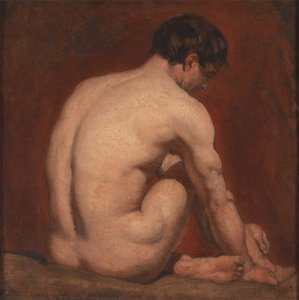
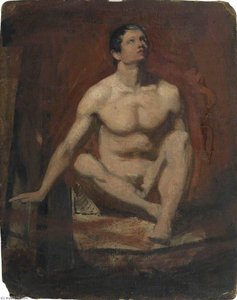
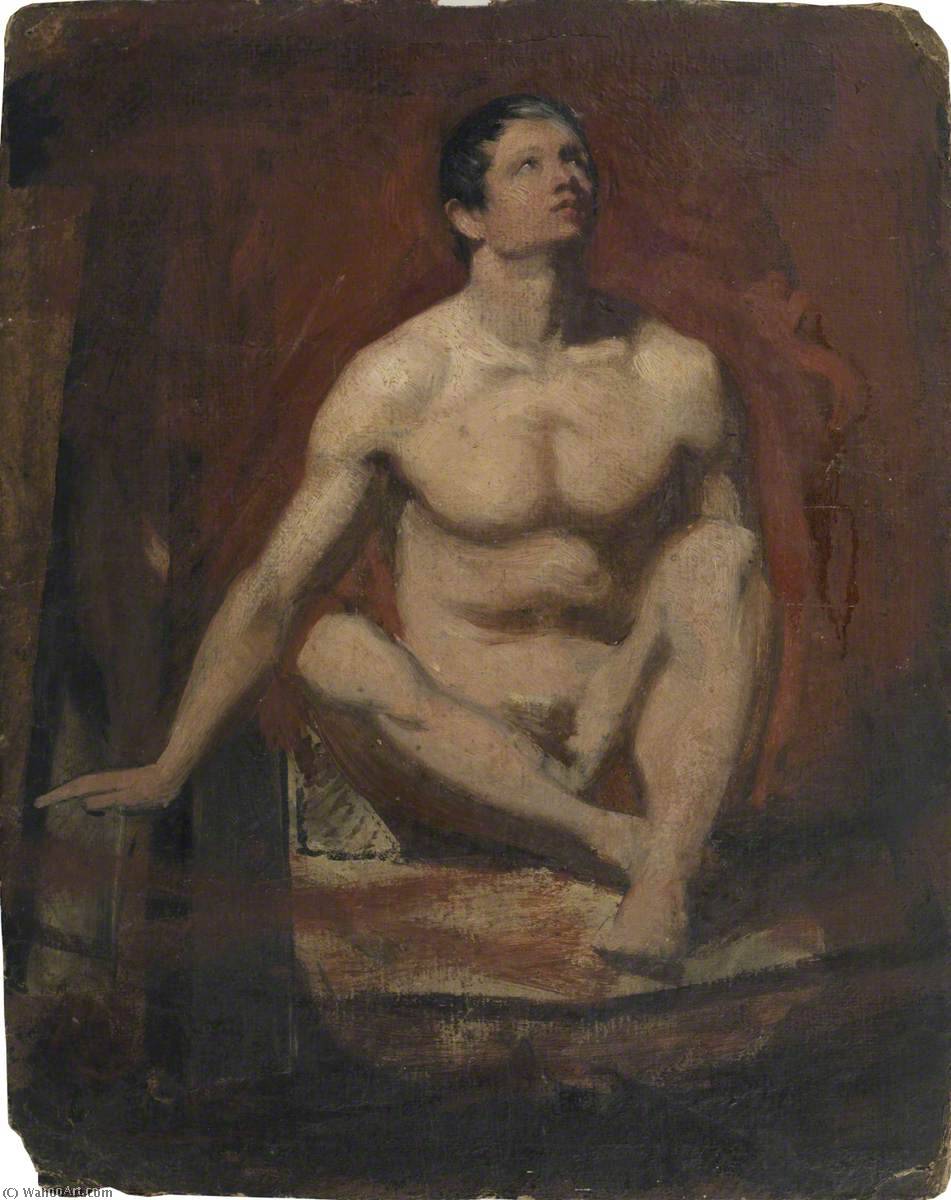
Seated Male Nude, Frontal View (recto)
 Oil On Canvas
- WallArt
- Surrealism
 1845
1845 51.0 x 47.0 cm
 Courtauld Gallery
 Read More
Hand Made Oil Reproduction
Hand-painted oil on canvas in your size and frame, made to order by our artists. ( Buy Print Buy Image)




P118B $10

P118H $10

P118W $10

P438Z $10

P508JH $12

P508YH $12

P805H $10

P805Z $10

P919BZ $10

P919G $10

P919XJ $10

P959ZH $10

P968JZ $12

W106C $8

W218G $10

W218JH $8

W218Y $10

W307PJ $10

W316G $10

W316PJ $8

W316Y $10

W398PJ $8

W4111J $10

W500HY $15

W500JH $15

W692G $12

W849H $8

W940BG $15

W953PJ $8




Pick from our preset sizes that match the artwork's original proportions.

You may enter your own dimensions to fit a specific frame or space. If your selected size does not match the original image's proportions, we will either crop the artwork or extend the painting with additional hand-painted elements. A digital mockup will be sent for your approval before production begins.
Please note that the on-screen preview does not reflect the actual cropping or extension. Only the mockup will accurately show the final composition.
While custom sizes are available, we recommend selecting a dimension from the predefined list to preserve the original proportions.
After order, ArtsDot.com team will email client for instructions and provide a mockup preview
Worldwide Delivery () in 3/4 weeks instead of standard 5 weeks. (16 August). No compromise on quality.

Free Worldwide Express Shipping

High-Quality Linen Canvas

Full Shipping Insurance

Customs Tax Refund Guarantee

True Color Matching Guarantee

60-Day Return Policy (Defects Only)

100% Money-Back Guarantee

Bulk Discount Offer
 Glass option is only available in size under 110 CM

Seated Male Nude, Frontal View (recto)
Reproduction Medium
Reproduction Size
-


Total Price
$ 263
Artwork Description
William Etty’s “Seated Male Nude, Frontal View (recto)” – A Pioneer of British Sensuality
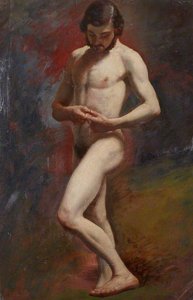
William Etty's "Seated Male Nude, Frontal View (recto)" is not merely a painting; it’s a pivotal moment in the history of British art. Completed in 1845, this intimate portrait captures a young man in a state of quiet contemplation – a scene both profoundly familiar and strikingly original for its time. Etty, a figure often overshadowed by his more flamboyant contemporaries like Turner and Constable, was a true innovator, bravely pushing against the established conventions of academic painting and forging a path toward a more direct and emotionally resonant representation of the human form.
The work immediately draws the viewer in with its remarkable realism. Etty’s mastery of anatomy is evident in every curve and contour of the nude figure. He eschewed the idealized, polished forms favored by many of his peers, instead presenting a young man with a palpable sense of physicality – muscles subtly defined, skin rendered with an almost tactile quality. The background, a simple red wall, serves to heighten the focus on the subject, creating a dramatic contrast that emphasizes his vulnerability and stillness. Notice how Etty uses light and shadow to sculpt the form, lending depth and volume to the figure, making him appear remarkably present in the room.
A Revolutionary Approach to the Nude
Etty’s decision to depict the nude male figure with such frankness was a bold one, particularly within the context of 19th-century British art. The prevailing artistic dogma dictated that nudes should be presented in grand historical narratives or mythological settings – figures elevated and distanced from everyday life. Etty, however, stripped away these layers of convention, offering instead an intimate portrayal of a young man simply *being*. This shift marked a significant departure from the established norms and paved the way for future generations of British artists to explore the beauty and complexity of the human body with greater freedom.
The painting’s creation coincided with a period of intense debate surrounding public morality and artistic representation. Etty's work, while commercially successful, also generated considerable controversy due to its explicit depiction of nudity. This tension between artistic expression and societal expectations is central to understanding the significance of “Seated Male Nude.” It reflects a broader struggle over the role of art in society – a struggle that continues to resonate today.
Symbolism and Emotional Resonance
Beyond its technical brilliance, "Seated Male Nude" possesses a quiet emotional depth. The young man’s posture—relaxed yet alert—suggests a state of introspection and perhaps even melancholy. His gaze is directed slightly off-camera, inviting the viewer to share in his thoughts and feelings. Some art historians interpret this gesture as a reflection on mortality or the passage of time – themes frequently explored in Etty's work.
The red background, often associated with passion and desire, could also be interpreted as representing vulnerability and exposure. The simplicity of the setting further emphasizes the subject’s isolation and his internal world. Etty masterfully uses color and composition to create a scene that is both visually arresting and emotionally evocative, inviting viewers to contemplate the complexities of human experience.
A Legacy of Innovation
William Etty's “Seated Male Nude, Frontal View (recto)” stands as a testament to his artistic vision and courage. It’s a painting that challenges conventional notions of beauty and representation, offering instead a profoundly intimate and emotionally resonant portrait of the human form. Reproductions of this work offer an opportunity to experience Etty's groundbreaking approach firsthand – a reminder of the power of art to provoke thought, inspire emotion, and ultimately, illuminate the complexities of the human condition.
Related Artworks
Artist Biography
A Pioneer of the British Nude: The Life and Art of William Etty
William Etty, a name perhaps less instantly recognizable than his contemporaries like Turner or Constable, nevertheless occupies a pivotal position in 19th-century British art. Born in York on March 10, 1787, above his father’s bakery, Etty's journey from humble beginnings to Royal Academician was one marked by relentless dedication, artistic innovation, and no small measure of controversy. His early life offered little indication of the path he would forge. Apprenticed at age twelve to a printer in Hull, seven years were spent immersed in the practicalities of typography – a world far removed from the canvases that would eventually bear his signature. Yet, even amidst the mechanical demands of printmaking, Etty nurtured a burgeoning passion for drawing, an impulse that ultimately propelled him towards London and the hallowed halls of the Royal Academy Schools in 1807. There, under the tutelage of Thomas Lawrence, he honed his skills through diligent copying, laying the foundation for a career defined by masterful depictions of the human form.The Rise to Prominence: Nudes and Controversy
Etty’s breakthrough arrived in 1821 with Cleopatra's Arrival in Cilicia, a painting that immediately ignited both admiration and scandal. The work, teeming with nude figures, was exhibited to widespread acclaim, yet simultaneously earned him a reputation for indecency. This duality would become a defining characteristic of his career. He wasn’t merely depicting nudity; he was exploring the human form with an unprecedented realism and anatomical precision for a British artist of that era. His commitment to accurately rendering flesh tones, light, and shadow – influenced by his study of Venetian masters like Titian and Rubens during travels in Italy and France – set him apart. He continued to produce historical scenes populated with nudes, often drawn from classical mythology or literature, such as The Sirens and Ulysses. These works were commercially successful, allowing Etty to thrive despite the constant criticism leveled against his subject matter. In 1828, he was elected a Royal Academician, solidifying his position within the established art world, even as whispers of impropriety followed him.Beyond the Nude: Portraits and Still Life
While Etty is most celebrated for his nudes, his artistic range extended beyond this controversial domain. Recognizing the need to broaden his appeal – and perhaps secure a more stable income – he ventured into portraiture during the 1830s. Though not as groundbreaking as his figure paintings, these portraits demonstrate his technical skill and ability to capture character. Furthermore, Etty became one of the first English painters to seriously engage with still life, demonstrating an eye for detail and a sensitivity to texture that rivaled the Dutch masters he admired. This diversification reveals a pragmatic side to Etty’s artistic practice, a willingness to adapt to market demands while remaining true to his core aesthetic principles. He continued, however, to return to the nude form throughout his life, driven by an unwavering fascination with its beauty and expressive potential.Legacy and Rediscovery
William Etty died in York on November 13, 1849, leaving behind a substantial body of work that initially enjoyed considerable popularity. However, tastes shifted in the decades following his death, and his paintings fell into relative obscurity. By the late 19th century, his once-celebrated works were largely forgotten, dismissed as outdated or simply too shocking for Victorian sensibilities. A remarkable rediscovery began in the early 21st century. His inclusion in Tate Britain’s landmark Exposed: The Victorian Nude exhibition (2001–2002) sparked renewed interest in his art, prompting critical reevaluation and a reassessment of his place in British art history. The restoration of The Sirens and Ulysses in 2010 further cemented this revival, revealing the brilliance of his technique and the enduring power of his vision. Today, William Etty is recognized as a pioneering figure who challenged artistic conventions, celebrated the human form with unparalleled realism, and left an indelible mark on the landscape of British art. His works stand as testaments to his skill, dedication, and unwavering commitment to capturing the beauty and complexity of the human experience.Key Works
- Cleopatra's Arrival in Cilicia (1821): The painting that launched Etty’s career and established his reputation for depicting nudes.
- The Sirens and Ulysses (1837): A dramatic depiction of Homer’s epic, showcasing Etty's mastery of composition and anatomy.
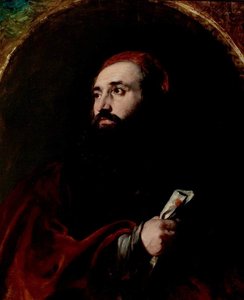
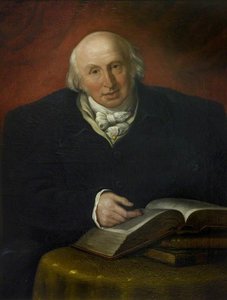
- Reverend William Jay (c. 1836-40): An example of his portraiture work, demonstrating a keen eye for character.
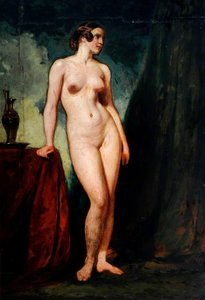
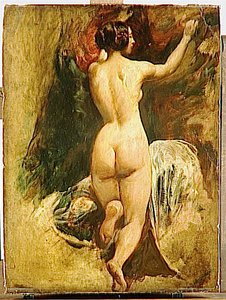
- Standing Female Nude (date unknown): A study showcasing Etty’s exceptional skill in rendering realistic flesh tones and form.
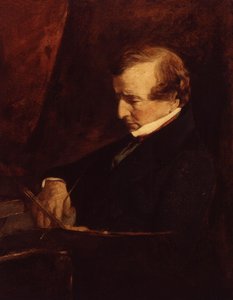
William Etty
1787 - 1849 , United Kingdom
Quick Facts
- Artistic Movement Or Style: Romanticism
- Artists Who Influenced This Artist: ['Thomas Lawrence']
- Date Of Birth: March 10, 1787
- Date Of Death: November 13, 1849
- Full Name: William Etty
- Nationality: British
- Notable Artworks:
- Cleopatra's Arrival
- The Sirens and Ulysses
- Standing Female Nude
- Place Of Birth: York, United Kingdom
Related Articles
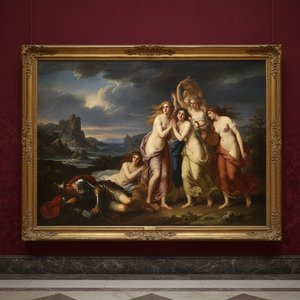
William Etty: Rediscovering Victorian Sensibility & the Sublime in Historical Painting
Explore the captivating world of William Etty, a pioneering Victorian artist famed for his dramatic historical paintings and groundbreaking nude figures. Discover his life, controversial reception, and enduring legacy with our expert analysis.
The Enduring Allure of the Nude: A Historical & Artistic Exploration of the Human Form
Explore the captivating history of nude art! Discover iconic paintings & artists from classical to modern eras. Uncover symbolism, techniques & find museum-quality reproductions at ArtsDot.
Sir William Rothenstein: A Life Dedicated to British Art & Modernism's Cultivation
Explore the life & art of Sir William Rothenstein – a pivotal figure in British Modernism. Discover his portraits, war paintings, and influential role at the Royal College of Art. A comprehensive biography for art enthusiasts.
Sir William Nicholson: A Study in Post-Impressionist Portraiture & Decorative Modernism
Explore the life & work of Sir William Nicholson, a pivotal British Post-Impressionist painter. Discover his striking portraits, innovative woodcuts, and lasting influence on early 20th-century art. Expert insights for collectors.
British Museum Masterpieces: Explore 25 Iconic Artworks & Decor Inspiration
Journey through 25 iconic artworks at the British Museum, London! Explore masterpieces from Egyptian sculptures to Renaissance paintings & uncover their stories. Find museum-quality art reproductions and curated decor ideas on ArtsDot.com.