 Preview
 Send
Send Share
Share
 Details

 Download
 Similars
 X-Ray
X-Ray Diaporama
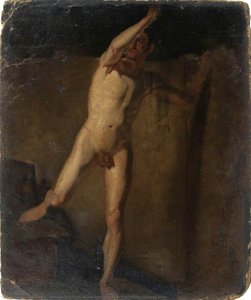
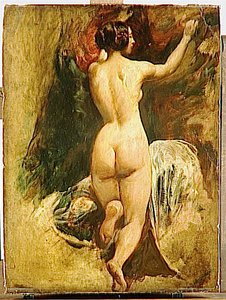
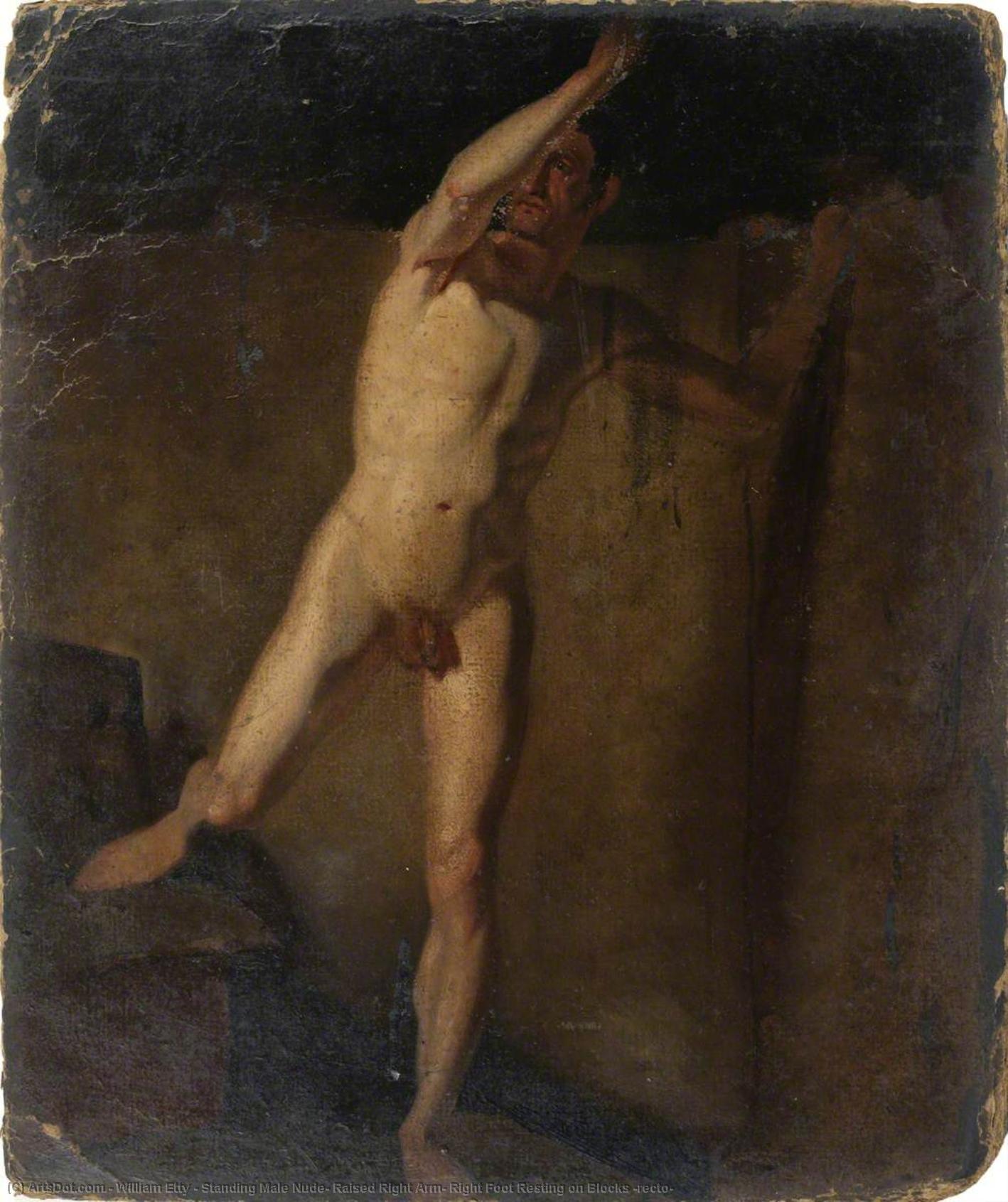
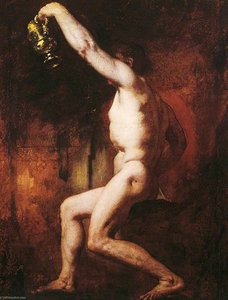
Standing Male Nude, Raised Right Arm, Right Foot Resting on Blocks (recto)
 Neoclassicism
 1845
1845 56.0 x 47.0 cm
 Courtauld Gallery
 Read More
Hand Made Oil Reproduction
Hand-painted oil on canvas in your size and frame, made to order by our artists. ( Buy Print Buy Image)




P118B $10

P118H $10

P118W $10

P438Z $10

P508JH $12

P508YH $12

P805H $10

P805Z $10

P919BZ $10

P919G $10

P919XJ $10

P959ZH $10

P968JZ $12

W106C $8

W218G $10

W218JH $8

W218Y $10

W307PJ $10

W316G $10

W316PJ $8

W316Y $10

W398PJ $8

W4111J $10

W500HY $15

W500JH $15

W692G $12

W849H $8

W940BG $15

W953PJ $8




Pick from our preset sizes that match the artwork's original proportions.

You may enter your own dimensions to fit a specific frame or space. If your selected size does not match the original image's proportions, we will either crop the artwork or extend the painting with additional hand-painted elements. A digital mockup will be sent for your approval before production begins.
Please note that the on-screen preview does not reflect the actual cropping or extension. Only the mockup will accurately show the final composition.
While custom sizes are available, we recommend selecting a dimension from the predefined list to preserve the original proportions.
After order, ArtsDot.com team will email client for instructions and provide a mockup preview
Worldwide Delivery () in 3/4 weeks instead of standard 5 weeks. (16 August). No compromise on quality.

Free Worldwide Express Shipping

High-Quality Linen Canvas

Full Shipping Insurance

Customs Tax Refund Guarantee

True Color Matching Guarantee

60-Day Return Policy (Defects Only)

100% Money-Back Guarantee

Bulk Discount Offer
 Glass option is only available in size under 110 CM

Standing Male Nude, Raised Right Arm, Right Foot Resting on Blocks (recto)
Reproduction Medium
Reproduction Size
-


Total Price
$ 263
Artwork Description
The Figure Embodied: William Etty’s Masterpiece
William Etty's "Standing Male Nude, Raised Right Arm, Right Foot Resting on Blocks (recto)" is not merely a depiction of the human form; it’s a profound exploration of posture, gesture, and the very essence of being. Painted in 1845, this work stands as a pivotal moment in British art history – a bold assertion of the nude figure within a context where such subjects were often viewed with suspicion and constraint. Etty, a pioneer who defied convention, presented a powerfully sensual yet undeniably controlled male form, inviting viewers to contemplate his strength, vulnerability, and quiet intensity.

The painting’s composition is deceptively simple, yet meticulously constructed. The figure, bathed in a subtle, diffused light, occupies the central space of the canvas with an almost sculptural presence. His stance—a deliberate elevation of the right arm and foot—immediately draws the eye upward, creating a dynamic tension between earth and sky, groundedness and aspiration. Note the careful rendering of musculature; Etty’s mastery lies in his ability to capture not just the outline of the body but also the subtle nuances of texture and tone – the slight sheen on skin, the shadowed folds of muscle, the delicate suggestion of veins beneath the surface.
A Revolutionary Approach: Etty and the Nude
William Etty’s journey to prominence was anything but straightforward. Born in York in 1787, his early life involved a practical apprenticeship as a printer, a world far removed from the artistic pursuits he would eventually embrace. However, this grounding in craftsmanship undoubtedly informed his meticulous attention to detail and his deep understanding of form. Etty’s rise within the Royal Academy was marked by controversy; his depictions of nudes were often met with criticism for their perceived lack of idealization – a departure from the prevailing artistic norms championed by Reynolds. Yet, it was precisely this willingness to portray the human body with unflinching realism and emotional honesty that ultimately secured Etty’s place as a groundbreaking figure in British art.
The painting reflects the broader social and cultural shifts of the mid-19th century. While Victorian society remained largely conservative, there was a growing interest in classical antiquity and a renewed appreciation for the beauty of the human form. Etty’s work can be seen as a response to this evolving sensibility, offering a nuanced and deeply felt portrayal of male sensuality within a framework of restrained elegance.
Symbolism and Emotional Resonance
The raised arm and foot are not arbitrary gestures; they carry significant symbolic weight. The upward reach suggests a yearning for something beyond the immediate, perhaps an aspiration towards spiritual or intellectual heights. The placement of the foot on the blocks introduces a subtle element of vulnerability – a grounding force that simultaneously anchors the figure to the earth and elevates him above it. This duality—between earthly stability and transcendent desire—is central to the painting’s emotional impact.
Etty's use of color is restrained, favoring muted tones and subtle gradations of light and shadow. This deliberate restraint amplifies the figure’s presence, allowing his form to emerge from the darkness with a quiet dignity. The overall effect is one of profound contemplation—an invitation for the viewer to engage in a silent dialogue with this enigmatic subject.
A Timeless Masterpiece: Reproduction and Beyond
ArtsDot offers meticulously crafted hand-painted reproductions of William Etty’s “Standing Male Nude, Raised Right Arm, Right Foot Resting on Blocks (recto).” Each reproduction is created by skilled artists who painstakingly recreate Etty's technique and attention to detail, ensuring that the artwork retains its original power and beauty. Whether you are an art collector, interior designer, or simply a lover of fine art, this reproduction provides a stunning way to bring Etty’s masterpiece into your home or office.
Related Artworks
Artist Biography
A Pioneer of the British Nude: The Life and Art of William Etty
William Etty, a name perhaps less instantly recognizable than his contemporaries like Turner or Constable, nevertheless occupies a pivotal position in 19th-century British art. Born in York on March 10, 1787, above his father’s bakery, Etty's journey from humble beginnings to Royal Academician was one marked by relentless dedication, artistic innovation, and no small measure of controversy. His early life offered little indication of the path he would forge. Apprenticed at age twelve to a printer in Hull, seven years were spent immersed in the practicalities of typography – a world far removed from the canvases that would eventually bear his signature. Yet, even amidst the mechanical demands of printmaking, Etty nurtured a burgeoning passion for drawing, an impulse that ultimately propelled him towards London and the hallowed halls of the Royal Academy Schools in 1807. There, under the tutelage of Thomas Lawrence, he honed his skills through diligent copying, laying the foundation for a career defined by masterful depictions of the human form.The Rise to Prominence: Nudes and Controversy
Etty’s breakthrough arrived in 1821 with Cleopatra's Arrival in Cilicia, a painting that immediately ignited both admiration and scandal. The work, teeming with nude figures, was exhibited to widespread acclaim, yet simultaneously earned him a reputation for indecency. This duality would become a defining characteristic of his career. He wasn’t merely depicting nudity; he was exploring the human form with an unprecedented realism and anatomical precision for a British artist of that era. His commitment to accurately rendering flesh tones, light, and shadow – influenced by his study of Venetian masters like Titian and Rubens during travels in Italy and France – set him apart. He continued to produce historical scenes populated with nudes, often drawn from classical mythology or literature, such as The Sirens and Ulysses. These works were commercially successful, allowing Etty to thrive despite the constant criticism leveled against his subject matter. In 1828, he was elected a Royal Academician, solidifying his position within the established art world, even as whispers of impropriety followed him.Beyond the Nude: Portraits and Still Life
While Etty is most celebrated for his nudes, his artistic range extended beyond this controversial domain. Recognizing the need to broaden his appeal – and perhaps secure a more stable income – he ventured into portraiture during the 1830s. Though not as groundbreaking as his figure paintings, these portraits demonstrate his technical skill and ability to capture character. Furthermore, Etty became one of the first English painters to seriously engage with still life, demonstrating an eye for detail and a sensitivity to texture that rivaled the Dutch masters he admired. This diversification reveals a pragmatic side to Etty’s artistic practice, a willingness to adapt to market demands while remaining true to his core aesthetic principles. He continued, however, to return to the nude form throughout his life, driven by an unwavering fascination with its beauty and expressive potential.Legacy and Rediscovery
William Etty died in York on November 13, 1849, leaving behind a substantial body of work that initially enjoyed considerable popularity. However, tastes shifted in the decades following his death, and his paintings fell into relative obscurity. By the late 19th century, his once-celebrated works were largely forgotten, dismissed as outdated or simply too shocking for Victorian sensibilities. A remarkable rediscovery began in the early 21st century. His inclusion in Tate Britain’s landmark Exposed: The Victorian Nude exhibition (2001–2002) sparked renewed interest in his art, prompting critical reevaluation and a reassessment of his place in British art history. The restoration of The Sirens and Ulysses in 2010 further cemented this revival, revealing the brilliance of his technique and the enduring power of his vision. Today, William Etty is recognized as a pioneering figure who challenged artistic conventions, celebrated the human form with unparalleled realism, and left an indelible mark on the landscape of British art. His works stand as testaments to his skill, dedication, and unwavering commitment to capturing the beauty and complexity of the human experience.Key Works
- Cleopatra's Arrival in Cilicia (1821): The painting that launched Etty’s career and established his reputation for depicting nudes.
- The Sirens and Ulysses (1837): A dramatic depiction of Homer’s epic, showcasing Etty's mastery of composition and anatomy.
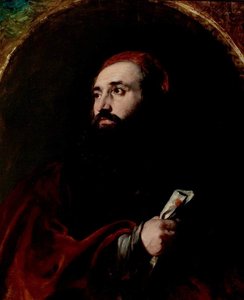
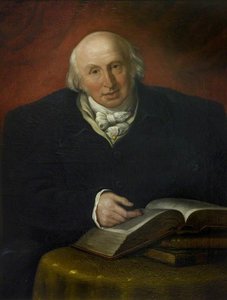
- Reverend William Jay (c. 1836-40): An example of his portraiture work, demonstrating a keen eye for character.
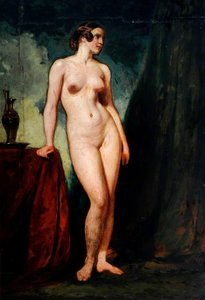
- Standing Female Nude (date unknown): A study showcasing Etty’s exceptional skill in rendering realistic flesh tones and form.
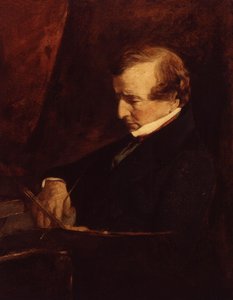
William Etty
1787 - 1849 , United Kingdom
Quick Facts
- Artistic Movement Or Style: Romanticism
- Artists Who Influenced This Artist: ['Thomas Lawrence']
- Date Of Birth: March 10, 1787
- Date Of Death: November 13, 1849
- Full Name: William Etty
- Nationality: British
- Notable Artworks:
- Cleopatra's Arrival
- The Sirens and Ulysses
- Standing Female Nude
- Place Of Birth: York, United Kingdom
Related Articles
William Etty: Rediscovering Victorian Sensibility & the Sublime in Historical Painting
Explore the captivating world of William Etty, a pioneering Victorian artist famed for his dramatic historical paintings and groundbreaking nude figures. Discover his life, controversial reception, and enduring legacy with our expert analysis.

The Enduring Legacy of Oil on Canvas: Technique, History & Aesthetic Impact
Explore the rich history & techniques of oil painting – from Renaissance masters to Impressionism. Discover pigments, layering methods, and why this timeless medium endures. Expert insights for artists & art enthusiasts.

Oil on Canvas: A Historical & Technical Exploration of a Timeless Artistic Medium
Explore the rich history & enduring techniques of oil painting on canvas. Discover the science behind its longevity, conservation practices, and contemporary relevance. Expert insights for art enthusiasts.
The Enduring Allure of the Nude: A Historical & Artistic Exploration of the Human Form
Explore the captivating history of nude art! Discover iconic paintings & artists from classical to modern eras. Uncover symbolism, techniques & find museum-quality reproductions at ArtsDot.
19th Century Masterpieces: 10 Paintings That Defined an Era | ArtsDot
Journey through 19th century art with ArtsDot! Explore 10 iconic paintings – from Monet & Renoir to Courbet – and discover the stories behind Romanticism, Realism & Impressionism. Find museum-quality reproductions for your home decor. Explore the full collection online!