 Preview
 Send
Send Share
Share
 Details

 Download
 Similars
 X-Ray
X-Ray Diaporama
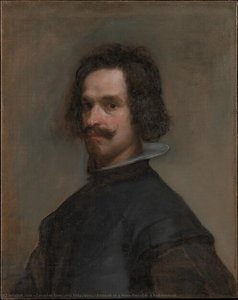
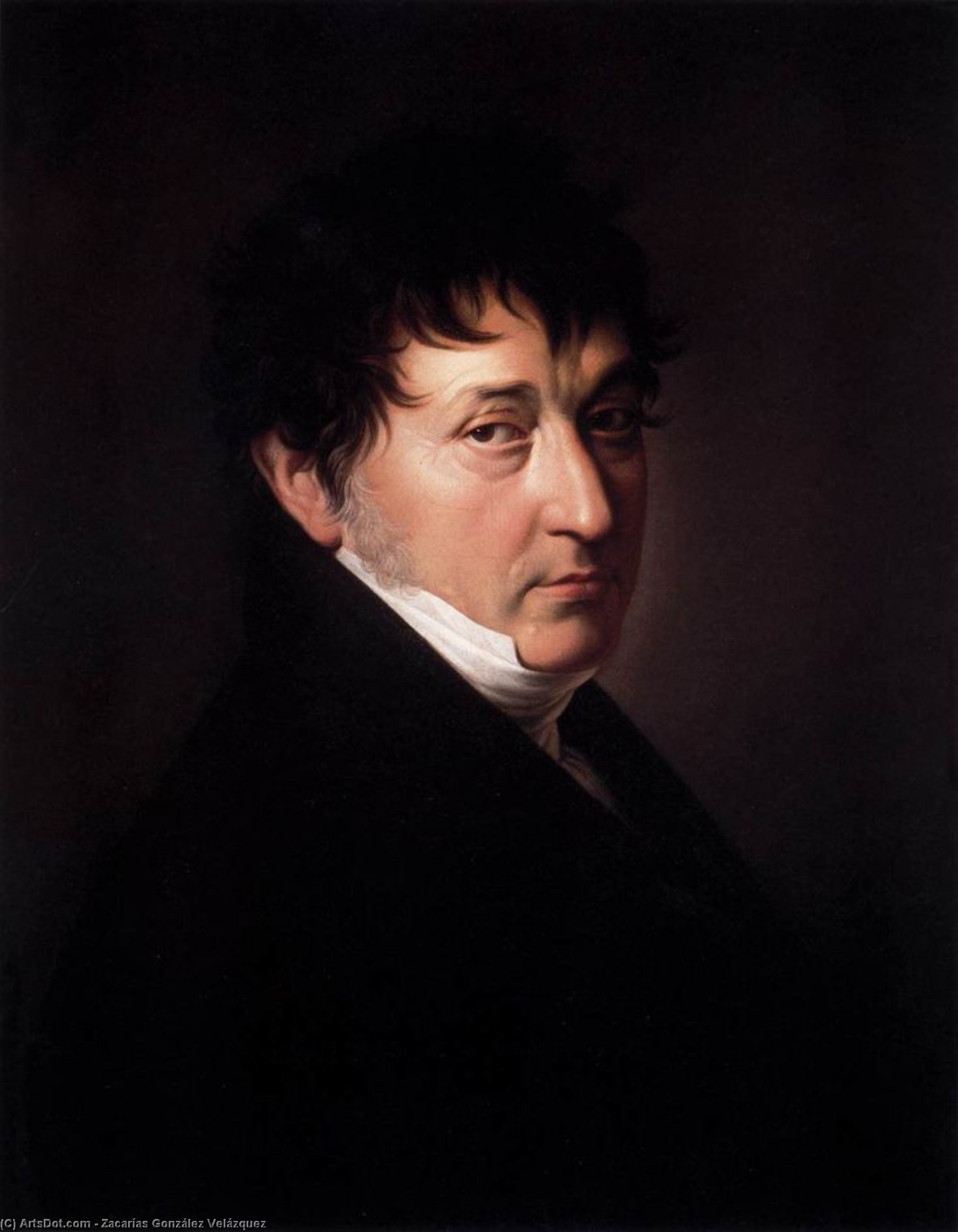
Self-Portrait
 Acrylic On Canvas
- WallArt
- Baroque Painting
 59.0 x 45.0 cm
 Museo del Prado
 Read More
Giclée / Art Print
Museum-quality giclée or canvas print with fast production and flexible finish options. ( Buy Hand Made Painting Buy Image)




P118B $10

P118H $10

P118W $10

P438Z $10

P508JH $12

P508YH $12

P805H $10

P805Z $10

P919BZ $10

P919G $10

P919XJ $10

P959ZH $10

P968JZ $12

W106C $8

W218G $10

W218JH $8

W218Y $10

W307PJ $10

W316G $10

W316PJ $8

W316Y $10

W398PJ $8

W4111J $10

W500HY $15

W500JH $15

W692G $12

W849H $8

W940BG $15

W953PJ $8




Pick from our preset sizes that match the artwork's original proportions.

You may enter your own dimensions to fit a specific frame or space. If your selected size does not match the original image's proportions, we will either crop the artwork or extend the image with a mirrored or solid-fill edge. A digital mockup will be sent for your approval before production begins.
Please note that the on-screen preview does not reflect the actual cropping or extension. Only the mockup will accurately show the final composition.
While custom sizes are available, we recommend selecting a dimension from the predefined list to preserve the original proportions.
Worldwide Delivery () in 2 weeks instead of standard 4/5 weeks. (16 August)

Free Worldwide Express Shipping

High-Quality Linen Canvas

Full Shipping Insurance

Customs Tax Refund Guarantee

True Color Matching Guarantee

60-Day Return Policy (Defects Only)

100% Money-Back Guarantee

Bulk Discount Offer
 Glass option is only available in size under 110 CM

Self-Portrait
Giclée / Art Print
Reproduction Size
-


Total Price
$ 63
Collectible Description
A Window into Baroque Mastery: Zacarías González Velázquez’s Self-Portrait
Zacarías González Velázquez (1763 – 1834) represents the zenith of Spanish Baroque painting, a testament to artistic heritage fused with burgeoning experimentation that subtly anticipates the stylistic currents of Romanticism. His formative years within Madrid's influential González Velázquez family instilled in him an unwavering commitment to mastering the art form—a dedication mirrored by his father, Antonio González Velázquez, who himself was celebrated for his own contributions to Baroque artistry. This familial legacy fostered a profound understanding of the period’s artistic landscape: characterized by grandeur, fervent religious devotion, and an aspiration to depict idealized beauty through meticulous observation and dramatic illumination.The Canvas Speaks Volumes: Technique and Composition
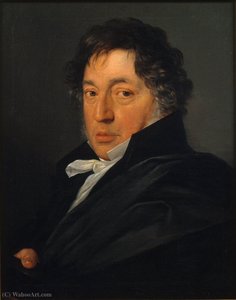
González Velázquez's ‘Self-Portrait,’ housed at the Museo del Prado in Madrid (49.7.42), exemplifies Baroque artistry’s hallmark—a masterful command of chiaroscuro, or dramatic lighting—that elevates the depiction beyond mere representation. The artist skillfully employs brushstrokes to convey texture and depth, particularly noticeable in the rendering of his hair and beard, where individual strands are painstakingly delineated. This meticulous attention to detail underscores not only technical prowess but also a deliberate choice to engage the viewer’s gaze directly with the subject's face—a compositional strategy common throughout the Baroque era. The subdued background serves as an indispensable counterpoint, emphasizing the luminosity of Velázquez’s visage and reinforcing the painting’s emotional resonance.A Reflection of Faith and Dignity: Symbolism Within Form
Beyond its technical brilliance, ‘Self-Portrait’ carries symbolic weight rooted in the prevailing intellectual climate of its time. The formal attire—a high-collared white shirt paired with a black coat—suggests adherence to aristocratic conventions and embodies notions of dignity and solemn contemplation. Furthermore, Velázquez's gaze directs outwards, conveying an awareness of his place within the broader artistic tradition while simultaneously projecting an aura of introspective thoughtfulness. Such gestures align seamlessly with Baroque ideals – reflecting spiritual piety alongside intellectual curiosity.Historical Context: Echoes of Breda and Beyond
Painted circa 1635, ‘Self-Portrait’ stands as a preparatory study for Diego Velázquez's monumental masterpiece, ‘Surrender of Breda,’ marking an important moment in the artist’s oeuvre and signaling his engagement with ambitious narrative projects. The painting’s stylistic influences extend beyond Velázquez’s immediate artistic circle; it embodies the broader Baroque aesthetic—a reaction against Mannerism—which prioritized realism and emotional intensity. It represents a pivotal step toward establishing Velázquez as one of Spain's foremost painters, securing his place in art history as an innovator who simultaneously honored tradition and pushed boundaries.A Legacy Illuminated: The Enduring Appeal of Baroque Emotion
‘Self-Portrait’ continues to captivate audiences today due to its ability to convey profound emotion through subtle visual cues—a testament to Velázquez's unparalleled skill in capturing the human spirit. Its enduring fascination speaks to the timeless power of art to communicate complex ideas and feelings, cementing González Velázquez’s legacy as a beacon of Baroque artistry and an inspiration for generations of artists to come.Related Artworks
Artist Biography
Zacarías González Velázquez: A Maestro of Light and Emotion
Zacarías González Velázquez (1763 – 1834) stands as a pivotal figure in Spanish Baroque painting, embodying the culmination of artistic tradition while simultaneously embracing innovative techniques that foreshadowed Romanticism. Born into Madrid’s prominent González Velázquez family—a lineage steeped in artistic heritage—his upbringing instilled within him an unwavering dedication to mastering the craft of painting and profoundly shaped his artistic vision. His father, Antonio González Velázquez, was himself a celebrated painter, establishing Zacarías's early exposure to art and fostering a familial commitment to creative excellence. This influence extended beyond mere mentorship; it fostered a deep understanding of the historical context surrounding Baroque artistry—a period characterized by grandeur, religious fervor, and an obsession with capturing idealized beauty.- Early Training & Academic Foundations: Zacarías’s formal artistic education commenced at the Real Academia de Bellas Artes de San Fernando in 1782, where he honed his skills under Mariano Salvador Maella. This institution served as a crucible for shaping aspiring artists, emphasizing anatomical accuracy and mastering classical compositional principles—elements that would become hallmarks of Velázquez's oeuvre.
- Royal Commissions & Patronage: Immediately upon graduating, Zacarías secured prestigious commissions from the Spanish monarchy, notably decorating several opulent rooms within El Pardo Palace with mythological scenes. These projects demanded meticulous attention to detail and showcased his ability to convey complex narratives through visual imagery—skills that cemented his reputation as a court artist of distinction.
- Architectural Contributions: Beyond painting, Velázquez’s talents extended into architectural design, particularly evident in his involvement with the Toledo Cathedral and the Jerónimos Monastery. His designs incorporated classical elements while skillfully integrating them with regional traditions—demonstrating versatility and a profound appreciation for artistic synthesis.
- Notable Paintings: Among his most celebrated works are “Columbus” (1803), depicting Christopher Columbus’s arrival in America—a monumental canvas imbued with symbolic grandeur and conveying the spirit of exploration. Similarly, “The Miracle of Saint Casimir,” portraying a miraculous healing event attributed to Saint Casimir—demonstrates Velázquez's ability to convey religious fervor through nuanced observation and expressive brushwork.
- Influence & Legacy: Zacarías González Velázquez’s artistic legacy continues to inspire artists today. His pioneering use of chiaroscuro, coupled with his unwavering commitment to realism, established him as a cornerstone of Spanish Baroque art—a tradition that profoundly impacted subsequent generations of painters and solidified his place among the greatest masters of his era.
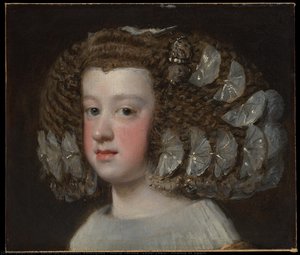
zacarías gonzález velázquez
1763 - 1834
Quick Facts
- Artistic Movement Or Style: Baroque
- Artists Or Movements Influenced By This Artist: ['Neoclassicism']
- Artists Who Influenced This Artist: ['Antonio González Velázquez']
- Date Of Birth: 1763
- Date Of Death: 1834
- Full Name: Zacarías González Velázquez
- Nationality: Spanish
- Notable Artworks:
- Columbus
- Portrait of Ferdinand VII
- Portrait of Maria Luisa of Parma
- The Miracle of Saint Casimir
- Young Girl
- Place Of Birth: Madrid, Spain
Related Articles
The Golden Age Reforged: Dramatic Realism & Religious Zeal in Spanish Baroque Art
Explore the dramatic world of Spanish Baroque art! Discover masters like Zurbarán & the powerful influence of religious zeal on painting techniques – a guide for collectors and enthusiasts.

Baroque Masterpieces: 10 Paintings That Defined an Era |
Journey through the drama & grandeur of Baroque art! Explore 10 masterpieces by Caravaggio, Rembrandt, Rubens & more. Discover stunning oil paintings, rich colors & timeless stories. Find museum-quality reproductions at .
Reflecting the Self: A History of Portraiture & Psychological Insight
Explore the fascinating history of self-portraiture from Renaissance masters like Dürer & Rembrandt to modern interpretations. Discover the psychological insights and artistic techniques behind these iconic works. Expert analysis for art enthusiasts.

The Visceral Stage: Exploring Dramatic Narratives & Emotional Intensity in Baroque Art
Explore the dramatic world of Baroque art! Discover iconic masters like Caravaggio & Rembrandt, their techniques, and the movement's lasting impact. Expert insights for collectors & enthusiasts at ArtsDot.
Diego Velázquez: Master of the Spanish Golden Age – Technique, Influence & Courtly Portraiture
Explore the life & work of Diego Velázquez, master of the Spanish Golden Age. Discover his innovative techniques, iconic paintings like Las Meninas, and lasting influence on art history. Expert insights for collectors.