
The Renaissance Aesthetic: Integrating Classical Grandeur into Modern Hospitality Design
 Renaissance art
Renaissance art (1350 – 1620) is the painting, sculpture, and decorative arts of the period of European history known as the Renaissance, which emerged as a distinct style in Italy in about AD 1400, in parallel with developments which occurred in phi...
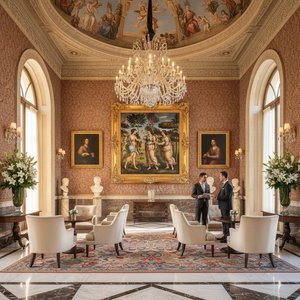
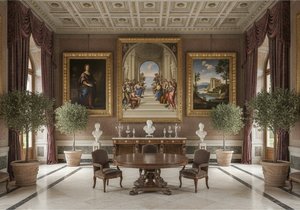
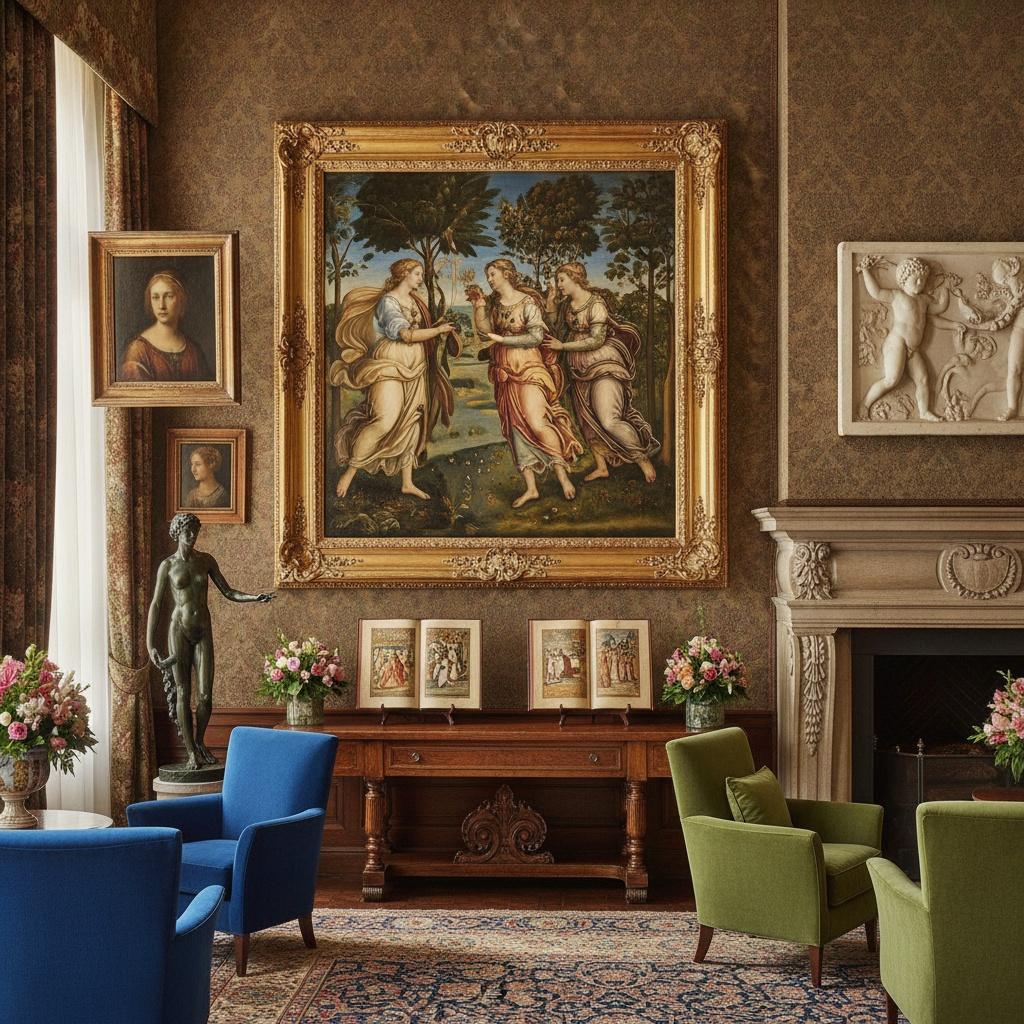
In the competitive landscape of high-end hospitality, the atmosphere of a lobby or a signature suite serves as the silent ambassador of a brand’s prestige. For the discerning hotel designer, the challenge lies in creating a space that transcends mere luxury to achieve true timelessness. The Italian Renaissance offers an unparalleled toolkit for this endeavor, providing a visual language rooted in balance, proportion, and humanistic ideals. By integrating elements of this era, designers can evoke an immediate sense of historical weight and cultural sophistication that resonates with the global traveler.
Integrating these classical aesthetics is not merely about hanging a painting; it is about establishing a narrative of permanence. When a designer selects works that reflect the Renaissance fascination with antiquity, they are inviting guests into a space that feels established and profound. This approach allows for the creation of environments where the architecture and the art exist in a symbiotic relationship, much like the great villas of Italy, where every fresco and sculpture was placed with intentionality to command respect and inspire contemplation.
Key Artistic Eras: From Proto-Renaissance Harmony to Mannerist Complexity
 Italian Renaissance painting
Italian Renaissance painting is the painting of the period beginning in the late 13th century and flourishing from the early 15th to late 16th centuries, occurring in the Italian Peninsula, which was at that time divided into many political states, s...
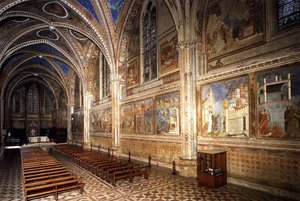
Understanding the chronological evolution of the Italian Renaissance is essential for precise interior curation. The journey begins with the Proto-Renaissance, led by masters such as Giotto, where a move toward naturalism began to break away from rigid medieval forms. This period offers a sense of foundational stability and clarity, making it ideal for serene, contemplative spaces like spa retreats or quiet library lounges. As we transition into the Early Renaissance, artists like Masaccio and Botticelli introduced a more structured approach to perspective and human emotion, providing a perfect balance of grace and mathematical order.
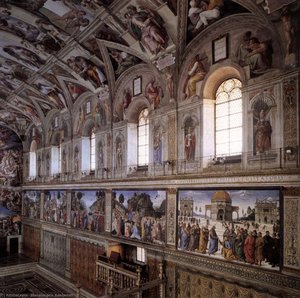
For more ambitious, high-impact installations, the High Renaissance—the era of Leonardo, Michelangelo, and Raphael—represents the pinnacle of harmony and monumental scale. These works are designed for grander architectural statements, such as central atriums or dining halls, where the perfection of form can match the scale of the room. Finally, for designers seeking a more avant-garde or tension-filled atmosphere, Mannerism offers intricate, elongated forms and complex compositions that can add a layer of sophisticated drama to boutique hotel settings. Each era provides a distinct emotional frequency, allowing procurement managers to tailor the art selection to the specific brand identity of the property.
Technical Elements for Designers: Utilizing Chiaroscuro and Sfumato for Atmospheric Depth
 Chiaroscuro & Emotional Resonance: Exploring Dramatic Light in Western Painting
The Renaissance Roots of Chiaroscuro: From Drawing to Painting Wikipedia: Chiaroscuro In art, chiaroscuro (English: kee-AR-ə-SKOOR-oh, -SKURE-, Italian: [ˌkjaroˈskuːro]; lit. 'light-dark') is the use of strong contrasts between light and dark, usual...
The true power of Renaissance art in interior design lies in its technical mastery of light and shadow. The technique of chiaroscuro, derived from the Italian words for light and dark, is a potent tool for sculpting space through visual contrast. By utilizing works that feature bold interplay between highlights and deep shadows, designers can direct the eye with surgical precision, creating focal points within large, dimly lit lobbies or directing attention toward specific architectural features. This technique adds a sense of three-dimensionality and tactile realism that flat, modern prints simply cannot replicate.
Complementing this is sfumato, the subtle, smoky gradation of tones perfected by Leonardo da Vinci. Sfumato allows for the softening of outlines, creating an ethereal, atmospheric quality that can make a room feel more expansive and dreamlike. For the professional decorator, selecting pieces with these techniques means working with "living" light. These works do not merely sit on a wall; they interact with the ambient lighting of the hotel, changing character as the day progresses from the bright morning sun to the warm, low-key glow of evening lamps.
Strategic Procurement: Selecting Masterpieces for Lobbies, Suites, and Dining Hall Interiors
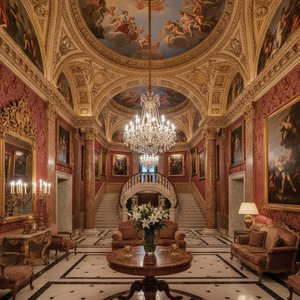 Italian Baroque Art: A Procurement Guide to Dramatic Masterpieces for High-End Hotel Interiors
The Baroque Aesthetic: Utilizing Chiaroscuro for High-Impact Hotel Lobby Design In the realm of high-end hospitality design, the atmosphere of a lobby serves as the silent ambassador of a brand’s prestige. To command attention and evoke an immediate ...
Procuring art for large-scale hospitality projects requires a balance between aesthetic vision and operational efficiency. When furnishing lobbies, the focus should be on high-impact, large-format works that establish the brand's grandeur. For guest suites, the selection should shift toward more intimate, emotive pieces that offer a sense of personal luxury and comfort. In dining environments, art that celebrates classical themes—such as the lush, garden-inspired frescoes of Giovanni da Udine—can enhance the sensory experience of the space, creating an immersive atmosphere that encourages lingering.
For procurement managers like David, the priority is often finding a reliable supplier who can handle high-volume, repeatable orders with consistent quality. The ability to source works in multiple standard sizes and ensure they arrive with full VAT documentation and professional packaging is critical for maintaining project timelines. Whether it is a single statement piece or a coordinated series of portraits for a corridor, the procurement process must be seamless, allowing the designer to focus on the broader architectural vision while trusting that the art will arrive as specified.
Custom Solutions for Large-Scale Projects: Multi-Panel Sets and Architectural Murals
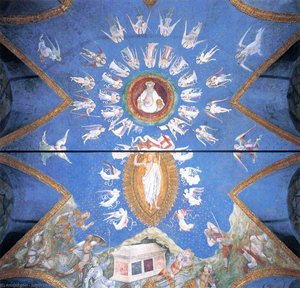 Vaulting decoration
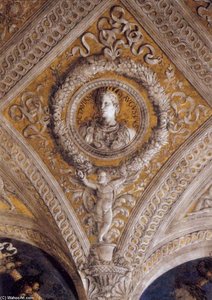
A Celestial Dance: Bonifazio Bembo's "Vaulting Decoration" Within the echoing halls of Castello Sforzesco in Milan resides a breathtaking testament to the artistic fervor of the Italian Renaissance – Bonifazio Bembo’s “Vaulting Decoration.” Completed...
Modern hotel architecture often presents expansive, uninterrupted wall surfaces that demand more than a single canvas. To address this, the multi-panel trend has become an essential tool for contemporary decorators. Splitting a Renaissance masterpiece across three, four, or even five panels allows a single composition to scale up to meet the requirements of wide staircases or grand halls, creating a cohesive and modern architectural look that maintains the integrity of the original work. This technique provides a rhythmic, sculptural quality to the wall, turning art into an integral part of the building's skin.
For even more profound transformations, architectural murals and ceiling frescoes offer the ultimate level of customization. We specialize in creating large-format works painted on massive canvas rolls that can be installed similarly to high-end wallpaper. This allows a designer to recreate the breathtaking effect of a Renaissance vaulting decoration or a grand loggia within a modern structure. These bespoke solutions enable the recreation of historical splendor, such as the intricate patterns found in the Castello Sforzesco, providing an unparalleled level of luxury that defines a property's unique character.
Operational Excellence: Scaling Art Acquisitions with Reliable Global Logistics
In the world of professional hospitality design, reliability is just as important as artistry. Large-scale art installations are subject to strict deadlines, and any delay in delivery can disrupt an entire renovation schedule. Therefore, working with a partner that offers robust logistics—including DHL Express or FedEx tracking and reinforced, double-walled packaging—is non-negotiable. The assurance that artwork will arrive safely, regardless of the destination, allows procurement managers to execute global projects with confidence.
Furthermore, true professional service extends beyond delivery. It includes the ability to manage complex orders through digital platforms, providing real-time updates and pre-shipment photo approvals. This transparency ensures that every piece meets the exact color specifications and dimensions required for the project. From managing international customs and VAT refunds to providing tax-compliant documentation for corporate accounts, the goal is to provide a frictionless experience that supports the high-volume needs of the hospitality industry. At ArtsDot.com, we pride ourselves on being a reliable trade partner, delivering museum-quality reproductions that stand the test of time.