The Industrial Revolution on Canvas: From Factory Floors to Fine Art
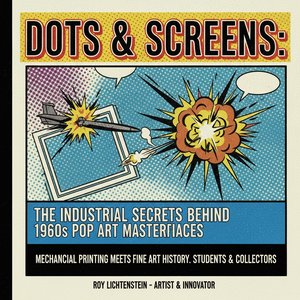 Dots & Screens: The Industrial Secrets Behind 1960s Pop Art Masterpieces
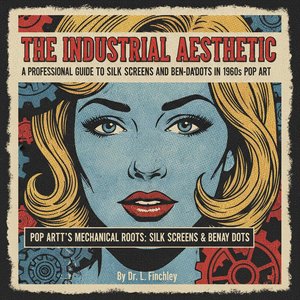
The Industrial Genesis: From Printing Presses to Fine Art Silk Screens & Ben-Day Dots: The Industrial Tech Behind 1960s Pop Art The Industrial Foundation: Silk Screening and Mass Production Aesthetics To understand the visual revolution of the 1960s,...
To truly grasp the seismic shift that occurred during the mid-twentieth century, one must look far beyond the quiet, reverent halls of traditional galleries and instead turn toward the rhythmic, mechanical hum of the factory floor. The Pop Art movement did not emerge from a vacuum of classical inspiration or the ethereal landscapes of Romanticism; rather, it was born from the relentless efficiency of the printing press and the burgeoning expansion of consumerism in post-war America. This was an era defined by an unprecedented surge in economic prosperity, where the rise of advertising and a vibrant youth culture transformed the visual landscape into a saturated sea of mass-produced imagery. The artists who would eventually define this movement found a potent, untapped visual language within the ubiquitous symbols of everyday life: the glossy sheen of an advertisement, the bold graphics of industrial packaging, and the disposable charm of comic books.
By looking toward these seemingly low-culture sources, Pop Art pioneers began to dismantle the long-standing barriers between high art and commercial utility. They embraced the cold, mechanical precision of the machine age, suggesting that the soul of modern life resided not in a singular, romanticized brushstroke, but in the vibrant, reproducible pulse of industrial life. This transition was a radical philosophical inquiry into the nature of value itself. As the boundaries between fine art and mass media began to dissolve, the movement forced a confrontation with the very authenticity of artistic creation, elevating the ephemeral—the glossy magazine page or the brightly colored cereal box—to the status of a profound, permanent masterpiece.
The Mechanics of Perception: Decoding the Ben-Day Dot Illusion
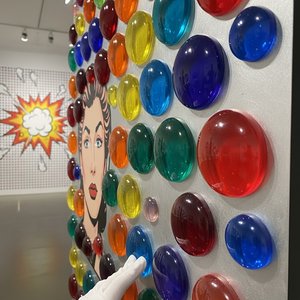 Beyond the Dot: Exploring the Bold Impact of Ben-Day Dots in Modern Art
The Mechanics of Perception: Understanding the Ben-Day Dot To look closely at a masterpiece of Pop Art is to witness a fascinating optical illusion, a dance between what the eye perceives and what the mind interprets. At the heart of this phenomenon ...
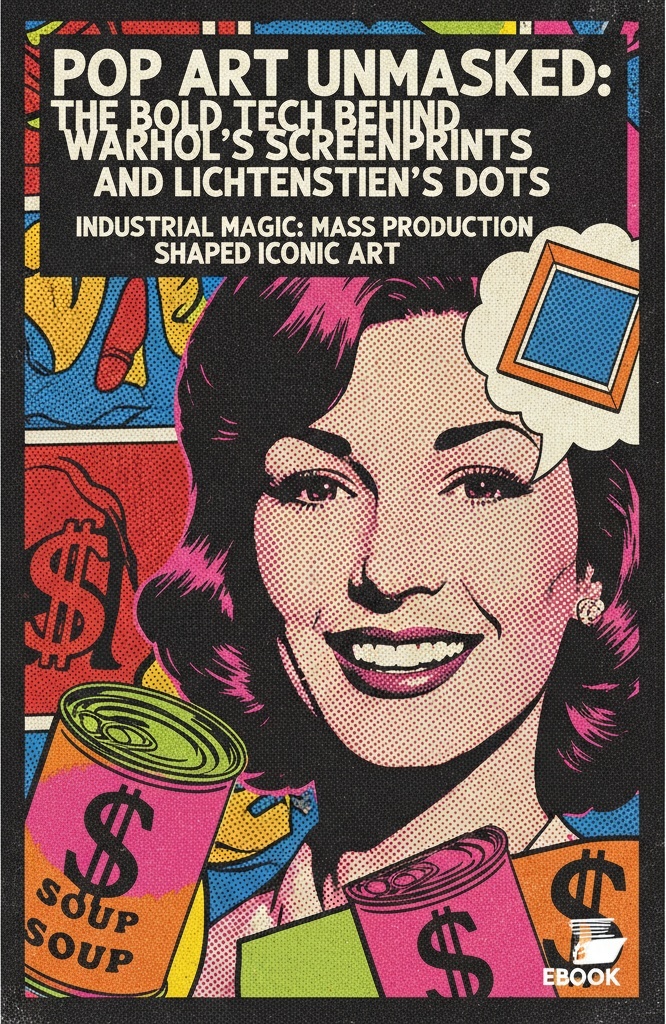
At the heart of this visual revolution lies a fascinating optical illusion, a sophisticated dance between what the eye perceives and what the mind interprets. This phenomenon is anchored by the Ben-Day dot, a printing technique originally engineered for the humble world of newsprint and comic books. These tiny, rhythmic clusters of color were never intended to be seen as individual points; instead, they were designed to blend seamlessly when viewed from a single vantage point, creating the illusion of continuous tone, shading, and secondary hues. It is a masterful use of the science of optical mixing, where the magic resides in the ability to trick the retina.
When we look closely at a masterpiece of this era, we witness the mechanical precision of these dots in isolation, revealing a clinical, almost artificial quality. Yet, when integrated into a larger composition, they breathe life into flat surfaces, simulating the soft gradients found in classical oil paintings through nothing more than a limited palette of primary colors. This creates a compelling tension between the industrial reality of the dot and the emotional resonance of the image it forms. By varying the density and color of these small circles, artists invite the viewer to participate actively in the creation of the art, mentally bridging the gaps between scattered pigments to form a cohesive, breathing image.
Silk Screen Supremacy: Warhol and the Aesthetic of Mass Production
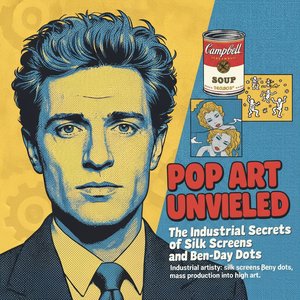 Pop Art Unveiled: The Industrial Secrets of Silk Screens and Ben-Day Dots
The Aesthetic of Mass Production: Recontextualizing the Industrial Image To understand the profound revolution of Pop Art, one must first look beyond the canvas and into the bustling machinery of the mid-twentieth century. At its core, this movement ...
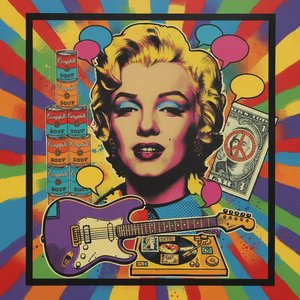
If the Ben-Day dot provided the texture, then the silk screen provided the soul of the Pop Art revolution. To understand the visual impact of legends like Andy Warhol, one must look toward the aesthetic of mass production. The movement embraced the repetitive, almost hypnotic language of the factory, utilizing silk screening to challenge the long-held sanctity of the unique, hand-painted gesture. This technique allowed for the appropriation of imagery from everyday sources—the iconic, the commercial, and the ubiquitous—and recontextualized it through a lens of sophisticated irony.
The use of silk screens allowed artists to mimic the look of mass-produced imagery, effectively blurring the lines between a museum-grade masterpiece and a supermarket flyer. This was not merely an aesthetic choice but a radical statement on the nature of modern existence. By utilizing a method that favored repetition over singularity, Warhol and his contemporaries reflected a world increasingly saturated by consumerism. The ability to reproduce an image infinitely stripped away the "aura" of the original work, replacing it with a bold, high-impact visual identity that spoke directly to the collective consciousness of a society shaped by mass media.
Graphic Precision: Lichtenstein’s Reimagined Comic Book Language
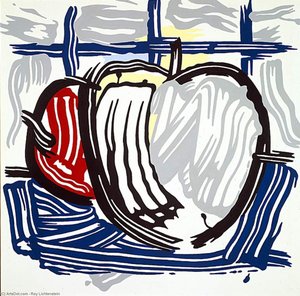 2 apples
A Bite of Pop: Decoding Lichtenstein’s “2 Apples” Roy Lichtenstein's "2 apples," created in 1981, is a deceptively simple work that encapsulates the core tenets of his celebrated Pop Art style. The painting presents exactly what its title suggests – ...
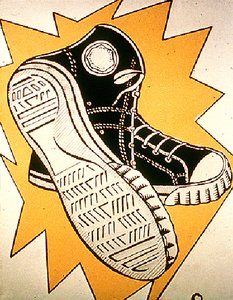
While Warhol explored the repetition of the icon, Roy Lichtenstein transformed the very language of the comic strip into monumental fine art. His work did not simply imitate the low-brow aesthetics of pulp fiction; it interrogated them. Through a meticulous application of bold black outlines and vibrant primary colors, Lichtenstein elevated commonplace imagery into compelling artistic statements. In works such as "2 apples," we see a deceptively simple composition that utilizes the visual vocabulary of mass production to explore deeper narratives of consumption and desire.
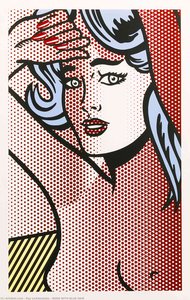
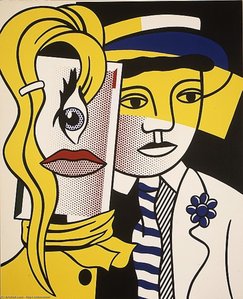
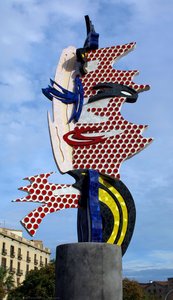
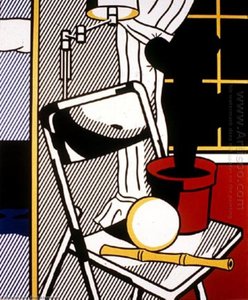
Lichtenstein’s technique is instantly recognizable for its graphic precision. He masterfully employed Ben-Day dots to build up forms, ensuring that the mechanical, almost artificial quality of the printing process remained visible on the canvas. This deliberate choice forced viewers to confront the artifice inherent in representation. By magnifying the small-scale textures of a comic book panel onto a massive scale, he demanded serious intellectual engagement with subjects previously dismissed as trivial. His work stands as a testament to the power of appropriation, where the thick outlines and dot-heavy surfaces create a sense of flatness that paradoxically achieves a profound depth of meaning.
The Philosophy of Pop: Blurring the Lines Between High Culture and Consumerism
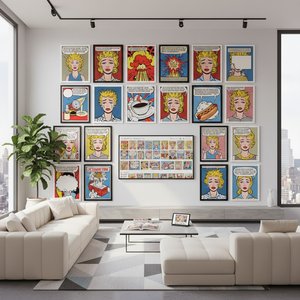 Roy Lichtenstein's Masterpieces: 25 Iconic Pop Artworks for Your Home | ArtsDot
Introduction To embark on a journey through the top 25 artworks of Roy Lichtenstein is to enter a world where the boundaries between high art and popular culture dissolve, replaced by bold lines, vibrant colors, and an audacious commentary on America...
The true legacy of Pop Art lies in its ability to dissolve the boundaries between high art and popular culture. This movement was a profound reflection of a post-war era grappling with unprecedented economic prosperity and the rise of a burgeoning youth culture. As the world became saturated with advertising, artists recognized that the most potent visual language resided not in classical mythology, but in the glossy sheen of the modern landscape. They found beauty in the repetitive, the commercial, and even the disposable.
This era challenged the dominance of Abstract Expressionism, shifting the focus from subjective emotionality to objective representation. By elevating the ephemeral—the magazine page, the advertisement, the comic strip—to the realm of fine art, Pop artists forced us to examine our relationship with commerce and society. They suggested that the soul of modern life could be found within the most mundane objects, provided they were viewed through a lens of creative audacity. This philosophical shift continues to resonate today, as we navigate an even more visually saturated digital age, constantly questioning the authenticity of what we consume.
Legacy in Motion: How Industrial Tech Shaped Modern Visual Identity
The industrial foundations of Pop Art—the printing presses, the silk screens, and the mechanical dots—have left an indelible mark on the DNA of contemporary visual identity. The movement’s fascination with bold lines, vibrant colors, and graphic impact paved the way for everything from modern graphic design to the high-energy aesthetics of street art and digital media. The revolution that began on the factory floor has evolved into a global language of impact and immediacy.
Today, we see the echoes of this movement in every corner of our visual culture, from the branding of streetwear icons to the hyper-saturated palettes of modern animation. The Pop Art era taught us that art does not need to be removed from the world to be profound; it can be found within the very tools and textures of our daily lives. It remains a powerful reminder that through the lens of creativity, even the most mechanical and mass-produced elements of our existence can be transformed into something truly extraordinary.
Discover the Boldness of Pop Art with ArtsDot.com
At ArtsDot.com, we live for high-impact, visually striking art that commands attention. We specialize in the bold, the graphic, and the contemporary—filtering out the academic to bring you pieces that resonate with modern energy. Whether you are looking for a custom reproduction of an iconic Lichtenstein-style masterpiece or a unique, hand-painted oil piece that captures the raw power of color, we provide art that defines your space. Explore our collection of high-impact works and find the perfect statement piece for your urban lifestyle.