
The Dawn of Color Symbolism: Ancient Roots & Early Interpretations
Color symbolism in art, literature, and anthropology is the use of color as a symbol in various cultures and in storytelling. There is great diversity in the use of colors and their associations between cultures and even within the same culture in di...
From the ochre pigments adorning prehistoric cave walls to the vibrant frescoes of ancient civilizations, color has always been more than mere decoration; it’s a fundamental language woven into the fabric of human expression. Long before articulated theories of aesthetics, our ancestors intuitively understood color's power to communicate—to signify life and death, spirituality and earthly concerns. Consider the Egyptians, for whom color held profound religious meaning. Red represented vitality and power, often associated with Seth, the god of chaos, but also protective forces; blue symbolized creation and the Nile’s life-giving waters, linked to deities like Amun. These weren't arbitrary choices; they reflected a deeply ingrained worldview where color was inseparable from the sacred. Similarly, in early Mesopotamian art, lapis lazuli—a deep azure stone—was reserved for depicting royalty and divinity, its rarity mirroring the elevated status it represented. The very act of acquiring these pigments spoke to power and devotion, establishing a precedent for color as an indicator of importance and belief.
The classical world continued this tradition, though with evolving nuances. While the Greeks initially favored naturalistic representation, they gradually incorporated symbolic color into their sculptures and vase paintings. White marble, while prized for its aesthetic qualities, also evoked purity and ideal form. The Romans, known for their pragmatism, utilized color extensively in architecture and mosaics, often employing it to denote social status or highlight specific narratives. However, the fall of empires led to a period where much of this nuanced understanding was lost, paving the way for new interpretations during the medieval era.
Color as Emotion: Exploring Psychological Responses Throughout Art History
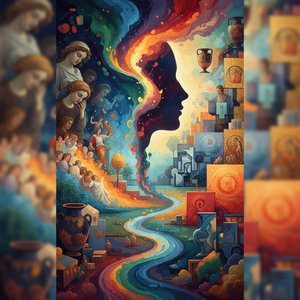 The Chromatic Spectrum of Feeling: Exploring Color & Emotion in Art History
Explore the fascinating relationship between color and emotion in art history. Discover how master artists used color to evoke feelings & cultural meanings, plus the psychology behind it all.
The Renaissance witnessed a renewed interest in classical learning, but also a burgeoning exploration of human psychology. Artists began to consciously manipulate color to evoke specific emotional responses in viewers. The rich reds and golds employed by artists like Titian weren’t simply representations of luxurious fabrics; they were designed to convey power, sensuality, and divine grace. Leonardo da Vinci's sfumato technique—the subtle blending of colors—created an atmosphere of mystery and psychological depth, inviting contemplation rather than immediate comprehension. As art moved into the Baroque period, artists like Caravaggio masterfully used chiaroscuro – dramatic contrasts between light and dark – to heighten emotional intensity. The deep shadows weren’t merely technical devices; they symbolized uncertainty, spiritual struggle, and the weight of human existence.
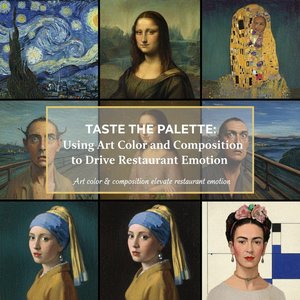
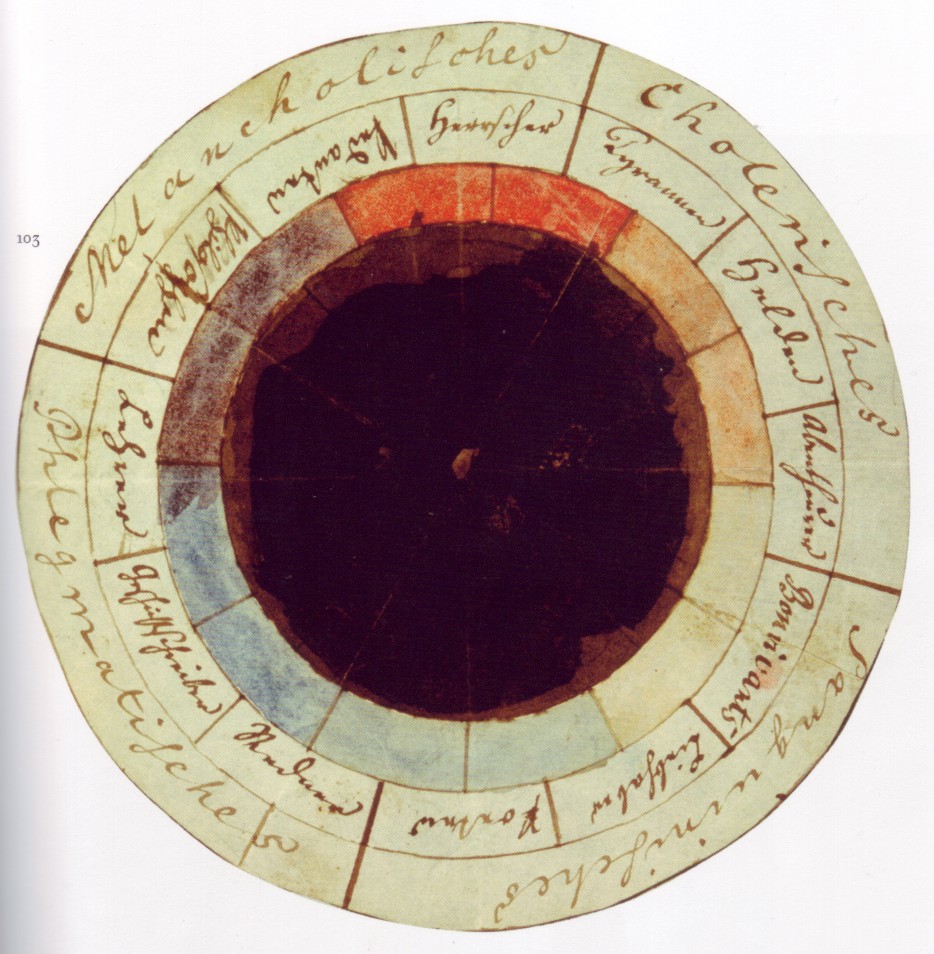
The 19th century saw a surge in scientific inquiry into color perception. Goethe's *Theory of Colors* (1810), though not scientifically rigorous by modern standards, sparked a debate about the subjective experience of color and its impact on human emotion. Impressionists like Monet and Renoir focused on capturing fleeting moments of light and color, aiming to convey the sensory experience rather than precise representation. But it was the Post-Impressionists—Van Gogh, Gauguin, and Munch—who truly unlocked color’s expressive potential. Van Gogh's swirling blues and yellows in *Starry Night* aren’t simply depictions of a landscape; they are visceral expressions of his inner turmoil. Munch’s *The Scream*, with its jarring reds and oranges, became an iconic representation of existential angst.
Cultural Chromatic Landscapes: Divergent Meanings Across Civilizations
 Wikipedia: Color psychology
Color psychology is the study of colors and hues as a determinant of human behavior. Color influences perceptions that are not obvious, such as the taste of food. Colors have qualities that may cause certain emotions in people. How color influences i...
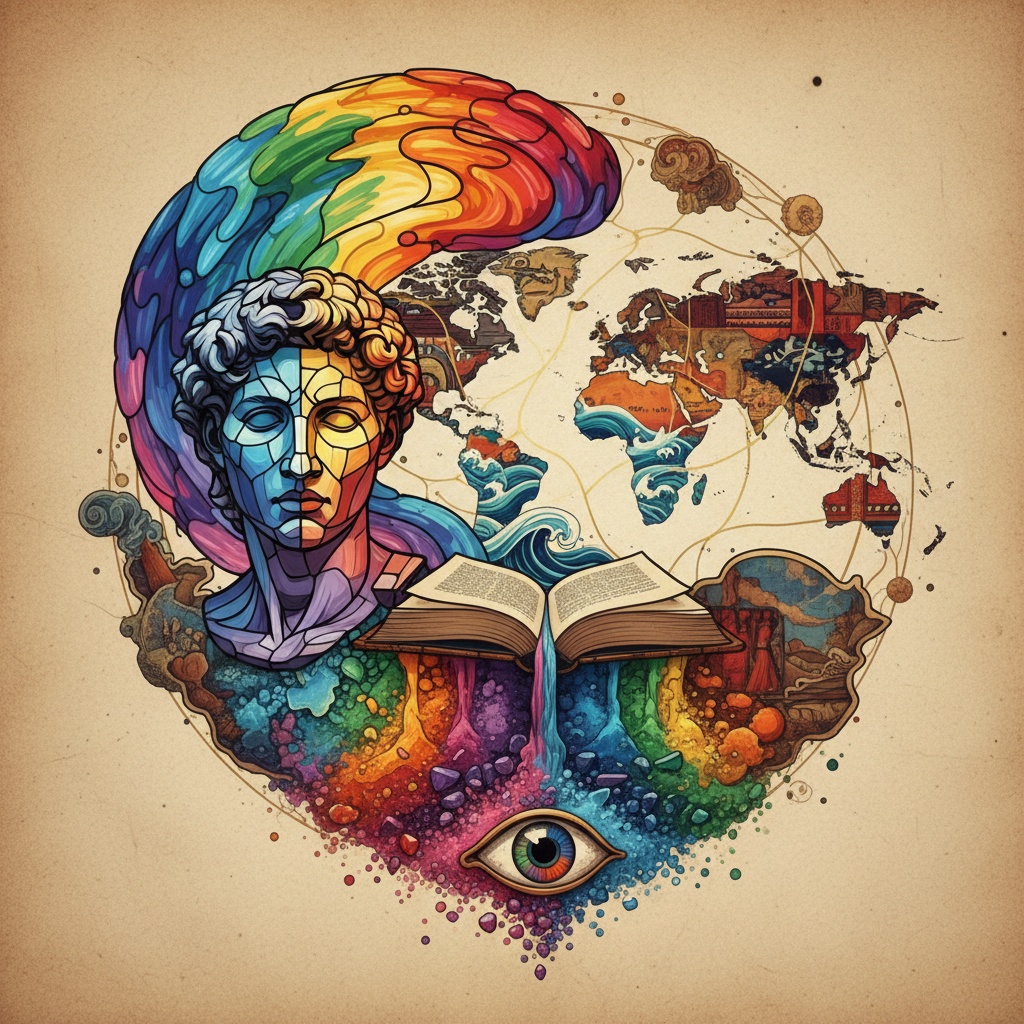
While certain emotional associations with color—red for passion, blue for serenity—seem relatively universal, the specific cultural interpretations can vary dramatically. In China, red is traditionally associated with good fortune, prosperity, and happiness, dominating celebrations like weddings and New Year festivities. White, conversely, symbolizes mourning and death. This contrasts sharply with Western traditions where white often represents purity and innocence. Similarly, in India, yellow is sacred, representing peace, knowledge, and spirituality, while green holds complex associations ranging from fertility to jealousy. The use of color in traditional Japanese art—particularly ukiyo-e prints—is deeply symbolic, reflecting a reverence for nature and a sophisticated understanding of aesthetics.
These differences aren’t accidental; they are rooted in historical context, religious beliefs, and societal values. For example, the vibrant colors used in Mexican muralism—Diego Rivera's powerful depictions of social struggle—reflect a rich indigenous heritage and a commitment to political expression. Understanding these cultural nuances is crucial for appreciating the full depth and complexity of art from different traditions.
Mastering the Palette: How Artists Employed Color to Convey Narrative and Theme
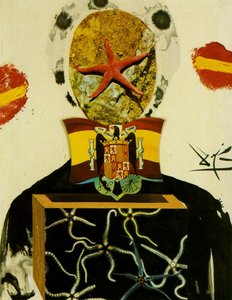
Beyond individual emotional responses, artists have long used color strategically to convey narrative and theme. In religious paintings, specific colors were often associated with particular saints or virtues—blue for the Virgin Mary, red for martyrs. Symbolic use of color extended beyond figural representation; landscapes could be imbued with meaning through carefully chosen palettes. For instance, a dark, somber palette might evoke a sense of melancholy or foreboding, while a bright, vibrant palette could suggest optimism and joy. Surrealist artists like Salvador Dalí employed unexpected color combinations to disrupt conventional perceptions and explore the subconscious mind. His *Agnostic Symbol* (1932), with its stark juxtaposition of objects and unsettling colors, invites viewers to question reality and delve into the realm of dreams.
Bertrand Redon’s ‘A Rose-colored Rock’ (1880) exemplifies how Impressionistic landscapes can capture twilight beauty through earthy tones and loose brushwork. The subtle shifts in color create a serene atmosphere, inviting contemplation and evoking a sense of mystery. Even seemingly abstract works—like those by Mark Rothko—rely heavily on color to convey emotional depth and spiritual resonance.
The Modern Revolution: Challenging Conventions and Expanding Color’s Role
The 20th century witnessed a radical departure from traditional approaches to color. Artists like Wassily Kandinsky explored the purely abstract potential of color, believing that it could evoke emotions directly without relying on representational forms. Fauvism—with artists like Matisse and Derain—embraced bold, non-naturalistic colors, prioritizing expressive intensity over realistic depiction. Abstract Expressionists—like Jackson Pollock and Mark Rothko—further pushed the boundaries of color, creating large-scale canvases that were immersive emotional experiences.
This experimentation wasn’t merely aesthetic; it reflected a broader cultural shift towards subjectivity and individualism. Artists sought to express their inner worlds through color, challenging conventional notions of beauty and representation. The rise of color field painting—with artists like Barnett Newman—focused on the meditative qualities of color, inviting viewers to lose themselves in vast expanses of hue.
Collecting with a Colorful Eye: Considerations for Building a Meaningful Art Collection
For the discerning art collector, understanding the psychological and cultural significance of color is paramount. When selecting artworks, consider not only aesthetic appeal but also the emotional impact and underlying symbolism. A piece dominated by reds might be ideal for a dining room—stimulating conversation and energy—while blues and greens could create a calming atmosphere in a bedroom or study. Explore artists who masterfully employed color to convey specific narratives or themes. Consider works from different cultures to broaden your perspective and appreciate the diversity of chromatic expression.
At ArtsDot.com, we offer a curated selection of handmade oil paintings and museum-quality prints, allowing you to bring the power of color into your home. Our expert team can provide personalized guidance on style advice, size recommendations, and framing options. Whether you’re seeking a classic masterpiece or a contemporary work, we are committed to helping you build a collection that reflects your individual taste and values. From reproductions of iconic works by Van Gogh and Monet to custom paintings based on your personal photos, ArtsDot.com offers a unique opportunity to connect with the world’s great art—and experience the transformative power of color firsthand.