Early Life & Artistic Roots: The Foundations of a Hague School Painter
Jan Hendrik Weissenbruch, also known as Hendrik Johannes Weissenbruch (born 19 June 1824 in The Hague – died 24 March 1903 in The Hague) was a Dutch painter of the Hague School. He is noted especially for his watercolours. == Biography == Hendrik ...
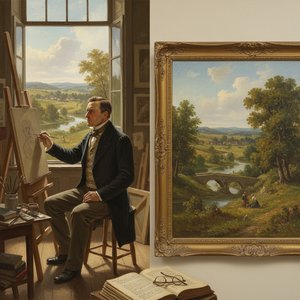
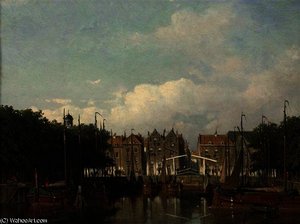
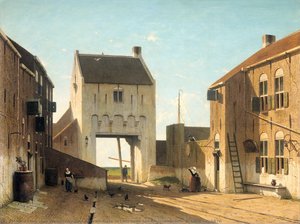
Jan Hendrik Weissenbruch, born in The Hague in 1824, wasn’t simply *born* into the Dutch art world—he was cultivated within it. His father, Johannes Weissenbruch, though primarily a chef and restaurateur, possessed a keen artistic sensibility, collecting works by prominent painters like Andreas Schelfhout and Bartholomeus van Hove. This early exposure to established masters laid the groundwork for Jan’s own burgeoning talent. The family home wasn't merely a dwelling but a miniature gallery, fostering an environment where art was not just appreciated but lived. Further enriching this familial artistic lineage were cousins Jan (a townscape painter), Frederik Hendrik (a lithographer), and others engaged in various engraving pursuits – a network of creativity that undoubtedly shaped young Hendrik’s path. He began formal training at sixteen with Johannes Low, followed by evening classes under Bartholomeus van Hove at the Hague Academy of Art in 1843, simultaneously assisting Van Hove in studio work for the Royal Theatre, crafting scenic backdrops and honing his observational skills.
The Influence of Schelfhout & Ruisdael: Shaping Weissenbruch’s Style
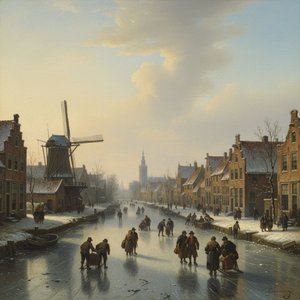
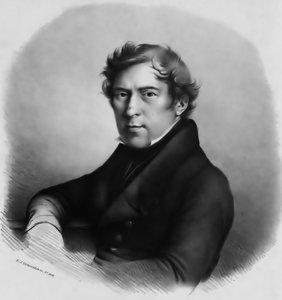 Andreas Schelfhout
Discover Andreas Schelfhout (1787-1870), a Dutch Romantic painter famed for his winter landscapes & frozen canals. A precursor to the Hague School, explore his art!
Andreas Schelfhout proved to be a pivotal early influence on Weissenbruch. Schelfhout's meticulous detail and romanticized landscapes initially captivated the young artist, evident in his first exhibited works. However, this admiration wasn’t uncritical. A friend, Johannes Bosboom, wisely cautioned against slavish imitation, urging Weissenbruch to “stand on your own” and develop a unique vision. This advice proved crucial. While Schelfhout provided technical grounding, it was the 17th-century master Jacob van Ruisdael who truly ignited Weissenbruch’s imagination. A visit to the Mauritshuis in The Hague exposed him to Ruisdael's dramatic skies and evocative landscapes, inspiring a lifelong fascination with atmospheric effects. Weissenbruch wasn’t merely copying; he was absorbing a sensibility – a way of capturing the fleeting beauty of light and cloud formations that would become a hallmark of his style.
Capturing the Dutch Landscape: Realism, Atmosphere, and Light in His Work
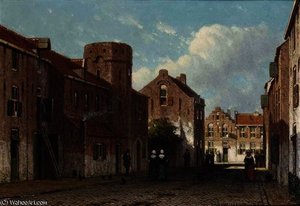 A stroll on a sunny day
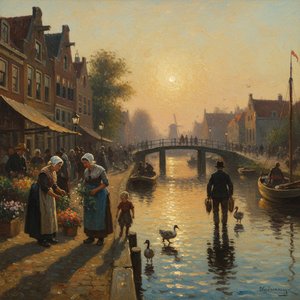
Discover Jan Weissenbruch’s ‘A Stroll on a Sunny Day,’ a melancholic Dutch landscape painting. Explore its realism, atmospheric perspective & 19th-century charm. A serene glimpse into urban life.
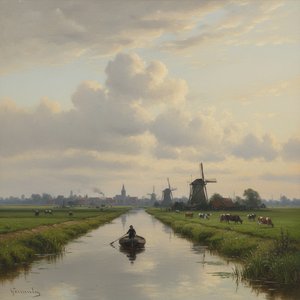
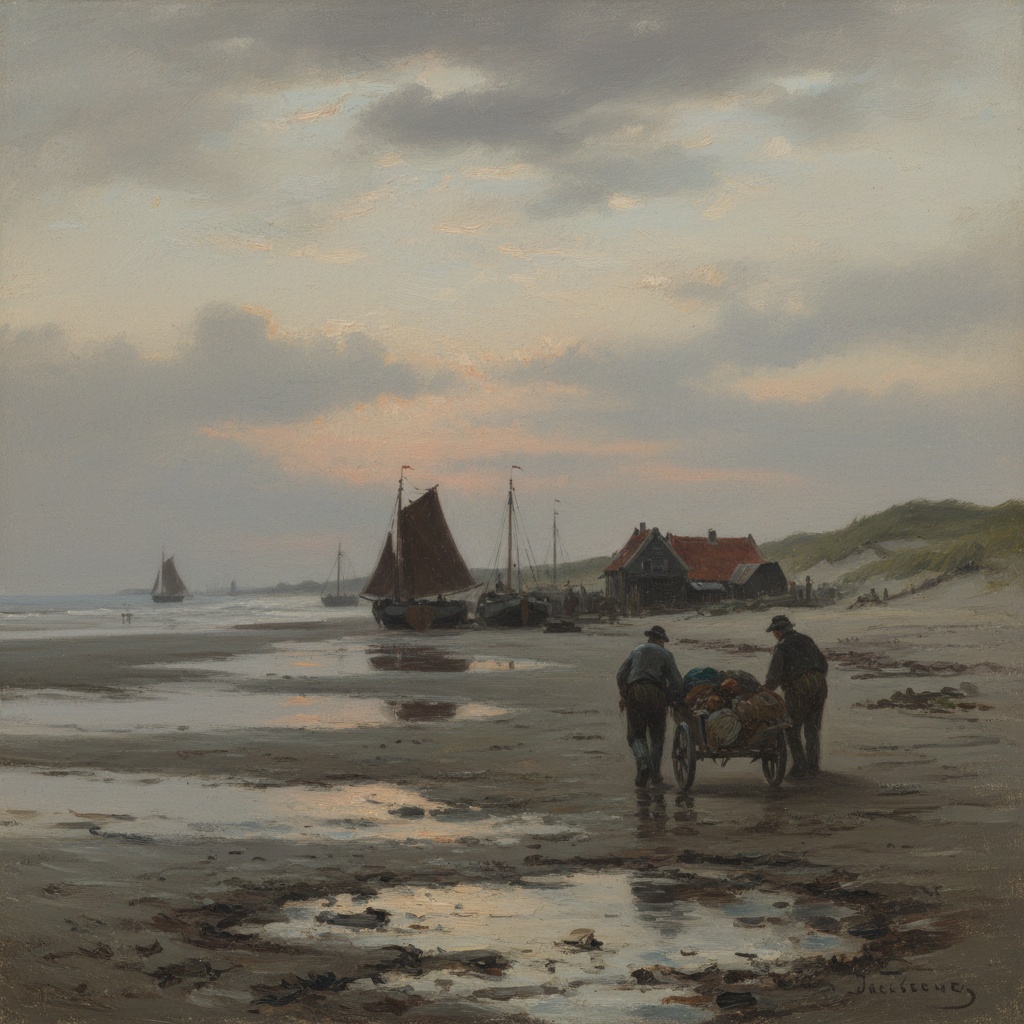
Weissenbruch's art is fundamentally about *place*—specifically, the subtle nuances of the Dutch countryside. He transitioned from early romantic landscapes to become a defining figure within the Hague School, known for his realistic depictions of dunes, polders, and waterways. But realism wasn’t simply about accurate representation; it was a vehicle for conveying atmosphere. His paintings aren't just *of* landscapes, they evoke the feeling of being *in* them – the chill of a sea breeze, the warmth of sunlight on water, the vastness of an open sky. This mastery stemmed from his dedication to plein air painting, working directly from nature and capturing the ever-changing effects of light and shadow. His use of color became increasingly restrained over time, allowing the interplay of light and atmosphere to take center stage. Paintings like “A Stroll on a Sunny Day” exemplify this approach – a serene glimpse into urban life imbued with a melancholic beauty born from careful observation and sensitive execution.
Weissenbruch and the Hague School: A Defining Figure
The Hague School, emerging in the mid-19th century, represented a shift away from academic conventions towards a more direct engagement with everyday life and the natural world. Weissenbruch was not merely *a* member of this movement; he was instrumental in its formation, co-founding the prestigious Pulchri Studio in The Hague – an association that continues to champion Dutch artists today. While initially achieving recognition among his peers, widespread public acclaim eluded him until the late 1880s. This delay wasn’t due to a lack of talent but rather a gradual shift in artistic tastes. His work embodies the core tenets of the Hague School: a focus on realistic depictions, an emphasis on atmospheric effects, and a deep connection to the Dutch landscape. He shared this sensibility with contemporaries like Johannes Bosboom and Salomon Verveer, yet his unique ability to capture the subtleties of light and cloud formations set him apart.
Later Years & Legacy: International Recognition and Lasting Impact
The final two decades of Weissenbruch’s life witnessed a flourishing of artistic output and growing international recognition. A trip to Barbizon, France in 1900 – at the age of seventy – inspired his “Forest View Near Barbizon,” demonstrating his continued willingness to explore new subjects while remaining true to his core style. His paintings began attracting attention beyond Dutch borders, gaining popularity particularly in Canada and France. Though he passed away in The Hague in 1903, his legacy endures. His works are now held in esteemed collections such as the Rijksmuseum Amsterdam and the Gemeentemuseum Den Haag, testament to his lasting contribution to Dutch art history. Weissenbruch’s delicate brushstrokes, restrained color palette, and masterful depiction of light continue to captivate audiences today, offering a serene and evocative glimpse into the beauty of the 19th-century Netherlands. Explore the world of Jan Hendrik Weissenbruch further with ArtsDot.com, where you can discover high-quality reproductions of his iconic landscapes and bring the atmospheric charm of the Hague School into your own home.