The Rise of Aristocratic Patronage: Setting the Stage
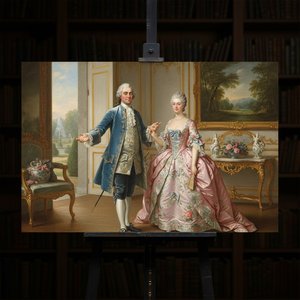
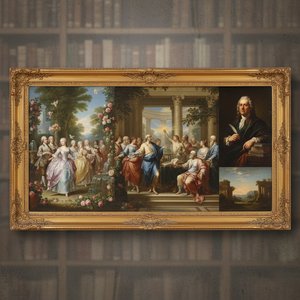
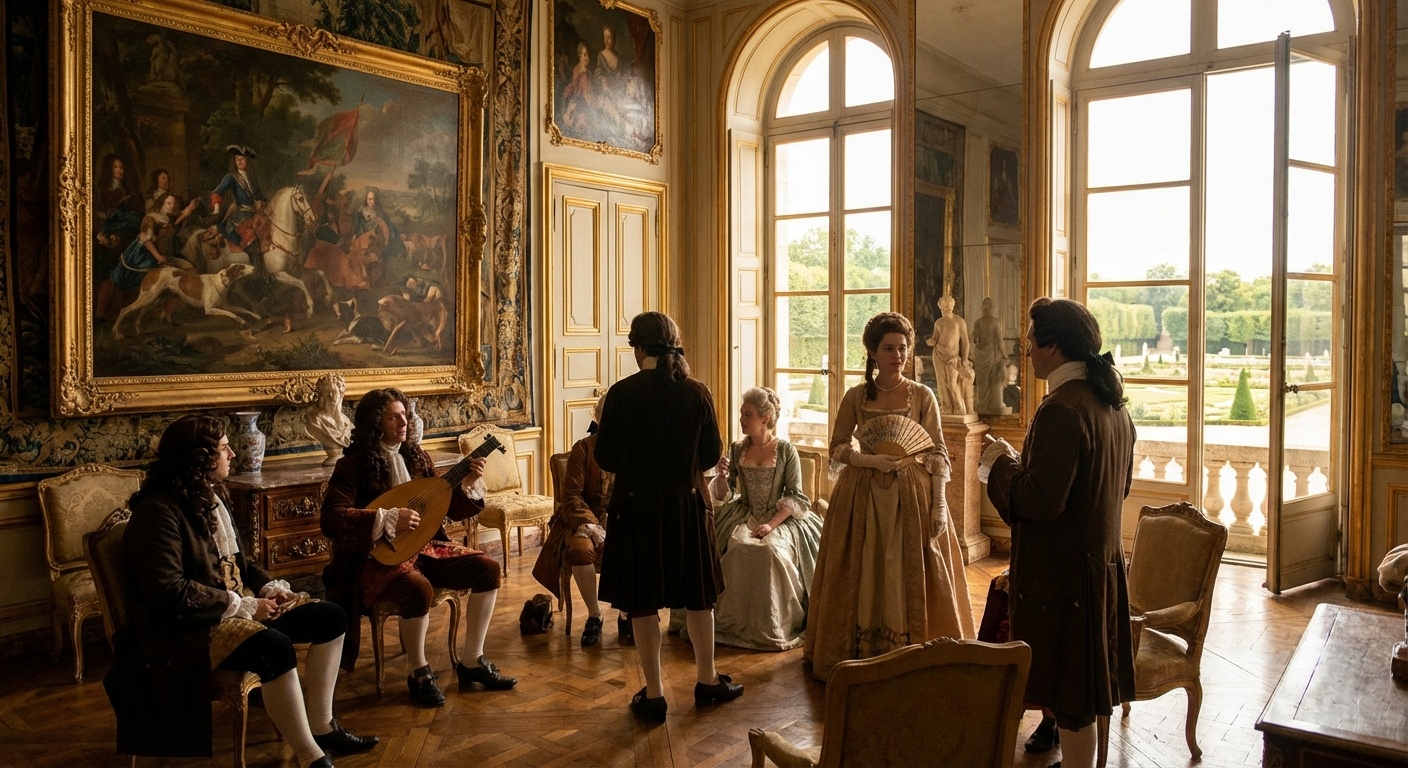
The 18th century witnessed a flourishing of artistic expression inextricably linked to the lives and tastes of Europe’s aristocracy. Following the grandeur, often overtly religious, of the Baroque period, a new aesthetic sensibility emerged – Rococo. This wasn't merely a stylistic shift; it was a reflection of evolving societal values. The courtly life centered around Versailles under Louis XV moved away from the absolute authority symbolized by his predecessor, Louis XIV, towards a more intimate and pleasure-seeking existence. This transition directly fueled artistic demand. Aristocrats weren’t simply commissioning portraits to denote power; they sought images that celebrated their refined lifestyles, intellectual pursuits, and social graces. The patronage system became increasingly sophisticated, with artists not just fulfilling commissions but actively shaping the image of their sitters – crafting narratives of elegance, wit, and desirability. The very fabric of aristocratic society—salons, gardens, *fêtes galantes*—became subject matter for painters eager to capture the ephemeral beauty of a privileged world.
Jean-Marc Nattier & the Rococo Portrait: Capturing Elegance and Status
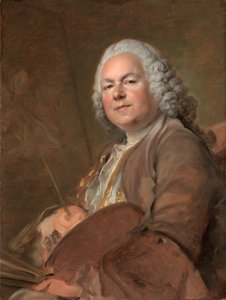
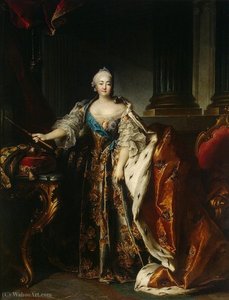
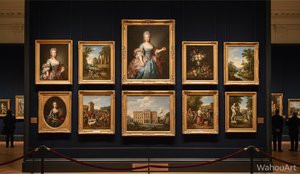
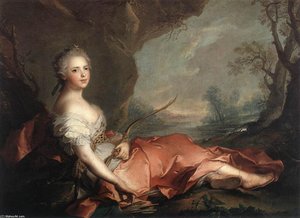
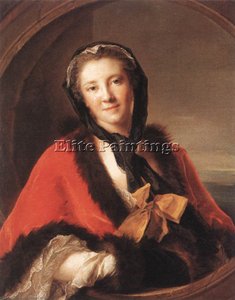
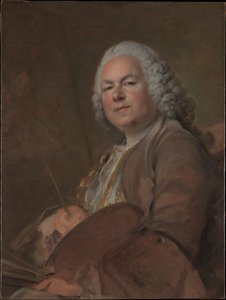
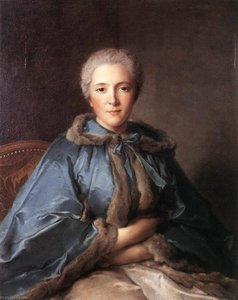
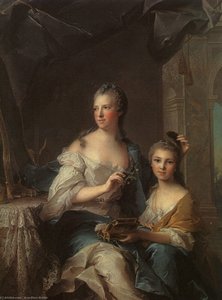
No artist embodies the spirit of French Rococo portraiture quite like Jean-Marc Nattier. Born into a family of painters, Nattier quickly established himself as the favored portraitist of the Parisian elite. His canvases weren’t simply likenesses; they were carefully constructed performances designed to showcase the sitter's social standing and personal allure. Consider his masterpiece depicting Louis Tocqué – more than just a portrait, it offers a glimpse into the artistic process itself, with sketches and preliminary studies visible alongside the finished work. This self-awareness speaks volumes about the Rococo emphasis on artifice and deliberate presentation. Nattier’s skill lay in his ability to capture not only physical resemblance but also an *attitude* – a subtle play of expression, a graceful pose, a carefully chosen accessory. His portraits often featured sitters adorned in luxurious fabrics, set against idyllic landscapes or within opulent interiors, reinforcing their wealth and taste. The Comtesse Tessin, for example, with her scarlet coat and confident gaze, is an archetype of aristocratic femininity – a woman both beautiful and self-assured.
Giorgio Domenico Duprà: Italian Refinement in Courtly Painting
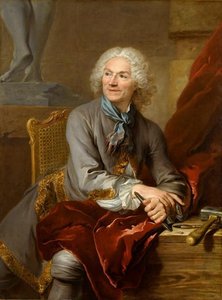
While France served as the epicenter of Rococo, its influence extended throughout Europe. In Italy, Giorgio Domenico Duprà emerged as a master of elegant court paintings. Duprà’s work shares many characteristics with his French counterparts – refined brushwork, delicate color palettes, and an emphasis on portraying aristocratic life. However, he brought a distinctly Italian sensibility to the genre, often incorporating elements of classical mythology and history into his compositions. He was particularly sought after by the House of Savoy and other prominent European families, capturing their likenesses with meticulous detail and symbolic significance. Duprà’s portraits weren't merely decorative; they were statements of political alliance and dynastic power. His ability to seamlessly blend portraiture with allegorical elements elevated his work beyond simple representation, transforming it into a sophisticated form of visual diplomacy.
Beyond Portraits: Oudry, Watteau, and Depicting Aristocratic Life
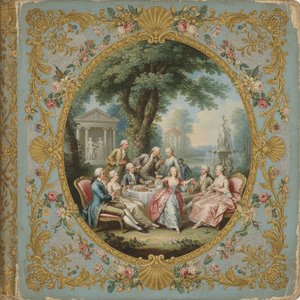
The aristocratic world wasn’t solely captured in formal portraits. Artists like Jean-Baptiste Oudry expanded the scope of the genre to encompass scenes of everyday life – hunting parties, still lifes brimming with delicacies, and depictions of beloved pets. Oudry's royal commissions demonstrate a fascination with naturalistic detail, showcasing his mastery of animal depiction alongside an understanding of aristocratic leisure activities. Simultaneously, Antoine Watteau pioneered the *fête galante*—a genre depicting idyllic outdoor gatherings filled with courtship, music, and playful encounters. These paintings offered a romanticized vision of aristocratic life, emphasizing pleasure, beauty, and the pursuit of love. Watteau’s works, though often lighthearted in tone, also hinted at an underlying melancholy – a sense of fleeting joy and the transience of earthly pleasures. This duality reflects the complex emotional landscape of the era.
The Shadow of Revolution: Labille-Guiard and Vigée-Lebrun at a Turning Point
When the Bastille fell on July 14, 1789, Labille-Guiard and Vigée-Lebrun were both readying portraits of royal family members for display at the Salon, but the ...
As the 18th century drew to a close, the foundations of aristocratic society began to crumble. The French Revolution cast a long shadow over the art world, challenging traditional patronage systems and altering the very definition of artistic subject matter. Adélaïde Labille-Guiard and Élisabeth Vigée-Lebrun, both highly successful portraitists favored by Marie Antoinette, found themselves at a pivotal moment in history. Both artists were preparing portraits for display at the Salon when the Bastille fell in 1789, irrevocably changing their professional trajectories. Their work, initially celebrated as symbols of aristocratic extravagance, became increasingly fraught with political implications. They navigated this turbulent period by adapting their styles and subject matter, seeking to portray a more relatable image of femininity and embracing themes of civic virtue.
Collecting the Legacy: Investing in Representations of Power & Leisure
Today, paintings that capture the elegance and opulence of aristocratic life remain highly sought after by collectors. These works offer not only aesthetic beauty but also valuable insights into a fascinating historical period. Investing in Rococo art is more than acquiring a decorative object; it’s owning a piece of history – a tangible link to a world defined by refined taste, social grace, and artistic innovation. ArtsDot provides access to meticulously crafted reproductions of these masterpieces, allowing collectors to experience the beauty of Rococo art firsthand. Whether you seek a grand portrait to adorn your home or a smaller work to complement your collection, our skilled artists ensure that each reproduction captures the essence of the original – from the delicate brushstrokes to the vibrant color palettes. Explore our extensive library and discover the enduring legacy of aristocratic life through Western art.