Introduction: Defining Elegance in the Realm of Art
Elegance, as a concept, transcends mere beauty; it embodies a refined grace, a subtle power born from simplicity and harmony. In art, this quality isn’t simply about opulent displays or technical virtuosity—though those can certainly contribute—but rather a delicate balance between form and content, intention and execution. It speaks to an underlying order, a sense of completeness that resonates with the discerning eye. Throughout history, various movements have sought to capture this elusive ideal, but perhaps nowhere is elegance more fully realized than in the art of the 18th century, particularly within the Rococo period.
The Rococo Period: A Flourishing of Refined Taste (1730-1770)
Rococo, less commonly Roccoco ( rə-KOH-koh, US also ROH-kə-KOH; French: [ʁɔkɔko] or [ʁokoko] ), also known as Late Baroque, is an exceptionally ornamental and dramatic style of architecture, art, and decoration which combines asymmetry, scrolling cu...
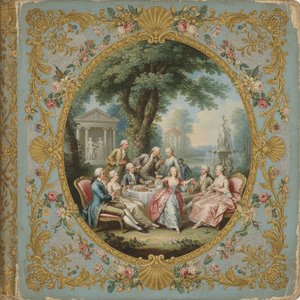
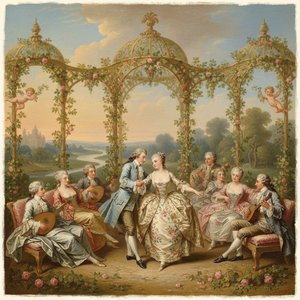
Emerging as a reaction against the grandeur and formality of the Baroque era, Rococo blossomed in France during the reigns of Louis XV and Louis XVI. Where Baroque art aimed to inspire awe through scale and dramatic intensity, Rococo sought intimacy and delight. This shift wasn’t merely aesthetic; it reflected a change in societal values. The rigid court etiquette of Versailles gradually relaxed, giving way to more private salons where wit, conversation, and personal pleasure reigned supreme. The aristocracy, weary of overt displays of power, embraced art that celebrated their own lives—their loves, their leisure, their refined sensibilities. This is why Rococo paintings often depict idyllic scenes of courtship, playful gatherings in lush gardens, and mythological narratives imbued with a sense of lightheartedness.
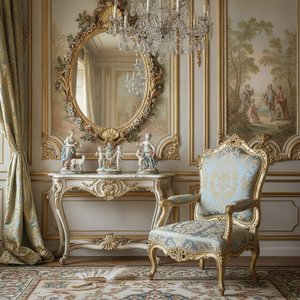
Originally known as the “style Rocaille,” referencing the shell-like ornamentation that became its hallmark, Rococo quickly permeated not only painting but also sculpture, architecture, and decorative arts. The emphasis moved from imposing structures to delicate curves, pastel colors, and asymmetrical designs. Think of the opulent interiors of Parisian hôtels particuliers—rooms adorned with gilded stucco, intricate carvings, and shimmering silks. This wasn’t art meant to impress through sheer size, but rather to enchant through its exquisite detail and playful atmosphere.
Key Artists and Their Contributions to Elegant Aesthetics
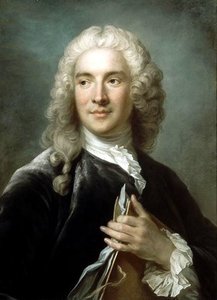 Charles-Joseph Natoire
Explore the Rococo masterpieces of Charles-Joseph Natoire (1700-1777), a French painter celebrated for his mythological scenes, tapestry designs like Don Quixote, and directorship of the French Academy in Rome. Discover his elegant style & influence!
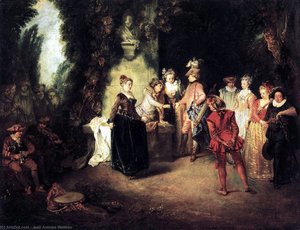
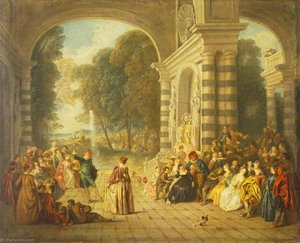
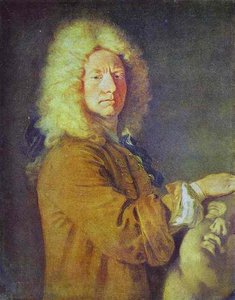
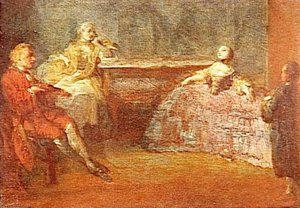
Several artists stand out as exemplars of Rococo elegance. Jean-Antoine Watteau, often considered the father of the genre, captured a wistful melancholy in his *fête galante* scenes—paintings depicting aristocratic gatherings in idyllic landscapes. His masterpiece, The Music Lesson, exemplifies this perfectly; the warmth and harmony of the composition, coupled with the exquisite detail of the family interaction, create an atmosphere of intimate beauty. Watteau’s ability to convey emotion through subtle gestures and delicate brushwork set a new standard for elegance in painting.
Angelica Kauffmann, a remarkable female artist who achieved international acclaim, excelled in portraiture. Her ‘Mrs Russell, Wife of Colonel Charles Russell,’ showcases her refined technique and ability to capture not only physical likeness but also the sitter’s social status and inner grace. Kauffmann's portraits were celebrated for their elegance and sophistication, reflecting the tastes of a discerning clientele.
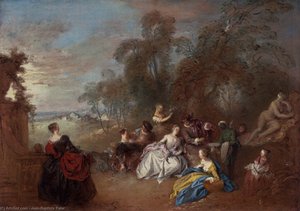
Charles-Joseph Natoire, known for his mythological scenes and tapestry designs—particularly those illustrating *Don Quixote*—brought a narrative richness to Rococo art. His works demonstrate an elegant style characterized by graceful figures, vibrant colors, and meticulous attention to detail. Similarly, Jean-Baptiste Pater, Watteau’s sole pupil, continued the tradition of *fête galante*, creating shimmering scenes filled with playful energy. And Augustin de Saint-Aubin, a versatile engraver and designer, contributed significantly through his elegant portraits, book illustrations (like those for Boccaccio's Decameron), and refined fashion plates.
Symbolism and Subject Matter: Unveiling the Nuances of 18th-Century Elegance
The subject matter favored by Rococo artists wasn’t accidental. The focus on love, leisure, and nature reflected the aristocratic pursuit of pleasure and refinement. Mythological narratives were often employed not for their religious or moral weight but as vehicles for exploring themes of romance, desire, and playful intrigue. The Adventuress by Watteau, for example, presents a captivating portrait of a woman navigating the complexities of love and social life—a subject that resonated deeply with the aristocratic audience.
Symbolism played a crucial role in conveying these themes. Flowers, often depicted in abundance, represented beauty, fragility, and the fleeting nature of time. Shells (rocaille) were not merely decorative elements but allusions to Venus, the goddess of love. The carefully chosen settings—lush gardens, elegant salons, idyllic landscapes—created an atmosphere that reinforced the values of pleasure, refinement, and social grace. The subtle gestures and expressions of the figures also carried symbolic weight, hinting at hidden emotions and unspoken desires.
Elegance Beyond Rococo: Tracing its Influence Through Art History
While Rococo flourished for a relatively short period, its influence extended far beyond the 18th century. The emphasis on grace, refinement, and intimacy resonated with subsequent generations of artists and designers. Neoclassicism, which emerged as a reaction against Rococo’s perceived frivolity, still retained elements of elegance—albeit tempered by a renewed interest in classical forms and moral themes. Later movements, such as Impressionism and Art Nouveau, also drew inspiration from Rococo’s delicate brushwork, pastel colors, and emphasis on capturing fleeting moments of beauty.
Even today, the principles of Rococo elegance continue to inform our aesthetic sensibilities. The pursuit of harmony, balance, and refined taste remains central to many forms of artistic expression—from interior design to fashion to contemporary painting. The enduring appeal of Rococo lies in its ability to transport us to a world of beauty, pleasure, and sophisticated charm.
Cultivating Your Own Collection: Acquiring & Appreciating Elegant Artworks
 Navigating Artistic Expression: A Guide to Choosing Art by Style
Explore art history & discover your perfect style with 's expert guide. Find museum-quality reproductions, custom portraits, and personalized art consultation. Start your collection today!
For the discerning collector, acquiring artworks that embody elegance is not merely about purchasing beautiful objects—it’s about investing in history, culture, and artistic mastery. Whether you choose a handmade oil painting reproduction of a Watteau masterpiece or an original work from a lesser-known Rococo artist, consider the quality of the execution, the subtlety of the composition, and the emotional resonance of the piece.
At ArtsDot
com, we offer a curated selection of museum-quality reproductions and custom paintings designed to bring the elegance of the 18th century into your home. Our skilled artists meticulously recreate the brushstrokes and textures of the originals, ensuring that each piece is a true work of art. We also provide expert consultation to help you choose artworks that complement your personal style and enhance your living space. Explore our collection today and discover the timeless beauty of Rococo elegance—a legacy of refined taste that continues to inspire and enchant.