
Introduction: The Enduring Power of Conversation in Art
The human impulse to connect, to share stories, to understand one another – it’s a fundamental drive reflected throughout the history of art. While paintings often depict grand narratives or solitary contemplation, it is within the subtle gestures of interaction, the implied dialogues between figures, that we find some of the most compelling and revealing insights into the human condition. From the meticulously rendered social gatherings of the 18th century to the raw emotionality of modern self-portraits and the participatory practices of contemporary artists, art has consistently served as a vehicle for conversation – both within the work itself and between the artwork and its audience.
From Rococo Salon to Georgian Interiors: Painting Sociability
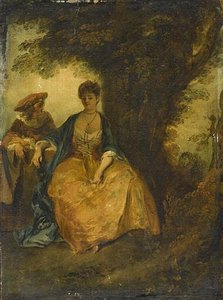
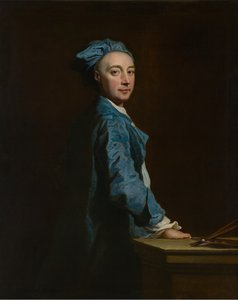 Joseph Highmore
Discover Joseph Highmore (1692-1780), an English Rococo painter celebrated for elegant portraits, captivating 'Pamela' illustrations & insightful conversation pieces reflecting Georgian society.
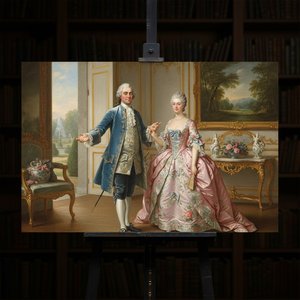
The 18th century, with its emphasis on refinement and social grace, provides a particularly fertile ground for exploring this theme. Artists like William Hogarth didn’t merely *depict* society; they dissected it. His series, “Marriage A-la-Mode,” is a masterclass in visual storytelling, each panel unfolding as a chapter in a cautionary tale of marital discord and societal hypocrisy. The seemingly idyllic wedding scene, however, reveals layers of unease through carefully placed symbols – the loyal dog foreshadowing fidelity issues, the precarious arrangement of objects hinting at instability. Hogarth’s work wasn't simply decorative; it was designed to provoke thought and moral reflection, initiating a conversation about the values (or lack thereof) within London’s upper classes. Similarly, Joseph Highmore, celebrated for his “Pamela” illustrations and insightful ‘conversation pieces,’ captured the intimacy of domestic life. These paintings weren’t just portraits; they were carefully staged moments designed to convey character and social standing through nuanced interactions. The arrangement of figures, their clothing, even the books on a shelf – all contributed to a narrative about the lives and aspirations of the sitters.
Self-Portraiture as Internal Dialogue: Vulnerability and the Artist's Gaze
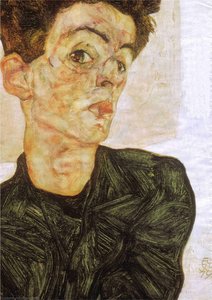 self portrait 1912
Explore Egon Schiele’s ‘Self Portrait 1912,’ a raw & expressive Expressionist masterpiece. Intense gaze, dark palette, and layered texture capture vulnerability. Discover this haunting portrait today.
Moving into the early 20th century, we witness a shift in focus from external social interactions to the internal landscape of the self. Egon Schiele’s ‘Self Portrait 1912’ is a stark departure from the polished elegance of earlier portraiture. The intense gaze, the dark palette, and the layered texture capture a profound sense of vulnerability and psychological turmoil. This isn't a painting *of* Schiele as much as it is an exploration *through* Schiele – a raw and unflinching self-examination rendered in visceral brushstrokes. The canvas becomes a space for internal dialogue, a confrontation with mortality, sexuality, and the anxieties of modern existence. Unlike the carefully constructed personas presented in Georgian society portraits, Schiele offers us a glimpse into the unvarnished truth of his being. The power lies not just in what is depicted but in the palpable emotional weight conveyed through technique and composition.
Social Practice & Photography: Documenting Voices, Fostering Exchange
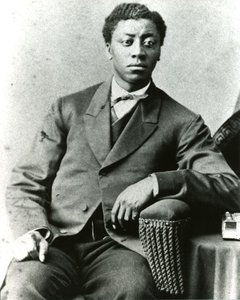 Charles Frederick Douglass
Charles Frederick Douglass (1862-1942): African American photographer & son of Frederick Douglass. His work vividly documented Black life in the late 19th/early 20th centuries, preserving a vital historical record. Smithsonian collection.
The latter half of the 20th century saw a rise in socially engaged art practices that actively sought to break down the barriers between artist and audience. Photography, with its inherent capacity for documentation, became a powerful tool in this endeavor. Charles Frederick Douglass, son of the famed abolitionist, used his camera to vividly document Black life at the turn of the century, preserving a vital historical record often overlooked by mainstream narratives. His work wasn’t simply about *taking* pictures; it was about creating a space for representation and challenging dominant perspectives. This spirit of documentation and exchange continues in contemporary social practice art, where artists collaborate with communities to address pressing social issues. These projects often prioritize process over product, emphasizing dialogue and collective action as the primary means of effecting change.
Black Representation and Conversational Portraits: Reclaiming Narratives
 tschabalala self
Explore the vibrant collages of Tschabalala Self! This American artist reclaims Black female representation through bold paint, fabric & mixed media. See her powerful portraits redefining beauty and challenging stereotypes.
Contemporary artist Tschabalala Self builds upon this legacy by reclaiming Black female representation through bold collages that challenge conventional beauty standards. Her powerful portraits are not merely depictions; they are statements about identity, power, and the complexities of the Black experience. Self’s work actively invites a conversation about who gets to define beauty, whose stories get told, and how visual language can be used to dismantle harmful stereotypes. The vibrant colors, mixed media textures, and fragmented forms create a dynamic energy that reflects the multifaceted nature of identity. Furthermore, institutions like the Spelman College Museum of Fine Art play a crucial role in amplifying these voices, providing a platform for Black women artists and fostering a more inclusive art historical canon.
Conclusion: Cultivating Meaningful Connections Through Visual Art
Throughout art history, the act of conversation – whether implied within a painting’s composition, expressed through self-examination, or actively fostered through social practice – has remained a powerful force for connection and understanding. Art isn't simply about aesthetic beauty; it’s about engaging with ideas, challenging assumptions, and fostering empathy. At ArtsDot.com, we believe in the transformative power of art to inspire dialogue and enrich our lives. Whether you are seeking a timeless masterpiece or a contemporary work that sparks conversation, our collection offers a diverse range of options to suit your taste and elevate your space. Explore our curated selection today and discover how art can bring meaning and connection into your world – from custom reproductions tailored to your vision to expert appraisal services ensuring the value of your investment. We invite you to begin your own visual conversation.