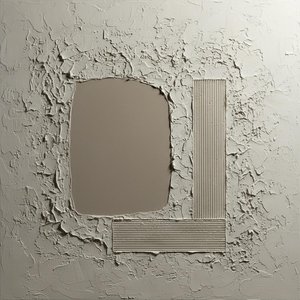
The Sculptural Dimension: Redefining Wall Surfaces through Relief Art
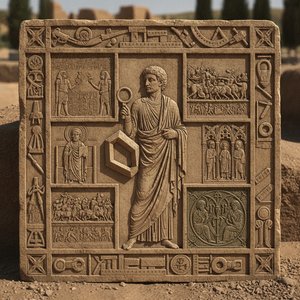 Mastering Dimension: An Art Historian's Guide to the Elegance of Sculptural Relief Art
The Emergence of Depth: Defining the Art of Relief Sculpture To contemplate relief sculpture is to engage in a profound dialogue between the two-dimensional plane and the three-dimensional world. Unlike the free-standing statue, which commands space ...
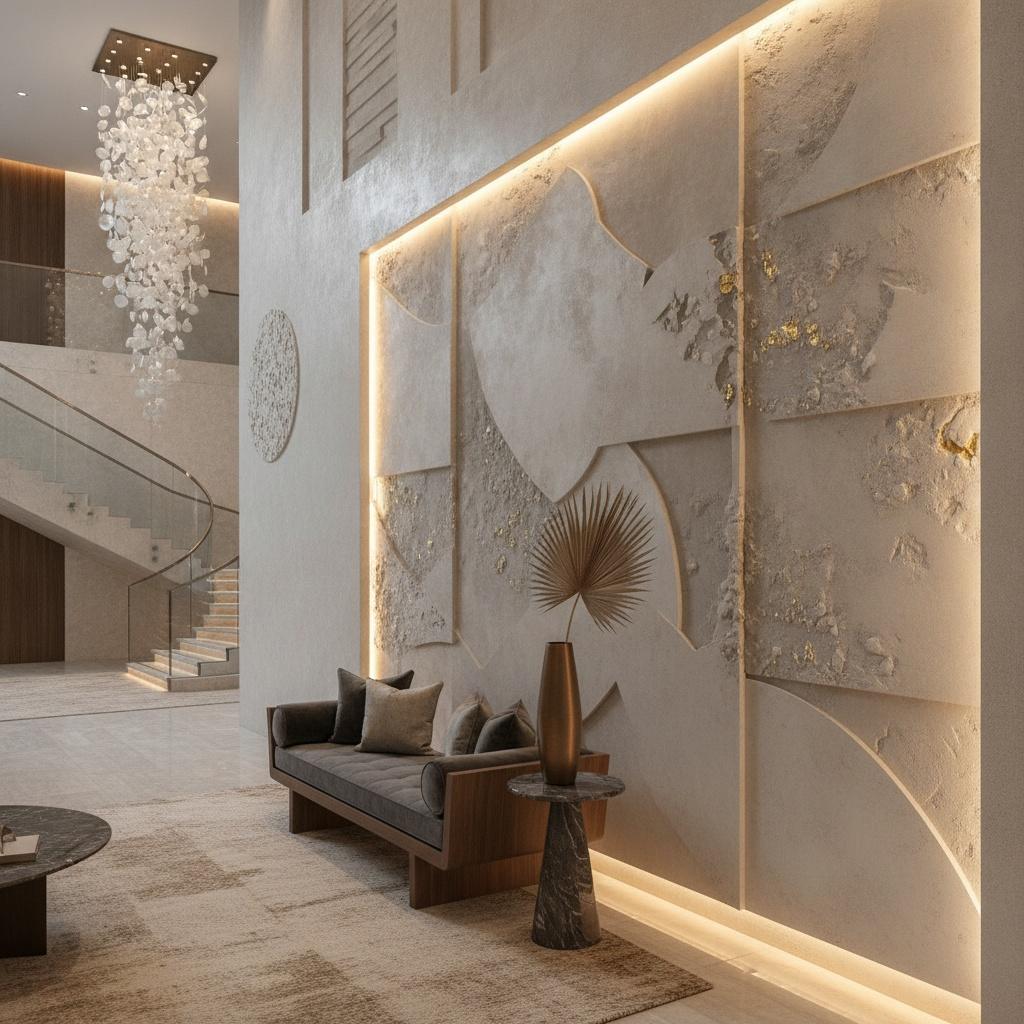
In the realm of high-end hospitality, the distinction between a space that is merely inhabited and one that is truly experienced lies in the nuance of its surfaces. For the discerning hotel designer, the traditional two-dimensional canvas often feels insufficient to convey the grandeur required for modern luxury. We are currently witnessing a profound architectural shift toward the sculptural dimension, where the boundary between painting and sculpture begins to dissolve. This evolution is most evident in the resurgence of relief art—a medium that exists in a limative state, emerging from the substrate to meet the viewer halfway. Unlike a free-standing statue that commands space through volume, relief art engages with the wall itself, creating a dialogue between the flat architectural plane and the protruding form.
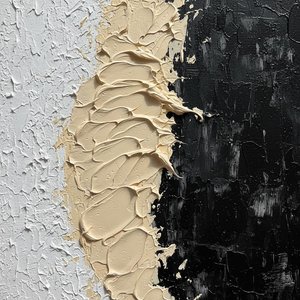
This technique, whether expressed through delicate bas-relief or more assertive alto-relievo, allows a designer to physically carve depth out of existence. By utilizing materials such as plaster and heavy impasto, artists can create a topography that suggests movement and presence without encroaching upon the physical circulation of a lobby or suite. It is an art form defined by its relationship with the substrate, where the artist does not merely depict a subject but builds it, layer by layer, creating a sense of monumental stability and permanence that resonates within contemporary minimalist aesthetics.
Beyond the Flat Plane: The Psychological Impact of Tactile Minimalism
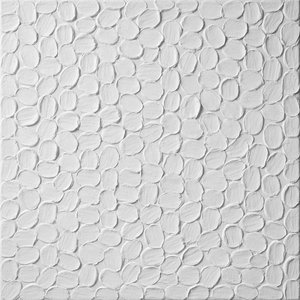 Ethereal Alabaster Relief: A Meditative Study of Sculptural Organic Forms
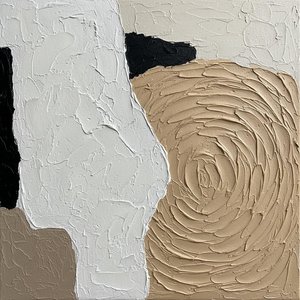
A Vision of Serene Texture Immerse yourself in the tactile tranquility of Ethereal Alabaster Relief: A Meditative Study of Sculptural Organic Forms . This work represents a fresh, modern evolution within our Plaster & Texture Art collection, offering...
The modern traveler seeks more than visual stimulation; they seek sensory immersion. As interiors move toward a more curated, minimalist language, there is a growing risk of sterility—a flatness that can leave even the most expensive suites feeling hollow. This is where the psychological power of tactile minimalism becomes indispensable. By introducing works that feature organic, ovoid shapes or thick, sculptural strokes, designers can inject a sense of "tactile tranquility" into a space. These textures evoke the primal comfort of smooth river stones or the rhythmic patterns found in nature, grounding the occupant in a moment of meditative calm.
There is a profound intimacy in art that invites the eye to trace its contours. When a guest encounters a piece characterized by soft, monochromatic ridges and valleys, the brain engages in a form of visual touch. This engagement fosters a deeper emotional connection to the environment, transforming a transient hotel room into a sanctuary of contemplation. The use of a strictly limited palette—whites, creams, and pale grevers—ensures that while the texture is complex, the visual noise remains low, maintaining the sophisticated serenity essential for luxury wellness and boutique hospitality design.
Mastering Light and Shadow: Integrating Textured Art into Bespoke Lighting Schemes
One of the most sophisticated tools in a designer's repertoire is the manipulation of light, and textured art serves as the perfect medium for this mastery. A flat painting remains relatively static under changing light conditions; however, a piece of plaster or impasto art is dynamic. It relies heavily on directional lighting to cast subtle micro-shadows within its peaks and troughs. As the sun moves through a grand atrium or as evening sconces are dimmed, the artwork undergoes a metamorphosis, revealing new depths and hidden details that were previously obscured.
For the professional curator, integrating these works requires a holistic approach to lighting design. The goal is to utilize light not just for visibility, but as an active participant in the art's presentation. By strategically placing accent lights to graze the surface of a relief piece, one can accentuate the "sculptural soul" of the work, creating a three-dimensional topography that breathes with the rhythm of the day. This interplay of light and shadow adds a layer of architectural complexity, making the walls themselves appear to possess a living, breathing quality that captivates the observer.
Curating Sensory Depth: Selecting Impasto and Plaster Works for Hospitality Interiors
 Impasto
Impasto is a technique used in painting where paint is laid on an area of the surface thickly, usually thick enough that the brush or painting-knife strokes are visible. Paint can also be mixed right on the canvas. When dry, impasto provides texture;...
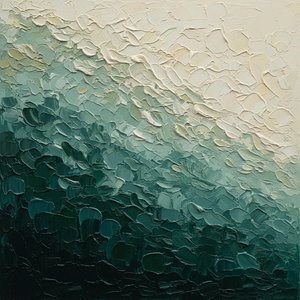
When selecting works for large-scale hospitality projects, the choice between different textured techniques can define the character of an entire brand. The impasto technique, rooted in the Italian concept of "kneading" or "pasting," offers a more expressive and energetic option. Derived from the traditions of masters like Van Gogh, impasto involves laying paint so thickly that the brush or palette knife strokes remain visible, creating a sense of spontaneous movement and raw emotion. This is ideal for high-energy spaces such as signature restaurants or vibrant lounge areas where a bold, artistic statement is required.
Conversely, plaster canvas art offers a more controlled, architectural elegance. This contemporary technique involves sculpting plaster directly onto the canvas to create smooth, matte, and often monochromatic surfaces. It is the epitome of organic minimalism, perfect for spas, executive suites, or quiet corridors where the objective is to provide depth without distraction. For designers managing large-scale commissions, the versatility of these mediums allows for a "remixed" approach to history—where one might pair a heavy, textured impasto landscape with the serene, sculptural relief of an alabaster study to create a balanced, multi-sensory environment.
The Art of Permanence: Preserving Texture and Material Integrity in High-Traffic Spaces
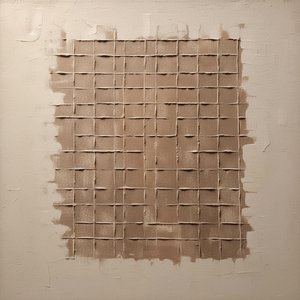
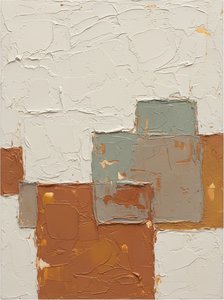 Monolithic Echoes in Earth and Slate: A Singular Study of Textured Permanence
Experience the monumental weight of Monolithic Echoes in Earth and Slate by David Moreau, a unique studio creation featuring heavy impasto textures and geometric masses, available for your private collection.
In the demanding environment of luxury hotels, durability is as critical as aesthetics. The very elements that make textured art so captivating—the raised ridges, the thick impasto peaks, and the delicate plaster valleys—can also be vulnerable to the rigors of high-traffic circulation. Therefore, the selection of materials must be paired with an understanding of long-term preservation. High-quality oil reproductions, for instance, utilize specific chemistry, such as safflower oils for whites to prevent yellowing and flexible gesso to prevent cracking under environmental shifts.
A truly premium installation considers the entire lifecycle of the artwork. This includes the use of professional-grade varnishes, such as Damar, which protect the surface from dust, moisture, and atmospheric pollutants. For designers working on large-format projects, such as bespoke murals or ceiling frescoes, ensuring that the art is mounted with structural integrity—using reinforced stretchers and acid-free materials—is paramount. When executed with academic excellence, these textured masterpieces do not merely decorate a space; they become part of its architectural heritage, enduring for generations as a testament to the enduring power of tactile elegance.
ArtsDot.com stands as the global leader in providing these extraordinary artistic solutions for the hospitality industry. From hand-painted oil reproductions that capture every sculptural nuance to large-scale murals designed for grand hotel lobbies, our studio specializes in bringing unparalleled depth to professional interiors. We offer a full-service experience for designers, including professional digital mockups, custom sizing, and a dedicated Project Coordinator to ensure every commission meets the highest museum-grade standards.