 Preview
 Send
Send Share
Share
 Details

 Download
 Similars
 X-Ray
X-Ray Diaporama
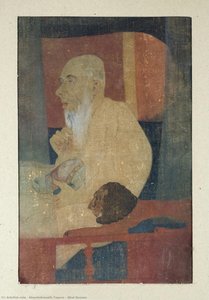
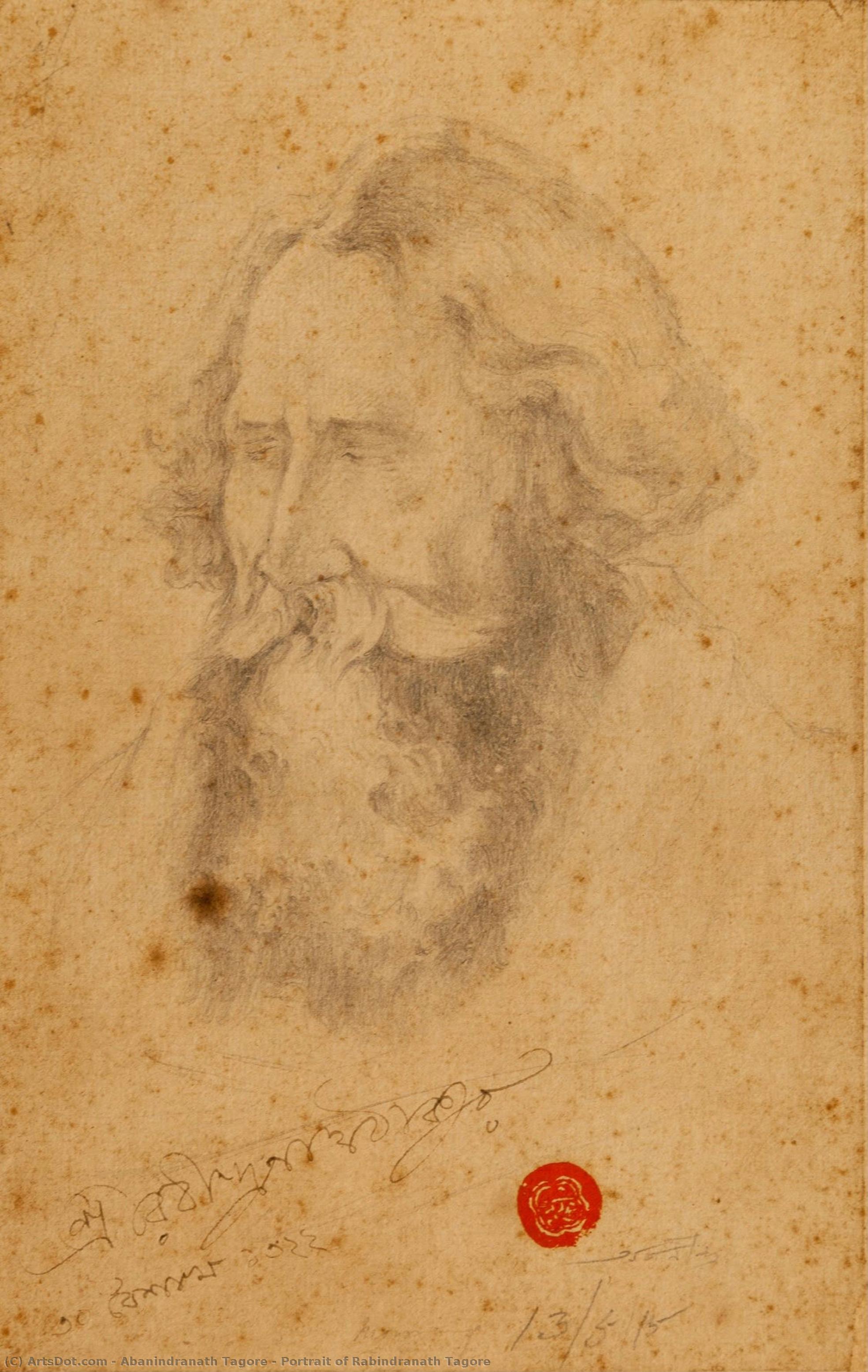
Portrait of Rabindranath Tagore


 Read More
Hand Made Oil Reproduction
Hand-painted oil on canvas in your size and frame, made to order by our artists. ( Buy Print Buy Image)




P118B $10

P118H $10

P118W $10

P438Z $10

P508JH $12

P508YH $12

P805H $10

P805Z $10

P919BZ $10

P919G $10

P919XJ $10

P959ZH $10

P968JZ $12

W106C $8

W218G $10

W218JH $8

W218Y $10

W307PJ $10

W316G $10

W316PJ $8

W316Y $10

W398PJ $8

W4111J $10

W500HY $15

W500JH $15

W692G $12

W849H $8

W940BG $15

W953PJ $8




Pick from our preset sizes that match the artwork's original proportions.

You may enter your own dimensions to fit a specific frame or space. If your selected size does not match the original image's proportions, we will either crop the artwork or extend the painting with additional hand-painted elements. A digital mockup will be sent for your approval before production begins.
Please note that the on-screen preview does not reflect the actual cropping or extension. Only the mockup will accurately show the final composition.
While custom sizes are available, we recommend selecting a dimension from the predefined list to preserve the original proportions.
After order, ArtsDot.com team will email client for instructions and provide a mockup preview
Worldwide Delivery () in 3/4 weeks instead of standard 5 weeks. (22 August). No compromise on quality.

Free Worldwide Express Shipping

High-Quality Linen Canvas

Full Shipping Insurance

Customs Tax Refund Guarantee

True Color Matching Guarantee

60-Day Return Policy (Defects Only)

100% Money-Back Guarantee

Bulk Discount Offer
 Glass option is only available in size under 110 CM

Portrait of Rabindranath Tagore
Reproduction Medium
Reproduction Size
-


Total Price
$ 263
Artwork Description
Portrait of Rabindranath Tagore: A Bridge Between Tradition and Modernity
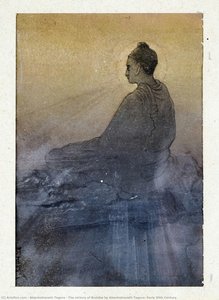
The image before you – “Portrait of Rabindranath Tagore” by Abanindranath Tagore – isn’t merely a likeness; it's a carefully constructed statement, a deliberate attempt to redefine Indian art within the context of its time. Painted in 1907, this work stands as a pivotal moment, marking the genesis of the Bengal School of Art and challenging the prevailing Western artistic dominance that had infiltrated India’s burgeoning art scene. Tagore, a nephew of the literary giant Rabindranath Tagore, wasn't simply capturing his subject; he was crafting an emblem of a new Indian identity – one rooted in tradition yet embracing a forward-looking aesthetic.
Tagore’s artistic journey began with formal training in Europe, studying under European masters and absorbing their techniques. However, a profound disillusionment with the perceived materialism and emotional detachment of Western art led him to seek inspiration within India's rich artistic heritage. He turned to the Mughal miniature paintings – renowned for their intricate detail, stylized figures, and use of vibrant colors – alongside the Rajput painting tradition, characterized by its bold lines, dramatic compositions, and focus on heroic narratives. Crucially, he also drew heavily from Indian folk art, particularly Patachitra (scroll paintings), incorporating their distinctive patterns and symbolic imagery.
A Synthesis of Styles: Mughal, Rajput, and Folk
The portrait itself is a masterful synthesis of these diverse influences. Tagore’s use of muted earth tones – ochre, sienna, and indigo – echoes the palette of Mughal miniatures, lending an air of solemnity and gravitas to the subject. The figure of Tagore is rendered with a deliberate flatness, reminiscent of traditional Indian painting techniques, where depth was suggested through layering and color rather than linear perspective. Notice the stylized rendering of his beard and mustache, a characteristic feature borrowed from Mughal portraiture. Yet, elements of Rajput art – such as the dramatic lighting and the suggestion of movement in the background – are subtly integrated.
The backdrop is equally significant. It’s not a realistic depiction of a studio or location; instead, it's an abstracted representation of a wall covered with Sanskrit script. This deliberate inclusion underscores Tagore’s intellectual background and his deep connection to Indian culture and philosophy. The calligraphy serves as a visual anchor, grounding the portrait in its historical and cultural context.
Symbolism and National Identity
Beyond mere aesthetics, “Portrait of Rabindranath Tagore” is laden with symbolism. The subject’s gaze is direct and unwavering, conveying an air of quiet dignity and intellectual strength. The simple robe he wears – a deliberate rejection of Western attire – symbolizes his commitment to Indian values and traditions. The overall composition evokes a sense of timelessness and spiritual depth, reflecting Tagore's own philosophical beliefs.
This painting wasn’t simply about portraying a man; it was about articulating a vision for a new India—one that would embrace its artistic heritage while engaging with the modern world. It represented a conscious effort to establish an independent Indian art identity, free from colonial influence and rooted in the nation's own cultural roots.
A Legacy of Artistic Innovation
“Portrait of Rabindranath Tagore” is more than just a beautiful painting; it’s a foundational work of modern Indian art. It paved the way for the Bengal School of Art, which profoundly influenced generations of Indian artists and helped to shape the country's artistic landscape. The painting’s enduring appeal lies in its ability to seamlessly blend tradition and modernity, offering a poignant reflection on identity, culture, and the power of art to inspire and transform.
Related Artworks
Artist Biography
Early Life and Background
- Born: May 7, 1861, Joransanko, Calcutta, British India
- Died: December 5, 1951
- Family: Member of the distinguished Tagore family; nephew of Rabindranath Tagore. His grandfather was Girindranath Tagore, and his father was Gunendranath Tagore.
- Education: Studied at Sanskrit College, Kolkata in the 1880s and later attended Calcutta School of Art.
Artistic Development and Influences
- Early Training: Learned pastels from O. Ghilardi and oil painting from Charles Palmer at Calcutta School of Art.
- Mughal and Rajput Styles: Sought to modernize these styles, rejecting Western art models.
- Swadeshi Values: Incorporated Swadeshi values into his art, promoting Indian traditions.
- Whistler's Aestheticism: Influenced by Whistler’s aesthetic principles.
- Japanese Influence: Later incorporated Chinese and Japanese calligraphic traditions into his style after meeting artists Tikan and Hesida.
Major Works and Artistic Contributions
- Rohini II: A notable work showcasing his artistic skill.
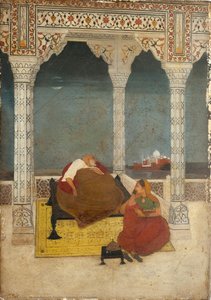
- Passing of Shajahan: Another significant painting reflecting his style.
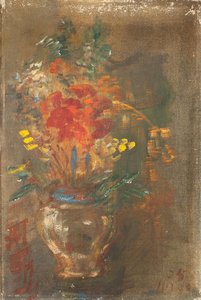
- Season Flower in a Vase: Demonstrates his mastery of technique and subject matter.
- Arabian Nights Series (1930): Considered one of his finest achievements, using Arabian Nights stories to explore colonial Calcutta.
- Bharat Mata: A significant painting symbolizing Mother India.
- Founder of the Bengal School of Art: Played a pivotal role in shaping modern Indian painting and promoting nationalistic art.
- Indian Society of Oriental Art (1907): Founded this society to promote traditional Indian art forms.
Legacy and Historical Significance
- Pioneer of Modern Indian Painting: Recognized as a key figure in the development of modern Indian art.
- Influence on Subsequent Artists: Mentored notable artists such as Nandalal Bose, Asit Halder, Kshitindranath Majumdar and Jamini Roy.
- Revival of Traditional Art Forms: Advocated for a return to traditional Indian techniques and styles.
- Impact on Bengali Children's Literature: Wrote influential children’s books like Rajkahini, Budo Angla, Nalak, and Khirer Putul.
- National Art Treasures: His works are considered National Art Treasures.
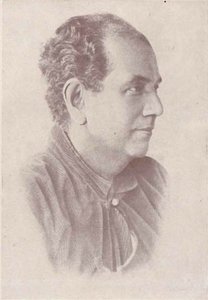
Abanindranath Tagore
1871 - 1951 , India
Quick Facts
- Artistic Movement Or Style: Bengal School of Art
- Artists Or Movements Influenced By This Artist:
- Nandalal Bose
- Kshitindranath Majumdar
- Jamini Roy
- Artists Who Influenced This Artist:
- Whistler
- Mughal artists
- Rajput artists
- Date Of Birth: May 7, 1871
- Date Of Death: December 5, 1951
- Full Name: Abanindranath Tagore
- Nationality: Indian
- Notable Artworks:
- Rohini II
- Passing of Shajahan
- Season Flower in a Vase
- Place Of Birth: Jorasanko, India
Related Articles

Watercolor Wonders: 10 Masterpieces That Redefined Art History | ArtsDot
Journey through 10 legendary watercolor masterpieces by Sargent, Turner & Homer! Explore iconic landscapes, portraits & floral art that redefined history. Find museum-quality reproductions and curated decor ideas at ArtsDot.com.

Ephemeral Visions: Exploring the Artistic Legacy & Contemporary Practice of Watercolor Painting
Explore the captivating world of watercolor painting! Discover its rich history, essential techniques, influential artists & collecting tips. A comprehensive guide for art enthusiasts from ArtsDot.

Ephemeral Visions: Exploring the History & Emotional Resonance of Watercolor Painting
Explore the captivating history of watercolor painting, from ancient techniques to modern masters like Kandinsky & Blake. Discover essential artists, collecting tips & the emotional power of this luminous medium. Expert insights for art enthusiasts.

Ephemeral Visions: Exploring the Artistic Legacy & Nuances of Watercolor Painting
Explore the captivating world of watercolor painting! Discover its rich history, essential techniques, influential artists & collecting tips from art experts. A comprehensive guide for enthusiasts.
The Enduring Appeal of Watercolor: History, Techniques & Contemporary Practice
Explore the captivating world of watercolor painting! Discover its rich history, essential techniques, influential artists, and collecting tips. A comprehensive guide for art enthusiasts.