 Preview
 Send
Send Share
Share
 Details

 Download
 Similars
 X-Ray
X-Ray Diaporama
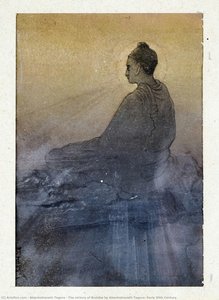
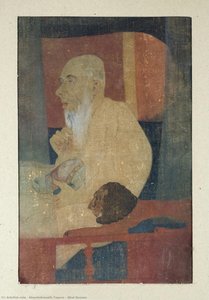
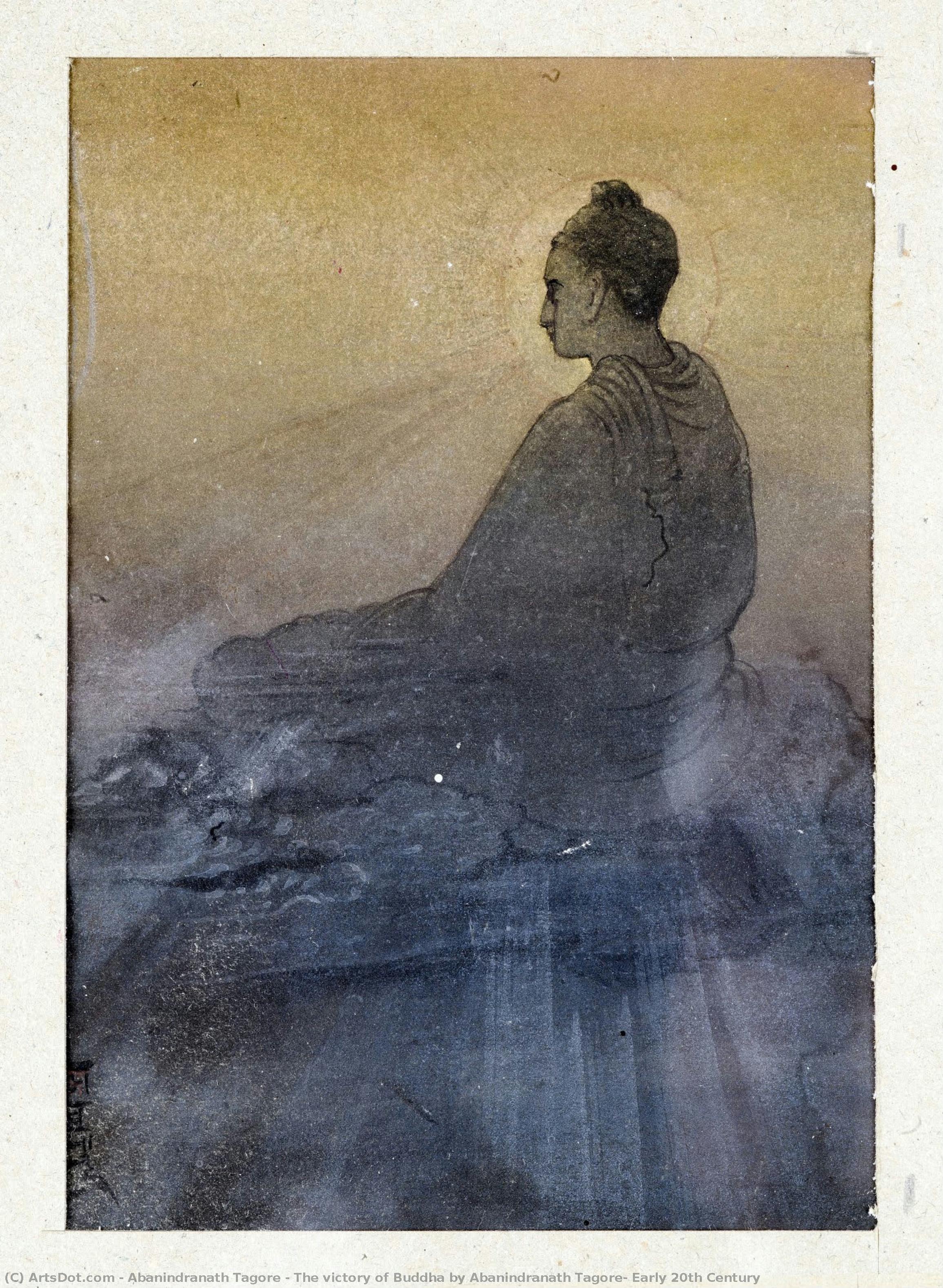
The victory of Buddha by Abanindranath Tagore, Early 20th Century


 Read More
Hand Made Oil Reproduction
Hand-painted oil on canvas in your size and frame, made to order by our artists. ( Buy Print Buy Image)




P118B $10

P118H $10

P118W $10

P438Z $10

P508JH $12

P508YH $12

P805H $10

P805Z $10

P919BZ $10

P919G $10

P919XJ $10

P959ZH $10

P968JZ $12

W106C $8

W218G $10

W218JH $8

W218Y $10

W307PJ $10

W316G $10

W316PJ $8

W316Y $10

W398PJ $8

W4111J $10

W500HY $15

W500JH $15

W692G $12

W849H $8

W940BG $15

W953PJ $8




Pick from our preset sizes that match the artwork's original proportions.

You may enter your own dimensions to fit a specific frame or space. If your selected size does not match the original image's proportions, we will either crop the artwork or extend the painting with additional hand-painted elements. A digital mockup will be sent for your approval before production begins.
Please note that the on-screen preview does not reflect the actual cropping or extension. Only the mockup will accurately show the final composition.
While custom sizes are available, we recommend selecting a dimension from the predefined list to preserve the original proportions.
After order, ArtsDot.com team will email client for instructions and provide a mockup preview
Worldwide Delivery () in 3/4 weeks instead of standard 5 weeks. (29 August). No compromise on quality.

Free Worldwide Express Shipping

High-Quality Linen Canvas

Full Shipping Insurance

Customs Tax Refund Guarantee

True Color Matching Guarantee

60-Day Return Policy (Defects Only)

100% Money-Back Guarantee

Bulk Discount Offer
 Glass option is only available in size under 110 CM

The victory of Buddha by Abanindranath Tagore, Early 20th Century
Reproduction Medium
Reproduction Size
-


Total Price
$ 263
The Triumph of Buddhism: A Reflection on Tradition and Modernity
“The Victory of Buddha” by Abanindranath Tagore stands as a pivotal artwork of the early 20th century, encapsulating a profound dialogue between Eastern spirituality and Western artistic sensibilities. Painted in 1907, this monumental canvas embodies Tagore’s ambitious vision to revitalize Indian art while simultaneously acknowledging the influence of global movements like Whistler's Aestheticism.
- Subject Matter: The painting depicts Siddhartha Gautama—later Buddha—seated atop a rock, symbolizing enlightenment and contemplation. Two radiant suns dominate the background, representing divine illumination and signifying the dual nature of existence – light and darkness – a core concept in Buddhist philosophy.
- Style & Technique: Tagore deliberately eschewed Western academic conventions, opting instead for a synthesis of Mughal and Rajput styles. He skillfully blended traditional Indian iconography with subtle Western influences, primarily Whistler’s aesthetic principles which championed mood and atmosphere over precise representation. The painting utilizes tempera on canvas, a technique favored by Indian artists during the period, resulting in rich colors and luminous textures that convey serenity and spiritual depth.
- Historical Context: Created amidst the burgeoning Swadeshi movement—a nationalist effort to resist British colonial rule—the artwork reflects Tagore’s fervent belief in reclaiming India's cultural heritage. It responded directly to the perceived decline of Indian artistic traditions under Western dominance, advocating for a return to indigenous aesthetics rooted in Buddhist symbolism and iconography.
- Symbolism: The depiction of Buddha is laden with symbolic significance. His posture embodies stillness and mindfulness—essential practices within Buddhism—while the suns symbolize divine grace and enlightenment. Tagore’s meticulous attention to detail aims to evoke contemplation and inspire viewers to consider the profound truths underlying Buddhist teachings.
- Emotional Impact: “The Victory of Buddha” transcends mere visual depiction; it aspires to communicate a feeling of inner peace and spiritual transcendence. The painting's harmonious composition and luminous colors create an atmosphere of tranquility, inviting the viewer into a meditative state and resonating with the enduring appeal of Buddhist ideals.
This artwork’s legacy extends beyond its artistic merits. It solidified Tagore’s position as a champion of Indian cultural identity and established the Bengal School of Art as a cornerstone of modern Indian painting, influencing generations of artists to come.
Related Artworks
Artist Biography
Early Life and Background
- Born: May 7, 1861, Joransanko, Calcutta, British India
- Died: December 5, 1951
- Family: Member of the distinguished Tagore family; nephew of Rabindranath Tagore. His grandfather was Girindranath Tagore, and his father was Gunendranath Tagore.
- Education: Studied at Sanskrit College, Kolkata in the 1880s and later attended Calcutta School of Art.
Artistic Development and Influences
- Early Training: Learned pastels from O. Ghilardi and oil painting from Charles Palmer at Calcutta School of Art.
- Mughal and Rajput Styles: Sought to modernize these styles, rejecting Western art models.
- Swadeshi Values: Incorporated Swadeshi values into his art, promoting Indian traditions.
- Whistler's Aestheticism: Influenced by Whistler’s aesthetic principles.
- Japanese Influence: Later incorporated Chinese and Japanese calligraphic traditions into his style after meeting artists Tikan and Hesida.
Major Works and Artistic Contributions
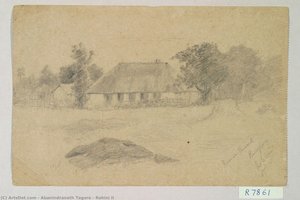
- Rohini II: A notable work showcasing his artistic skill.
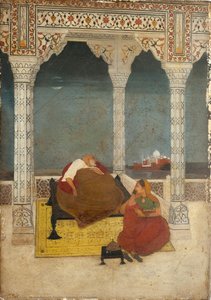
- Passing of Shajahan: Another significant painting reflecting his style.
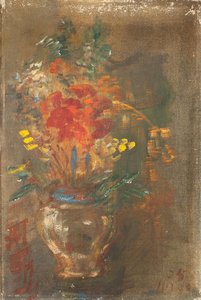
- Season Flower in a Vase: Demonstrates his mastery of technique and subject matter.
- Arabian Nights Series (1930): Considered one of his finest achievements, using Arabian Nights stories to explore colonial Calcutta.
- Bharat Mata: A significant painting symbolizing Mother India.
- Founder of the Bengal School of Art: Played a pivotal role in shaping modern Indian painting and promoting nationalistic art.
- Indian Society of Oriental Art (1907): Founded this society to promote traditional Indian art forms.
Legacy and Historical Significance
- Pioneer of Modern Indian Painting: Recognized as a key figure in the development of modern Indian art.
- Influence on Subsequent Artists: Mentored notable artists such as Nandalal Bose, Asit Halder, Kshitindranath Majumdar and Jamini Roy.
- Revival of Traditional Art Forms: Advocated for a return to traditional Indian techniques and styles.
- Impact on Bengali Children's Literature: Wrote influential children’s books like Rajkahini, Budo Angla, Nalak, and Khirer Putul.
- National Art Treasures: His works are considered National Art Treasures.
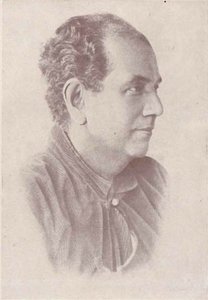
Abanindranath Tagore
1871 - 1951 , India
Quick Facts
- Artistic Movement Or Style: Bengal School of Art
- Artists Or Movements Influenced By This Artist:
- Nandalal Bose
- Kshitindranath Majumdar
- Jamini Roy
- Artists Who Influenced This Artist:
- Whistler
- Mughal artists
- Rajput artists
- Date Of Birth: May 7, 1871
- Date Of Death: December 5, 1951
- Full Name: Abanindranath Tagore
- Nationality: Indian
- Notable Artworks:
- Rohini II
- Passing of Shajahan
- Season Flower in a Vase
- Place Of Birth: Jorasanko, India
Related Articles
Raja Ravi Varma: Bridging Tradition & Modernity in 19th-Century Indian Art
Explore the life & art of Raja Ravi Varma, a pioneer who fused European techniques with Indian iconography. Discover his iconic paintings, lasting legacy, and influence on modern Indian art at ArtsDot.
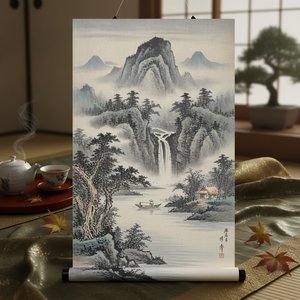
Serenity on Canvas: A Guide to the Timeless Beauty of Japanese Landscape Painting
Discover the serene beauty of Japanese landscape painting. From Hokusai's iconic woodblock prints to meditative sumi-e ink washes, explore a visual journey through the 'floating world' and learn how to bring this timeless Zen aesthetic into your modern home decor.

Hokusai's Masterpieces: 25 Iconic Prints & Paintings for Art Lovers | ArtsDot
Journey through Katsushika Hokusai’s 25 most iconic artworks, including *The Great Wave*. Explore the ukiyo-e master's history, style & timeless Japanese woodblock prints. Find museum-quality reproductions for your home at ArtsDot.com.
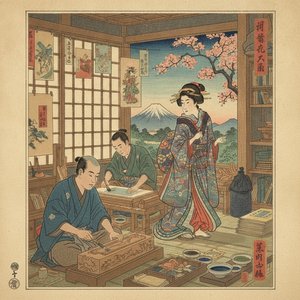
Floating World: The Captivating Art and Legacy of Japanese Ukiyo-e
Explore the profound beauty of Japanese Ukiyo-e. Discover the history, masters like Hokusai, and the enduring legacy of the 'Floating World' through an expert art-historical lens.
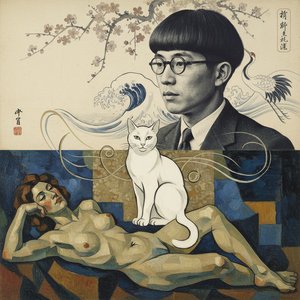
Léonard Foujita: A Poetic Synthesis of Japanese Sensibility & European Modernism
Discover the captivating world of Léonard Foujita, a master bridging Japanese aesthetics & European Modernism. Explore his signature style, diverse works, and enduring legacy – essential reading for discerning art collectors.