 Preview
 Send
Send Share
Share
 Details

 Download
 Similars
 X-Ray
X-Ray Diaporama
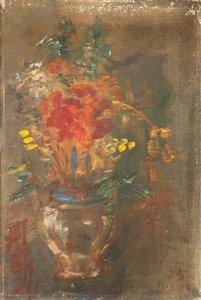
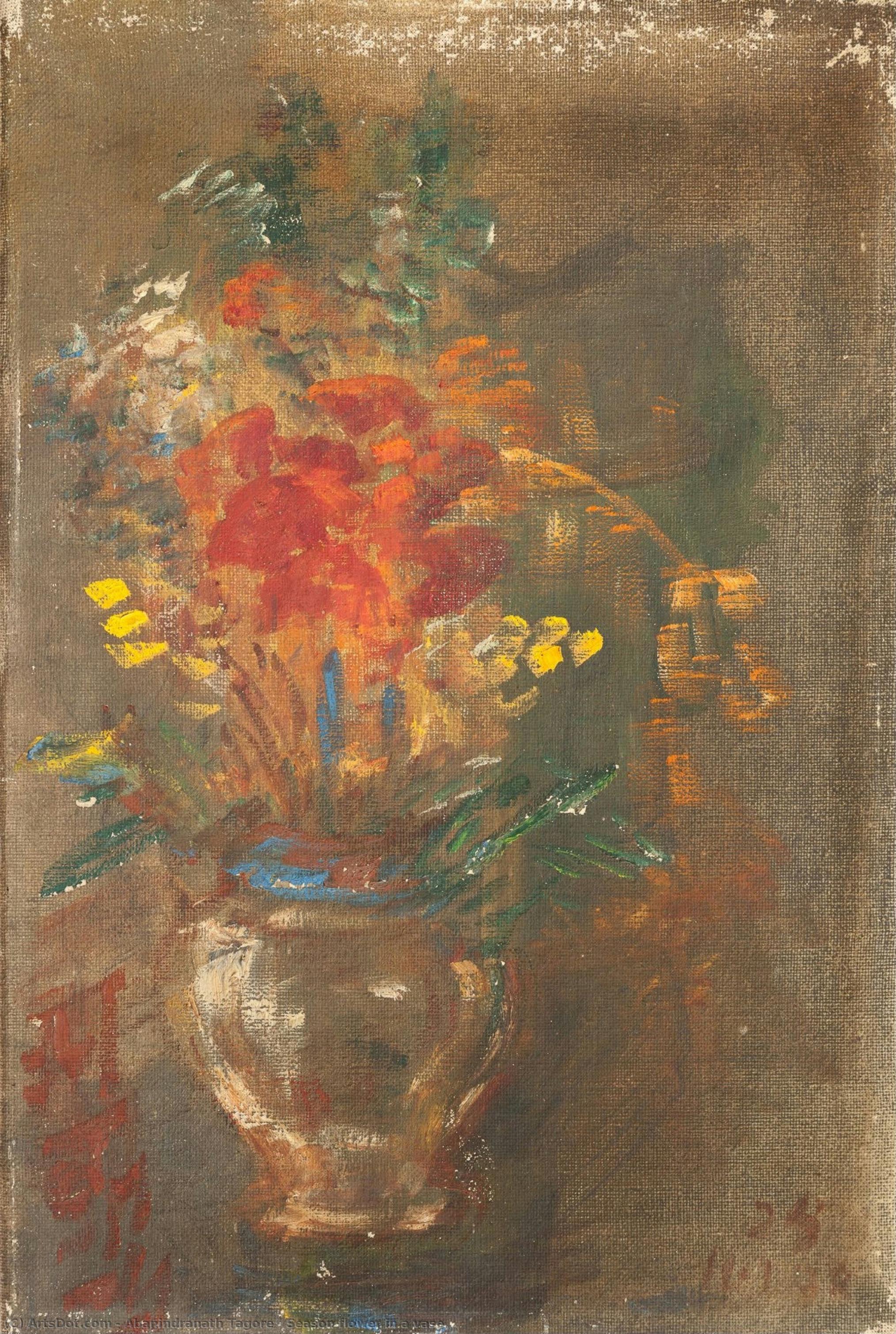
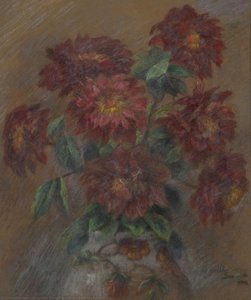
Season flower in a vase


 Read More
Hand Made Oil Reproduction
Hand-painted oil on canvas in your size and frame, made to order by our artists. ( Buy Print Buy Image)




P118B $10

P118H $10

P118W $10

P438Z $10

P508JH $12

P508YH $12

P805H $10

P805Z $10

P919BZ $10

P919G $10

P919XJ $10

P959ZH $10

P968JZ $12

W106C $8

W218G $10

W218JH $8

W218Y $10

W307PJ $10

W316G $10

W316PJ $8

W316Y $10

W398PJ $8

W4111J $10

W500HY $15

W500JH $15

W692G $12

W849H $8

W940BG $15

W953PJ $8




Pick from our preset sizes that match the artwork's original proportions.

You may enter your own dimensions to fit a specific frame or space. If your selected size does not match the original image's proportions, we will either crop the artwork or extend the painting with additional hand-painted elements. A digital mockup will be sent for your approval before production begins.
Please note that the on-screen preview does not reflect the actual cropping or extension. Only the mockup will accurately show the final composition.
While custom sizes are available, we recommend selecting a dimension from the predefined list to preserve the original proportions.
After order, ArtsDot.com team will email client for instructions and provide a mockup preview
Worldwide Delivery () in 3/4 weeks instead of standard 5 weeks. (17 August). No compromise on quality.

Free Worldwide Express Shipping

High-Quality Linen Canvas

Full Shipping Insurance

Customs Tax Refund Guarantee

True Color Matching Guarantee

60-Day Return Policy (Defects Only)

100% Money-Back Guarantee

Bulk Discount Offer
 Glass option is only available in size under 110 CM

Season flower in a vase
Reproduction Medium
Reproduction Size
-


Total Price
$ 263
Artwork Description
A Moment of Tranquil Beauty: Exploring the Essence of “Season Flower in a Vase”
Abanindranath Tagore’s “Season Flower in a Vase,” painted circa 1938, isn't merely a still life; it’s a carefully constructed meditation on beauty, tradition, and the delicate balance between East and West. Within its serene composition lies a profound reflection of Tagore’s artistic philosophy – a deliberate rejection of Western academic art while simultaneously embracing elements of Japanese aesthetics and drawing upon the rich visual vocabulary of Mughal and Rajput painting. The painting immediately evokes a sense of quiet contemplation, inviting the viewer into a space of understated elegance and poignant nostalgia.
The scene unfolds within a simple, white vase – a deliberate choice that anchors the composition and directs our attention to the vibrant blooms nestled within. These aren’t simply flowers; they are symbols deeply rooted in Indian tradition. The prominent red blossoms, likely roses or peonies, represent passion and vitality, while the delicate yellow ones suggest joy and enlightenment. Greenery, meticulously arranged, speaks of growth, renewal, and connection to nature – a core value central to Tagore's artistic vision. Notice how each element is rendered with a restrained hand, avoiding excessive detail and prioritizing suggestion over explicit representation.
The Bengal School’s Synthesis: A Bridge Between Worlds
Tagore was a pivotal figure in the establishment of the Bengal School of Art, a movement that sought to redefine Indian art after decades of Western influence. Rejecting the rigid formalism of European painting, he and his contemporaries drew inspiration from India's own artistic heritage – the intricate patterns of Mughal miniatures, the bold colors and dynamic compositions of Rajput paintings, and the spiritual symbolism of ancient Buddhist art. “Season Flower in a Vase” exemplifies this synthesis perfectly. The brushwork is fluid and expressive, reminiscent of traditional Indian painting techniques, yet it’s imbued with a subtle Western sensibility regarding composition and color harmony.
The influence of Japanese aesthetics is particularly evident in the careful arrangement of the flowers and foliage – a concept known as *kacho* or “flower viewing” – which was highly valued in Japan. The asymmetrical balance, the use of negative space, and the emphasis on capturing the essence of each element rather than its literal depiction all reflect this profound influence. Tagore’s journey to China and his subsequent study of Chinese calligraphy further enriched his artistic vocabulary, adding layers of symbolism and visual poetry to his work.
Symbolism and Emotional Resonance
Beyond its aesthetic qualities, “Season Flower in a Vase” carries a deeper symbolic weight. The painting can be interpreted as an allegory for the fleeting nature of beauty and life itself. The vibrant colors and delicate forms represent the ephemeral joys of existence, while the vase serves as a reminder of our mortality – a vessel holding precious moments that are destined to fade away. Tagore’s deliberate use of muted tones and subtle gradations of color contributes to this sense of melancholy and introspection.
Furthermore, the painting speaks to a longing for a return to traditional values and a rejection of Western materialism. Tagore's embrace of *Swadeshi* – a movement promoting Indian self-reliance – is palpable in his work. “Season Flower in a Vase” isn’t just a beautiful image; it’s a powerful statement about the importance of preserving India’s cultural heritage and finding beauty within its own traditions. It invites us to pause, reflect, and appreciate the simple pleasures of life—a timeless message rendered with exquisite artistry.
Related Artworks
Artist Biography
Early Life and Background
- Born: May 7, 1861, Joransanko, Calcutta, British India
- Died: December 5, 1951
- Family: Member of the distinguished Tagore family; nephew of Rabindranath Tagore. His grandfather was Girindranath Tagore, and his father was Gunendranath Tagore.
- Education: Studied at Sanskrit College, Kolkata in the 1880s and later attended Calcutta School of Art.
Artistic Development and Influences
- Early Training: Learned pastels from O. Ghilardi and oil painting from Charles Palmer at Calcutta School of Art.
- Mughal and Rajput Styles: Sought to modernize these styles, rejecting Western art models.
- Swadeshi Values: Incorporated Swadeshi values into his art, promoting Indian traditions.
- Whistler's Aestheticism: Influenced by Whistler’s aesthetic principles.
- Japanese Influence: Later incorporated Chinese and Japanese calligraphic traditions into his style after meeting artists Tikan and Hesida.
Major Works and Artistic Contributions
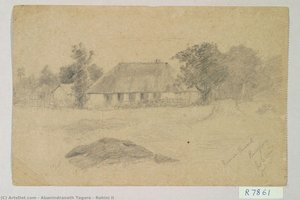
- Rohini II: A notable work showcasing his artistic skill.
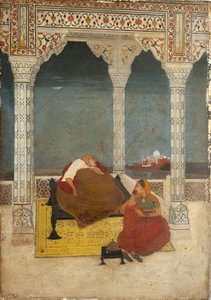
- Passing of Shajahan: Another significant painting reflecting his style.
- Season Flower in a Vase: Demonstrates his mastery of technique and subject matter.
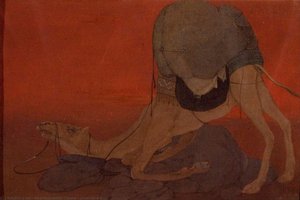
- Arabian Nights Series (1930): Considered one of his finest achievements, using Arabian Nights stories to explore colonial Calcutta.
- Bharat Mata: A significant painting symbolizing Mother India.
- Founder of the Bengal School of Art: Played a pivotal role in shaping modern Indian painting and promoting nationalistic art.
- Indian Society of Oriental Art (1907): Founded this society to promote traditional Indian art forms.
Legacy and Historical Significance
- Pioneer of Modern Indian Painting: Recognized as a key figure in the development of modern Indian art.
- Influence on Subsequent Artists: Mentored notable artists such as Nandalal Bose, Asit Halder, Kshitindranath Majumdar and Jamini Roy.
- Revival of Traditional Art Forms: Advocated for a return to traditional Indian techniques and styles.
- Impact on Bengali Children's Literature: Wrote influential children’s books like Rajkahini, Budo Angla, Nalak, and Khirer Putul.
- National Art Treasures: His works are considered National Art Treasures.
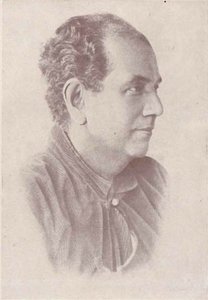
Abanindranath Tagore
1871 - 1951 , India
Quick Facts
- Artistic Movement Or Style: Bengal School of Art
- Artists Or Movements Influenced By This Artist:
- Nandalal Bose
- Kshitindranath Majumdar
- Jamini Roy
- Artists Who Influenced This Artist:
- Whistler
- Mughal artists
- Rajput artists
- Date Of Birth: May 7, 1871
- Date Of Death: December 5, 1951
- Full Name: Abanindranath Tagore
- Nationality: Indian
- Notable Artworks:
- Rohini II
- Passing of Shajahan
- Season Flower in a Vase
- Place Of Birth: Jorasanko, India
Related Articles
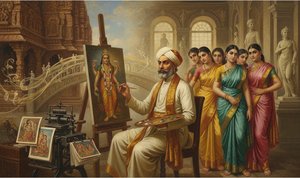
Raja Ravi Varma: Bridging Tradition & Modernity in 19th-Century Indian Art
Explore the life & art of Raja Ravi Varma, a pioneer who fused European techniques with Indian iconography. Discover his iconic paintings, lasting legacy, and influence on modern Indian art at ArtsDot.
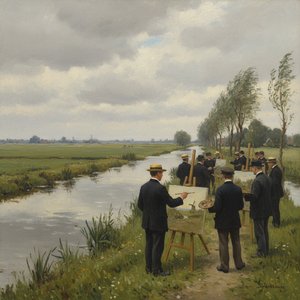
The Hague School: Realism, Atmosphere & the Dawn of Dutch Impressionism
Explore the Hague School's pivotal role in Dutch art history. Discover realism, atmospheric landscapes & its influence on Impressionism. Learn about key artists like Mauve & Maris with ArtsDot.
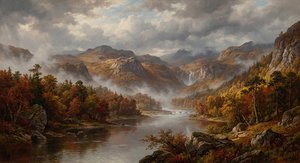
Hudson River School: 10 Masterpieces That Capture America's Wild Beauty | ArtsDot
Journey through America's breathtaking landscapes with our guide to the Top 10 Hudson River School masterpieces. Explore Thomas Cole, Frederic Church & more! Find museum-quality art reproductions and elevate your home decor at ArtsDot.com.

The Sublime Landscape: Exploring the Hudson River School Movement
Explore the captivating world of the Hudson River School! Discover the history, artists, and defining characteristics of this iconic American art movement. Learn about Romanticism's influence & find inspiration for your collection.
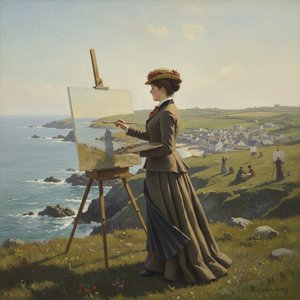
Elizabeth Adela Forbes: A Pioneering Impressionist of the Newlyn School
Explore the life & art of Elizabeth Adela Forbes, a pioneering Impressionist of the Newlyn School. Discover her captivating paintings, unique style, and lasting legacy with ArtsDot.