 Preview
 Send
Send Share
Share
 Details

 Download
 Similars
 X-Ray
X-Ray Diaporama
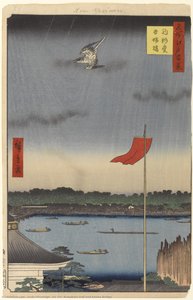
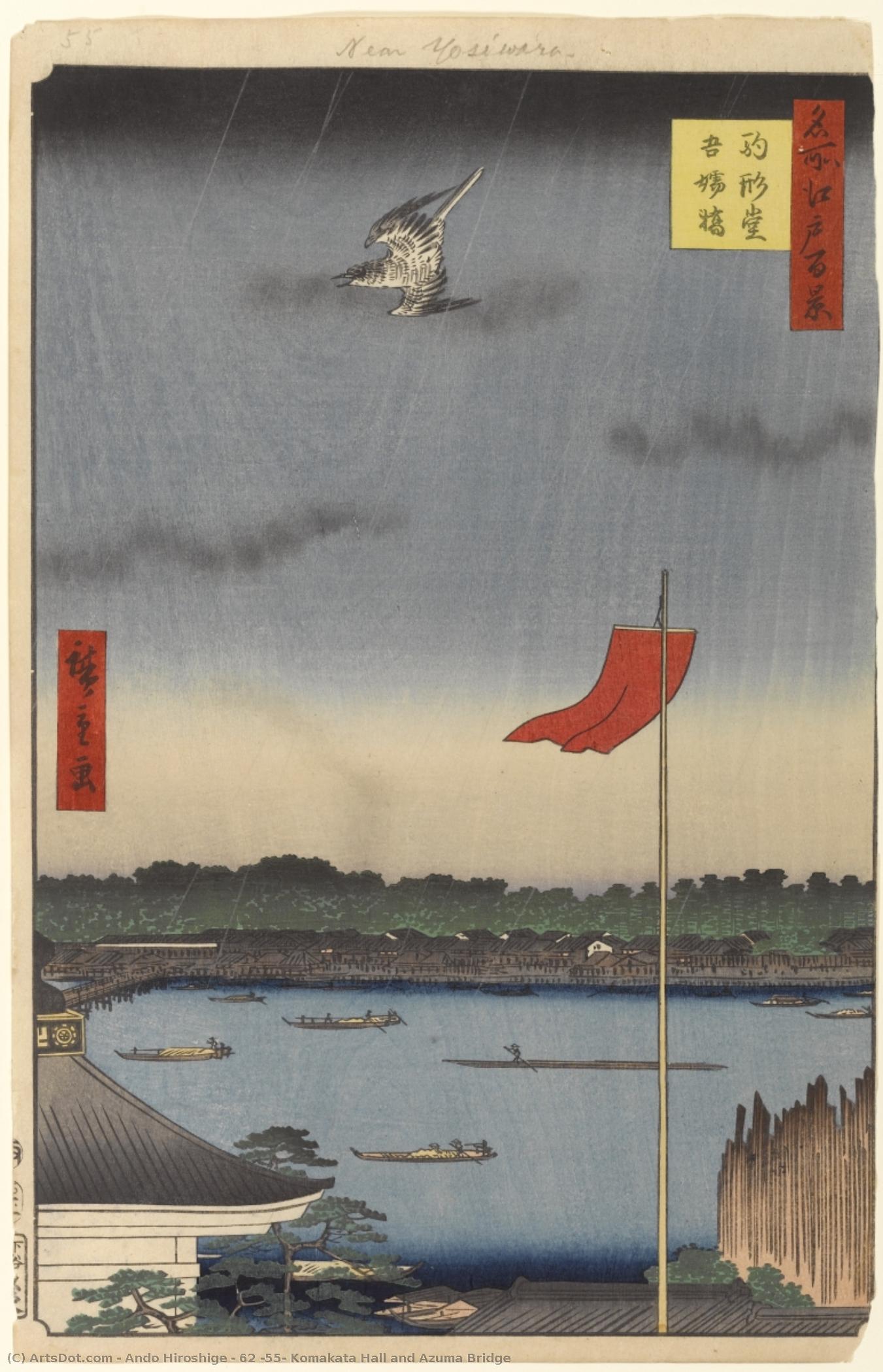
62 (55) Komakata Hall and Azuma Bridge
 Woodblock Print
- Impressionistic Landscape
 1857
1857 23.0 x 34.0 cm
 Brooklyn Museum
 Read More
Hand Made Oil Reproduction
Hand-painted oil on canvas in your size and frame, made to order by our artists. ( Buy Print Buy Image)




P118B $10

P118H $10

P118W $10

P438Z $10

P508JH $12

P508YH $12

P805H $10

P805Z $10

P919BZ $10

P919G $10

P919XJ $10

P959ZH $10

P968JZ $12

W106C $8

W218G $10

W218JH $8

W218Y $10

W307PJ $10

W316G $10

W316PJ $8

W316Y $10

W398PJ $8

W4111J $10

W500HY $15

W500JH $15

W692G $12

W849H $8

W940BG $15

W953PJ $8




Pick from our preset sizes that match the artwork's original proportions.

You may enter your own dimensions to fit a specific frame or space. If your selected size does not match the original image's proportions, we will either crop the artwork or extend the painting with additional hand-painted elements. A digital mockup will be sent for your approval before production begins.
Please note that the on-screen preview does not reflect the actual cropping or extension. Only the mockup will accurately show the final composition.
While custom sizes are available, we recommend selecting a dimension from the predefined list to preserve the original proportions.
After order, ArtsDot.com team will email client for instructions and provide a mockup preview
Worldwide Delivery () in 3/4 weeks instead of standard 5 weeks. (17 August). No compromise on quality.

Free Worldwide Express Shipping

High-Quality Linen Canvas

Full Shipping Insurance

Customs Tax Refund Guarantee

True Color Matching Guarantee

60-Day Return Policy (Defects Only)

100% Money-Back Guarantee

Bulk Discount Offer
 Glass option is only available in size under 110 CM

62 (55) Komakata Hall and Azuma Bridge
Reproduction Medium
Reproduction Size
-


Total Price
$ 263
Artwork Description
A Poetic Vision of Edo Japan: Ando Hiroshige’s “62 (55) Komakata Hall and Azuma Bridge”
Ando Hiroshige (1797-1858), a name synonymous with the golden age of Japanese art, stands as the final titan of *ukiyo-e*, a genre that captured the fleeting beauty of everyday life—the bustling marketplaces, serene temples, and picturesque landscapes of Edo (modern Tokyo). While initially overshadowed by his contemporaries, Hiroshige’s enduring legacy rests upon his unparalleled ability to distill emotion into meticulously crafted woodblock prints. “62 (55) Komakata Hall and Azuma Bridge,” created in 1857 as part of his monumental “One Hundred Famous Views of Edo” series (*Meisho Edo Hyakkei*), exemplifies this artistic prowess, offering a glimpse into a bygone era infused with subtle symbolism and breathtaking atmospheric perspective.- Subject Matter & Context: The artwork depicts Komakata Hall—a prominent administrative building in Edo—adjacent to Azuma Bridge, one of the city’s most iconic crossings. Hiroshige's choice wasn't merely decorative; it reflected a fascination with documenting Japan’s architectural heritage during a period of rapid modernization and Western influence. This series aimed to preserve memories of traditional Japan before its transformation into a global power.
- Composition & Style: Hiroshige adheres to the established conventions of Japanese compositional art, prioritizing horizontal lines to convey stability and grandeur. The dominant red flag positioned centrally serves as a focal point, drawing the viewer’s gaze upwards towards the overcast sky—a deliberate stylistic decision that underscores themes of contemplation and melancholy.
Technique & Materials: Woodblock Printing – A Symphony of Layers
The creation of “Komagata Hall and Azuma Bridge” involved a complex process rooted in centuries-old traditions. Skilled artisans meticulously carved intricate designs onto cherry wood blocks, each representing a specific element of the landscape or building. These blocks were then inked with pigment—typically Prussian blue for the water and muted greens for foliage—and painstakingly applied to paper in multiple stages. This layering technique ensured vibrant colors and subtle tonal variations, resulting in an image that vibrates with atmospheric depth. The meticulous attention to detail speaks volumes about Hiroshige’s dedication to mastering his craft.Color Palette & Atmospheric Perspective: Capturing the Essence of Edo Light
Hiroshige's masterful use of color contributes significantly to the artwork’s emotional impact. Predominantly dominated by blues and greens—the hues of the river and surrounding trees—the palette evokes a sense of serenity and coolness, mirroring the subdued mood of an overcast day. The strategic placement of the red flag provides a striking visual contrast, symbolizing authority or perhaps hinting at underlying tensions within Edo society. Crucially, Hiroshige employs atmospheric perspective—a technique perfected during this period—to create a convincing illusion of depth. Distant mountains and buildings fade into paler shades of gray, reinforcing the feeling of distance and conveying a profound appreciation for the beauty of natural landscapes.Symbolism & Emotional Resonance: Reflections on Tradition Amidst Change
Beyond its aesthetic qualities, “Komagata Hall and Azuma Bridge” resonates with deeper symbolic meanings. The overcast sky—a recurring motif in Hiroshige’s oeuvre—represents not merely meteorological conditions but also a contemplation of mortality and the passage of time. It serves as a poignant reminder of Japan's fading traditions amidst the encroaching influence of Western civilization. Yet, despite this melancholic undertone, the artwork ultimately communicates a profound appreciation for beauty—a celebration of Edo’s enduring spirit captured in exquisite detail.Conclusion: Hiroshige’s Legacy – An Inspiration for Generations
Ando Hiroshige's “62 (55) Komagata Hall and Azuma Bridge” stands as a testament to the power of observation, craftsmanship, and artistic vision. Its enduring appeal lies in its ability to transport viewers back to Edo Japan—a world brimming with both grandeur and fragility—and to inspire contemplation on themes of beauty, tradition, and change. Like many Impressionists who found inspiration in Hiroshige’s masterful use of light and color, this artwork continues to captivate audiences worldwide, cementing Hiroshige's place as one of Japan’s greatest artistic luminaries.Related Artworks
Artist Biography
A Poetic Vision of Edo Japan: The Life and Art of Ando Hiroshige
Ando Hiroshige, born Andō Tokutarō in 1797 within the bustling heart of Edo (modern Tokyo), wasn’t initially destined for a life steeped in artistic expression. His lineage traced back to samurai origins, yet fate took an unexpected turn with the untimely loss of his parents during his youth. This pivotal moment led to an apprenticeship under Utagawa Toyohiro, a respected figure within the *ukiyo-e* tradition – a world of woodblock prints capturing the ephemeral beauty of everyday life. While early works didn’t immediately garner acclaim, Hiroshige diligently honed his skills, patiently refining his technique and gradually forging a path toward artistic recognition. He even briefly fulfilled familial obligations as a fire warden, a stark contrast to the delicate landscapes that would ultimately define his legacy. This blend of duty and burgeoning artistry shaped a unique perspective, one deeply attuned to both the grandeur and the quiet moments of Edo society.Landscapes That Breathe: Hiroshige’s Artistic Development
Hiroshige's true breakthrough came with his dedication to landscape prints, a genre considered somewhat minor at the time. He transcended mere representation, imbuing his scenes with an emotional resonance that resonated deeply with audiences. His work wasn’t simply *about* places; it was about the feeling of being in those places – the gentle mist clinging to Mount Fuji, the bustling energy of the Tokaido Road, the serene beauty of a plum orchard in bloom. His series became windows into the soul of Japan. The iconic “Thirty-six Views of Mount Fuji” stands as a testament to this mastery, presenting the sacred mountain from countless perspectives, each revealing a different facet of its symbolic power. Equally celebrated is "Fifty-three Stations of the Tōkaidō," a meticulously detailed chronicle of the vital trade route connecting Edo and Kyoto. These weren’t just maps; they were vibrant snapshots of life in motion, capturing the travelers, merchants, and landscapes that defined this crucial artery of Japanese commerce. One Hundred Famous Views of Edo, his most ambitious undertaking, offered a panoramic vision of the capital city, showcasing its diverse neighborhoods, scenic vistas, and cultural landmarks with unparalleled detail and sensitivity.The Influence of Japonisme: A Bridge to the West
By the late 19th century, Hiroshige’s art had embarked on an extraordinary journey westward, becoming a cornerstone of the *Japonisme* movement that swept through Europe. European artists, captivated by the unique aesthetic sensibilities of Japanese prints, eagerly absorbed Hiroshige's innovative techniques and compositional approaches. The impact was profound. Vincent van Gogh, deeply moved by Hiroshige’s use of color and perspective, created his own interpretations of several prints, demonstrating a clear admiration for the Japanese master. Claude Monet, another leading figure in Impressionism, also drew inspiration from Hiroshige's atmospheric effects and emphasis on capturing fleeting moments. The influence extended beyond painting; elements of Hiroshige’s designs can be seen in the flowing lines and natural motifs of Art Nouveau. His work wasn’t merely copied but served as a catalyst for artistic innovation, prompting Western artists to re-evaluate their own approaches to color, composition, and subject matter.A Lasting Legacy: Hiroshige's Historical Significance
Ando Hiroshige passed away in 1858, leaving behind a body of work that continues to captivate and inspire. He is often regarded as the last great master of *ukiyo-e*, marking a turning point in Japanese art history. His emphasis on landscape, his poetic sensibility, and his innovative use of color and composition set him apart from his contemporaries and paved the way for future generations of artists.- His prints offer invaluable insights into life in Edo-period Japan.
- He elevated landscape painting to new heights within the *ukiyo-e* tradition.
- His work played a crucial role in introducing Japanese art and aesthetics to the West.
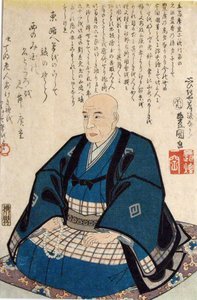
Ando Hiroshige
1797 - 1858 , Japan
Quick Facts
- Artistic Movement Or Style: Ukiyo-e
- Artists Or Movements Influenced By This Artist:
- Impressionism
- Post-Impressionism
- Van Gogh
- Monet
- Artists Who Influenced This Artist:
- Utagawa Toyohiro
- Katsushika Hokusai
- Date Of Birth: 1797
- Date Of Death: 1858
- Full Name: Ando Hiroshige
- Nationality: Japanese
- Notable Artworks:
- Thirty-six Views of Mount Fuji
- Fifty-three Stations of the Tōkaidō
- One Hundred Famous Views of Edo
- Place Of Birth: Tokyo, Japan
Related Articles

Hokusai's Masterpieces: 25 Iconic Prints & Paintings for Art Lovers | ArtsDot
Journey through Katsushika Hokusai’s 25 most iconic artworks, including *The Great Wave*. Explore the ukiyo-e master's history, style & timeless Japanese woodblock prints. Find museum-quality reproductions for your home at ArtsDot.com.
Ukiyo-e's Poetic Visionary: Hiroshige Ando & the Transformation of Landscape in 19th-Century Japan
Explore the life & art of Ando Hiroshige, Japan's last great ukiyo-e master. Discover his iconic landscapes, poetic style, and profound influence on Western Impressionism. Learn about The Fifty-Three Stations & more!
Ukiyo-e's Greatest Hits: 10 Masterpieces That Shaped a Movement | ArtsDot
Journey into Japan's 'Floating World'! Explore 10 Ukiyo-e masterpieces by Hokusai, Hiroshige & more. Discover the stories behind these iconic woodblock prints and bring timeless Japanese art to your home with ArtsDot.com. Explore the full collection online.
Ephemeral Landscapes: Hiroshige's Poetics of Transient Beauty in Edo Japan
Explore the captivating world of Utagawa Hiroshige's ukiyo-e landscapes. Discover his artistic innovations, influence on Western art, and the poetics of transient beauty in Edo period Japan. A guide for collectors & enthusiasts.
Serenity on Canvas: A Guide to the Timeless Beauty of Japanese Landscape Painting
Discover the serene beauty of Japanese landscape painting. From Hokusai's iconic woodblock prints to meditative sumi-e ink washes, explore a visual journey through the 'floating world' and learn how to bring this timeless Zen aesthetic into your modern home decor.