 Preview
 Send
Send Share
Share
 Details

 Download
 Similars
 X-Ray
X-Ray Diaporama
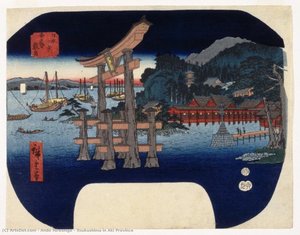
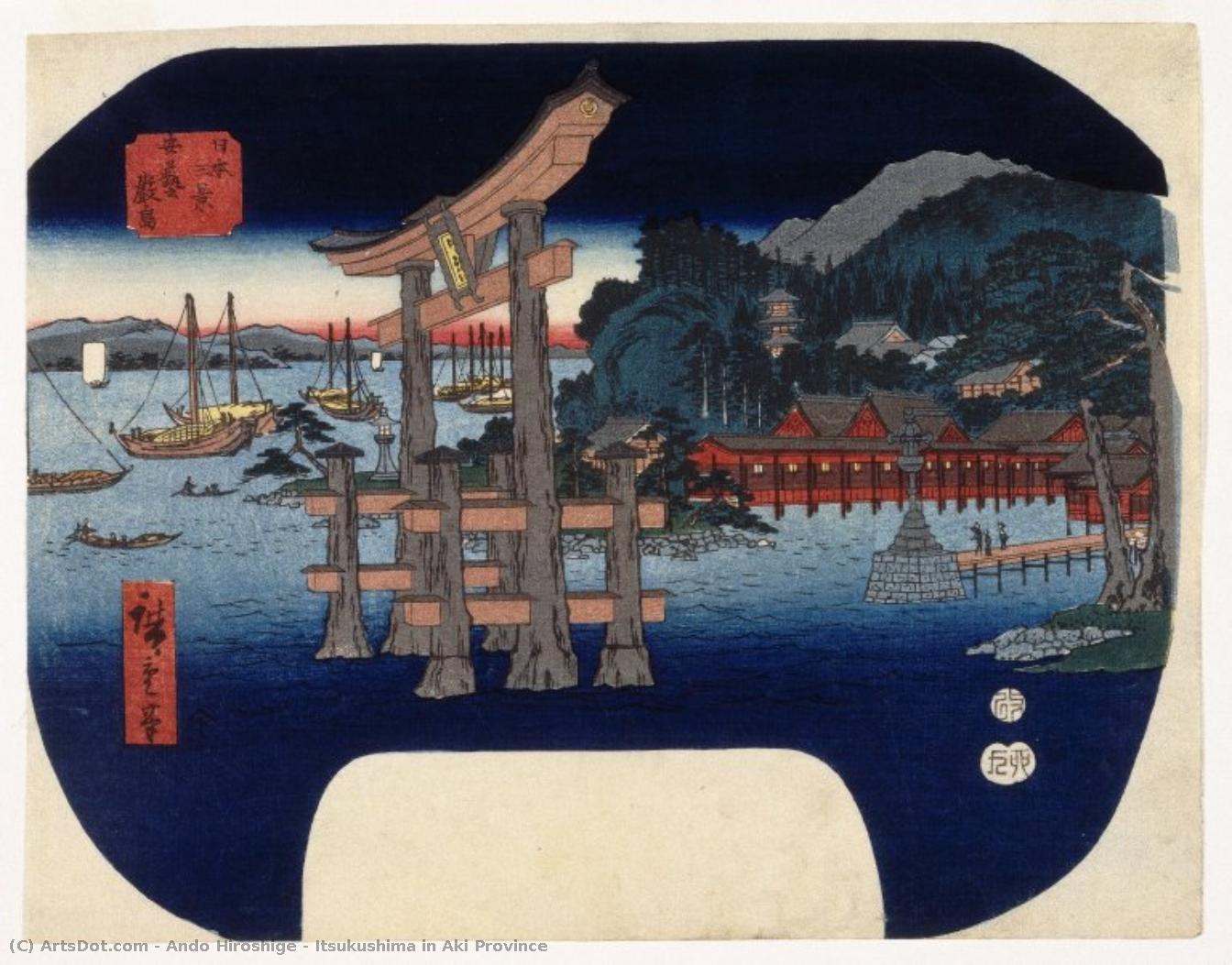
Itsukushima in Aki Province


 Read More
Hand Made Oil Reproduction
Hand-painted oil on canvas in your size and frame, made to order by our artists. ( Buy Print Buy Image)




P118B $10

P118H $10

P118W $10

P438Z $10

P508JH $12

P508YH $12

P805H $10

P805Z $10

P919BZ $10

P919G $10

P919XJ $10

P959ZH $10

P968JZ $12

W106C $8

W218G $10

W218JH $8

W218Y $10

W307PJ $10

W316G $10

W316PJ $8

W316Y $10

W398PJ $8

W4111J $10

W500HY $15

W500JH $15

W692G $12

W849H $8

W940BG $15

W953PJ $8




Pick from our preset sizes that match the artwork's original proportions.

You may enter your own dimensions to fit a specific frame or space. If your selected size does not match the original image's proportions, we will either crop the artwork or extend the painting with additional hand-painted elements. A digital mockup will be sent for your approval before production begins.
Please note that the on-screen preview does not reflect the actual cropping or extension. Only the mockup will accurately show the final composition.
While custom sizes are available, we recommend selecting a dimension from the predefined list to preserve the original proportions.
After order, ArtsDot.com team will email client for instructions and provide a mockup preview
Worldwide Delivery () in 3/4 weeks instead of standard 5 weeks. (17 August). No compromise on quality.

Free Worldwide Express Shipping

High-Quality Linen Canvas

Full Shipping Insurance

Customs Tax Refund Guarantee

True Color Matching Guarantee

60-Day Return Policy (Defects Only)

100% Money-Back Guarantee

Bulk Discount Offer
 Glass option is only available in size under 110 CM

Itsukushima in Aki Province
Reproduction Medium
Reproduction Size
-


Total Price
$ 263
Artwork Description
A Poetic Vision of Edo Japan: The Life and Art of Ando Hiroshige
Ando Hiroshige (1797 – 1858), born Andō Tokutarō in Tokyo, wasn’t initially destined for a career as an artist. His samurai heritage carried with it expectations of martial prowess and lineage preservation; however, tragedy struck early in his life when his parents succumbed to illness, leaving him orphaned at a young age. This formative experience propelled him toward an apprenticeship under Utagawa Toyohiro, a titan within the *ukiyo-e* movement – a genre dedicated to capturing fleeting moments of beauty from the common world. While his initial prints didn’t immediately resonate with critics, Hiroshige possessed unwavering dedication and patiently cultivated his craft, steadily elevating his skill level and carving out a path toward artistic renown. Even fulfilling familial responsibilities as a fire warden offered him a grounding perspective, juxtaposed against the ethereal landscapes that would ultimately solidify his place in art history. This confluence of duty and artistic aspiration imbued his work with a profound sensitivity to both tradition and observation—a viewpoint uniquely suited for portraying the spirit of Edo Japan during his lifetime.The Landscape as Meditation
Hiroshige’s oeuvre is characterized by an extraordinary ability to distill complex emotions into deceptively simple visual compositions. He wasn't merely depicting scenery; he was attempting to convey a feeling – tranquility, contemplation, and a deep connection with the natural world. This approach aligns perfectly with Zen Buddhist philosophy prevalent during his era, where stillness and observation were considered pathways to enlightenment. Hiroshige’s landscapes aren’t static representations but rather dynamic impressions filtered through the artist's gaze, capturing subtle shifts in light and atmosphere that imbue each scene with an intangible quality. Consider “Itsukushima in Aki Province,” a masterpiece executed in 1858. The print exemplifies this meditative aesthetic; it invites viewers to pause and absorb the serenity of Miyajima Island’s iconic floating torii gate – a symbol of purification and transition – framed by misty mountains and calm waters.Technique: Mastering Woodblock Printing
Hiroshige's artistic brilliance stemmed not only from his conceptual vision but also from his mastery of *ukiyo-e* technique. This painstaking process involved transferring ink pigments onto wooden blocks meticulously carved with intricate designs, followed by multiple layers of printing to achieve astonishing tonal depth and luminosity. The artist employed a method known as *bokashi*, utilizing varying shades of Prussian blue – a pigment imported from Europe during Hiroshige’s time – to create breathtaking gradations of color that mimic the atmospheric haze characteristic of Aki Province. Precise registration was paramount, ensuring each block aligned flawlessly with its neighbors to produce prints of unparalleled clarity and visual impact. This meticulous attention to detail speaks volumes about Hiroshige's commitment to preserving traditional artistry while simultaneously embracing new influences.Historical Context: Edo’s Golden Age
“Itsukushima in Aki Province” emerged during Edo Japan’s “Golden Age,” a period marked by unprecedented economic prosperity and cultural flourishing. The Tokugawa shogunate maintained strict control over society, fostering stability and encouraging artistic endeavors that celebrated Japanese culture and heritage. Hiroshige's work reflects this societal ethos—a desire to capture beauty and harmony amidst the complexities of imperial rule. Furthermore, the print’s depiction of Miyajima Island holds significance beyond its visual splendor; it represents a pilgrimage site dedicated to Itsukushima Shrine, where devotees sought spiritual renewal and purification. The inclusion of boats traversing the tranquil waters underscores the importance of commerce and daily life within Edo society—a reminder that even amidst contemplation, Hiroshige's art acknowledges the realities of human experience.Emotional Resonance: A Window into Tranquility
Ultimately, “Itsukushima in Aki Province” transcends mere visual representation; it evokes a profound emotional response in viewers. The muted palette – predominantly blues and whites – fosters a sense of calm and serenity, mirroring the spiritual atmosphere of Miyajima Island. The misty mountains serve as silent witnesses to the passage of time, prompting reflection on mortality and impermanence—themes central to Zen Buddhism. Hiroshige’s masterful use of *bokashi* creates an illusion of depth and luminosity that draws the eye inward, inviting contemplation and fostering a connection with the natural world. Viewing this print is akin to stepping into a moment frozen in time – a testament to Hiroshige's ability to transform observation into artful expression and capture the essence of Edo Japan’s enduring beauty.Related Artworks
Artist Biography
A Poetic Vision of Edo Japan: The Life and Art of Ando Hiroshige
Ando Hiroshige, born Andō Tokutarō in 1797 within the bustling heart of Edo (modern Tokyo), wasn’t initially destined for a life steeped in artistic expression. His lineage traced back to samurai origins, yet fate took an unexpected turn with the untimely loss of his parents during his youth. This pivotal moment led to an apprenticeship under Utagawa Toyohiro, a respected figure within the *ukiyo-e* tradition – a world of woodblock prints capturing the ephemeral beauty of everyday life. While early works didn’t immediately garner acclaim, Hiroshige diligently honed his skills, patiently refining his technique and gradually forging a path toward artistic recognition. He even briefly fulfilled familial obligations as a fire warden, a stark contrast to the delicate landscapes that would ultimately define his legacy. This blend of duty and burgeoning artistry shaped a unique perspective, one deeply attuned to both the grandeur and the quiet moments of Edo society.Landscapes That Breathe: Hiroshige’s Artistic Development
Hiroshige's true breakthrough came with his dedication to landscape prints, a genre considered somewhat minor at the time. He transcended mere representation, imbuing his scenes with an emotional resonance that resonated deeply with audiences. His work wasn’t simply *about* places; it was about the feeling of being in those places – the gentle mist clinging to Mount Fuji, the bustling energy of the Tokaido Road, the serene beauty of a plum orchard in bloom. His series became windows into the soul of Japan. The iconic “Thirty-six Views of Mount Fuji” stands as a testament to this mastery, presenting the sacred mountain from countless perspectives, each revealing a different facet of its symbolic power. Equally celebrated is "Fifty-three Stations of the Tōkaidō," a meticulously detailed chronicle of the vital trade route connecting Edo and Kyoto. These weren’t just maps; they were vibrant snapshots of life in motion, capturing the travelers, merchants, and landscapes that defined this crucial artery of Japanese commerce. One Hundred Famous Views of Edo, his most ambitious undertaking, offered a panoramic vision of the capital city, showcasing its diverse neighborhoods, scenic vistas, and cultural landmarks with unparalleled detail and sensitivity.The Influence of Japonisme: A Bridge to the West
By the late 19th century, Hiroshige’s art had embarked on an extraordinary journey westward, becoming a cornerstone of the *Japonisme* movement that swept through Europe. European artists, captivated by the unique aesthetic sensibilities of Japanese prints, eagerly absorbed Hiroshige's innovative techniques and compositional approaches. The impact was profound. Vincent van Gogh, deeply moved by Hiroshige’s use of color and perspective, created his own interpretations of several prints, demonstrating a clear admiration for the Japanese master. Claude Monet, another leading figure in Impressionism, also drew inspiration from Hiroshige's atmospheric effects and emphasis on capturing fleeting moments. The influence extended beyond painting; elements of Hiroshige’s designs can be seen in the flowing lines and natural motifs of Art Nouveau. His work wasn’t merely copied but served as a catalyst for artistic innovation, prompting Western artists to re-evaluate their own approaches to color, composition, and subject matter.A Lasting Legacy: Hiroshige's Historical Significance
Ando Hiroshige passed away in 1858, leaving behind a body of work that continues to captivate and inspire. He is often regarded as the last great master of *ukiyo-e*, marking a turning point in Japanese art history. His emphasis on landscape, his poetic sensibility, and his innovative use of color and composition set him apart from his contemporaries and paved the way for future generations of artists.- His prints offer invaluable insights into life in Edo-period Japan.
- He elevated landscape painting to new heights within the *ukiyo-e* tradition.
- His work played a crucial role in introducing Japanese art and aesthetics to the West.
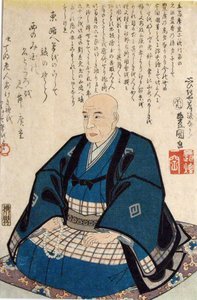
Ando Hiroshige
1797 - 1858 , Japan
Quick Facts
- Artistic Movement Or Style: Ukiyo-e
- Artists Or Movements Influenced By This Artist:
- Impressionism
- Post-Impressionism
- Van Gogh
- Monet
- Artists Who Influenced This Artist:
- Utagawa Toyohiro
- Katsushika Hokusai
- Date Of Birth: 1797
- Date Of Death: 1858
- Full Name: Ando Hiroshige
- Nationality: Japanese
- Notable Artworks:
- Thirty-six Views of Mount Fuji
- Fifty-three Stations of the Tōkaidō
- One Hundred Famous Views of Edo
- Place Of Birth: Tokyo, Japan
Related Articles
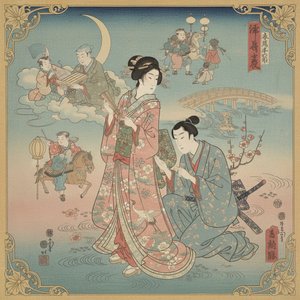
Suzuki Harunobu: Pioneering Ukiyo-e & the Refinement of Edo Period Printmaking
Discover the revolutionary world of Suzuki Harunobu, a pioneer of ukiyo-e printmaking. Explore his exquisite nishiki-e techniques, diverse subjects & lasting impact on Japanese art history. Learn more at ArtsDot.

Ukiyo-e: Exploring Japan's Floating World & Enduring Artistic Legacy
Explore the captivating world of Ukiyo-e – Japan's iconic woodblock prints! Discover masters like Hokusai & Hiroshige, learn about Edo period culture, and find expert art collecting guidance at ArtsDot.
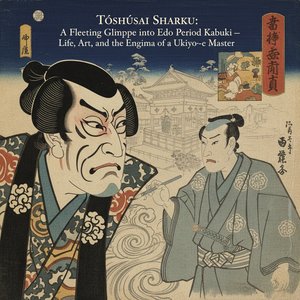
Tōshūsai Sharaku: A Fleeting Glimpse into Edo Period Kabuki – Life, Art, and the Enigma of a Ukiyo-e Master
Explore the captivating world of Tōshūsai Sharaku, the enigmatic Edo period ukiyo-e master. Discover his iconic Kabuki actor portraits and unravel the mystery behind this fleeting artistic genius. Learn about his unique style & lasting legacy.
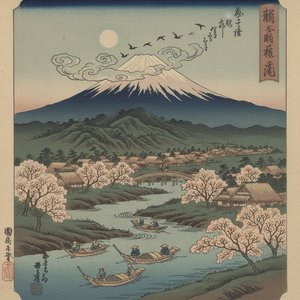
Ukiyo-e's Poetic Visionary: Hiroshige Ando & the Transformation of Landscape in 19th-Century Japan
Explore the life & art of Ando Hiroshige, Japan's last great ukiyo-e master. Discover his iconic landscapes, poetic style, and profound influence on Western Impressionism. Learn about The Fifty-Three Stations & more!
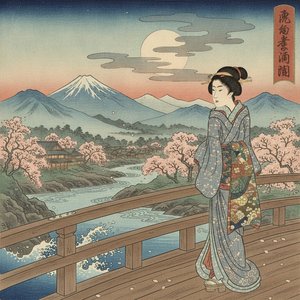
Ukiyo-e's Greatest Hits: 10 Masterpieces That Shaped a Movement | ArtsDot
Journey into Japan's 'Floating World'! Explore 10 Ukiyo-e masterpieces by Hokusai, Hiroshige & more. Discover the stories behind these iconic woodblock prints and bring timeless Japanese art to your home with ArtsDot.com. Explore the full collection online.