 Send
Send Share
Share
 Details

 Download
 Similars
 Diaporama
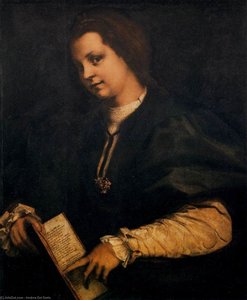
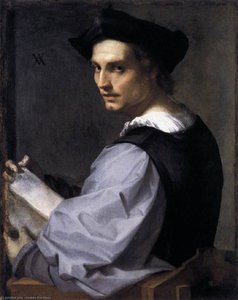
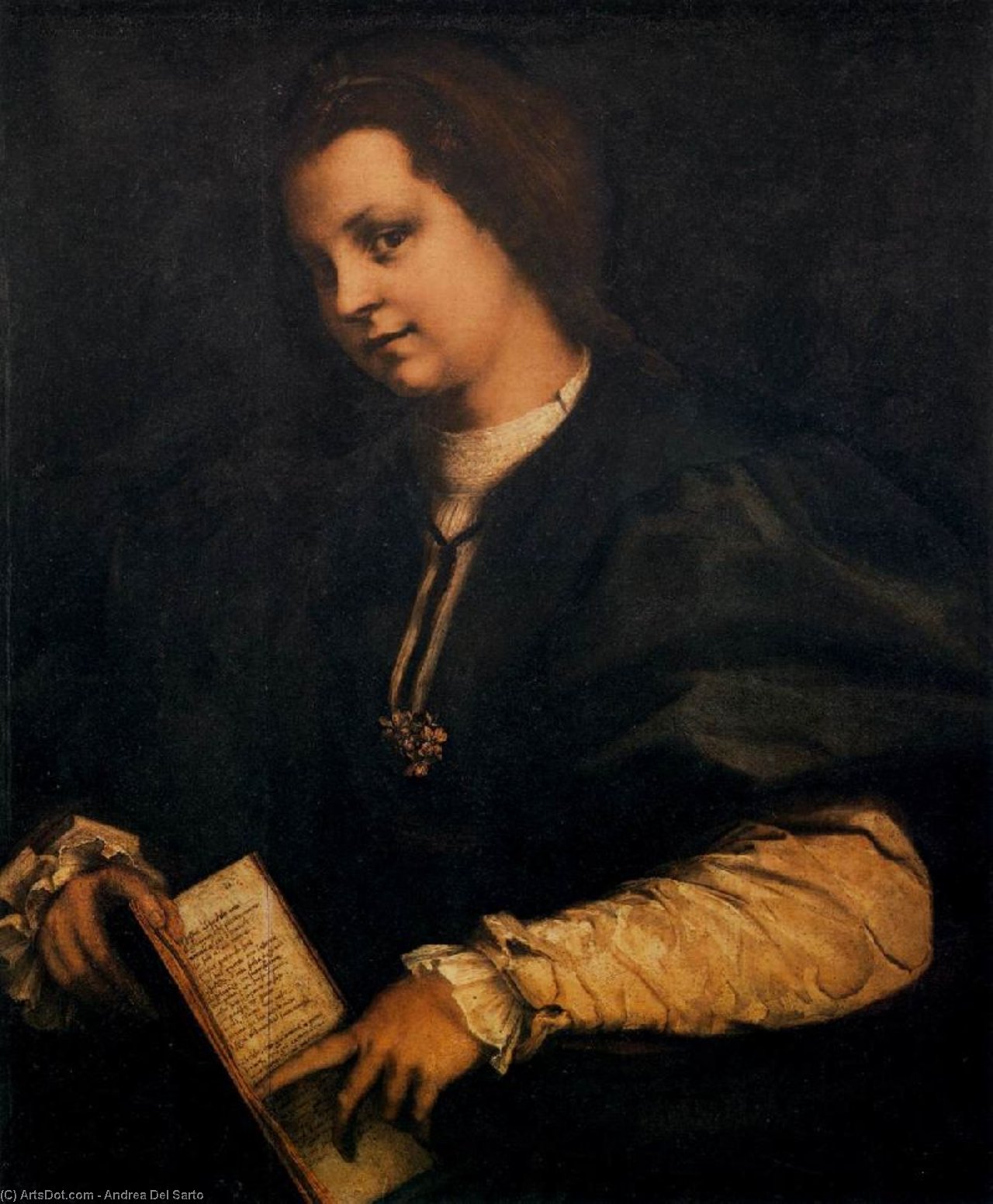
Portrait of a Lady with a Book
 Fresco
- Italian High Renaissance
 1514
1514- Renaissance
 87.0 x 69.0 cm
 Galleria degli Uffizi
 Read More
Giclée / Art Print
Museum-quality giclée or canvas print with fast production and flexible finish options. ( Buy Hand Made Painting Buy Image)




































Pick from our preset sizes that match the artwork's original proportions.

You may enter your own dimensions to fit a specific frame or space. If your selected size does not match the original image's proportions, we will either crop the artwork or extend the image with a mirrored or solid-fill edge. A digital mockup will be sent for your approval before production begins.
Please note that the on-screen preview does not reflect the actual cropping or extension. Only the mockup will accurately show the final composition.
While custom sizes are available, we recommend selecting a dimension from the predefined list to preserve the original proportions.
Worldwide Delivery () in 2 weeks instead of standard 4/5 weeks. (26 August)

Free Worldwide Express Shipping

High-Quality Linen Canvas

Full Shipping Insurance

Customs Tax Refund Guarantee

True Color Matching Guarantee

60-Day Return Policy (Defects Only)

100% Money-Back Guarantee

Bulk Discount Offer
 Glass option is only available in size under 110 CM

Portrait of a Lady with a Book
Giclée / Art Print
Reproduction Size
-


Total Price
$ 63
Collectible Description
Portrait of a Lady with a Book – An Emblematic Reflection of Renaissance Intellect
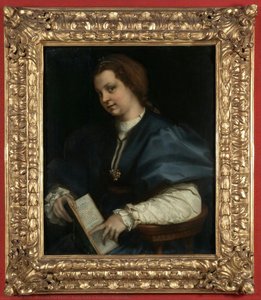
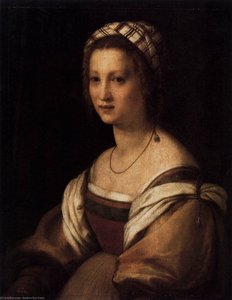
The painting “Portrait of a Lady with a Book,” attributed to Andrea del Sarto, stands as an enduring testament to the artistic fervor and intellectual curiosity that characterized the High Renaissance in Florence. Completed around 1514, this monochrome fresco transcends mere visual representation; it embodies a profound symbolic dialogue between contemplation and erudition—themes central to humanist thought during the period.Subject Matter and Composition
At its core lies a captivating depiction of a woman seated gracefully, her gaze unwavering as she holds aloft a book in her right hand. The positioning is deliberate, conveying an aura of serene concentration. While seemingly simple in form, the composition skillfully employs geometric principles—particularly the pyramidal structure—to create stability and visual harmony. Two additional figures occupy the background, subtly reinforcing the narrative framework without distracting from the central subject’s expressive power. These individuals likely represent attendants or companions, furthering the impression of a refined domestic setting.Style and Technique – Grisaille Mastery
Del Sarto's masterful execution is evident in his unwavering commitment to grisaille—a technique employing monochrome pigments (typically shades of grey) overlaid on toned plaster. This method demanded exceptional precision and patience from the artist, necessitating meticulous layering and blending to achieve nuanced tonal gradations. Unlike vibrant color palettes favored by earlier Renaissance painters, grisaille prioritized capturing light and shadow with remarkable accuracy, mirroring the humanist preoccupation with observing nature’s subtleties. The resulting image possesses a haunting beauty—a testament to del Sarto's ability to convey emotion through subtle shading alone.Historical Context – Humanism and Artistic Patronage
The painting emerged during a pivotal moment in European history—the blossoming of humanism, spearheaded by thinkers like leonardo da vinci and giorgio vasari. This intellectual movement championed reason and observation as pathways to understanding the human condition, influencing artistic endeavors across disciplines. The fresco was commissioned by zanobi strozzi, a wealthy Florentine aristocrat who served as a fervent advocate for humanist ideals. Strozzi’s patronage exemplifies the broader cultural landscape of the time—one where art functioned not merely as decoration but as vehicle for conveying philosophical concepts and moral virtues.Symbolism – Beyond Appearance
The book itself is laden with symbolic significance, representing knowledge, wisdom, and spiritual contemplation. Its placement in the woman's hand underscores her intellectual engagement and reinforces the painting’s overarching theme. The lady’s serene expression speaks to inner peace—a characteristic valued by humanist philosophers who believed that cultivating virtue was essential for achieving happiness. Furthermore, the muted palette contributes to the artwork’s emotional impact—creating a contemplative atmosphere that invites viewers to reflect on themes of introspection and intellectual pursuit.Emotional Impact – A Timeless Appeal
“Portrait of a Lady with a Book” continues to resonate powerfully with audiences today due to its ability to evoke feelings of serenity, contemplation, and admiration for human intellect. Its understated elegance—coupled with the masterful execution of grisaille—makes it an exceptional exemplar of Renaissance art. Reproductions of this iconic fresco offer collectors and interior designers alike the opportunity to experience firsthand the enduring beauty and intellectual depth of a masterpiece that transcends temporal boundaries.Related Artworks
Artist Biography
early life and training
andrea del sarto, a prominent figure in italian high renaissance, was born on july 16, 1486, in gualfonda, near florence. his early life led him to become an apprentice to an orfèvre, followed by training under the painter and wood sculptor gian barile. later, he worked with piero di cosimo and raffaellino del garbo.artistic career
andrea's collaboration with franciabigio led to their first joint project, the baptism of christ, for the scalzo congregation in florence. this marked the beginning of a long series of monochromatic frescoes in grisaille. as time passed, andrea developed his unique style, eventually joining the arte dei medici e degli speziali in 1508.notable works and commissions
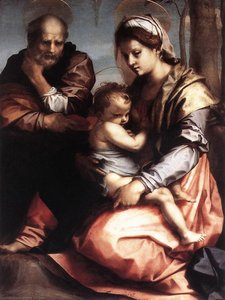
- the holy family, a painting commissioned by zanobi strozzi for the chapel at his villa of rovezzano, now housed in the pinacoteca of the gallerie nazionali di arte antica (palazzo barberini) in rome, italy.
- cenacolo di andrea del sarto, a fresco covering over 40 square meters, depicting jesus and his disciples during the last supper, located at the museo del cenacolo di andrea del sarto in florence.
- storie di miracoli di san filippo benizzi, a series of frescoes for the loggia dei servi di maria, showcasing his early skill with monochromatic grisaille.
legacy and influence
despite being overshadowed by contemporaries like leonardo da vinci, michelangelo, and raphael, andrea del sarto's work is characterized by its unique blend of high renaissance and mannerism. his legacy can be seen in the numerous artworks he left behind, each a testament to his skill as a painter, decorator, portraitist, and colorist. view more works by andrea del sarto on ArtsDot: [https://ArtsDot.com/@/andrea del sarto](https://ArtsDot.com/@/andrea-del-sarto) explore the pinacoteca of the gallerie nazionali di arte antica (palazzo barberini) on ArtsDot: /en/art/show/art-d3afwr-en/ read more about andrea del sarto's life and works on wikipedia: [https://fr.wikipedia.org/wiki/andrea_del_sarto](https://fr.wikipedia.org/wiki/andrea_del_sarto)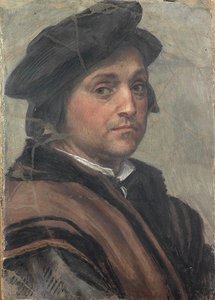
Andrea del Sarto
1486 - 1530 , Italy
Quick Facts
- Artistic Movement Or Style: High Renaissance & Mannerism
- Artists Or Movements Influenced By This Artist: ['Giorgio Vasari']
- Artists Who Influenced This Artist:
- Leonardo da Vinci
- Raphael
- Gian Barile
- Date Of Birth: July 16, 1486
- Date Of Death: September 29, 1530
- Full Name: Andrea d'Agnolo di Francesco di Luca
- Nationality: Italian
- Notable Artworks:
- The Last Supper
- Holy Family
- Saint John the Baptist
- Place Of Birth: Florence, Italy
Related Articles
Andrea del Sarto: Florentine Grace, Technical Mastery & Artistic Ambition
Explore the life & art of Andrea del Sarto, a Florentine Renaissance master renowned for harmonious compositions & technical brilliance. Discover his frescoes, portraits, and lasting influence on art history.
Prado Masterpieces: Explore 25 Iconic Artworks & Bring Spanish Beauty Home
Journey through 25 Prado Museum masterpieces! Explore Velázquez, Goya & El Greco's iconic Spanish art. Discover the stories behind these timeless paintings and find museum-quality reproductions for your home at ArtsDot.com.
Cecco del Caravaggio: Rediscovering the Shadowy Genius of Francesco Buoneri
Explore the captivating world of Cecco del Caravaggio (Francesco Buoneri), a pivotal Baroque artist. Discover his dramatic realism, mysterious life, and lasting legacy with ArtsDot's expert analysis.
The Flourishing of Humanity: Artistic Representations of Humanist Ideals from the Renaissance to Modernity
Explore the profound impact of Humanism on Renaissance art! Discover key artists, iconic paintings & philosophical themes shaping Western art history. Expert analysis and high-quality reproductions at ArtsDot.
Sebastiano del Piombo: Bridging Venetian Colorism & Roman Grand Manner Portraiture
Explore the captivating art of Sebastiano del Piombo, a Renaissance master bridging Venetian colorism & Roman grandeur. Discover his iconic portraits and lasting influence on art history. Learn more at ArtsDot.