 Preview
 Send
Send Share
Share
 Details

 Download
 Similars
 X-Ray
X-Ray Diaporama
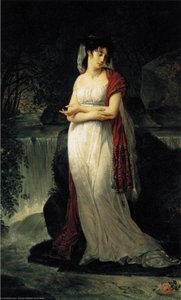
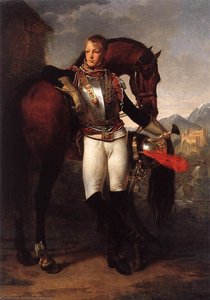
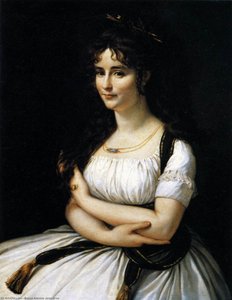
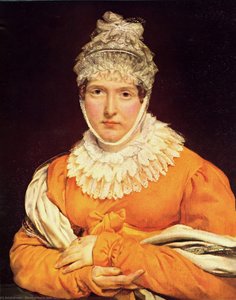
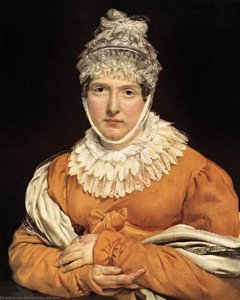
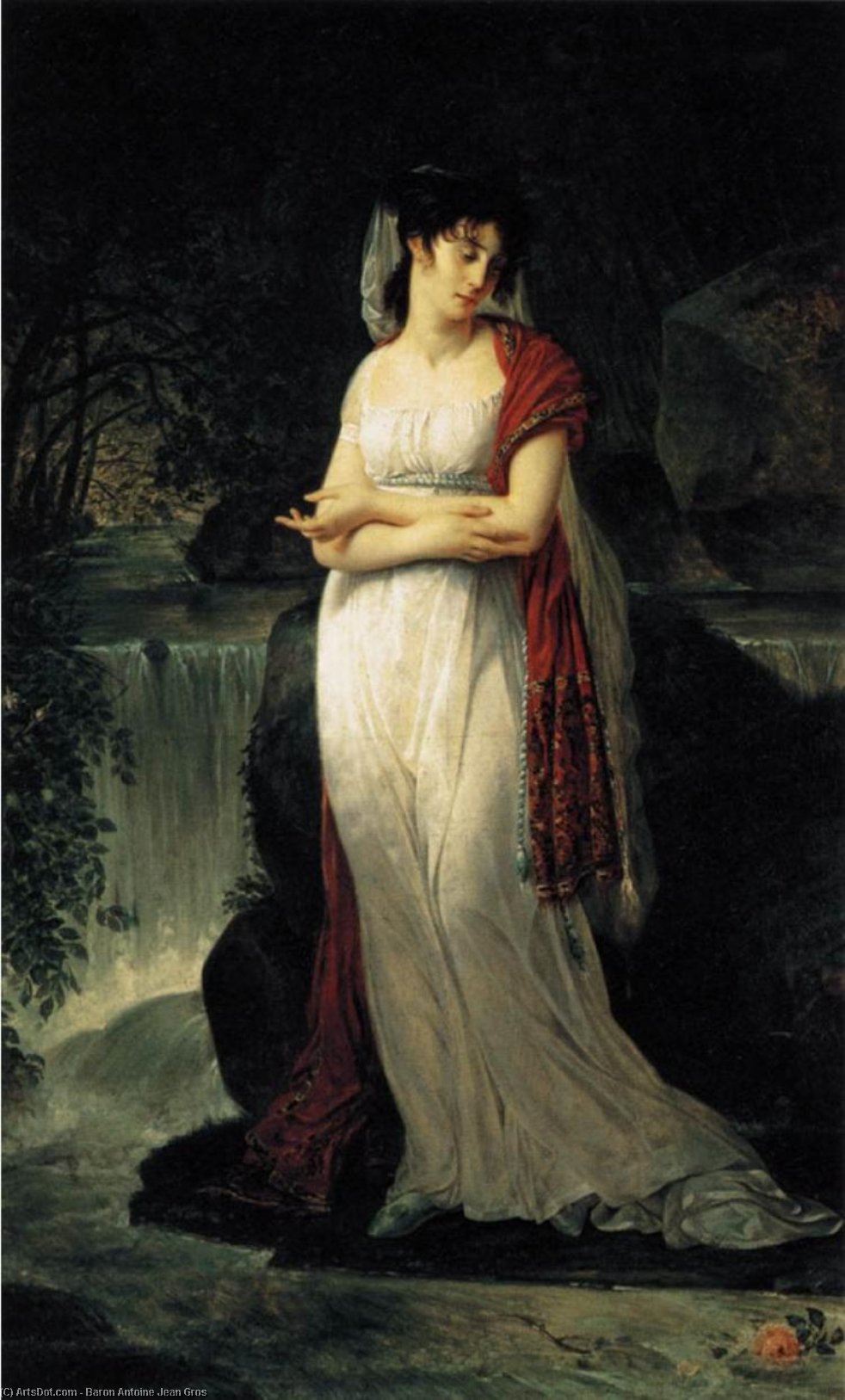
Christine Boyer
 Oil On Canvas
- WallArt
- Romanticism
 1800
1800- 19th Century
 214.0 x 134.0 cm
 The Louvre
 Read More
Giclée / Art Print
Museum-quality giclée or canvas print with fast production and flexible finish options. ( Buy Hand Made Painting Buy Image)




P118B $10

P118H $10

P118W $10

P438Z $10

P508JH $12

P508YH $12

P805H $10

P805Z $10

P919BZ $10

P919G $10

P919XJ $10

P959ZH $10

P968JZ $12

W106C $8

W218G $10

W218JH $8

W218Y $10

W307PJ $10

W316G $10

W316PJ $8

W316Y $10

W398PJ $8

W4111J $10

W500HY $15

W500JH $15

W692G $12

W849H $8

W940BG $15

W953PJ $8




Pick from our preset sizes that match the artwork's original proportions.

You may enter your own dimensions to fit a specific frame or space. If your selected size does not match the original image's proportions, we will either crop the artwork or extend the image with a mirrored or solid-fill edge. A digital mockup will be sent for your approval before production begins.
Please note that the on-screen preview does not reflect the actual cropping or extension. Only the mockup will accurately show the final composition.
While custom sizes are available, we recommend selecting a dimension from the predefined list to preserve the original proportions.
Worldwide Delivery () in 2 weeks instead of standard 4/5 weeks. (23 August)

Free Worldwide Express Shipping

High-Quality Linen Canvas

Full Shipping Insurance

Customs Tax Refund Guarantee

True Color Matching Guarantee

60-Day Return Policy (Defects Only)

100% Money-Back Guarantee

Bulk Discount Offer
 Glass option is only available in size under 110 CM

Christine Boyer
Giclée / Art Print
Reproduction Size
-


Total Price
$ 63
Collectible Description
A Vision of Romantic Contemplation
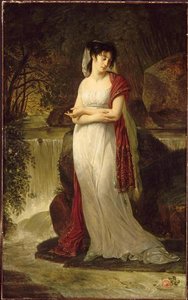
To stand before this portrait of Christine Boyer is to step directly into the charged atmosphere of early nineteenth-century Paris. Baron Antoine Jean Gros captured not merely a likeness, but a profound state of being—a moment suspended between introspection and the wild energy of nature. The subject is presented in a setting that speaks volumes: standing upon a rocky ledge beside the ceaseless drama of a waterfall. This composition immediately immerses the viewer in a mood of sublime solitude. Gros masterfully balances the formality inherent in portraiture with the untamed spirit of Romanticism, allowing the sitter’s quiet contemplation to resonate against the backdrop's dynamic flow.
The Dance Between Eras: Style and Technique
Technically executed in oil on canvas, this work showcases a breathtaking command over light and texture. Gros’s handling of paint is exquisite; observe how the soft, golden illumination seems to emanate from an unseen source, gently caressing Christine Boyer's face and lending an almost ethereal glow to her white dress. This interplay of light against shadow—a hallmark of dramatic Romanticism—is tempered by a foundational structure that hints at Neoclassical order. The contrast between the smooth, idealized planes of skin and fabric, and the rough, powerful textures of the surrounding rocks and cascading water, creates a rich visual dialogue. It is this sophisticated tension, this blending of disciplined form with emotional outpouring, that makes the piece so enduringly captivating.
Symbolism in Stone and Water
The elements within the painting are imbued with symbolic weight. The waterfall itself, perpetually moving, serves as a potent metaphor for the relentless passage of time or the unstoppable flow of emotion—a constant reminder of life’s flux. Against this backdrop of natural dynamism, Christine Boyer remains poised, her clasped hands suggesting a deep engagement with thought, perhaps melancholy, perhaps profound realization. Her figure acts as an anchor point, drawing the eye toward the subtle narrative etched upon her expression. The vibrant splash of red in her shawl provides the only true chromatic counterpoint to the otherwise muted palette of greys and browns, acting like a visual exclamation mark on her inner life.
Bringing the Masterpiece Home
For those who wish to incorporate this piece of artistic history into their own sanctuary, acquiring a high-quality reproduction allows one to possess this emotional resonance without leaving the comfort of home. The scale of 214 x 134 cm ensures that the drama and depth Gros intended are fully realized in your space. It is more than decoration; it is an heirloom piece that invites conversation, contemplation, and a deep appreciation for the enduring power of human emotion captured by a master hand.
Related Artworks

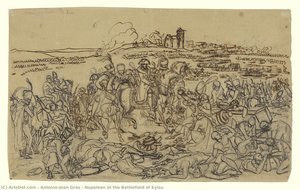
![[reproduction Of Napoleon On The Battlefield Of Eylau By Antoine-jean Gros] — Antoine-jean Gros, Romanticism](/media/artworks/images-thumb/71/d6/71d675b2075901060e862865eec8e2f4.jpg)
Artist Biography
A Brush with Empire: The Life and Art of Antoine-Jean Gros
Antoine-Jean Gros, a name resonating with the grandeur and turbulence of Napoleonic France, occupies a fascinating space in art history—poised between the cool rationality of Neoclassicism and the burgeoning emotional intensity of Romanticism. Born in Paris in 1771, his artistic destiny seemed preordained. Both parents were practitioners of the visual arts; his mother, Pierrette-Madeleine-Cécile Durand, a skilled pastel artist, and his father, Jean-Antoine Gros, a meticulous miniature painter and avid collector. This familial immersion instilled within young Antoine an early appreciation for form, color, and the power of artistic expression. He began drawing at the tender age of six, demonstrating a natural aptitude that would soon lead him to the studio of Jacques-Louis David in 1785—a pivotal moment shaping his future trajectory. David, the leading Neoclassical painter of the era, instilled discipline and a reverence for classical ideals, yet Gros possessed an inherent temperament that yearned for something beyond rigid adherence to established norms.From Revolutionary Turmoil to Napoleonic Glory
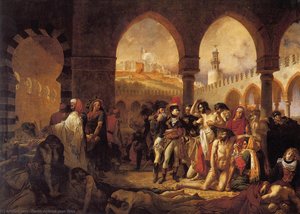
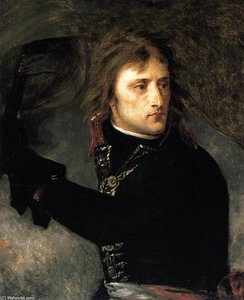
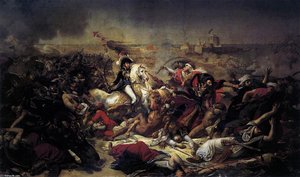
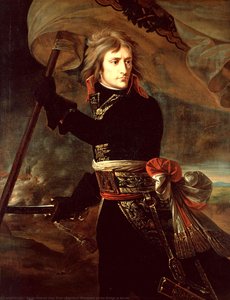
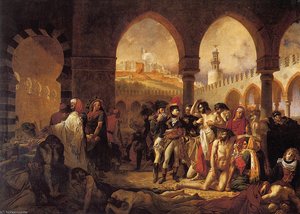
The French Revolution cast a long shadow over Gros’s formative years, disrupting his early artistic pursuits. He briefly left France in 1793, seeking refuge and opportunity in Italy, where he honed his skills through portraiture. However, it was a chance encounter with the rising star of Napoleon Bonaparte that irrevocably altered his career path. In 1796, Gros secured a commission to paint Napoleon at the Battle of Arcole—a work that catapulted him to fame and earned the coveted patronage of the ambitious general. This marked the beginning of an extraordinarily fruitful relationship; Gros became Napoleon’s preferred painter, tasked with immortalizing his triumphs on canvas. He accompanied Bonaparte on campaigns, capturing scenes of military prowess and strategic brilliance. Works like *Bonaparte Visiting the Plague Victims of Jaffa* (1804) – though controversial for its romanticized depiction of a grim reality – showcased Gros's ability to blend historical accuracy with dramatic flair. These paintings weren’t merely records of events; they were carefully constructed narratives designed to enhance Napoleon’s image and solidify his power, establishing Gros as a master of propaganda through art. He was appointed painter to Napoleon in 1806 and later granted the title of Baron in 1824, solidifying his position within the imperial hierarchy.Bridging Styles: Neoclassicism Infused with Romantic Fire
Gros’s artistic style is often described as a bridge between Neoclassicism and Romanticism. While he initially adhered to David's emphasis on precise draftsmanship, clarity of form, and classical subject matter—evident in early works like *The Combat of Nazareth* (an esquisse that won the Prix de Rome)—he gradually infused his paintings with a heightened sense of drama, emotion, and color. He moved away from the cool detachment of Neoclassicism towards a more passionate and expressive approach. This is particularly noticeable in his battle scenes, where he depicted not just the glory of victory but also the suffering and chaos of war. The influence of Venetian masters like Titian and Veronese, with their rich color palettes and dynamic compositions, became increasingly apparent. His portraits, such as *Equestrian Portrait of Prince Boris Yusupov*, demonstrate a remarkable ability to capture both physical likeness and psychological depth. He wasn’t simply painting faces; he was revealing character. This stylistic evolution would profoundly influence subsequent generations of French painters, including Eugène Delacroix and Théodore Géricault, who embraced the emotional intensity and dramatic flair that Gros pioneered.Later Years and Enduring Legacy
Following Napoleon’s downfall, Gros faced a period of artistic uncertainty. The shift in political climate demanded a change in subject matter, and he struggled to adapt. He attempted a return to more traditional historical painting and classical themes, but his heart seemed no longer fully engaged. His atelier became a hub for artistic innovation, attracting aspiring painters eager to learn from his experience. However, plagued by self-doubt and depression, Gros found it increasingly difficult to recapture the acclaim he had enjoyed during the Napoleonic era. He felt caught between the fading ideals of Neoclassicism and the rising tide of Romanticism, unable to fully embrace either movement. In a tragic turn, Antoine-Jean Gros took his own life in 1835, leaving behind a legacy that continues to captivate and inspire. His paintings remain powerful testaments to an era of upheaval and transformation, offering a unique glimpse into the complexities of human ambition, glory, and loss. He left an indelible mark on French art, paving the way for the Romantic movement and influencing countless artists who followed in his footsteps. His work serves as a reminder that even within the constraints of historical commission and political patronage, true artistic vision can flourish and leave an enduring impact on the world.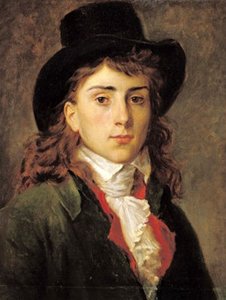
Antoine-Jean Gros
1771 - 1835 , France
Quick Facts
- Artistic Movement Or Style: Neoclassicism & Romanticism
- Artists Or Movements Influenced By This Artist:
- Delacroix
- Géricault
- Artists Who Influenced This Artist: ['Jacques-Louis David']
- Date Of Birth: 1771
- Date Of Death: 1835
- Full Name: Antoine-Jean Gros
- Nationality: French
- Notable Artworks:
- Battle of Arcole
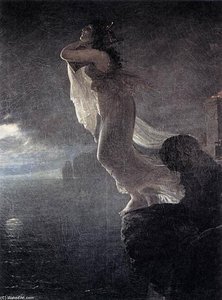
- Sappho à Leucate
- Equestrian Portrait
- Entrevue d'Austerlitz
- Place Of Birth: Paris, France
Related Articles
From Initial Sketch to Enduring Legacy: A Comprehensive Exploration of the Oil Painting Reproduction Process
Discover the art of museum-quality oil painting reproduction. Explore our expert process, skilled artists & authentic replicas. Elevate your home with timeless beauty – handcrafted and customized to your vision.
The Enduring Legacy of Hand-Painted Oil Paintings: Aesthetic Value, Longevity & Emotional Resonance
Explore the enduring legacy of hand-painted oil paintings. Discover the aesthetic value, material longevity & emotional resonance that sets original art—and expertly crafted reproductions—apart. Invest in timeless beauty.
Reproducing Artistry: A Guide to Oil, Canvas & Paper Reproduction Mediums
Explore the world of art reproduction! Learn about oil, canvas & paper options with our expert guide. Discover museum-quality reproductions for your home or collection.
Turn Your Digital Art Into Hand‑Painted Oil Masterpieces—Earn Big on Every Sale and Build an Enduring Legacy
Transform your NFT collection into hand‑painted oil masterpieces with ArtsDot’s expert artisans. Enjoy museum‑grade quality, free worldwide shipping, and a 100% satisfaction guarantee—turn digital art into a lasting legacy that earns you real value.
The Digital Portrait Renaissance: Transforming Personal Photography into Timeless Oil Paintings Through Artistic Reproduction
Transform your cherished photos into timeless oil paintings with ArtsDot's expert artists. Museum-quality reproductions & custom portraits, crafted to last a lifetime. Discover the art of personal legacy.