 Preview
 Send
Send Share
Share
 Details

 Download
 Similars
 X-Ray
X-Ray Diaporama
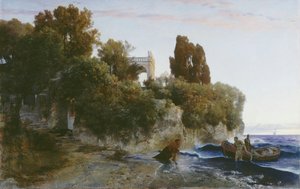
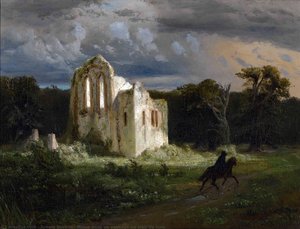
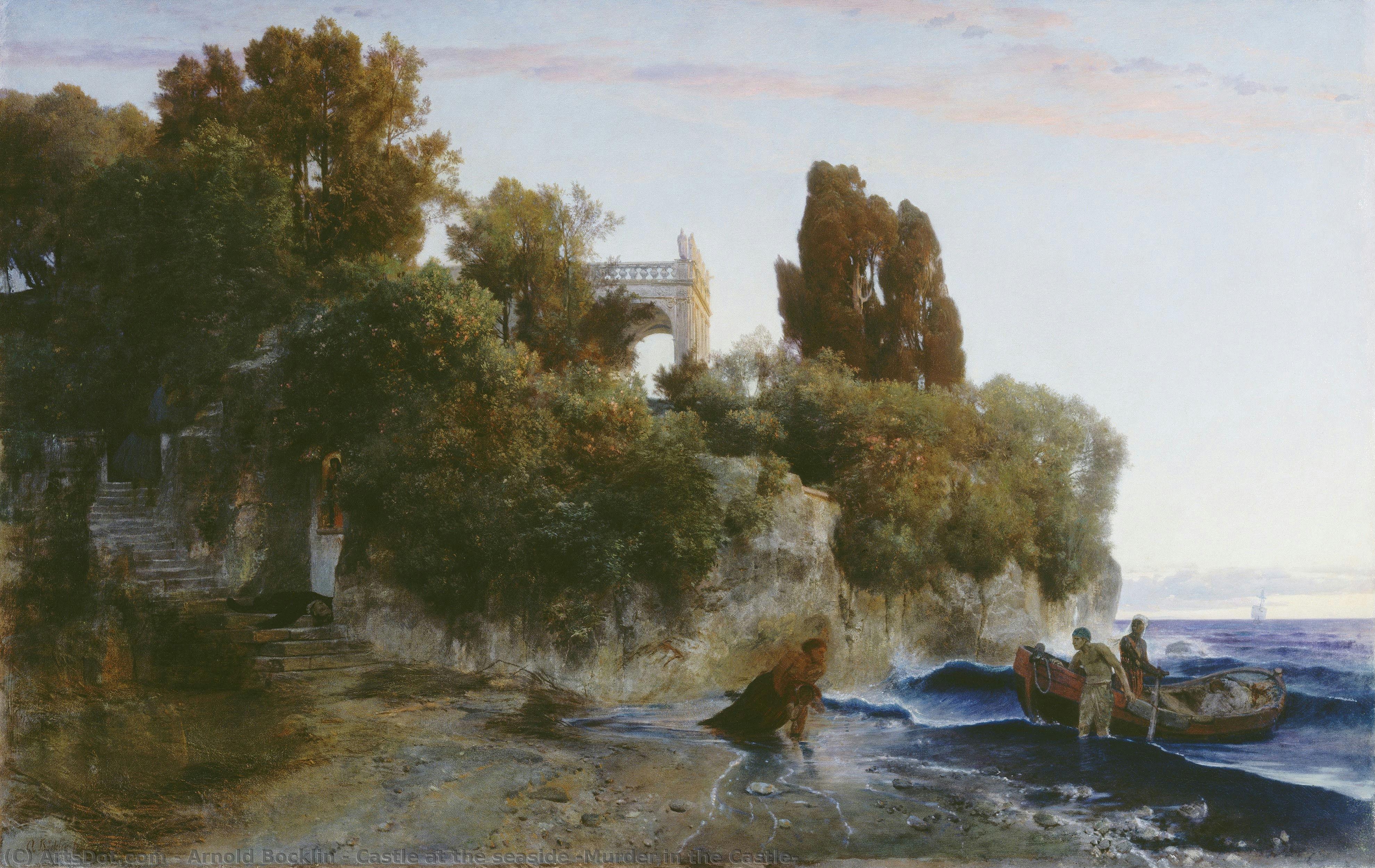
Castle at the seaside (Murder in the Castle)


 Read More
Hand Made Oil Reproduction
Hand-painted oil on canvas in your size and frame, made to order by our artists. ( Buy Print Buy Image)




P118B $10

P118H $10

P118W $10

P438Z $10

P508JH $12

P508YH $12

P805H $10

P805Z $10

P919BZ $10

P919G $10

P919XJ $10

P959ZH $10

P968JZ $12

W106C $8

W218G $10

W218JH $8

W218Y $10

W307PJ $10

W316G $10

W316PJ $8

W316Y $10

W398PJ $8

W4111J $10

W500HY $15

W500JH $15

W692G $12

W849H $8

W940BG $15

W953PJ $8




Pick from our preset sizes that match the artwork's original proportions.

You may enter your own dimensions to fit a specific frame or space. If your selected size does not match the original image's proportions, we will either crop the artwork or extend the painting with additional hand-painted elements. A digital mockup will be sent for your approval before production begins.
Please note that the on-screen preview does not reflect the actual cropping or extension. Only the mockup will accurately show the final composition.
While custom sizes are available, we recommend selecting a dimension from the predefined list to preserve the original proportions.
After order, ArtsDot.com team will email client for instructions and provide a mockup preview
Worldwide Delivery () in 3/4 weeks instead of standard 5 weeks. (17 August). No compromise on quality.

Free Worldwide Express Shipping

High-Quality Linen Canvas

Full Shipping Insurance

Customs Tax Refund Guarantee

True Color Matching Guarantee

60-Day Return Policy (Defects Only)

100% Money-Back Guarantee

Bulk Discount Offer
 Glass option is only available in size under 110 CM

Castle at the seaside (Murder in the Castle)
Reproduction Medium
Reproduction Size
-


Total Price
$ 263
Artwork Description
A Glimpse into a Dreamscape: The Genesis of "Castle by the Sea & Murder in the Castle Garden"
Arnold Böcklin's 1859 painting, “Castle by the Sea & Murder in the Castle Garden,” isn’t merely a depiction of a coastal scene; it’s an immersion into a realm of profound melancholy and unsettling beauty. Born in Basel during a period of intense artistic and intellectual ferment—the rise of Symbolism challenging the dominance of Realism—Böcklin was deeply influenced by Romanticism's fascination with the sublime, the macabre, and the power of the imagination. This work exemplifies his signature style: a haunting blend of classical architectural grandeur juxtaposed against the raw, elemental forces of nature, all rendered in a palette of muted blues, greys, and ochres that evoke a perpetual twilight.
The painting immediately draws the eye to the imposing castle perched precariously on a cliff face, its weathered stone hinting at centuries of silent observation. Below, a bustling scene unfolds: laborers toil on the beach, their figures rendered with a deliberate lack of detail, suggesting an almost anonymous existence. A small boat ventures out towards the horizon, while a shadowy figure—perhaps a victim or a perpetrator—lurks within the castle’s darkened interior. The composition is deliberately unbalanced, creating a sense of unease and foreboding. Böcklin masterfully uses atmospheric perspective to draw the viewer into this enclosed world, blurring the lines between reality and dream.
Symbolism Woven into Stone: Unpacking the Layers of Meaning
Böcklin’s work is rich in symbolic resonance, inviting multiple interpretations. The castle itself represents a decaying ideal—a monument to ambition and power now crumbling under the relentless passage of time. Its isolation speaks to themes of loneliness, mortality, and the futility of earthly pursuits. The laborers on the beach embody the struggles of ordinary life, their labor rendered as a repetitive, almost ritualistic act. The small boat represents hope or escape, but its destination remains uncertain. Crucially, the “murder” hinted at within the castle’s walls isn't explicitly depicted; it’s suggested through atmosphere and implication—a subtle disruption of the established order.
The painting is deeply rooted in Romantic ideas about the sublime – that experience which inspires awe and terror simultaneously. Böcklin taps into this feeling, creating a scene that is both beautiful and unsettling. The use of muted colors contributes to this effect, evoking a sense of sadness and loss. Furthermore, the castle’s architecture—a blend of Romanesque and Gothic styles—references classical notions of power and authority, now rendered obsolete by time and circumstance.
Technique and Texture: A Masterclass in Atmospheric Painting
Böcklin's technique is characterized by a meticulous attention to detail combined with a loose, expressive brushstroke. He employs a layering technique—building up the image through multiple thin glazes of oil paint—to create a sense of depth and luminosity. The textures are remarkably varied: the rough, uneven surface of the beach contrasts sharply with the smooth, polished stone of the castle walls. Böcklin’s use of color is particularly noteworthy; he masterfully employs chiaroscuro – the dramatic contrast between light and shadow – to heighten the emotional impact of the scene.
The artist's deliberate choice of a limited palette—primarily blues, greys, and ochres—contributes significantly to the painting’s somber mood. He skillfully uses these colors to create a sense of atmosphere, evoking the feeling of a perpetual twilight or a melancholic dream. The brushwork itself is loose and expressive, conveying a sense of movement and dynamism within the static composition.
A Legacy of Mystery: “Castle by the Sea & Murder in the Castle Garden” Today
“Castle by the Sea & Murder in the Castle Garden” remains one of Böcklin’s most enduringly captivating works. Its haunting beauty and profound symbolism continue to resonate with viewers today, prompting reflection on themes of mortality, loss, and the human condition. The painting's influence can be seen in the work of numerous artists who followed in Böcklin’s footsteps, including Symbolist painters like Odilon Redon and Gustave Moreau. It is a testament to the power of art to evoke emotion, stimulate imagination, and transcend time.
Related Artworks
Artist Biography
early life and training
arnold böcklin, a swiss symbolist painter, was born on october 16, 1827, in basel, switzerland. his father, christian frederick böcklin, descended from an old family of schaffhausen and engaged in the silk trade. arnold's mother, ursula lippe, was a native of the same city. he studied at the düsseldorf academy under schirmer, becoming a friend of anselm feuerbach. böcklin is associated with the düsseldorf school of painting.artistic career and symbolism
böcklin's artistic journey took him to various cities, including paris, where he worked at the louvre, and rome, where he was influenced by its sights. his work often featured allegorical and mythological figures in settings involving classical architecture, exploring themes of death and mortality.- great park, one of his earliest works, showcased ancient mythology.
- nymph and satyr (1858) and sappho (1859) were notable works from this period.
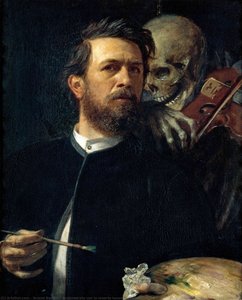
- böcklin's portrait of myself, with death playing a violin (1872) exemplified his unique style.
legacy and influence
böcklin is best known for his five versions of the isle of the dead (1880-1886), which evoked the english cemetery in florence, where his daughter was buried. his work influenced younger artists like hans thoma and inspired several late-romantic composers.- clement greenberg described böcklin's work as "one of the most consummate expressions" of its time.
- böcklin's style overlapped with the pre-raphaelites, emphasizing the world of dreams and mysticism.
museums and collections
böcklin's work can be found in various museums, including:- öffentliche kunstsammlung (basel, switzerland)
- kunstmuseum basel (switzerland)
- museum kunsthaus zürich (zürich, switzerland)
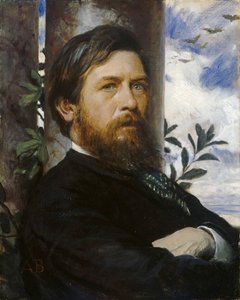
Arnold Böcklin
1827 - 1901 , Switzerland
Quick Facts
- Artistic Movement Or Style: Symbolism
- Artists Or Movements Influenced By This Artist:
- Hans Thoma
- Pre-Raphaelites
- Artists Who Influenced This Artist:
- Schirmer
- Feuerbach
- Date Of Birth: October 16, 1827
- Date Of Death: January 16, 1901
- Full Name: Arnold Böcklin
- Nationality: Swiss
- Notable Artworks:
- Isle of the Dead
- Nymph and Satyr
- Sappho
- Portrait of Myself
- Place Of Birth: Basel, Switzerland
Related Articles
Cultivating Paradise: A Historical & Artistic Exploration of Gardens in Painting
Explore the rich history of gardens in painting! Discover masterpieces from Renaissance to Impressionism & beyond. Learn about symbolism, artists like Monet & Klimt, and find your perfect artwork at ArtsDot.
Seafoam & Masterpieces: 10 Paintings Dominated by Medium Sea Green | ArtsDot
Dive into serenity with 10 famous paintings bathed in calming medium sea green. Explore Impressionist masterpieces by Monet, Degas & Renoir. Find museum-quality art reproductions and elevate your home decor at ArtsDot.com.
Paul Klee's Masterpieces: Explore 25 Iconic Paintings & Prints | ArtsDot
Journey through Paul Klee's 25 most iconic paintings & prints. Explore his abstract style, Bauhaus influence, and vibrant color palettes. Find museum-quality art reproductions & decor ideas at ArtsDot.com. Discover all masterpieces online.
Monet's Masterpieces: 25 Iconic Artworks to Transform Your Home
Journey through 25 iconic Claude Monet masterpieces! Explore Impressionism’s beauty, from Water Lilies to Rouen Cathedral. Discover stunning art reproductions & curated decor ideas – explore the full collection online at ArtsDot.com.
The Azure Depths: Exploring Representations of the Ocean in Art History
Explore the rich history of ocean art! Discover Romantic seascapes, renowned artists like Aivazovsky & Harris, and expert guidance for collectors at ArtsDot.com.